
For most travelers, particularly U.S. Citizens, the question of whether a passport is required to visit Puerto Rico is a common one, often leading to a pleasant surprise. The straightforward answer for U.S. Citizens is no, a passport is not required. This unique aspect of travel to this vibrant Caribbean Sea gem is one of its many appeals, making it an accessible and enticing destination for those seeking an unforgettable island experience without the complexities of international travel documentation.
Puerto Rico is an unincorporated territory of the United States, meaning that travel between the mainland United States and Puerto Rico is considered domestic travel. This status simplifies the planning process immensely, opening the door to a diverse landscape of sun-drenched beaches, lush rainforests, historic cities, and a rich, pulsating culture that is distinctly Puerto Rican yet infused with American influences. From the cobbled streets of Old San Juan to the bioluminescent wonders of its bays, and the majestic peaks of El Yunque National Forest, Puerto Rico offers an abundance of attractions for every type of traveler. This comprehensive guide will not only clarify the documentation requirements but also delve into the myriad reasons why Puerto Rico should be your next travel destination, providing insights into its unique appeal, accommodation options, and unforgettable experiences.

Puerto Rico’s Unique Status: A U.S. Territory
The foundation of Puerto Rico’s travel policy lies in its political relationship with the United States. As a U.S. Citizen, traveling to Puerto Rico is akin to traveling between any two states within the continental United States. This means that standard domestic travel identification is all that is typically required. This is a significant advantage for families, budget travelers, or anyone looking for an international-feeling escape without the bureaucratic hurdles often associated with foreign travel. The convenience of using U.S. Dollars, speaking English (which is widely understood, though Spanish is the official language), and being under the protection of U.S. federal laws further enhance the seamless travel experience.
Understanding Travel Requirements for U.S. Citizens
For U.S. Citizens, the primary requirement for air travel to Puerto Rico is a valid, government-issued photo identification. This could be a state-issued driver’s license, a state identification card, or other acceptable forms of ID as determined by the Transportation Security Administration (TSA). It’s crucial to note that while a passport isn’t mandatory, it is always an acceptable form of identification for domestic air travel and can serve as a universally recognized document. The forthcoming full implementation of the REAL ID Act is a critical consideration for travelers. From May 7, 2025, air travelers 18 years of age and older flying within the United States (including Puerto Rico) will need a REAL ID Act compliant driver’s license or state ID, or another acceptable form of identification, such as a passport. Therefore, checking if your state-issued ID is REAL ID Act compliant before your trip is advisable. If not, a valid passport or another acceptable alternative ID will be necessary. For those traveling with minors, always verify airline specific policies, but generally, children under 18 traveling with an adult within the United States do not require their own photo ID.
What About Non-U.S. Citizens?
For non-U.S. Citizens, the travel requirements for Puerto Rico are the same as those for entering the continental United States. This means that international travelers will need a valid passport and, depending on their country of origin, a valid U.S. visa or ESTA (Electronic System for Travel Authorization) under the Visa Waiver Program. All entry requirements enforced by the United States Department of Homeland Security apply. It is essential for international visitors to research and secure all necessary documentation well in advance of their planned travel dates to avoid any complications. While Puerto Rico offers an experience distinct from the mainland, its immigration and customs policies are firmly aligned with the rest of the United States.
Essential Documents for Your Puerto Rico Journey
Even though a passport isn’t mandatory for U.S. Citizens, being well-prepared with the correct identification is key to a smooth and stress-free travel experience. Understanding the specifics of what documents are accepted can save you time and hassle at the airport.
Acceptable Identification for U.S. Travelers
When traveling by air from the mainland United States to Puerto Rico, U.S. Citizens aged 18 and older must present a valid, unexpired government-issued photo ID at the TSA checkpoint. The most common and widely accepted forms of identification include:
- State-issued driver’s license or other state photo identity card: Ensure it is REAL ID Act compliant, indicated by a star or an outline of a star in the upper right-hand corner.
- U.S. passport or passport card: Although not required, these are always valid forms of identification.
- U.S. military ID: For active-duty military personnel and their dependents.
- Permanent Resident Card (Green Card): For lawful permanent residents.
- U.S. Citizenship and Immigration Services Employment Authorization Document (EAD card).
- Other acceptable IDs: A full list can be found on the TSA website, which also includes various federally recognized identification cards.
It’s always a good practice to carry a secondary form of identification, such as a birth certificate or a social security card, especially if there’s any concern about the validity or condition of your primary ID. While these typically won’t be required by TSA for domestic travel, they can be useful in unforeseen circumstances. For cruises departing from and returning to the same U.S. port, a birth certificate and government-issued photo ID (for adults) are generally sufficient for U.S. Citizens. However, if the cruise itinerary includes stops in foreign ports, a passport will likely be required. Always consult your cruise line and the Department of State for the most up-to-date requirements.
Beyond Identification: Other Travel Considerations
While documentation is paramount, other aspects of travel preparation contribute to a seamless journey. Consider carrying copies of your important documents (stored separately from the originals) and having digital copies accessible on your phone or in cloud storage. For any medical needs, bring copies of prescriptions and keep essential medications in your carry-on luggage. Travel insurance, while optional, is highly recommended. It can provide peace of mind for unexpected events such as trip cancellations, medical emergencies, or lost luggage. For those planning an extended stay or considering purchasing property, additional documentation related to finances and legal residency would be necessary, but for typical tourism, the focus remains on identification.
Discover the Allure of Puerto Rico: Beyond the Documentation
With the documentation sorted, the exciting part begins: planning your itinerary to explore the diverse wonders of Puerto Rico. This island offers a captivating blend of history, vibrant culture, pristine natural beauty, and modern amenities, ensuring an enriching experience for every visitor.
Iconic Landmarks and Cultural Treasures
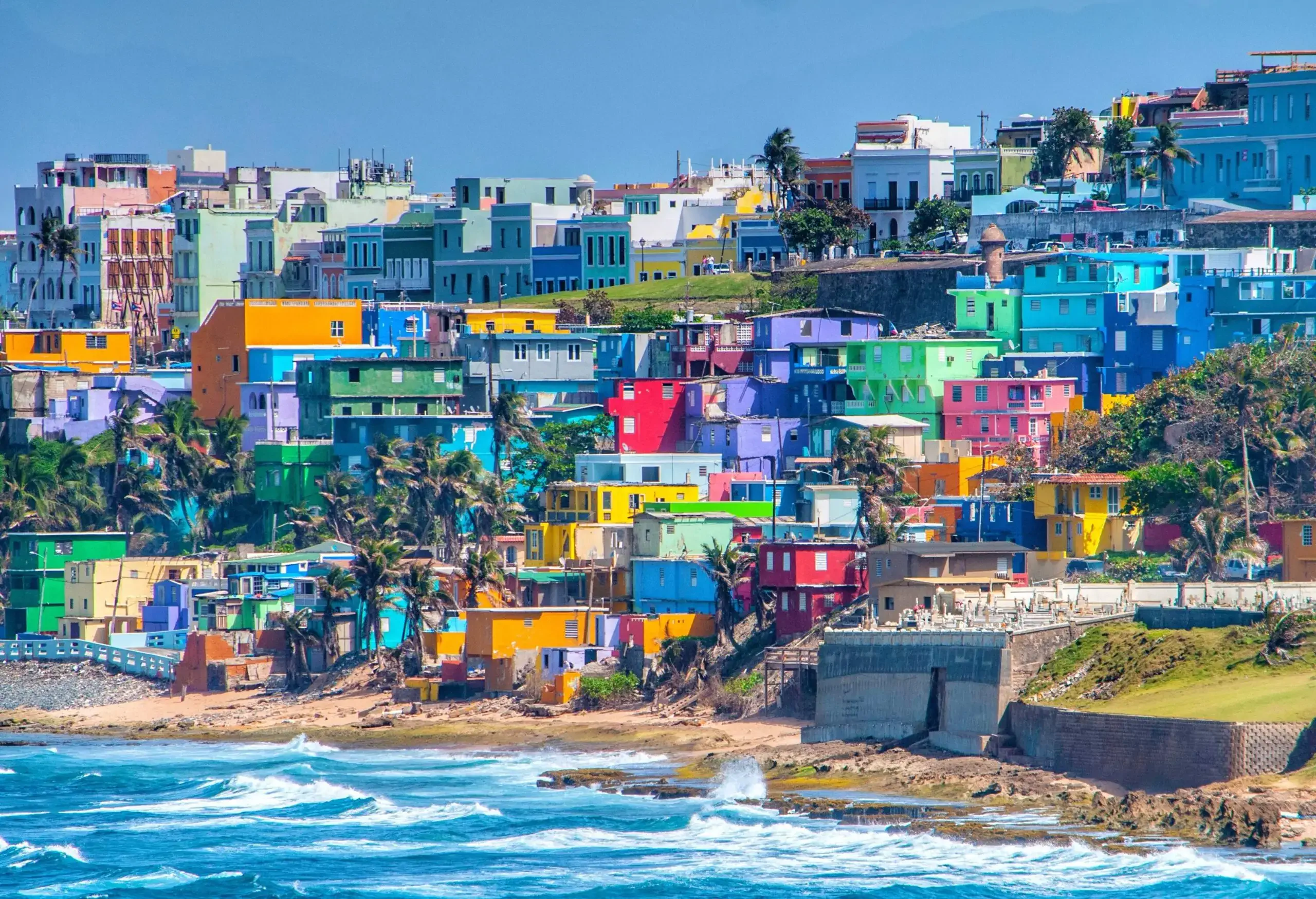
The capital city of San Juan is often the first point of entry and a treasure trove of historical and cultural experiences. Old San Juan, a UNESCO World Heritage site, enchants visitors with its colorful Spanish colonial architecture, narrow cobblestone streets, and iconic fortresses. Explore the imposing walls of Castillo San Felipe del Morro, which once guarded the bay from invaders, offering breathtaking views of the Atlantic Ocean. Equally impressive is Castillo de San Cristóbal, the largest fort built by the Spanish in the New World. Wander through its intricate tunnels and enjoy panoramic vistas of the city. Beyond the forts, Old San Juan boasts charming plazas, boutique shops, art galleries, and a thriving culinary scene. Savor traditional Puerto Rican cuisine, known as “comida criolla,” which blends Spanish, African, and Taíno influences. Don’t miss sampling mofongo, lechón, and a refreshing piña colada (which was supposedly invented here!).
The island’s cultural vibrancy extends beyond San Juan. In Ponce, the “Pearl of the South,” you’ll find elegant neoclassical architecture, charming plazas, and significant museums like the Ponce Museum of Art. A visit to the historic Bacardí Rum Distillery in Cataño, just across the bay from San Juan, offers an intriguing look into the island’s rum-making heritage. Throughout the island, you’ll encounter the infectious rhythms of salsa and plena music, colorful festivals, and the warm hospitality of the Puerto Rican people.
Nature’s Masterpieces and Thrilling Adventures
Puerto Rico is a paradise for nature lovers and adventure seekers. El Yunque National Forest, the only tropical rainforest in the U.S. National Forest System, is a must-visit. Hike through its lush trails, discover hidden waterfalls like La Mina Falls, and listen to the distinct call of the coqui frog. The forest’s biodiversity is astounding, offering a glimpse into a vibrant ecosystem.
One of Puerto Rico’s most magical experiences is kayaking through its bioluminescent bays. These natural wonders glow at night due to microorganisms called dinoflagellates. The most famous is Mosquito Bay on the island of Vieques, renowned as one of the brightest in the world. Other bioluminescent bays include Laguna Grande in Fajardo and La Parguera in Lajas. Each offers a unique and unforgettable evening adventure.
The island also boasts some of the world’s most beautiful beaches. Flamenco Beach on the island of Culebra consistently ranks among the top beaches globally, famous for its white sand, turquoise waters, and unique WWII tanks art installations. On the main island, Luquillo Beach and Seven Seas Beach in Fajardo offer calm waters perfect for families, while the west coast, particularly around Rincón and Aguadilla, is a mecca for surfers. For geological wonders, explore the Camuy River Cave Park, one of the largest cave systems in the world, or visit the historic Arecibo Observatory (though damaged, its visitor center remains a point of interest, showcasing its significant scientific legacy).
Where to Stay: Accommodation Options for Every Lifestyle
Puerto Rico offers an extensive range of accommodation options, catering to every budget and travel style, from luxurious resorts to charming boutique hotels and practical vacation rentals.
For those seeking an opulent escape, areas like Dorado, Condado, and Isla Verde are home to world-class resorts and luxury hotels. The Dorado Beach, a Ritz-Carlton Reserve offers unparalleled extravagance with its private villas and renowned golf courses. In the vibrant urban centers, options like the Condado Vanderbilt Hotel blend historic grandeur with modern amenities, perfect for luxury travelers and business stays. The Hyatt Regency Grand Reserve Puerto Rico in Rio Grande provides a stunning backdrop with its beachfront location and extensive facilities, ideal for family trips and destination weddings. These resorts often feature exquisite suites, multiple pools, fine dining restaurants, spas, and a variety of activities, making them destinations in themselves.
Beyond the high-end resorts, Puerto Rico also boasts a fantastic selection of boutique hotels, particularly in Old San Juan, offering a more intimate and culturally immersive experience. For budget travelers or those preferring a local touch, vacation rentals, apartments, and guesthouses are widely available across the island. Websites for booking accommodation allow for easy comparison and review reading, whether you’re looking for a short stay or long-term accommodation. From secluded villas in the hills of Rincón to oceanfront condos in Aguadilla, the choices are abundant, promising a comfortable and memorable stay that aligns with your lifestyle and preferences.
Planning Your Puerto Rico Experience: Tips for a Seamless Trip
To ensure your trip to Puerto Rico is as enjoyable and smooth as possible, a little extra planning goes a long way. Beyond the official documents, understanding local customs and practicalities will enhance your experience.
Navigating Local Culture and Practicalities
- Language: While Spanish is the official language, English is widely spoken and understood, especially in tourist areas like San Juan and within the hospitality industry. Learning a few basic Spanish phrases, however, will be greatly appreciated by locals and can enrich your interactions.
- Currency: The official currency is the U.S. Dollar, eliminating the need for currency exchange for U.S. Citizens. Credit cards are widely accepted, but it’s always wise to carry some cash for smaller vendors, tips, or in more remote areas.
- Transportation: San Juan has taxis and ride-sharing services. For exploring beyond the capital, renting a car is highly recommended to give you the freedom to discover the island’s hidden gems. Driving is on the right side of the road, similar to the mainland United States.
- Tipping: Tipping practices are similar to the United States. Expect to tip 15-20% for good service in restaurants, bars, and for taxi drivers.
- Local Etiquette: Puerto Ricans are known for their warmth and hospitality. A friendly “Hola” and “Gracias” go a long way. Modest attire is appreciated in religious sites and some local establishments, though resort areas and beaches are more relaxed.
Health, Safety, and Connectivity
Puerto Rico generally maintains high standards for health and safety. Tap water is safe to drink in most areas, but bottled water is widely available if preferred. Sun protection is crucial; pack sunscreen, hats, and sunglasses, especially if you plan to spend extended time outdoors. Mosquito repellent is also advisable, particularly when visiting natural areas like El Yunque National Forest or the bioluminescent bays. Emergency services are comparable to those on the mainland United States, with 911 being the universal emergency number. Most major cell phone carriers from the United States provide service in Puerto Rico without roaming charges, making it easy to stay connected with family and friends. Wi-Fi is also readily available in hotels, cafes, and many public spaces.
In conclusion, for U.S. Citizens, the clear answer to “Do I Need A Passport To Travel To Puerto Rico?” is no. This makes the island an incredibly accessible and appealing destination for a domestic getaway that feels distinctly international. With proper identification like a REAL ID Act compliant driver’s license, you can unlock a world of vibrant culture, breathtaking natural landscapes, and unforgettable adventures. From the historic charm of Old San Juan to the serene beauty of its beaches and the adventurous trails of El Yunque National Forest, Puerto Rico promises a rich and rewarding travel experience for every visitor. Start planning your Puerto Rican escape today and discover why this Caribbean Sea jewel is truly a world apart, yet wonderfully within reach.