
While the allure of Florida often conjures images of sun-drenched beaches, vibrant theme parks, and a relaxed lifestyle, a less glamorous but equally important aspect for businesses operating within the state revolves around tax exemptions. For many businesses, particularly those involved in wholesale transactions or with a retail presence, understanding and obtaining a Florida resale certificate is a crucial step. This document, often referred to as a sales tax exemption certificate, allows businesses to purchase goods for resale without paying sales tax. This not only streamlines the purchasing process but also significantly impacts a business’s bottom line.
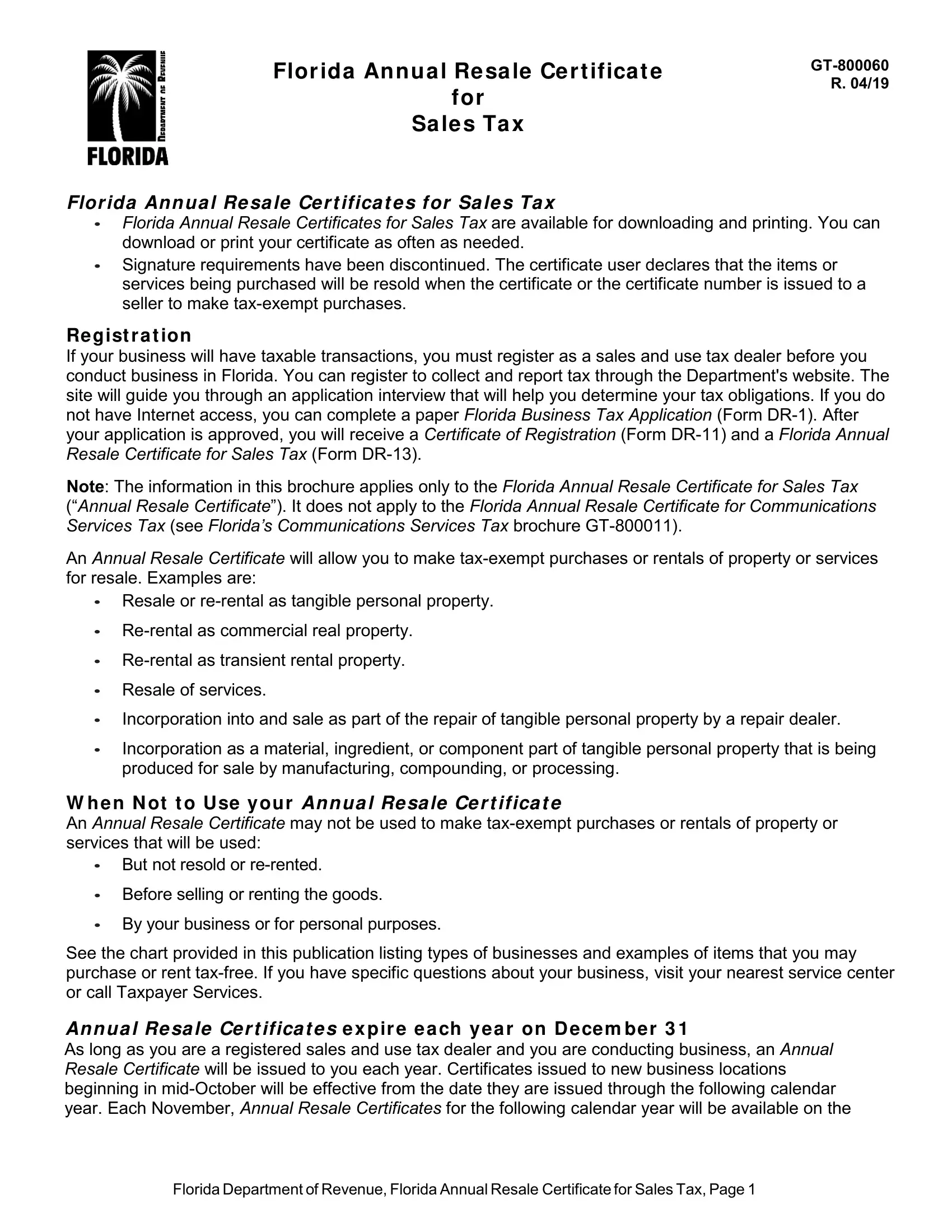
This comprehensive guide will walk you through the process of acquiring a resale certificate in Florida, ensuring your business can operate efficiently and legally. We’ll delve into who needs one, the eligibility criteria, the application process, and important considerations to keep your certificate up-to-date and compliant. Whether you’re a small boutique owner in Miami, a wholesale distributor catering to vacation rentals in the Florida Keys, or a business supplying goods to attractions like Walt Disney World Resort, this information is vital for your operations.
Understanding the Florida Resale Certificate
A Florida resale certificate is essentially a declaration by a buyer to a seller that the goods being purchased are intended for resale. When a business presents a valid resale certificate to a vendor, the vendor is relieved of their obligation to collect sales tax from that buyer on that specific transaction. Instead, the responsibility of collecting and remitting sales tax shifts to the buyer when they eventually sell the goods to the end consumer. This mechanism is fundamental to preventing double taxation and ensuring that sales tax is ultimately levied only on the final sale to the consumer.
Who Needs a Resale Certificate in Florida?
Virtually any business that purchases tangible personal property or taxable services with the intent to resell them to another party for a profit generally requires a resale certificate. This includes a wide array of enterprises:
- Retailers: Shops, boutiques, online stores, and any business selling goods directly to the public. For example, a shop selling souvenirs near Daytona Beach would need a resale certificate to purchase inventory.
- Wholesalers and Distributors: Businesses that sell goods in bulk to other businesses for resale. A company supplying linens to resorts in Orlando would operate this way.
- Manufacturers: If a manufacturer purchases raw materials or components that will be incorporated into a product for sale, they may use a resale certificate.
- Businesses Providing Services: In some cases, businesses that provide taxable services may also need resale certificates for items they provide as part of their service, which are then considered part of the resale of a service. For instance, a wedding planner purchasing floral arrangements to provide to clients might fall under this.
- Hotels and Accommodation Providers: While primarily providing a service, hotels often purchase items like toiletries, linens, or decor for their rooms. If these items are considered part of the overall service or are resold, a resale certificate might be applicable. Imagine a luxury resort like The Breakers Palm Beach needing to purchase items for guest amenities.
It’s important to distinguish a resale certificate from other tax exemptions. For instance, entities like non-profit organizations or government agencies may qualify for direct exemptions from sales tax on all purchases, which is a different process than obtaining a resale certificate.
Key Differences from Other Tax Forms
It’s vital to understand that a resale certificate is not a license to operate a business, nor is it a general exemption from all sales tax. It is specifically for the purpose of purchasing goods for resale. This differs from:
- Business License: This is a permit issued by a local or state government that authorizes a business to operate within a specific jurisdiction.
- Federal Employer Identification Number (EIN): This is a tax identification number issued by the IRS for businesses operating in the United States.
- Florida Sales and Use Tax Certificate of Registration: This is a mandatory registration for any business that sells taxable goods or services in Florida. It’s the prerequisite for collecting and remitting sales tax, and also the first step towards applying for resale certificates.
Applying for Your Florida Resale Certificate
The Florida Department of Revenue (FLDOR) is the agency responsible for issuing and regulating sales tax certificates. The process of obtaining a resale certificate is integrated with your business’s overall sales tax registration.
Step 1: Obtain a Florida Sales and Use Tax Certificate of Registration
Before you can apply for resale certificates, your business must first be registered with the Florida Department of Revenue to collect and remit sales tax. This is done by obtaining a Florida Sales and Use Tax Certificate of Registration.
- Online Application: The most common and efficient method is to apply online through the Florida Department of Revenue’s website. You will need to provide detailed information about your business, including:
- Business Name and Trade Name (if applicable)
- Business Structure (Sole Proprietorship, Partnership, Corporation, LLC, etc.)
- Federal Employer Identification Number (EIN) or Social Security Number (for sole proprietors)
- Physical Business Address
- Mailing Address
- Description of Business Activities
- Information on the owners or responsible parties
- Mail or Fax Application: You can also download the application form from the FLDOR website and submit it by mail or fax. However, online applications are generally processed much faster.
Once your application is approved, you will receive your Florida Sales and Use Tax Certificate of Registration, which includes your sales tax account number. This number is crucial for all your sales tax-related activities, including applying for resale certificates.
Step 2: Understanding the Resale Certificate Form
Florida uses a standardized form for resale certificates, often referred to as the “Sales and Use Tax Transaction Fee Exemption Certificate” or simply a “Resale Certificate.” While you don’t directly “apply” for a resale certificate in the same way you apply for your initial registration, you will use these certificates when making qualifying purchases.
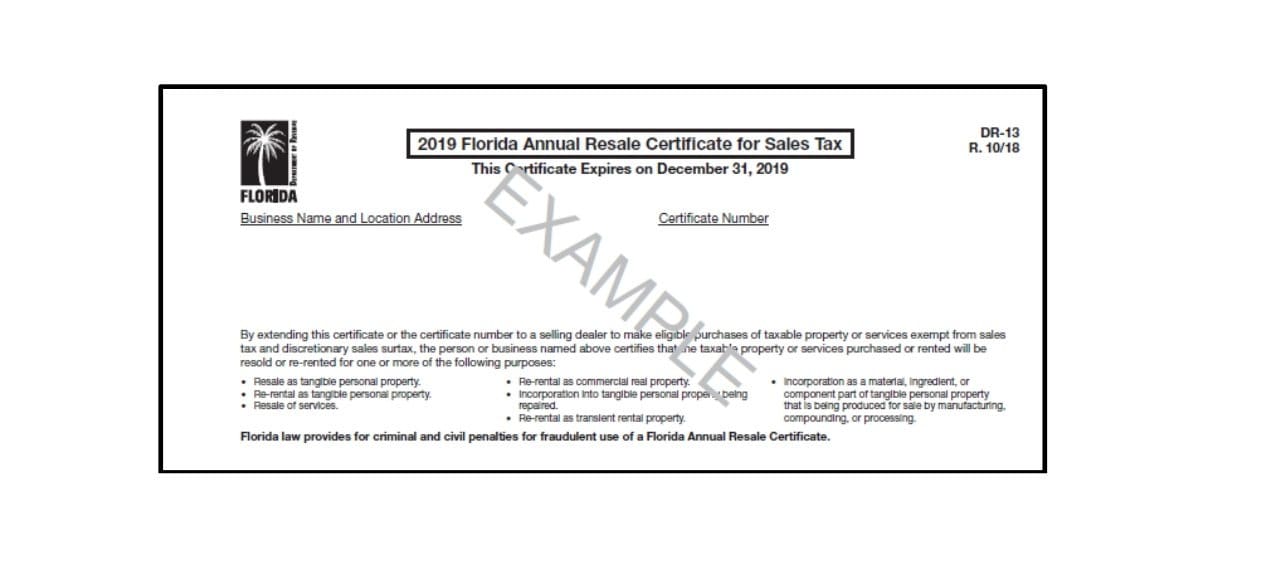
The most common form used is the Florida Department of Revenue DR-14, “Sales and Use Tax Return.” However, for the purpose of resale, the state operates on a system where a buyer provides a valid resale certificate to the seller. Many businesses develop their own internal resale certificate forms that conform to state guidelines, or they rely on the seller to have their own acceptable format.
Key Information on a Resale Certificate:
When you, as the buyer, provide a resale certificate to a seller, it should generally include:
- Buyer’s Information: Your business name, address, and your Florida Sales and Use Tax Account Number.
- Seller’s Information: The name and address of the vendor from whom you are purchasing the goods.
- Description of Goods: A clear statement that the items purchased are for resale.
- Declaration of Intent: A statement confirming that the buyer intends to resell the items purchased and will be responsible for collecting and remitting sales tax on the eventual sale to the end consumer.
- Signatures: The signature of an authorized representative of the buyer’s business.
Step 3: Utilizing Resale Certificates with Vendors
Once you have your Florida Sales and Use Tax Account Number, you are authorized to provide resale certificates to your vendors.
- When Making Purchases: Whenever you purchase inventory or taxable items for the purpose of resale, present a completed resale certificate to your vendor before the sale is completed. This informs the vendor that they should not collect sales tax from you on that transaction.
- Vendor’s Responsibility: The vendor must accept the resale certificate in good faith. If the vendor has reason to believe the certificate is fraudulent or the items are not for resale, they may be held liable for the uncollected sales tax. This is why accurate record-keeping is crucial.
- Record Keeping: Both buyers and sellers must maintain records of all resale certificates received or provided. For buyers, this means keeping copies of certificates provided to vendors. For vendors, this means keeping copies of certificates received from buyers. These records are essential in case of an audit by the Florida Department of Revenue.
Important Considerations and Best Practices
Obtaining and using a resale certificate is straightforward, but there are several important nuances and best practices to ensure compliance and avoid potential issues.
When Not to Use a Resale Certificate
It is critical to understand that a resale certificate should only be used for purchases of items that will be resold. Using a resale certificate for items that your business will consume or use internally is considered fraudulent and can lead to penalties. Examples of items for which you should not use a resale certificate include:
- Office supplies (pens, paper, printer ink for internal use)
- Equipment for your business (computers, furniture, machinery not for resale)
- Items for employee use or consumption
- Materials used in the operation of your business that are not directly incorporated into a product for resale.
Renewing and Maintaining Your Certificate
The Florida Sales and Use Tax Certificate of Registration itself does not expire annually. However, it is essential to keep your business information current with the Florida Department of Revenue.
- Updating Information: If your business address, ownership, or business activities change, you must notify the FLDOR within 30 days of the change. Failure to do so can impact your ability to use your resale certificate and may result in penalties.
- No Specific Resale Certificate Renewal: Unlike some states that require periodic renewal of resale certificates, Florida does not have a separate renewal process for resale certificates themselves. The validity of your resale certificate is tied to the active and compliant status of your Florida Sales and Use Tax Certificate of Registration.
Audits and Compliance
The Florida Department of Revenue conducts audits to ensure compliance with sales tax laws. During an audit, your business will be expected to provide documentation supporting all sales tax exemptions claimed, including resale certificates.
- Auditor’s Review: An auditor will review your purchase invoices and verify that the items purchased under resale certificates were indeed resold. They will look for evidence that sales tax was collected and remitted on the final sale of these items.
- Consequences of Misuse: If it’s found that resale certificates were misused (e.g., used for items consumed by the business), you will be liable for the unpaid sales tax, along with accrued interest and substantial penalties. These penalties can significantly impact a business’s financial health.

Tips for Smooth Operations
- Educate Your Staff: Ensure all employees involved in purchasing understand the proper use of resale certificates.
- Maintain Organized Records: Keep meticulous records of all purchases and sales, clearly indicating which items were purchased with a resale certificate and how sales tax was handled on their subsequent sale. Digital record-keeping systems can be invaluable.
- Consult with a Tax Professional: If you are unsure about any aspect of sales tax or resale certificates, consult with a qualified tax advisor or accountant specializing in Florida tax law. They can provide tailored guidance for your specific business needs, whether you are running a hotel in Key West, a charming bed and breakfast in St. Augustine, or managing a portfolio of vacation rentals across the state.
By understanding and adhering to the requirements for obtaining and using a resale certificate in Florida, businesses can ensure tax compliance, streamline their procurement processes, and contribute to a fair and efficient tax system. This essential document is a cornerstone for many businesses operating within the vibrant economic landscape of the Sunshine State, from the bustling streets of Tampa to the serene beauty of the Florida Everglades.
LifeOutOfTheBox is a participant in the Amazon Services LLC Associates Program, an affiliate advertising program designed to provide a means for sites to earn advertising fees by advertising and linking to Amazon.com. Amazon, the Amazon logo, AmazonSupply, and the AmazonSupply logo are trademarks of Amazon.com, Inc. or its affiliates. As an Amazon Associate we earn affiliate commissions from qualifying purchases.