
For many aspiring travelers dreaming of sun-kissed beaches, vibrant culture, and lush rainforests without the hassle of international travel documentation, the question “Do I need a passport to visit Puerto Rico?” is a critical one. The good news for United States citizens is a resounding no. Puerto Rico is a U.S. territory, which means travel between the mainland U.S. and the island is considered domestic. This unique status makes it an incredibly accessible Caribbean destination, offering all the allure of an exotic getaway with the convenience of domestic travel.
This article will delve into the specifics of travel requirements for U.S. citizens and international visitors alike, explore the upcoming changes with the Real ID Act, and ultimately guide you through planning an unforgettable journey to this enchanting island. From its rich history embedded in the cobblestone streets of Old San Juan to the breathtaking biodiversity of El Yunque National Forest, Puerto Rico offers a diverse tapestry of experiences waiting to be discovered.
The Short Answer: For U.S. Citizens, No Passport Required
The most common scenario for travelers heading to Puerto Rico involves U.S. citizens. As a commonwealth of the United States, Puerto Rico falls under U.S. jurisdiction. This means that if you are a U.S. citizen, a permanent resident, or possess a valid U.S. work authorization, you do not need a passport to enter Puerto Rico or return to the mainland United States. This simplifies the travel planning process significantly, removing one of the primary hurdles often associated with international trips.
Understanding Puerto Rico’s Status as a U.S. Territory
Puerto Rico’s political status as an unincorporated territory has profound implications for travel. When you fly from, say, New York to San Juan, it’s treated exactly like flying from New York to Miami or Los Angeles. There are no immigration checks upon arrival or departure, and the currency is the U.S. dollar (USD), further streamlining transactions and budgeting. This unique relationship allows travelers to immerse themselves in a distinct Caribbean culture, complete with Spanish as its primary language and unique culinary traditions, all while enjoying the familiarity and ease of domestic travel.
The island’s ties to the United States extend beyond just travel documents. U.S. laws apply, and the legal system is based on that of the United States. This provides a sense of security and familiarity for many U.S. visitors, particularly when it comes to consumer protection and healthcare standards, which often align with mainland U.S. practices.
Acceptable Forms of ID for Domestic Travel
While a passport isn’t required for U.S. citizens, you will still need a valid form of identification for air travel. The Transportation Security Administration (TSA) requires all adult passengers 18 years and older to present a valid photo ID at the airport security checkpoint. Acceptable forms of identification include:
- State-issued Driver’s License or Other State Photo Identity Card: This is the most common form of ID used by travelers. Ensure it is current and not expired.
- U.S. Passport or Passport Card: While not required, these are always acceptable.
- U.S. Military ID: For active military personnel and their dependents.
- Permanent Resident Card (Green Card): For lawful permanent residents of the United States.
- Border Crossing Card: Certain types are accepted.
- Federally recognized, tribal-issued photo ID.
- DHS-designated enhanced driver’s license.
- U.S. Citizenship and Immigration Services Employment Authorization Document (I-766).
- Foreign government-issued passport (for international travel to or from the U.S. or for individuals who do not possess an alternative acceptable form of ID).
For minors traveling with an adult, usually no ID is required for the child, though it’s always wise to check with your airline for their specific policies, especially for unaccompanied minors. Families traveling with infants often bring a copy of the child’s birth certificate for airline verification purposes.
Beyond U.S. Citizens: International Visitors and Other Considerations
While U.S. citizens enjoy seamless travel to Puerto Rico, the rules are different for international visitors. It’s crucial for non-U.S. citizens to understand their specific requirements to avoid any disruptions to their travel plans.
Requirements for Non-U.S. Citizens
For visitors who are not U.S. citizens or permanent residents, travel to Puerto Rico is identical to traveling to any other state on the mainland United States. This means:
- A Valid Passport is Required: All international visitors must possess a valid passport from their home country.
- Visa Requirements: Depending on your country of origin, you may also need a U.S. visa. This could be a B-2 tourist visa or another appropriate visa type. Travelers from countries participating in the Visa Waiver Program (VWP) may be able to enter the United States (and thus Puerto Rico) for tourism or business for up to 90 days without a visa, but they must obtain an approved ESTA (Electronic System for Travel Authorization) prior to their trip.
- Return Ticket and Proof of Funds: International visitors are typically expected to have a return or onward ticket and demonstrate sufficient funds to cover their expenses during their stay.
It’s highly recommended that non-U.S. citizens check the latest visa and entry requirements well in advance of their travel dates by consulting the official website of the U.S. Department of State or the nearest U.S. embassy or consulate. Requirements can change, and being prepared is key to a smooth journey.
Real ID Act and Future Travel
An important consideration for all domestic air travelers, including those heading to Puerto Rico, is the upcoming enforcement of the Real ID Act. While specific enforcement dates have been adjusted multiple times, the underlying principle remains: eventually, standard state-issued driver’s licenses and ID cards will no longer be sufficient for domestic air travel.
Once the Real ID Act is fully enforced by the Department of Homeland Security, travelers will need to present a REAL ID-compliant driver’s license or state ID card, a U.S. passport, or another acceptable form of identification (like a military ID). REAL ID-compliant cards typically feature a star in the upper right-hand corner.
If your state-issued ID is not REAL ID-compliant, you will need an alternative, such as a U.S. passport, to board domestic flights, including those to Puerto Rico. It’s advisable to check the TSA website or your state’s Department of Motor Vehicles for the most current information regarding REAL ID enforcement dates and how to obtain a compliant ID. Planning ahead for this change will ensure your travel remains uninterrupted.

Why Visit Puerto Rico? An Island Paradise Awaits
With the passport question settled for U.S. citizens, the next logical step is to explore the myriad reasons why Puerto Rico should be your next travel destination. This vibrant island offers an unparalleled blend of natural beauty, historical depth, and rich cultural experiences that cater to every type of traveler.
Unforgettable Attractions and Activities
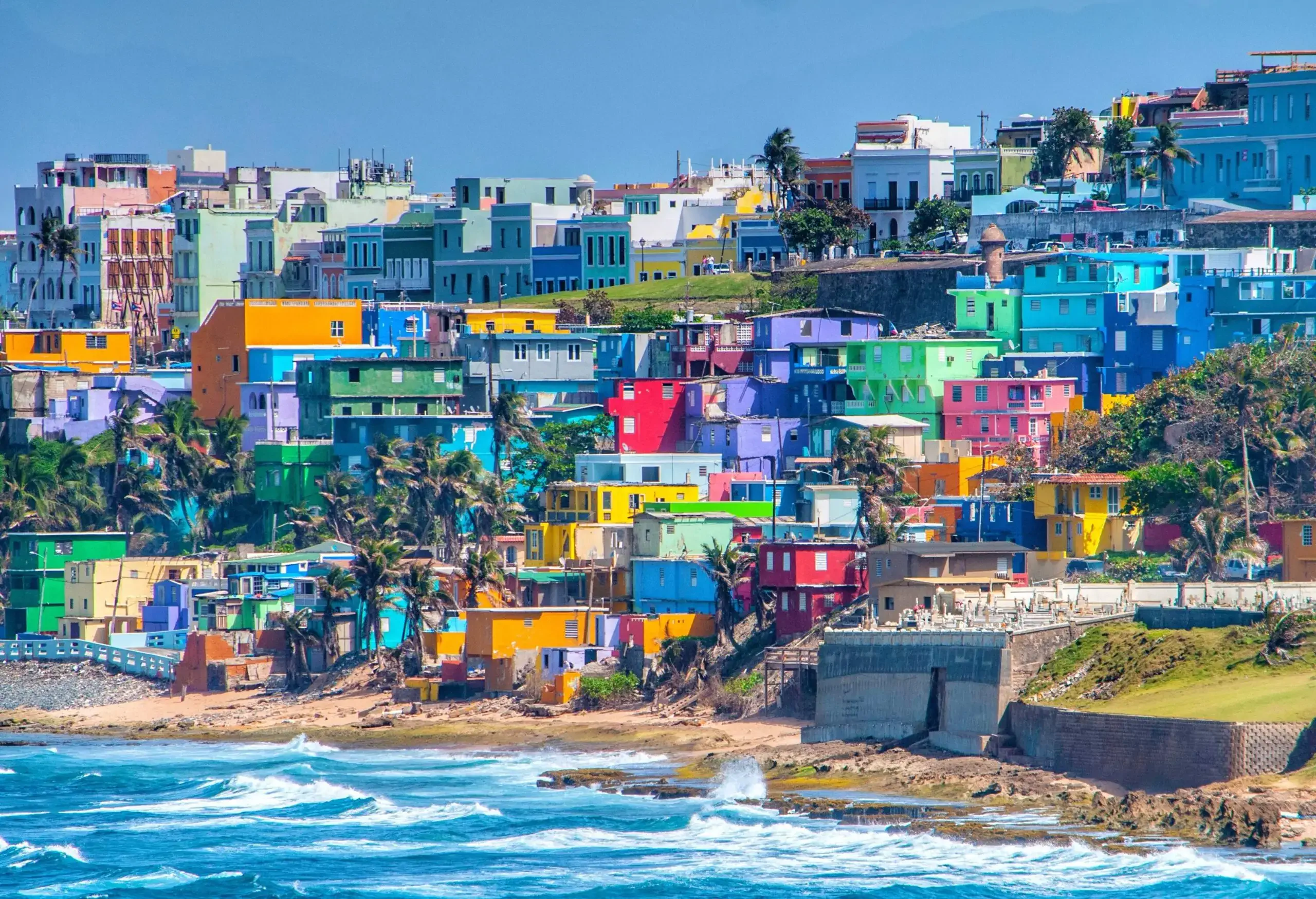
Puerto Rico’s diverse landscape means there’s an adventure around every corner. For history buffs, the colorful colonial architecture and ancient fortifications of Old San Juan are a must-see. Wander through cobblestone streets, admire the vibrant facades, and explore iconic landmarks like Castillo San Felipe del Morro and Castillo San Cristobal, which stand as testaments to centuries of Spanish colonial rule. These impressive fortresses offer panoramic ocean views and a captivating glimpse into the island’s strategic past.
Nature enthusiasts will be captivated by El Yunque National Forest, the only tropical rainforest in the U.S. National Forest System. Here, you can hike through lush trails, discover hidden waterfalls, and listen to the enchanting calls of the coquí frog. Beyond the rainforest, Puerto Rico is renowned for its stunning beaches. From the calm, crystal-clear waters of Flamenco Beach on the island of Culebra (often ranked among the world’s best) to the excellent surfing conditions in Rincon, there’s a perfect stretch of sand for everyone.
Perhaps one of Puerto Rico’s’s most magical natural phenomena are its bioluminescent bays. Mosquito Bay on Vieques is globally recognized as one of the brightest. Kayaking through these waters at night, watching the water glow with every paddle stroke, is an otherworldly experience that truly exemplifies the island’s unique offerings. Other notable natural attractions and activities include exploring limestone caves, snorkeling in vibrant coral reefs, and even zip-lining through the canopy.
Culinary Delights and Vibrant Culture
Puerto Rico’s culture is a rich fusion of Taíno, Spanish, and African influences, palpable in its music, art, and most notably, its food. A trip to Puerto Rico is an adventure for the taste buds. From savory mofongo (fried plantains mashed with garlic and pork cracklings) to succulent lechón (roast suckling pig), the local cuisine is a flavorful journey. Don’t miss sampling bacalaítos (codfish fritters), alcapurrias (fried root vegetable fritters), and a refreshing piragua (shaved ice) on a hot day. The island’s coffee culture is also robust, with many local plantations offering tours and tastings.
The rhythm of Puerto Rico is infectious. Salsa, bomba, and plena music fill the air, especially during festivals and lively evenings in cities like San Juan and Ponce. Engage with locals, who are known for their warmth and hospitality, and perhaps even try a few salsa steps. The annual San Sebastián Street Festival in Old San Juan is a prime example of the island’s celebratory spirit, drawing thousands with its parades, music, and craft stalls. Whether you’re interested in art, music, dance, or simply relaxing with a delicious cocktail and enjoying the vibrant atmosphere, Puerto Rico offers an immersive cultural experience.
Planning Your Puerto Rico Adventure: Accommodation and Travel Tips
Once you’ve decided to embark on your Puerto Rican journey, thoughtful planning will enhance your experience. This includes selecting the right accommodation and equipping yourself with essential travel tips for a seamless and enjoyable trip.
Finding Your Perfect Stay
Puerto Rico boasts a diverse range of accommodation options to suit every budget and travel style, from luxurious resorts to charming boutique hotels and budget-friendly guesthouses.
- Luxury Resorts: For those seeking an opulent escape, areas like Dorado, Condado, and Isla Verde in San Juan offer world-class resorts with stunning beachfront access, infinity pools, spas, and gourmet dining. Many provide comprehensive amenities, perfect for a pampered vacation or a relaxing honeymoon.
- Boutique Hotels and Guesthouses: Old San Juan is famous for its colorful colonial buildings repurposed into charming boutique hotels and guesthouses. These offer a more intimate experience, often with unique architectural details and personalized service, allowing you to truly immerse yourself in the historic ambiance.
- Vacation Rentals (Apartments, Villas, Condos): For families, groups, or those planning a longer stay, vacation rentals are an excellent choice. Platforms offer everything from cozy apartments in bustling cities to spacious villas with private pools in secluded areas like Rincon or near El Yunque. These often come with fully equipped kitchens, providing flexibility and a home-away-from-home feel.
- Budget-Friendly Options: Throughout the island, particularly in less tourist-heavy cities like Ponce and Mayaguez, you can find hostels, smaller hotels, and guesthouses that offer comfortable stays without breaking the bank.
When choosing your accommodation, consider its proximity to the attractions you wish to visit, the type of experience you desire (e.g., lively nightlife, serene beach escape, cultural immersion), and the amenities that are most important to you. Reading reviews, comparing prices, and booking in advance, especially during peak season (December to April), are always recommended.
Essential Travel Tips for a Smooth Trip
To ensure your Puerto Rico trip is as enjoyable and stress-free as possible, keep these practical travel tips in mind:
- Best Time to Visit: The dry season, from December to May, offers pleasant temperatures and lower humidity, making it ideal for outdoor activities and beach days. The summer and fall months (June to November) are hotter, more humid, and fall within hurricane season, so be sure to check weather forecasts if traveling during this period.
- Currency and Language: The official currency is the U.S. dollar (USD). Spanish and English are the official languages. While Spanish is more prevalent, especially outside of major tourist areas, English is widely spoken in hotels, attractions, and restaurants. Learning a few basic Spanish phrases, however, will always be appreciated by locals.
- Transportation: Renting a car is highly recommended if you plan to explore beyond San Juan. This provides the flexibility to discover hidden beaches, visit small towns, and explore the rainforest at your own pace. In San Juan, taxis and ride-sharing services are readily available. Public transportation is limited outside of the capital.
- Safety: Puerto Rico is generally safe for tourists, but like any destination, it’s wise to exercise common sense. Be aware of your surroundings, especially at night, and safeguard your valuables. Stick to well-lit areas and avoid isolated places.
- What to Pack: Pack light clothing suitable for a tropical climate, swimwear, sunscreen, insect repellent (especially for evening excursions to the rainforest or bioluminescent bays), comfortable walking shoes for exploring, and perhaps a light rain jacket for unexpected showers.
- Connectivity: U.S. mobile phone carriers typically offer service in Puerto Rico without roaming charges. Wi-Fi is widely available in hotels, cafes, and many public areas.
In conclusion, for U.S. citizens, visiting Puerto Rico is as straightforward as domestic travel within the mainland United States, requiring only a valid government-issued ID. For international travelers, standard U.S. entry requirements, including a passport and potentially a visa, apply. Regardless of your origin, Puerto Rico promises an enriching travel experience filled with stunning landscapes, a vibrant culture, and unforgettable memories. Start planning your escape to this captivating Caribbean gem today!
LifeOutOfTheBox is a participant in the Amazon Services LLC Associates Program, an affiliate advertising program designed to provide a means for sites to earn advertising fees by advertising and linking to Amazon.com. Amazon, the Amazon logo, AmazonSupply, and the AmazonSupply logo are trademarks of Amazon.com, Inc. or its affiliates. As an Amazon Associate we earn affiliate commissions from qualifying purchases.