
Absolutely! Colorado, often hailed as a winter wonderland, is renowned for its abundant snowfall, offering breathtaking landscapes and an unparalleled array of winter activities. From the majestic peaks of the Rocky Mountains to the charming ski towns and even the urban centers, snow is a defining characteristic of the Centennial State’s colder months. This comprehensive guide will delve into when, where, and how much snow you can expect, helping you plan the perfect snowy escape, whether you’re seeking adventurous slopes, serene winter beauty, or cozy fireside relaxation.
The Snowy Reality of Colorado: A Winter Wonderland
Colorado’s reputation as a premier snow destination is well-deserved, thanks to its unique geography and climate patterns. The state’s high elevation, particularly in the western half, ensures consistent and significant snowfall throughout the winter season. The dry, powdery snow, famously known as “Champagne Powder,” is highly sought after by skiers and snowboarders worldwide, contributing to exceptional conditions on the slopes. Beyond the adrenaline rush of winter sports, the snow transforms the diverse landscapes into a picturesque canvas, inviting exploration and offering myriad experiences that cater to every type of traveler.
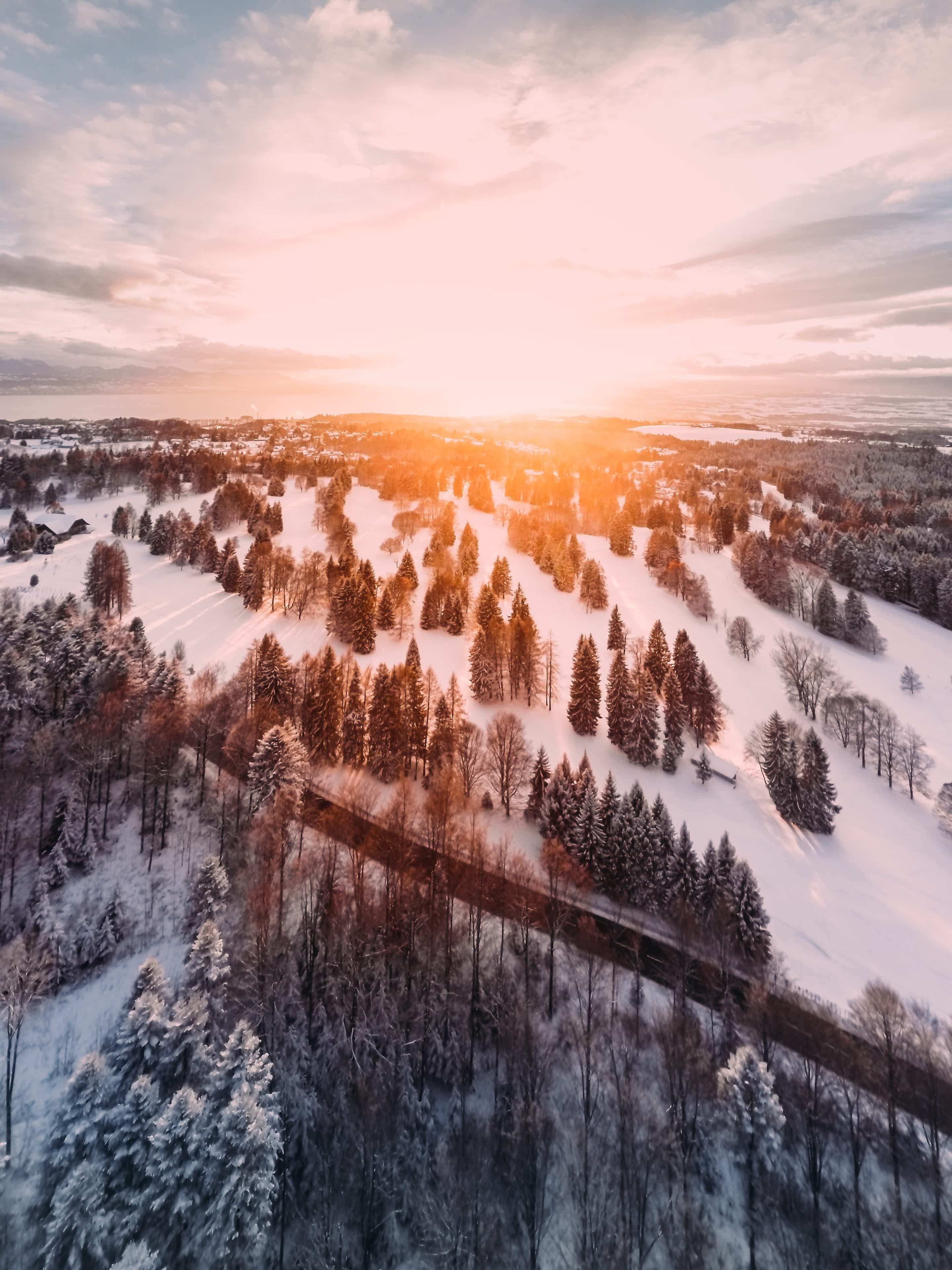
When Does Colorado Experience Snow?
Snowfall in Colorado is primarily a phenomenon of the late autumn, winter, and early spring months. While the exact timing and intensity can vary year to year and by elevation, here’s a general breakdown:
- October and November: The first significant snowfalls typically begin in the high country during October, often signaling the start of the ski season preparations. By November, many ski resorts aim to open, and the mountains are reliably covered. Even lower elevations and the Front Range cities like Denver and Boulder may see their first dustings, sometimes even accumulating snow.
- December to February: This period represents the peak of Colorado’s snow season. The mountains receive consistent heavy snowfall, creating ideal conditions for winter sports. Snow depths can reach several feet, especially at higher elevations, and snow-covered landscapes become the norm across much of the state. This is when the state truly lives up to its “winter wonderland” moniker, with frequent snowstorms sweeping through.
- March and April: These months often bring some of the deepest snowpacks of the season, with late-season storms contributing significantly to accumulation. Many ski resorts remain open well into April, and sometimes even into May or June in higher terrain, enjoying soft spring skiing conditions. While warmer temperatures start to melt snow at lower elevations, the high country remains blanketed.
- May to September: Snow is much less common during these warmer months, though isolated pockets of snow can persist year-round in the highest peaks of the Rocky Mountains. A surprise late-spring or early-autumn snowfall isn’t unheard of, especially at very high altitudes, but it’s generally not sustained.
Regional Variations in Snowfall
The amount and consistency of snow in Colorado vary dramatically depending on the region. The state’s diverse topography, ranging from high-alpine peaks to plains, dictates these differences:
- The High Rocky Mountains (Western and Central Colorado): This is where the lion’s share of Colorado’s legendary snow falls. Areas like Aspen, Vail, Breckenridge, and Telluride can receive hundreds of inches of snow annually. The elevation is key here, with many ski areas situated above 9,000 feet, ensuring cold temperatures and ample precipitation in the form of snow. Snowpack in these regions can linger for months, supporting extended ski seasons and vibrant winter tourism.
- The Front Range and Foothills (Denver, Boulder, Colorado Springs): While these areas experience snow, it’s typically less frequent and melts faster than in the mountains. Cities like Denver average around 60 inches of snow per year, but mild, sunny periods (often called “pineapple expresses”) can quickly clear the snow, sometimes just a day or two after a significant storm. Snow often accumulates more heavily in the foothills directly west of these cities, providing a beautiful backdrop.
- The Western Slope (e.g., Grand Junction): This region, particularly the lower valleys, receives less snow than the high mountains. Grand Junction, for instance, experiences a milder climate with less annual snowfall, closer to desert conditions. However, the mountains surrounding these valleys, such as the Grand Mesa, still receive significant snow.
- The Eastern Plains: Colorado’s eastern plains, flat and often wind-swept, receive the least amount of snow. While they do experience winter storms, the accumulation is generally lower, and the snow tends to melt more quickly due to drier conditions and occasional warm fronts.
Top Destinations for Snow Enthusiasts
For those yearning to experience Colorado’s snow, numerous destinations offer unique charm and a wealth of activities. From world-class ski resorts to vibrant cities with a snowy appeal, the options are plentiful.
Iconic Ski Resorts and Their Charm
Colorado is home to some of the most famous and luxurious ski resorts in the world, each with its own distinct character, attracting diverse groups of travelers from families to extreme sports enthusiasts.
- Aspen: Synonymous with luxury and elite skiing, Aspen offers four distinct ski mountains—Aspen Mountain, Snowmass, Aspen Highlands, and Buttermilk—catering to all skill levels. Beyond the slopes, Aspen boasts high-end dining, designer boutiques, and a vibrant cultural scene. Accommodation ranges from opulent suites in hotels like The Little Nell to charming private villas, offering unparalleled amenities and services.
- Vail: Vail is one of North America’s largest ski resorts, famous for its expansive Back Bowls and European-style village. It’s a paradise for advanced skiers but also offers plenty for intermediates and beginners. The pedestrian village is dotted with luxury hotels, such as The Lodge at Vail and Four Seasons Resort and Residences Vail, exquisite restaurants, and après-ski entertainment, making it a complete destination for a lavish winter holiday.
- Breckenridge: This historic mining town turned ski mecca combines world-class skiing with a charming, authentic Victorian main street. Breckenridge is known for its high-alpine terrain, extensive beginner and intermediate runs, and vibrant atmosphere. The town offers a variety of accommodation, from cozy B&Bs to modern ski-in/ski-out resorts and apartments, alongside unique local culture, bustling shops, and diverse dining options.
- Steamboat Springs: Located in northern Colorado, Steamboat Springs is famous for its “Champagne Powder” snow and deep-rooted Western heritage. It’s a family-friendly resort with diverse terrain, excellent ski schools, and natural hot springs for post-slope relaxation. Hotels here often blend rustic charm with modern comfort, and the town provides a genuine Colorado experience away from some of the more overtly luxurious resorts.
- Telluride: Nestled deep in the San Juan Mountains, Telluride is a stunningly beautiful resort known for its challenging terrain, picturesque box canyon setting, and unpretentious vibe. It’s accessible by a free gondola connecting the historic town with Mountain Village, offering a unique blend of adventure and sophistication. Luxury villas and boutique hotels provide exclusive stays in this remote paradise.
- Other Notable Resorts: Don’t forget Keystone (great for families and night skiing), Winter Park (diverse terrain and a friendly atmosphere), Copper Mountain (naturally divided terrain for easy navigation), and Crested Butte (a charming, authentic town with a big mountain feel). For those looking further south, Purgatory Resort near Durango also offers excellent snow and a family-friendly environment.
Exploring Snow in the Cities
Even Colorado’s major cities offer a taste of winter magic, often serving as convenient gateways to mountain adventures while providing their own unique snowy attractions.
- Denver: The Mile High City experiences regular snowfall, transforming its parks and streets into a beautiful winter scene. While skiing isn’t directly within city limits, Denver is a hub for accessing dozens of ski resorts, often just a short drive away. In the city, visitors can enjoy ice skating at Skyline Park, explore snow-dusted botanic gardens, or enjoy the vibrant arts scene and diverse culinary offerings, perhaps staying at a downtown hotel like the Grand Hyatt Denver or The Ritz-Carlton, Denver.
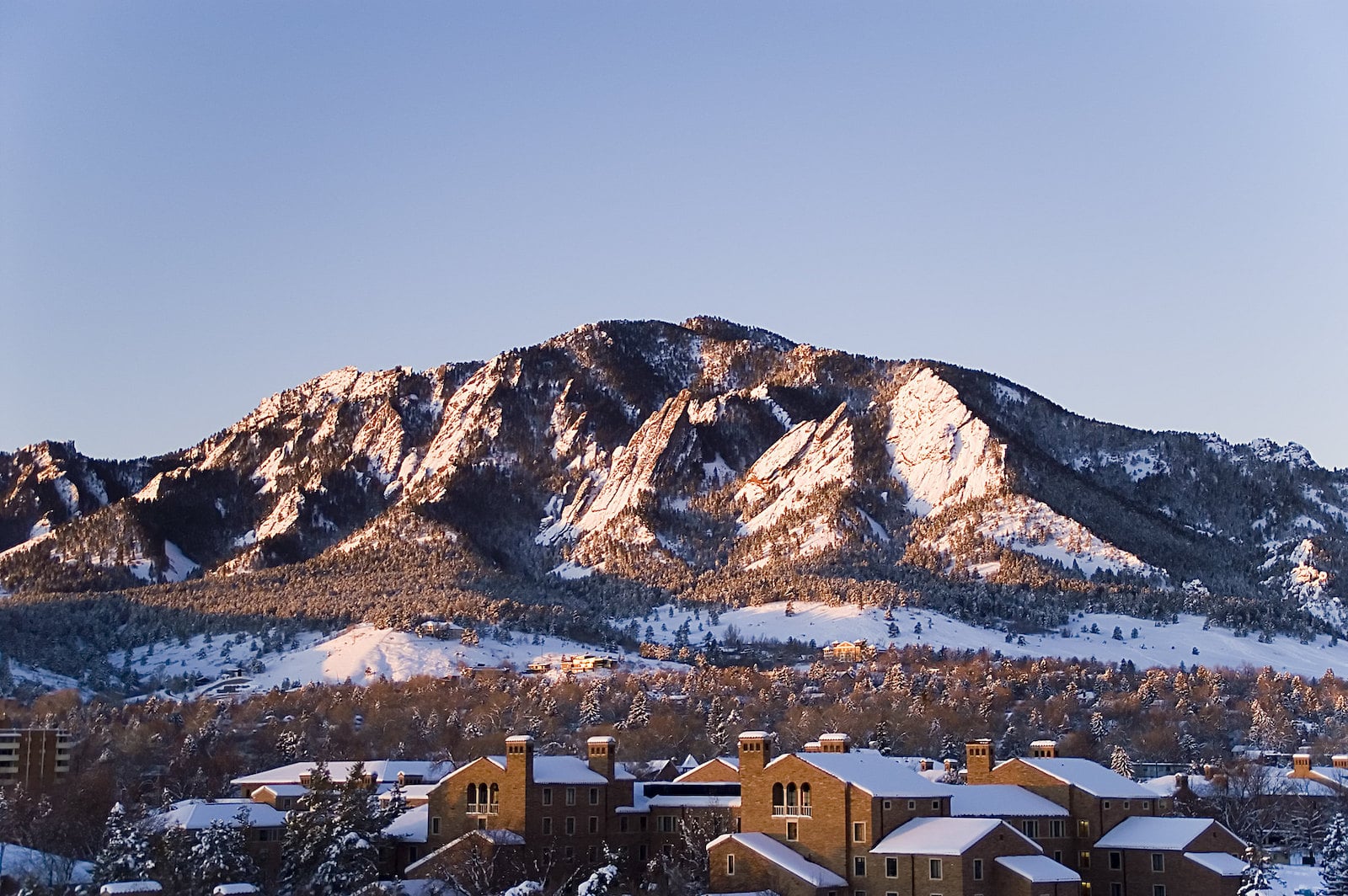
- Boulder: Nestled at the base of the Flatirons, Boulder offers a picturesque snowy landscape with incredible access to both urban amenities and mountain trails. Snowshoeing or cross-country skiing in nearby Eldora Mountain Resort or within Rocky Mountain National Park is popular, while the city’s Pearl Street Mall remains a lively center for shopping and dining, even under a blanket of snow.
- Colorado Springs: While less prone to heavy snow than Denver, Colorado Springs still experiences beautiful snowfalls, especially against the backdrop of Pikes Peak and the unique formations of Garden of the Gods Park. Winter brings a serene beauty to these natural landmarks, offering opportunities for peaceful snowy walks and photography.
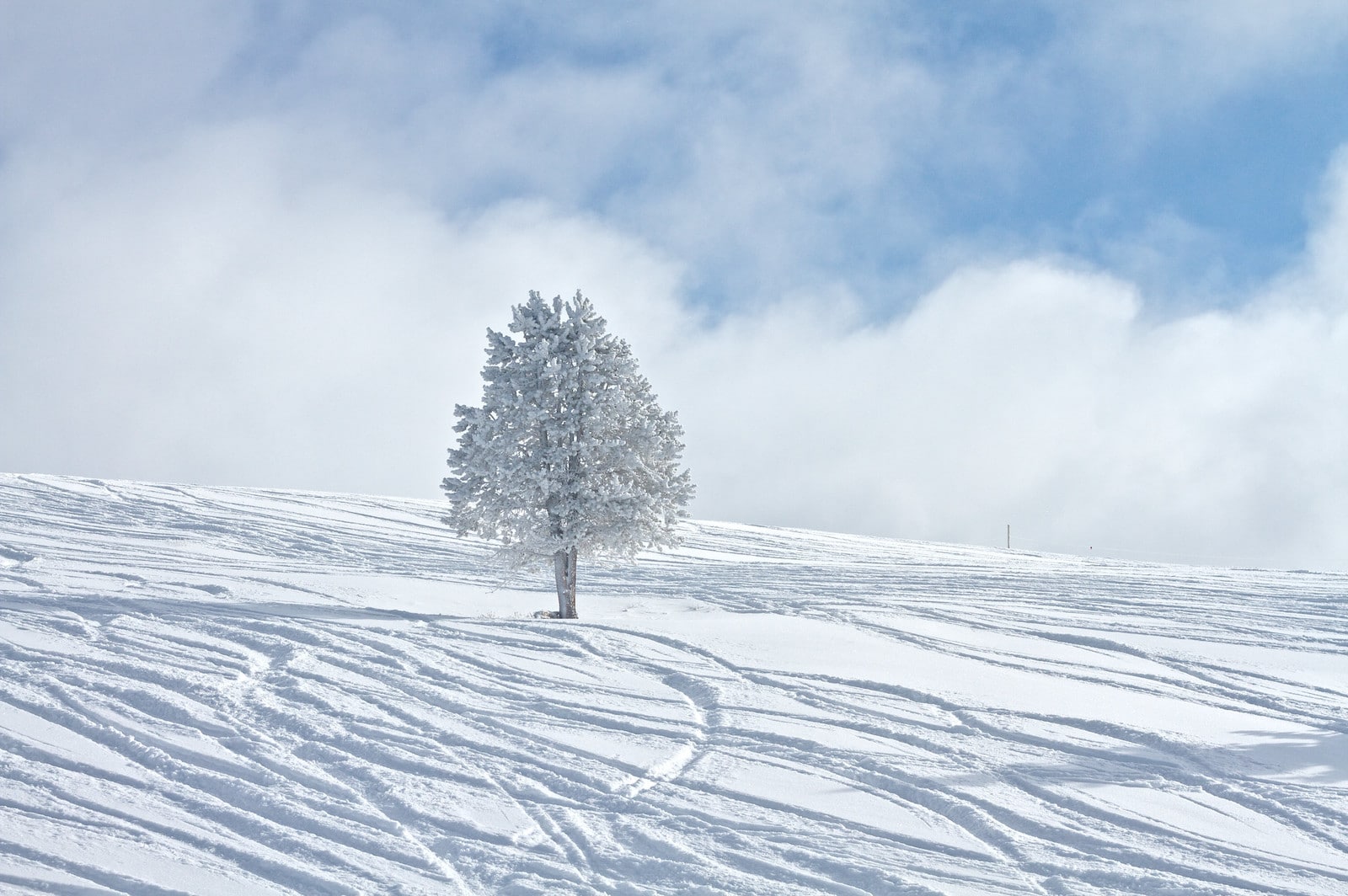
Planning Your Snowy Colorado Getaway
A successful winter trip to Colorado requires careful planning, especially regarding accommodation, activities, and essential travel tips.
Choosing the Right Accommodation
Your choice of accommodation can significantly enhance your snowy Colorado experience. From luxurious resorts to cozy cabins, options abound.
- Ski-in/Ski-out Resorts: For ultimate convenience on the slopes, consider resorts offering direct access to the ski runs. Many hotels and condos in destinations like Vail, Breckenridge, and Snowmass feature this sought-after amenity, often complete with ski valets, equipment rentals, and hot tubs perfect for unwinding after a day on the mountain. Properties like The Sebastian Vail or One Snowmass are prime examples.
- Boutique Hotels and Inns: In towns like Aspen and Telluride, charming boutique hotels offer a more personalized and intimate stay, often reflecting the local culture and history. These can provide a cozy retreat with bespoke services and unique character.
- Vacation Rentals and Cabins: For families or larger groups, renting a private cabin or a spacious vacation home can be a cost-effective and comfortable option, particularly for longer stays. Websites dedicated to accommodation comparison and booking offer numerous listings, often with amenities like private hot tubs, fully equipped kitchens, and fireplaces, ideal for a long-term stay.
- Budget-Friendly Options: While Colorado’s ski towns can be pricey, budget travel options exist, especially during off-peak times or by staying a bit further from the main slopes. Many towns offer more affordable hotels, apartments, or hostels, and booking in advance can yield better rates.
Essential Winter Activities Beyond Skiing
While skiing and snowboarding are primary draws, Colorado’s snowy landscape offers a wealth of other thrilling and serene activities:
- Snowshoeing and Cross-Country Skiing: Explore tranquil winter trails in destinations like Rocky Mountain National Park, Eldora Mountain Resort, or state parks. These activities offer a fantastic way to experience the quiet beauty of a snow-covered forest.
- Snowmobiling: For an adrenaline rush, guided snowmobiling tours are available at various locations, offering an exhilarating way to cover vast snowy landscapes and access breathtaking viewpoints. Popular spots include areas near Winter Park and Steamboat Springs.
- Ice Skating: Many towns and resorts feature outdoor ice skating rinks, providing a classic winter pastime for all ages.
- Sleigh Rides: Experience a magical winter evening with a horse-drawn sleigh ride through snowy meadows, often culminating in a cozy dinner. This is a popular family activity in places like Breckenridge and Keystone.
- Hot Springs: After a day in the cold, nothing beats soaking in Colorado’s natural hot springs. Destinations like Glenwood Hot Springs Resort, Strawberry Park Hot Springs near Steamboat Springs, or Ouray Hot Springs Pool offer relaxing and therapeutic experiences amidst stunning snowy backdrops.
- Dog Sledding: For a truly unique experience, consider a dog sledding adventure, available in several mountain towns.
Travel Tips for a Seamless Snow Trip
To make your snowy Colorado adventure as enjoyable as possible, keep these tips in mind:
- Book in Advance: Winter is peak season, especially for popular destinations and holidays. Book flights, hotels, and lift tickets well in advance to secure the best rates and availability.
- Rent a 4WD/AWD Vehicle: Road conditions can be challenging with snow and ice. A vehicle with four-wheel drive or all-wheel drive is highly recommended, especially if you plan to travel to mountain areas. Always check road conditions before departing (e.g., Colorado Department of Transportation (CDOT)).
- Dress in Layers: Colorado’s weather can change rapidly. Layering your clothing allows you to adapt to varying temperatures, from brisk mornings to warmer afternoons. Waterproof outer layers are essential.
- Stay Hydrated and Acclimatize: High altitudes can cause dehydration and altitude sickness. Drink plenty of water and take it easy on your first day or two, especially if coming from sea level.
- Sun Protection: Even on cloudy days, the sun’s rays are much stronger at altitude and reflect off the snow. Wear sunscreen, sunglasses, and lip balm with SPF.
- Learn About Après-Ski Culture: The post-skiing scene is a vibrant part of Colorado’s winter culture. Enjoy a drink, live music, and good food at a local bar or restaurant after a day on the slopes.
Lifestyle and Luxury in Colorado’s Snow Scene
Colorado’s winter tourism caters to a wide range of lifestyles, from the budget-conscious adventurer to those seeking the pinnacle of luxury travel. The state seamlessly blends rugged outdoor pursuits with sophisticated amenities.
Indulging in Après-Ski and Fine Dining
The après-ski scene in Colorado’s mountain towns is legendary. From bustling pubs with live music to elegant lounges offering craft cocktails and gourmet appetizers, there’s an option for every preference. Towns like Aspen and Vail are particularly known for their high-end dining experiences, featuring world-renowned chefs and exquisite menus. Imagine savoring a truffle pasta or perfectly seared steak, paired with a fine wine, all while overlooking snow-capped peaks. Many luxury hotels and resorts offer exclusive dining rooms and bars, providing an ambiance of refined relaxation. This focus on local culture, food, and activities makes Colorado a top tourism destination.
Family-Friendly Snow Adventures
Colorado is also an exceptional destination for family trips. Many resorts offer dedicated children’s ski schools, gentle slopes, and a host of family-friendly activities like tubing, ice skating, and sleigh rides. Accommodation options often include spacious suites, apartments, or villas with multiple bedrooms, ensuring comfort for the entire family. Resorts like Keystone are specifically designed with families in mind, providing extensive kids’ programs and activities that ensure memorable experiences for all ages, promoting a wholesome family lifestyle.
In conclusion, the answer to “Does it snow in Colorado?” is an emphatic yes. The state truly transforms into a magnificent snowy playground during the winter months, offering unparalleled opportunities for adventure, relaxation, and luxurious indulgence. Whether you’re carving down powdery slopes, exploring serene snowshoe trails, or simply enjoying the cozy ambiance of a mountain town, Colorado promises an unforgettable winter experience tailored to any lifestyle. Prepare for cold temperatures, abundant sunshine, and breathtaking snowy vistas that will make you fall in love with this incredible destination.
LifeOutOfTheBox is a participant in the Amazon Services LLC Associates Program, an affiliate advertising program designed to provide a means for sites to earn advertising fees by advertising and linking to Amazon.com. Amazon, the Amazon logo, AmazonSupply, and the AmazonSupply logo are trademarks of Amazon.com, Inc. or its affiliates. As an Amazon Associate we earn affiliate commissions from qualifying purchases.