
The magnificent Maine Coon, often hailed as the “gentle giant” of the feline world, is renowned for its impressive size, amiable disposition, and, perhaps most notably, its luxurious, shaggy coat. For prospective owners, current enthusiasts, and admirers alike, a common and pertinent question arises: Do Maine Coons shed? This query touches upon the practicalities of pet ownership, from household maintenance to understanding the unique grooming needs of these beloved cats. While the answer is not a simple yes or no, delving into the nuances of Maine Coon shedding reveals a fascinating interplay of genetics, seasonality, and care that impacts the amount of fur you might find gracing your furniture.
The Nature of [Maine Coon](https://lifeoutofthebox.com/maine- coon) Fur: A Triple-Layered Wonder
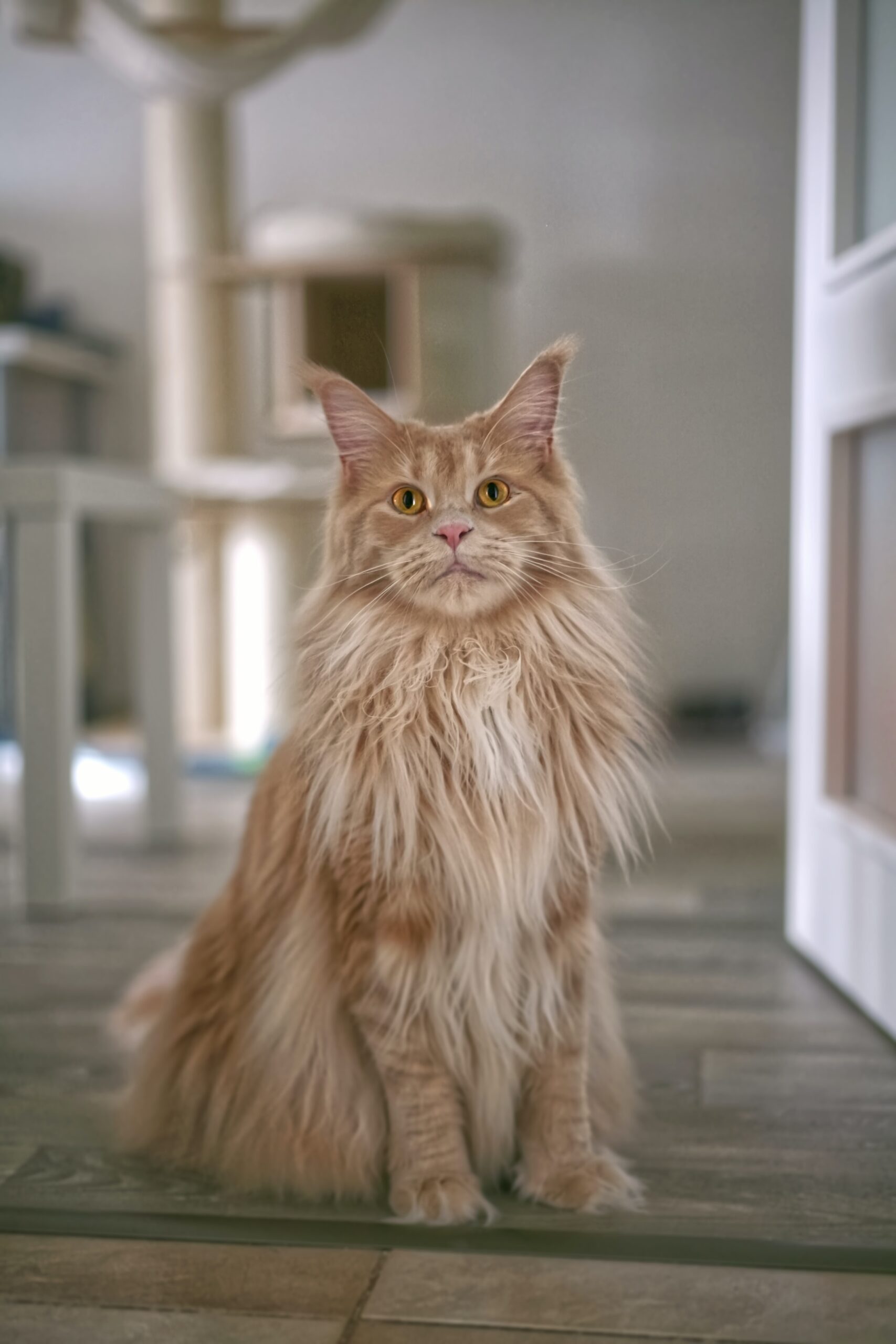
Understanding why [Maine Coons](https://lifeoutofthebox.com/maine- coon) shed, or more accurately, how they manage their abundant coats, begins with appreciating their natural adaptation. Originating from the harsh climates of Maine, these cats evolved a dense, water-repellent coat designed to provide insulation against frigid winters and protection from the elements. This formidable fur is not a single layer but a complex, triple-layered system, each component playing a vital role:
The Guard Hairs: The First Line of Defense
The outermost layer consists of long, coarse guard hairs. These are the most visible and substantial hairs, giving the [Maine Coon](https://lifeoutofthebox.com/maine- coon) its characteristic shaggy appearance. Guard hairs are crucial for protecting the softer undercoat from moisture, dirt, and physical damage. They are also the hairs most likely to be shed individually throughout the year as they reach the end of their growth cycle. While these hairs are robust, they do fall out naturally to make way for new growth, contributing to the overall shedding process.
The Undercoat: The Insulating Blanket
Beneath the guard hairs lies a dense, soft, and fluffy undercoat. This layer is the primary insulator, trapping body heat and keeping the cat warm. The undercoat is significantly softer and finer than the guard hairs. It is also the layer that sheds most dramatically during seasonal changes. This undercoat is thicker in the winter months, providing maximum warmth, and then thins out considerably in the warmer spring and summer to prevent overheating. This seasonal shedding, often referred to as “blowing coat,” is a significant factor in the perception of [Maine Coon](https://lifeoutofthebox.com/maine- coon) shedding.
The Sub-Guard Layer: A Protective Cushion
Some descriptions of [Maine Coon](https://lifeoutofthebox.com/maine- coon) fur also include a sub-guard layer, which is essentially a shorter, softer layer of fur situated between the guard hairs and the main undercoat. This layer adds an extra dimension of softness and helps to further insulate the cat, contributing to the overall plushness of their coat. Like the undercoat, this layer also participates in seasonal shedding.
Shedding Patterns: Seasonal Changes and Individual Variation
When asking “Do [Maine Coons](https://lifeoutofthebox.com/maine- coon) shed?”, it’s essential to consider that shedding is a natural biological process for most cats, and [Maine Coons](https://lifeoutofthebox.com/maine- coon) are no exception. However, the intensity and timing of their shedding can vary.
Seasonal Shedding (Blowing Coat)
The most noticeable shedding occurs in the spring and fall. As temperatures rise in spring, [Maine Coons](https://lifeoutofthebox.com/maine- coon) will shed their thick winter undercoat to adapt to the warmer weather. This process can result in a significant amount of loose fur, and owners often describe their cats as “blowing coat” during this period. Similarly, as the seasons transition to cooler temperatures in the fall, they will begin to grow in their denser winter coat, which can also involve a period of shedding as old hairs are replaced. This seasonal shedding is a direct evolutionary response to maintain optimal body temperature.
Year-Round Shedding
While the major shedding events are seasonal, [Maine Coons](https://lifeoutofthebox.com/maine- coon) also shed a smaller amount of fur year-round. This is a continuous process where individual hairs reach the end of their life cycle and are replaced by new growth. This constant, lower-level shedding is typical for most cats and contributes to the presence of loose fur in the environment, even outside of the peak shedding seasons.
Factors Influencing Shedding
Several factors can influence the amount of shedding a [Maine Coon](https://lifeoutofthebox.com/maine- coon) experiences:
- Genetics: Individual genetic makeup plays a significant role. Some [Maine Coons](https://lifeoutofthebox.com/maine- coon) may naturally have a slightly less dense coat or shed less intensely than others within the breed.
- Diet and Health: A balanced, high-quality diet rich in essential fatty acids is crucial for healthy skin and coat. Poor nutrition can lead to a duller coat and increased shedding. Similarly, underlying health issues, such as allergies, parasites, or hormonal imbalances, can affect shedding patterns. A healthy cat with a well-maintained coat will shed more predictably.
- Environment: Indoor cats may experience less dramatic seasonal shedding compared to outdoor cats, as their environment is more temperature-controlled. However, artificial heating and air conditioning can sometimes disrupt natural shedding cycles.
- Grooming: Regular grooming is not only beneficial for managing shedding but also for the cat’s overall well-being.
Managing [Maine Coon](https://lifeoutofthebox.com/maine- coon) Shedding: A Guide for Owners
While [Maine Coons](https://lifeoutofthebox.com/maine- coon) are indeed shedders, particularly during their seasonal coat changes, this does not mean that living with one necessitates a life constantly entombed in fur. With proactive and consistent grooming, owners can significantly manage shedding and maintain a comfortable living environment.
The Importance of Regular Brushing
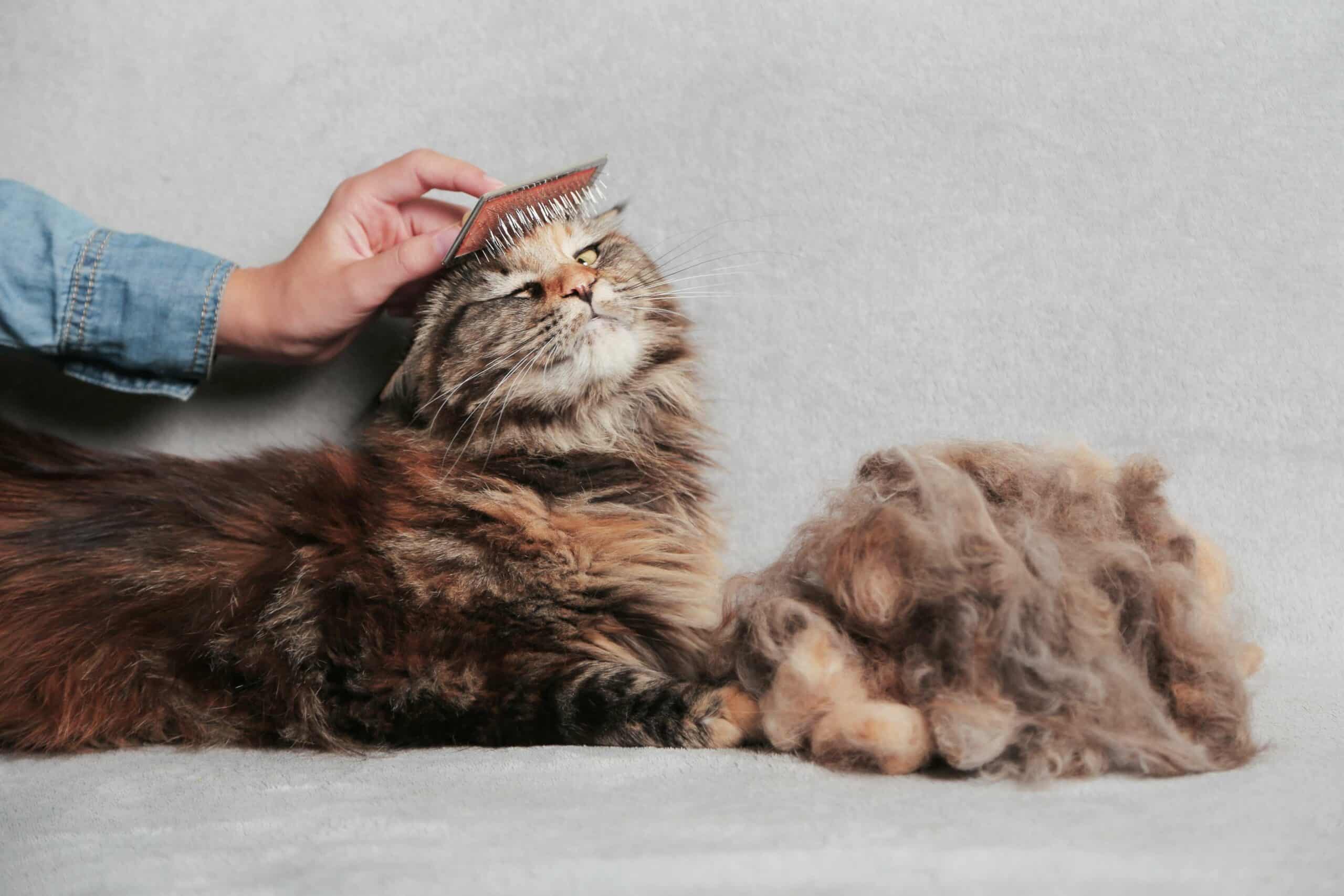
Consistent grooming is the cornerstone of managing [Maine Coon](https://lifeoutofthebox.com/maine- coon) shedding. Ideally, brushing should occur several times a week, and daily brushing is highly recommended during peak shedding seasons.
Tools of the Trade: Selecting the Right Brushes
Choosing the correct grooming tools is paramount to effectively remove loose fur without causing discomfort to your cat. For the thick, double coat of a [Maine Coon](https://lifeoutofthebox.com/maine- coon), a combination of tools is often most effective:
- Undercoat Rake or Deshedding Tool: These tools are designed to reach through the longer guard hairs and gently pull out the loose undercoat. Look for tools with widely spaced, long teeth that won’t snag the fur. Brands like Furminator or similar designs are popular, but it’s essential to use them gently and avoid excessive pressure.
- Slicker Brush: A slicker brush with fine, short wires is excellent for removing tangles and loose fur from the top layers of the coat. It helps to smooth out the fur and remove any surface shedding.
- Metal Comb: A wide-toothed metal comb can be used to detangle any knots and to ensure that all loose undercoat has been removed after using the rake or deshedding tool.
- Bristle Brush: For finishing, a soft bristle brush can help to distribute natural oils, giving the coat a healthy sheen and removing any remaining loose hairs.
Brushing Techniques for Success
When brushing your [Maine Coon](https://lifeoutofthebox.com/maine- coon), approach the task with patience and positive reinforcement.
- Start Gently: Begin by gently brushing the areas your cat finds most comfortable, such as the back and sides.
- Work in Sections: Gradually work your way through the coat, section by section, brushing in the direction of hair growth.
- Address Mats and Tangles: Pay special attention to areas prone to matting, such as under the arms, behind the ears, and the britches (the long fur on the hind legs). If you encounter a tangle, try to gently tease it apart with your fingers or a wide-toothed comb before using a brush. Never pull hard on a knot.
- Be Mindful of Sensitive Areas: The belly and tail can be sensitive areas for some cats. Introduce brushing these areas gradually.
- Make it a Positive Experience: Offer praise, gentle petting, and occasional treats to associate brushing with positive experiences. Keep grooming sessions short and enjoyable, especially in the beginning.
Diet and Hydration: Fueling a Healthy Coat
A cat’s diet directly impacts the health and condition of its coat, and consequently, its shedding.
- High-Quality Protein: Ensure your [Maine Coon](https://lifeoutofthebox.com/maine- coon) is fed a high-quality food rich in animal-based protein. Protein is the building block of hair.
- Omega-3 and Omega-6 Fatty Acids: These essential fatty acids are vital for healthy skin and a lustrous coat. Many premium cat foods contain added omega fatty acids, or you can supplement with fish oil specifically formulated for cats.
- Adequate Hydration: Proper hydration is crucial for overall health, including skin and coat vitality. Ensure your cat has constant access to fresh, clean water. Some cats prefer drinking from a cat water fountain as the running water can be more appealing.
Professional Grooming and Baths
While regular brushing is essential, professional grooming can offer additional benefits, especially during peak shedding seasons. Professional groomers have access to specialized tools and techniques that can be highly effective for de-shedding large amounts of undercoat.
Bathing a [Maine Coon](https://lifeoutthrown.com/maine- coon) is generally not a frequent necessity, as they are meticulous self-groomers. However, an occasional bath can help to loosen and remove significant amounts of dead fur, especially during heavy shedding periods. Use a cat-specific shampoo and conditioner designed to detangle and moisturize their dense fur. Ensure you rinse thoroughly and dry your cat completely to prevent skin issues. Introducing baths gradually and positively from a young age can make this process easier for both you and your cat.
Are [Maine Coons](https://lifeoutofthebox.com/maine- coon) Hypoallergenic? Dispelling Myths
A frequent question that accompanies discussions about shedding is whether [Maine Coons](https://lifeoutofthebox.com/maine- coon) are hypoallergenic. The short answer is no, and it’s important to understand why.
Hypoallergenic refers to something that is less likely to cause an allergic reaction. Cat allergies are typically not caused by the fur itself, but rather by a protein called Fel d 1, found in a cat’s saliva, urine, and dander (dead skin cells). When a cat grooms itself, this protein is spread throughout its coat. As the fur sheds, the dander containing the allergen is released into the environment.
Given the sheer volume of fur a [Maine Coon](https://lifeoutofthebox.com/maine- coon) possesses, and their propensity to shed, they are not considered hypoallergenic. In fact, their substantial coat means they can potentially carry and distribute more allergens than short-haired breeds. Individuals with severe cat allergies should be cautious and spend time with a [Maine Coon](https://lifeoutofthebox.com/maine- coon) before committing to ownership to gauge their reaction.
Conclusion: Embracing the Furry Majesty
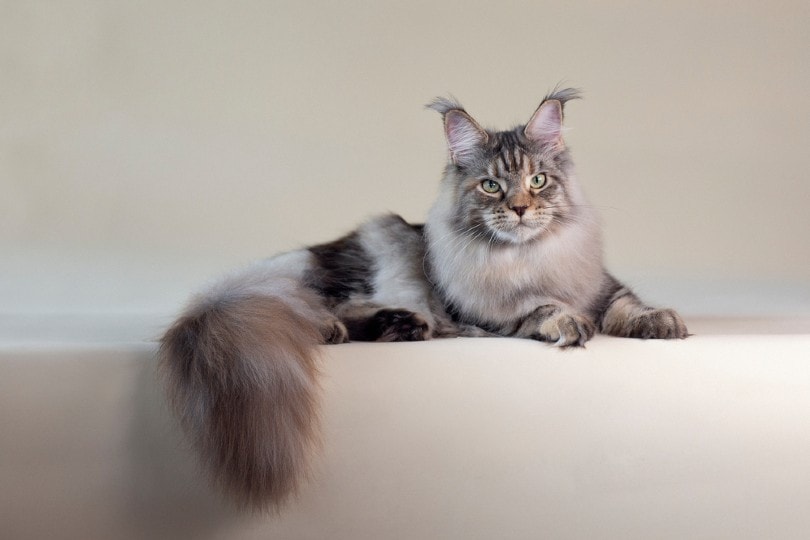
So, do [Maine Coons](https://lifeoutthrown.com/maine- coon) shed? Yes, they do, and quite significantly at certain times of the year. Their luxurious, triple-layered coat, a testament to their heritage and adaptation, naturally undergoes seasonal shedding cycles. However, this shedding is manageable with consistent, appropriate grooming, a balanced diet, and attentive care. Understanding the biology behind their magnificent fur allows owners to better prepare for, and embrace, the shedding process. Far from being a deterrent, the shedding is an integral part of owning one of the most majestic and beloved cat breeds, a small price to pay for the companionship of these gentle giants. By dedicating time to grooming, you not only manage shedding but also strengthen the bond with your [Maine Coon](https://lifeoutofthebox.com/maine- coon), ensuring their coat remains healthy, beautiful, and a source of joy, not just a topic of shedding concerns.
LifeOutOfTheBox is a participant in the Amazon Services LLC Associates Program, an affiliate advertising program designed to provide a means for sites to earn advertising fees by advertising and linking to Amazon.com. Amazon, the Amazon logo, AmazonSupply, and the AmazonSupply logo are trademarks of Amazon.com, Inc. or its affiliates. As an Amazon Associate we earn affiliate commissions from qualifying purchases.