
Florida stands as a beacon for global tourism, attracting millions with its sun-drenched beaches, vibrant cities, and world-class attractions. From the magical theme parks of Orlando to the Art Deco allure of Miami Beach, the Sunshine State’s appeal is undeniable. However, this paradise, particularly its densely populated metropolitan areas, faces an increasingly urgent threat: climate change. Rising sea levels, more intense hurricanes, and extreme heat events pose significant risks to the very infrastructure, natural beauty, and economic stability that underpin Florida’s colossal tourism industry. The critical question for visitors and industry stakeholders alike is: are Florida’s metropolitan areas prepared? Do they have robust climate adaptation plans in place to safeguard their tourism future?
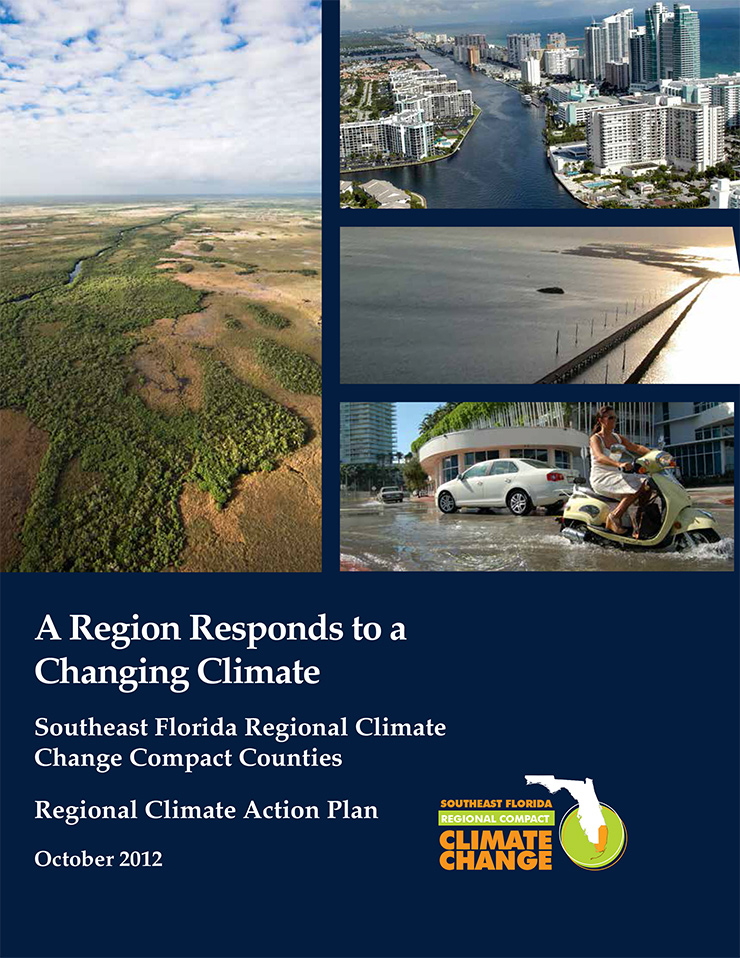
The answer, while complex, is generally yes, with varying degrees of progress and sophistication across different regions. Many of Florida’s’s major urban centers, acutely aware of their vulnerability and the economic imperative to protect their tourism assets, have embarked on comprehensive planning efforts. These plans are not merely environmental initiatives; they are strategic investments in the long-term viability and attractiveness of Florida as a premier tourist destination. By proactively addressing climate impacts, these metropolitan areas aim to ensure that their beaches remain pristine, their attractions accessible, and their local culture preserved for generations of visitors to come.
The Imperative for Resilience in Florida’s Tourism Hotspots
Florida’s’s unique geography—a low-lying peninsula surrounded by water—makes it exceptionally susceptible to the effects of climate change. For an economy so heavily reliant on tourism, ignoring these threats is not an option. The potential impacts on visitor experience, safety, and the long-term appeal of destinations are profound, necessitating urgent and comprehensive adaptation strategies.
Protecting Coastal Attractions and Beaches
The vast majority of Florida’s’s most iconic tourist destinations are coastal. Think of the pristine sands of Sarasota, the bustling boardwalks of Fort Lauderdale, or the vibrant nightlife of Miami Beach. These coastal assets are directly threatened by rising sea levels, increased erosion, and more frequent storm surges. Without adaptation, critical tourism infrastructure—hotels, restaurants, boardwalks, and even entire neighborhoods—could be inundated or severely damaged.
Climate adaptation plans in these areas focus on a multi-pronged approach. This includes beach nourishment programs, which replenish eroded sands to maintain their recreational appeal and provide a natural buffer against storms. It also involves the construction of sea walls, living shorelines, and elevated roads to protect vital access points and commercial districts. For tourists, these efforts translate into a guarantee that the picture-postcard beaches they anticipate will still be there, accessible and enjoyable, minimizing disruption to their travel plans and maximizing their vacation experience. Safeguarding these natural attractions ensures that the core reason many visit Florida—its stunning coastline—remains a viable and attractive draw.
Safeguarding Inland Tourism Infrastructure and Visitor Safety
While coastal areas face direct threats from rising waters, inland metropolitan areas are not immune. Orlando, the theme park capital of the world, for instance, experiences increasing risks from extreme heat, heavy rainfall, and the intensifying winds associated with hurricanes. These events can significantly impact visitor comfort, operational continuity for attractions, and overall safety.
Adaptation plans for inland tourism hubs often focus on stormwater management to prevent flooding of streets and attractions, which can disrupt transportation and cause closures. Investing in resilient power grids is crucial to ensure theme parks, hotels, and convention centers can maintain operations during and after severe weather, minimizing cancellations and ensuring visitor comfort. Furthermore, urban heat island effects, exacerbated by climate change, are being addressed through increased green spaces, tree canopy expansion, and the use of reflective materials in urban development, all of which contribute to a more pleasant environment for tourists exploring the cities. These measures are designed to ensure that visitors can enjoy Florida’s’s world-class attractions year-round, without undue concern for extreme weather impacts, thereby preserving the state’s reputation as a reliable and enjoyable vacation destination.
Florida’s Proactive Steps: A Look at Metropolitan Adaptation Strategies
Confronting the climate crisis requires more than just awareness; it demands decisive action and strategic planning. Many of Florida’s’s metropolitan areas have moved beyond discussion to implement concrete adaptation strategies, understanding that the future of their local economies, particularly tourism, hinges on their resilience.
Pioneering Efforts in Major Tourist Hubs
Cities like Miami, St. Petersburg, and Tampa are at the forefront of climate adaptation planning. Miami, often cited as ground zero for sea-level rise impacts, has invested hundreds of millions in projects such as elevating roads, installing massive pumps to manage stormwater, and upgrading its wastewater infrastructure. These initiatives directly benefit tourism by ensuring continued access to downtown attractions, arts districts, and waterfront dining experiences, even during heavy rain events that historically caused significant flooding.
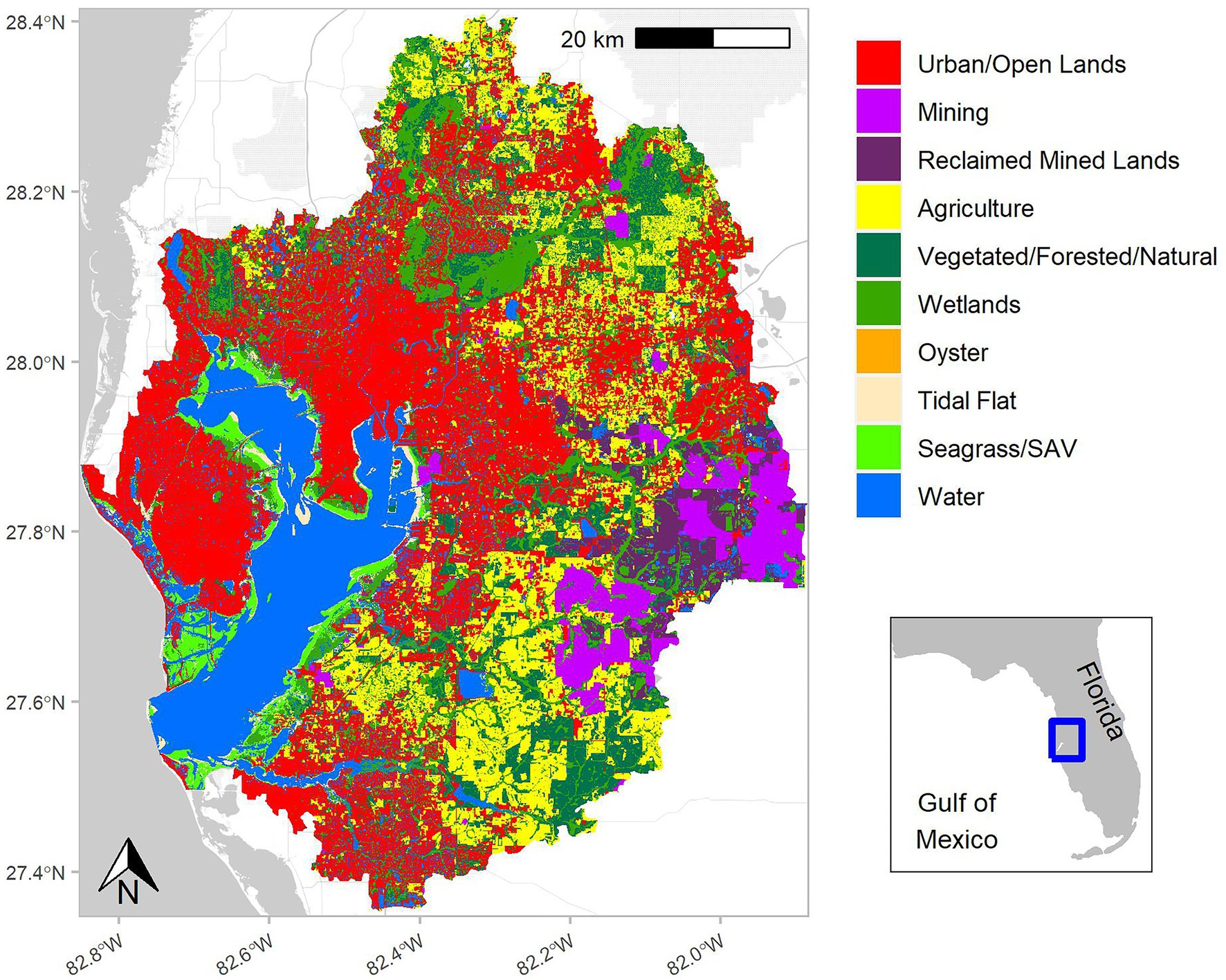
St. Petersburg is actively pursuing resilient infrastructure projects, including seawall enhancements and the development of green infrastructure solutions that absorb rainwater and reduce urban heat. This makes its vibrant downtown, famous for its museums, pier, and waterfront parks, more appealing and comfortable for visitors. Tampa is similarly focused on protecting its historic districts and burgeoning waterfront developments, critical components of its urban tourism appeal, through comprehensive flood mitigation and coastal protection plans. The proactive stance of these cities offers a layer of reassurance for tourists, signaling that their travel investment is going to a destination committed to its long-term stability and visitor well-being.
Regional Collaboration for a Unified Tourism Future
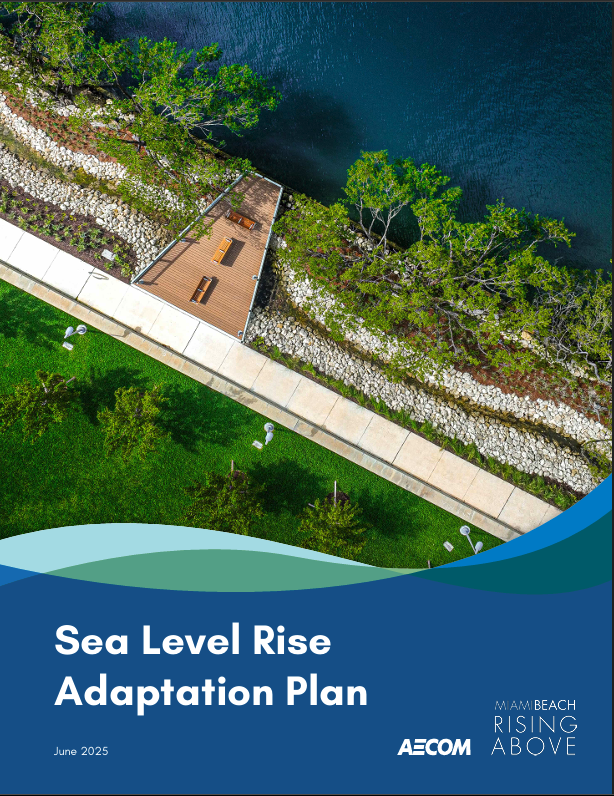
Recognizing that climate impacts do not adhere to municipal boundaries, regional collaboration has become a cornerstone of Florida’s’s adaptation efforts, particularly in heavily visited areas. The Southeast Florida Regional Climate Change Compact, for example, brings together four counties (Broward, Miami-Dade, Monroe, and Palm Beach) to coordinate climate action. This unified approach is invaluable for tourism, as many visitors travel across county lines to experience different attractions within a single trip.
By sharing resources, expertise, and developing regional climate action plans, these compacts ensure a consistent level of protection across popular tourist corridors. This includes coordinated efforts on infrastructure projects, emergency preparedness, and the preservation of critical ecosystems like the Everglades National Park which attracts millions of tourists annually and plays a vital role in the region’s water management. Such integrated planning helps maintain the seamless visitor experience that Florida is known for, reinforcing the idea that the entire region is working collectively to secure its tourism future.
The Tangible Benefits for Tourists and the Tourism Economy
The existence and implementation of climate adaptation plans in Florida’s metropolitan areas yield significant, tangible benefits for both visitors and the robust tourism economy that sustains millions of jobs. These plans are not just about mitigating risk; they are about enhancing the overall value proposition of Florida as a destination.
Ensuring Continued Access and Enjoyment
For tourists, the most immediate benefit of effective adaptation plans is the assurance of continued access to and enjoyment of Florida’s’s myriad attractions. Resilient infrastructure means fewer road closures due to flooding, less disruption to public transportation, and quicker recovery times for airports and cruise terminals after severe weather. This minimizes travel delays and ensures that vacation itineraries can proceed as planned, translating into a smoother, more enjoyable trip.
Furthermore, efforts to protect natural habitats and ecosystems, such as coral reefs and coastal mangroves, are crucial. These natural assets are not only vital for ecological balance but also serve as major draws for eco-tourism, snorkeling, diving, and fishing. By safeguarding these environments, adaptation plans ensure that these unique experiences remain vibrant and accessible for tourists seeking adventure and natural beauty.
Building Tourist Confidence and Destination Longevity
In an era of increasing climate awareness, a destination’s commitment to sustainability and resilience can significantly influence traveler choices. Metropolitan areas in Florida with visible and effective climate adaptation plans build trust and confidence among potential visitors. Tourists are increasingly looking for destinations that are not only beautiful but also responsible and forward-thinking.
By demonstrating a proactive approach to climate challenges, Florida reinforces its image as a reliable and sustainable destination. This long-term perspective is vital for the tourism economy, encouraging repeat visits, attracting new markets, and securing investments in hotels, resorts, and attractions. It protects the billions of dollars that tourism injects into the state’s economy annually, safeguarding jobs and local businesses that thrive on visitor spending. Ultimately, climate adaptation is about ensuring that the Sunshine State remains a vibrant and welcoming destination for generations to come, providing enduring appeal and economic stability.
Challenges and the Path Forward for Sustainable Florida Tourism
While Florida’s’s metropolitan areas are making significant strides in climate adaptation, the journey is far from over. The scale of the challenge is immense, requiring continuous investment, innovation, and a collective vision for a resilient tourism future.
Funding and Implementation Hurdles
Implementing comprehensive climate adaptation plans is costly and complex, often requiring massive investments in infrastructure, technology, and ecological restoration. Metropolitan areas grapple with securing sufficient funding, navigating bureaucratic processes, and coordinating efforts across various government levels and private sectors. For the tourism industry, this means advocating for continued political will and financial commitment to these plans, understanding that these expenditures are not merely costs but essential investments in the sector’s future profitability and sustainability. The pace of climate change often outstrips the pace of traditional planning and funding cycles, presenting a constant race against time.
Integrating Climate Resilience into Tourism Marketing
Moving forward, Florida’s tourism industry has an opportunity to not only benefit from these adaptation efforts but also to actively promote them. Integrating climate resilience into tourism marketing can position Florida as a leader in sustainable tourism. By highlighting how cities are protecting their natural beauty, ensuring visitor safety, and investing in a greener future, Florida can appeal to a growing demographic of environmentally conscious travelers. This could involve showcasing resilient tourism experiences, promoting eco-friendly accommodations, and educating visitors on how their choices contribute to the state’s sustainability goals. Embracing this narrative allows Florida to transform a challenge into a unique selling proposition, ensuring its continued prominence on the global tourism stage.
In conclusion, yes, metropolitan areas in Florida are actively developing and implementing climate adaptation plans. These initiatives are crucial, not only for the safety and well-being of residents but, perhaps even more critically, for the long-term sustainability and vibrancy of the state’s irreplaceable tourism industry. By investing in resilience, Florida is working to ensure that its metropolitan hubs remain welcoming, safe, and utterly captivating destinations for tourists from around the world.
LifeOutOfTheBox is a participant in the Amazon Services LLC Associates Program, an affiliate advertising program designed to provide a means for sites to earn advertising fees by advertising and linking to Amazon.com. Amazon, the Amazon logo, AmazonSupply, and the AmazonSupply logo are trademarks of Amazon.com, Inc. or its affiliates. As an Amazon Associate we earn affiliate commissions from qualifying purchases.