
Understanding Homeowner Responsibilities and Local Regulations
Navigating the world of homeownership in Colorado comes with a unique set of responsibilities, not least of which is ensuring your property complies with local building codes and regulations. For homeowners considering a new sump pump installation or replacement, a common question arises: do these essential plumbing fixtures require permits? The answer, while often perceived as a simple yes or no, is nuanced and depends heavily on the specific municipality and the nature of the work being undertaken.
The Role of Sump Pumps in Colorado Homes
Before delving into permit requirements, it’s crucial to understand the vital role sump pumps play in safeguarding homes, particularly in regions like Colorado that can experience variable weather patterns, including heavy snowmelt and intense rainfall. A sump pump is a submersible or pedestal pump installed in a sump pit, typically at the lowest point of a basement or crawl space. Its primary function is to remove accumulated water, preventing flooding and the associated damage to foundations, finished spaces, and the overall structural integrity of a home.
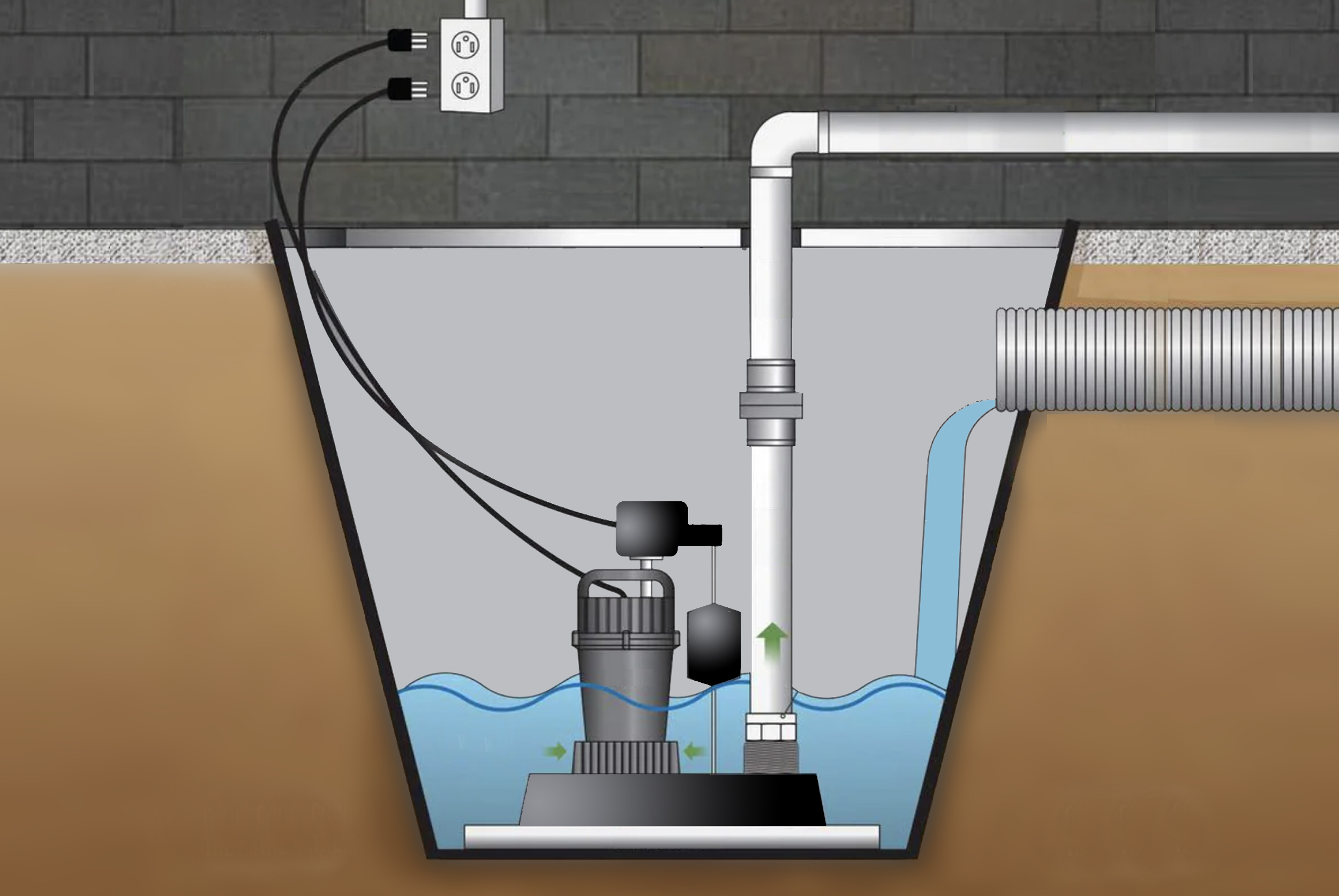
In areas prone to hydrostatic pressure, where groundwater can exert significant force against basement walls and floors, a sump pump acts as a critical defense mechanism. This is especially relevant in certain Colorado landscapes and elevations where soil conditions and underground water tables can pose a persistent threat to subterranean structures. Beyond preventing overt flooding, sump pumps also help manage moisture levels, reducing the risk of mold growth, mildew, and the deterioration of building materials.
When Permits Typically Come into Play
The necessity of obtaining a permit for a new sump pump installation in Colorado is generally tied to the scope and impact of the work. Building departments in various Colorado cities and counties are responsible for enforcing codes that ensure safety, structural soundness, and proper utility connections.
Major Renovations and New Construction
In the context of new construction or significant home renovations that involve extensive plumbing work, a new sump pump installation will almost certainly require a permit. During these projects, the plumbing system is being scrutinized as a whole, and any new additions or modifications to the drainage and wastewater management systems fall under the purview of building inspectors. This allows authorities to verify that the installation meets established plumbing codes, electrical safety standards (as sump pumps are electrically powered), and environmental regulations regarding water discharge.
For instance, if a homeowner is finishing a basement in Denver or undertaking a major addition to their home in Colorado Springs, the sump pump system will be reviewed as part of the overall construction plan. This ensures that the system is correctly sized for the property, properly connected to the electrical supply by a licensed electrician, and that the discharge method complies with local ordinances, which often dictate where and how groundwater can be released to prevent issues for neighbors or public infrastructure.
Replacing an Existing Sump Pump
The question of permits becomes more complex when it comes to simply replacing an existing sump pump. Many municipalities in Colorado differentiate between a like-for-like replacement and a new installation or significant modification.
Like-for-Like Replacements
In many cases, replacing an old sump pump with a new one of identical or very similar specifications, without altering the existing plumbing or electrical connections, may not require a permit. The rationale here is that the original installation was presumably permitted and inspected, and the replacement is essentially maintaining the status quo of the home’s drainage system. However, this is not a universal rule. Some jurisdictions still require a permit, even for a straightforward replacement, to ensure that the new unit meets current code requirements and that the installation is performed correctly.
Significant Modifications or Upgrades
If the replacement involves upgrading to a more powerful pump, changing the pit size, rerouting the discharge pipe, or altering the electrical connections in a substantial way, a permit is more likely to be necessary. These changes can have implications for electrical safety, plumbing code compliance, and water discharge regulations. For example, if you are upgrading from a basic 1/3 horsepower pump to a 1/2 horsepower or battery-backup system, building departments may want to review the electrical load and the discharge plan.
Electrical Work Associated with Sump Pumps
Sump pumps are electrically powered devices, and the electrical work involved in their installation or replacement is a significant factor in permit requirements. Many Colorado building codes mandate that any electrical work beyond simple fixture replacement must be performed by a licensed electrician and inspected by the local building department. This applies to the wiring of the sump pump to the home’s electrical panel, ensuring proper grounding, GFCI protection, and adherence to electrical safety standards. Even if the plumbing aspect of a sump pump replacement might be considered minor, the associated electrical work can trigger the need for an electrical permit and subsequent inspection.
Navigating Local Regulations in Colorado
The most crucial aspect of determining whether a permit is required for a new sump pump in Colorado is to consult directly with the local building department of the specific municipality or county where the property is located. Regulations can vary significantly from one town or city to another within the state.
Identifying the Relevant Authority
The relevant authority will typically be the building department, planning department, or code enforcement office for the city or county. For example, a homeowner in Boulder will need to check with the City of Boulder Building Department, while a resident of unincorporated Larimer County would consult with Larimer County Planning and Community Development.
Key Information to Inquire About
When contacting the local building department, it is advisable to be prepared with specific details about the proposed work. This includes:
- Type of Work: Is it a completely new installation, a replacement of an existing unit, or an upgrade?
- Scope of Plumbing Changes: Will existing pipes be altered, or is it a direct swap?
- Scope of Electrical Changes: Will new circuits be run, or is it simply connecting to an existing outlet or junction box?
- Pump Specifications: Details about the horsepower and type of pump being installed.
- Discharge Method: Where will the water be directed?
The Permit Application Process
If a permit is indeed required, the process typically involves submitting an application to the local building department. This application often requires detailed plans or descriptions of the proposed work, including diagrams of the plumbing and electrical connections. A fee will usually accompany the application, the amount of which varies by jurisdiction and the estimated cost of the project.
Once the permit is issued, the work must be performed in accordance with the approved plans and local building codes. The building department will then schedule inspections at various stages of the project (e.g., rough plumbing, electrical rough-in, final inspection) to ensure compliance. Passing these inspections is necessary to obtain final approval and close out the permit.
Potential Consequences of Non-Compliance
Failing to obtain a required permit for sump pump installation or replacement in Colorado can lead to several unwelcome consequences.
Fines and Penalties
Local building departments have the authority to issue citations and impose fines on homeowners who undertake work without the necessary permits. These fines can escalate, especially if the issue is discovered during a routine inspection or upon the sale of the property.
Stop-Work Orders
In cases of significant non-compliance discovered during construction, building officials may issue a stop-work order, halting all progress on the project until the necessary permits are obtained and the work is brought into compliance. This can cause significant delays and added costs.
Difficulty Selling the Property
When a property is sold in Colorado, sellers are often required to disclose any unpermitted work. Buyers may be hesitant to purchase a property with unpermitted additions or modifications due to potential safety concerns or the risk of future code violations. In some instances, lenders may require that unpermitted work be brought up to code and permitted before approving a mortgage.
Safety and Insurance Issues
Unpermitted work, particularly involving electrical connections, can pose serious safety hazards, including the risk of electrical fires or shocks. Furthermore, insurance companies may deny claims related to damage that resulted from unpermitted or improperly installed systems, leaving homeowners financially exposed.
The Importance of Professional Installation
Regardless of whether a permit is explicitly required, engaging qualified professionals for sump pump installation or replacement is highly recommended. Licensed plumbers and electricians possess the expertise to ensure the system is installed correctly, safely, and in compliance with all applicable codes, even those that may not be strictly enforced through a permit process for minor work.

Licensed Professionals and Best Practices
A licensed plumber will understand the intricacies of proper pipe sizing, discharge routing, and pit installation. A licensed electrician will ensure that the pump is wired safely and correctly, adhering to national and local electrical codes. They are also familiar with the permit requirements in their service areas and can advise homeowners accordingly. This professional oversight minimizes the risk of future problems, such as pump failure, electrical hazards, or flooding.
For homeowners in Colorado, investing in proper installation, even if it involves a permit, is a crucial step in protecting their property and ensuring peace of mind. It is always best to err on the side of caution and contact the local building department to confirm permit requirements before undertaking any sump pump work. This proactive approach can save homeowners significant trouble and expense down the line, ensuring their home remains a safe and well-protected asset.
LifeOutOfTheBox is a participant in the Amazon Services LLC Associates Program, an affiliate advertising program designed to provide a means for sites to earn advertising fees by advertising and linking to Amazon.com. Amazon, the Amazon logo, AmazonSupply, and the AmazonSupply logo are trademarks of Amazon.com, Inc. or its affiliates. As an Amazon Associate we earn affiliate commissions from qualifying purchases.