
Enhancing Your Colorado Lifestyle: The Call for Peace
In the vibrant landscape of Colorado, where the pursuit of an active, serene, and fulfilling lifestyle is paramount, unsolicited interruptions can disrupt the desired rhythm of daily life. Whether you are a long-term resident enjoying the tranquility of the Front Range, a remote worker thriving amidst the mountain air, or a visitor immersing yourself in the state’s myriad attractions, the constant barrage of unwanted telemarketing calls can be a significant source of frustration. This persistent intrusion not only invades personal space and time but also detracts from the quality of life that Colorado proudly offers. The Do Not Call Registry Colorado emerges as a critical tool in safeguarding this peace, allowing individuals to reclaim their privacy and enhance their overall lifestyle experience within the Centennial State. By understanding and utilizing this powerful consumer protection mechanism, residents and visitors alike can mitigate the nuisance of telemarketing, fostering an environment more conducive to relaxation, productivity, and genuine enjoyment of all that Colorado has to offer, from its bustling urban centers like Denver to the quiet solitude of its national parks.
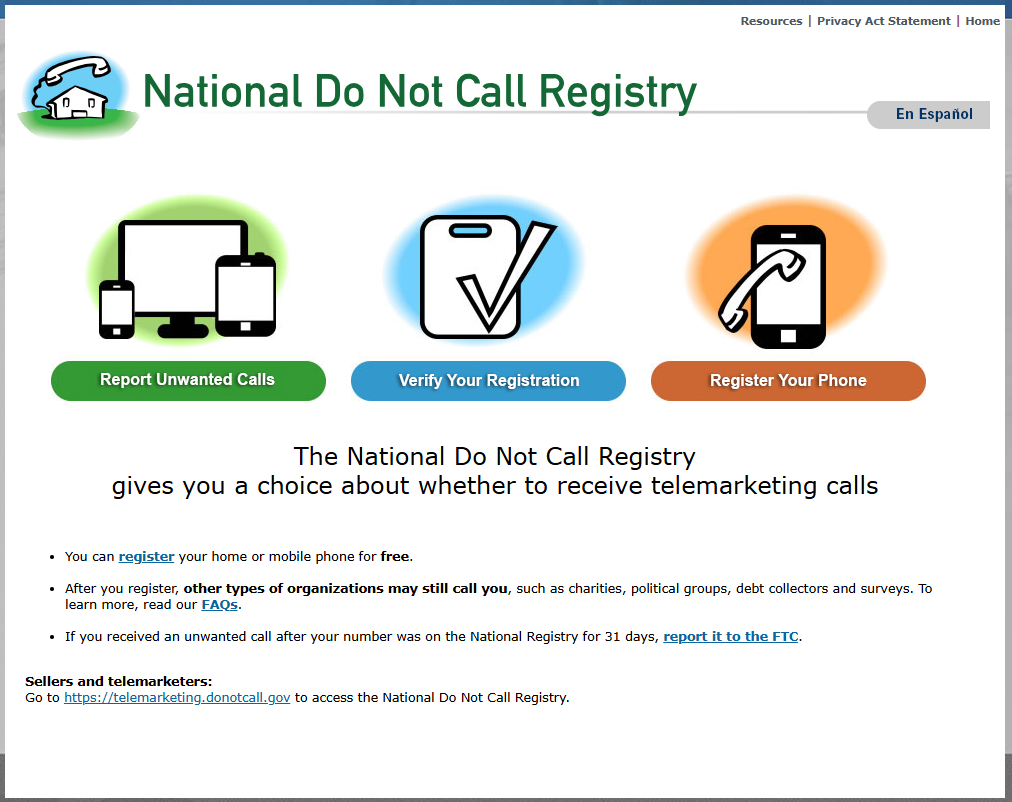
Understanding the Colorado Do Not Call Registry
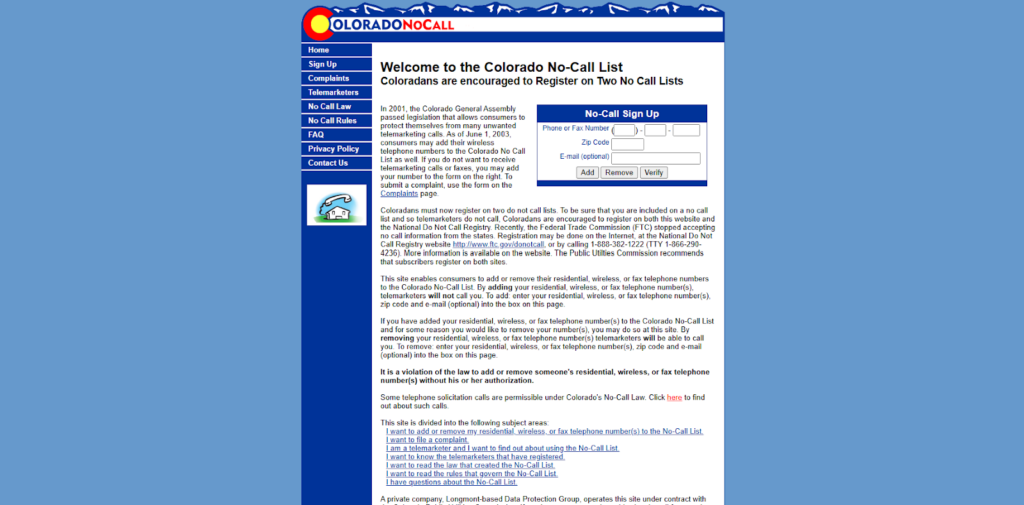
The concept of a “Do Not Call” registry is designed to empower consumers by providing a legal framework to opt out of receiving most telemarketing calls. While a federal registry exists, states like Colorado often have their own complementary regulations that reinforce consumer protection, tailoring it to local nuances and needs. For anyone living or spending significant time in Colorado, understanding these registries is the first step towards a quieter, less interrupted lifestyle.
What It Is and How It Works
At its core, the Do Not Call Registry is a database of telephone numbers maintained by the government where individuals have indicated their preference not to receive telemarketing calls. When a telemarketing company calls a number listed on the registry, they are generally in violation of federal and, in some cases, state law, leading to potential penalties.
The federal registry, managed by the Federal Trade Commission (FTC), covers most commercial telemarketing calls. Once a phone number is registered, it remains on the list permanently or until removed by the subscriber. Telemarketers are required to check the registry every 31 days and remove registered numbers from their call lists.
It’s important to differentiate between the types of calls the registry stops and those it doesn’t. The registry is primarily effective against legitimate telemarketing companies attempting to sell products or services. It does not typically apply to:
- Calls from organizations with whom you have an existing business relationship (e.g., your bank, airline, or phone company).
- Calls from political organizations.
- Calls from charities.
- Calls from companies conducting surveys.
- Calls from organizations whose primary purpose is not to sell goods or services.
- Calls that are purely informational or transactional.
Eligibility and Coverage
Both landline and wireless phone numbers are eligible for registration on the Do Not Call Registry. Residents of Colorado can register their numbers via the official website or a toll-free number. Once registered, a grace period of approximately 31 days is typically observed to allow telemarketing companies to update their call lists. After this period, any calls from commercial telemarketers not covered by an exemption are considered a violation.
For visitors to Colorado, especially those on extended stays for business or leisure, registering a local temporary number or their existing mobile number can still offer protection. While the registry is primarily aimed at protecting the privacy of individuals in their homes, its benefits extend to anyone wishing to avoid unwanted solicitations, contributing to a more focused and enjoyable experience of the state. The coverage aims to provide a broad shield against the most common and intrusive forms of telemarketing, allowing individuals to focus on their activities, whether that’s exploring Colorado Springs‘ attractions or participating in a conference in Boulder.
Beyond the Registry: A Holistic Approach to Digital Well-being in Colorado
While the Do Not Call Registry Colorado is a powerful tool, achieving comprehensive digital well-being and privacy in today’s interconnected world often requires a multi-faceted approach. Integrating complementary strategies can further enhance one’s lifestyle, ensuring that interruptions are minimized across various digital platforms, crucial for both residents and those on temporary stays in Colorado.
Complementary Strategies for Peace of Mind
For a truly uninterrupted experience, consider these additional measures:
- Blocking Numbers on Your Device: Many smartphones offer native capabilities to block specific phone numbers. If an unwanted call slips through the registry’s protections, or if it’s from an entity exempt from the registry (like a political survey), blocking their number directly can prevent future calls from that source.
- Call Screening and Spam Blocker Apps: A variety of third-party applications can identify and block spam calls before your phone even rings. These apps often use crowd-sourced data and sophisticated algorithms to detect fraudulent or unwanted calls, offering an extra layer of defense beyond the registry. Popular options include Nomorobo, Truecaller, and Hiya.
- Email Spam Filters: Unwanted communications aren’t limited to phone calls. Ensure your email service’s spam filters are robustly configured. Regularly marking unsolicited emails as spam helps train your filter and contributes to a cleaner inbox, reducing digital clutter and distractions.
- Privacy Settings on Social Media and Other Online Platforms: Review and adjust the privacy settings on all your social media accounts and other online services. Limiting the visibility of your phone number, email address, and personal data can reduce the chances of your contact information being harvested by marketers and spammers. Be cautious about sharing personal details in public forums or on unfamiliar websites.
- Opting Out from Specific Companies: Even if you have an existing business relationship with a company, you often have the right to opt out of their marketing calls, emails, or postal mail. Look for “unsubscribe” links in emails or contact the company directly to request removal from their marketing lists.
Impact on Business and Leisure Travel
For individuals visiting Colorado for business or leisure, these comprehensive strategies are particularly valuable. A business traveler attending a conference in Colorado Convention Center in Denver or working remotely from a mountain cabin in Aspen can maintain focus and productivity without the constant distraction of telemarketing calls. For leisure travelers exploring Rocky Mountain National Park or enjoying the ski slopes of Vail, an uninterrupted experience allows for deeper immersion in Colorado’s natural beauty and recreational opportunities. The ability to minimize unsolicited contacts significantly contributes to a more relaxing, productive, and truly enjoyable stay, upholding the state’s reputation as a prime destination for quality lifestyle experiences.
Navigating the Legal Landscape and Consumer Protection
While the Do Not Call Registry Colorado provides a powerful shield against unwanted telemarketing, its effectiveness relies on both consumer vigilance and robust enforcement. Understanding how to report violations and what to expect after registration is crucial for maximizing its benefits and ensuring consumer protection within the state.
Reporting Violations
If you continue to receive unwanted telemarketing calls after your number has been registered for more than 31 days and you do not have an existing business relationship with the caller, you have the right to report the violation. This process is vital for holding telemarketers accountable and strengthening the registry’s enforcement capabilities.
To report a violation, you should gather as much information as possible about the call, including:
- The date and time of the call.
- The phone number from which the call originated (if available, even if it appears to be spoofed).
- The name of the company that called.
- The product or service they were attempting to sell.
- Any other relevant details, such as the caller’s name or a reference number.
Reports can typically be filed with the Federal Trade Commission (FTC) via their online complaint assistant or by calling their toll-free number. In Colorado, the Colorado Attorney General’s office also plays a role in consumer protection and may accept complaints related to telemarketing practices, especially those that might violate state-specific laws. Reporting helps law enforcement agencies identify patterns of abuse and take appropriate action, potentially leading to significant fines for violating companies.
What to Expect After Registration
Upon registering your phone number(s) on the Do Not Call Registry, it’s important to set realistic expectations:
- Grace Period: As mentioned, there is a grace period, typically 31 days, for telemarketing companies to update their call lists. You may still receive calls during this initial month.
- Persistence of Some Calls: Calls from organizations with an existing business relationship, political campaigns, charities, or those conducting surveys are generally exempt from the registry. Therefore, you may still receive these types of calls.
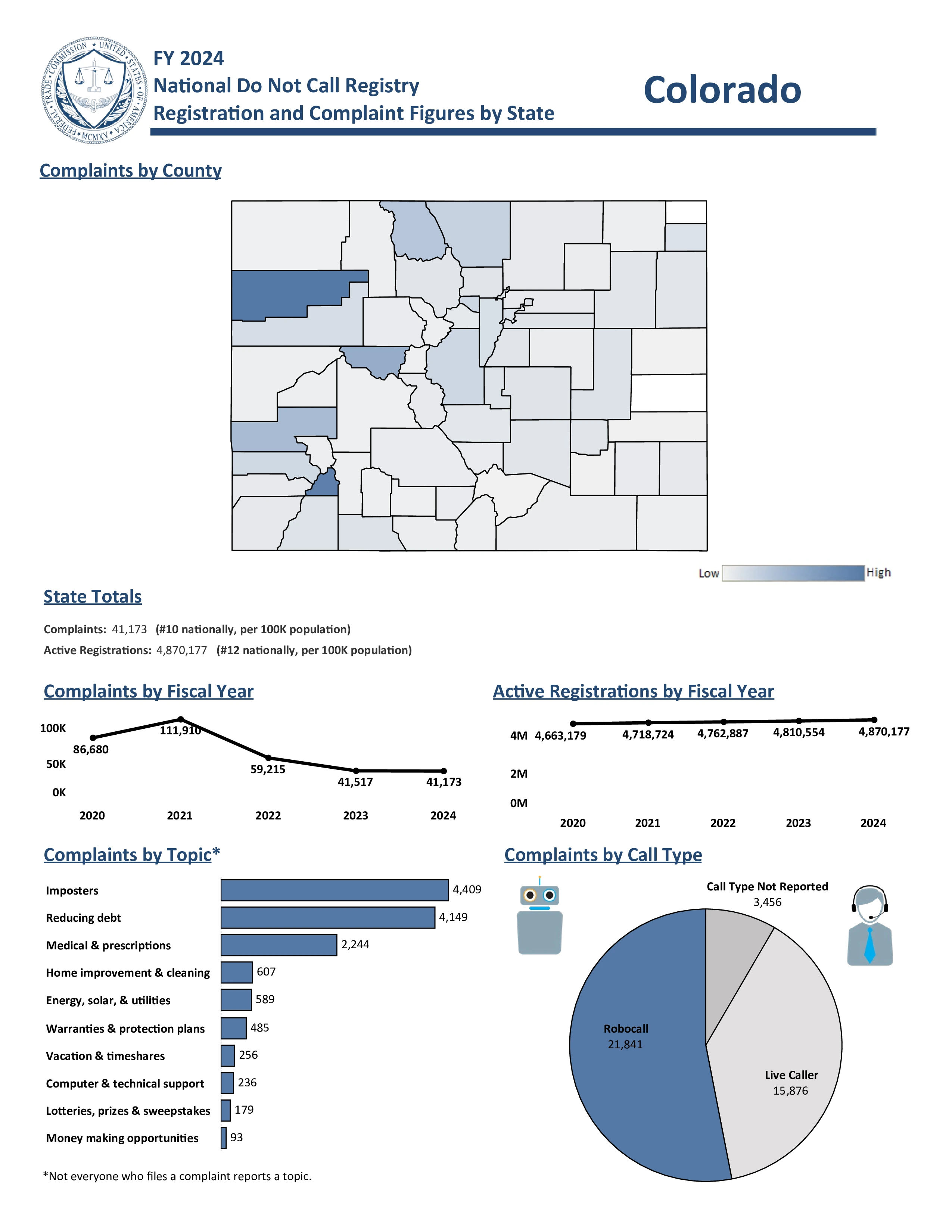
- Scam Calls: The registry is primarily effective against legitimate telemarketing firms that adhere to the law. Scam calls and robocalls from illicit operators often ignore the registry altogether. While the registry doesn’t stop these, reporting them (and using call-blocking apps) remains crucial.
- Long-Term Protection: Once registered, your number remains on the federal list permanently unless you choose to remove it. This provides ongoing protection against most commercial telemarketing.
Staying informed and proactive in managing your communication preferences is key to a peaceful lifestyle in Colorado.
The Broader Lifestyle Implications: Peace, Productivity, and Privacy
The decision to register for the Do Not Call Registry Colorado extends far beyond merely stopping annoying phone calls; it’s a conscious choice to prioritize peace, enhance productivity, and safeguard personal privacy, all foundational elements of a high-quality lifestyle in Colorado. In an era saturated with constant digital noise and demands on our attention, reclaiming control over who can contact us is an act of self-care and empowerment.
For residents, whether they are enjoying a quiet evening in Fort Collins or managing a busy household in Aurora, freedom from unsolicited telemarketing calls translates directly into more uninterrupted time. This can mean more time dedicated to family, hobbies, personal reflection, or simply enjoying the serene beauty that defines much of the state. The mental well-being benefits are significant; fewer interruptions lead to reduced stress and a greater sense of control over one’s personal space and schedule.
For professionals, including the growing number of remote workers who have chosen Colorado for its unique blend of urban amenities and natural escapes, uninterrupted focus is paramount. Unwanted calls can derail concentration, disrupt important meetings, or break the flow of creative work. By minimizing these intrusions, the registry contributes to enhanced productivity, allowing individuals to maximize their work-life balance and truly leverage the lifestyle advantages of living and working in places like Boulder or Grand Junction.
Furthermore, the registry plays a vital role in protecting personal privacy. Every unwanted call represents an attempt to penetrate your personal space and solicit information or sales. By opting out, individuals reinforce their boundaries, preserving their right to decide who they engage with and on what terms. This commitment to privacy is particularly appealing in a state that values freedom and personal choice.
Ultimately, the Do Not Call Registry Colorado is more than just a regulatory measure; it’s a lifestyle enabler. It provides a foundational layer of protection that allows residents and visitors to fully immerse themselves in the enriching experiences Colorado offers, from the majestic peaks of Pikes Peak to the cultural vibrancy of Denver’s arts scene, without the constant background noise of unwanted commercial solicitation. It reinforces the idea that a peaceful, productive, and private existence is not just a dream, but an achievable reality in the Centennial State.
LifeOutOfTheBox is a participant in the Amazon Services LLC Associates Program, an affiliate advertising program designed to provide a means for sites to earn advertising fees by advertising and linking to Amazon.com. Amazon, the Amazon logo, AmazonSupply, and the AmazonSupply logo are trademarks of Amazon.com, Inc. or its affiliates. As an Amazon Associate we earn affiliate commissions from qualifying purchases.