
Navigating the intricacies of travel requirements can often feel like a puzzle, especially when it comes to identification. When planning a trip to the Sunshine State, a common question arises: do passengers have to show ID in Florida? The answer isn’t always a simple yes or no, as it depends on various factors including the mode of travel, the specific activities planned, and the origin of your journey. Understanding these nuances is crucial for a smooth and stress-free travel experience, whether you’re flying into Orlando International Airport, renting a car in Miami, or simply enjoying the attractions Florida has to offer.
Understanding ID Requirements for Air Travel in Florida
Air travel is often the first point of contact for identification checks, and Florida airports, like all others in the United States, adhere to federal guidelines set by the Transportation Security Administration (TSA). These requirements are designed to ensure the safety and security of all passengers and crew.
Domestic Flights within Florida and the U.S.
For domestic flights, meaning travel between cities within the United States, including flights entirely within Florida (e.g., Miami to Orlando), adult passengers (18 and older) are generally required to show a valid form of identification at the airport security checkpoint. The TSA accepts several forms of ID, primarily focusing on government-issued photo identification. This could be a state-issued driver’s license or other state photo identity card, a U.S. passport, a U.S. passport card, a Department of Homeland Security trusted traveler card (e.g., Global Entry, NEXUS, SENTRI, FAST), a permanent resident card, or a U.S. military ID.
It’s important to note that while children under 18 traveling with an adult within the U.S. are not typically required to show ID at the security checkpoint, airlines may have their own policies, especially concerning unaccompanied minors. It is always wise to check with your specific airline before travel. The primary purpose of these ID checks is to match the passenger’s identity with the name on their boarding pass, verifying that the person boarding the aircraft is indeed who they claim to be.
International Travel to or from Florida
International travel presents a different set of ID requirements. If you are flying into Florida from another country, or departing Florida for an international destination, a valid passport is almost always mandatory. U.S. citizens returning to the U.S. from international locations are required to present a valid U.S. passport. Citizens of other countries will need their passport and potentially a visa, depending on their nationality and the specific agreements between their country and the United States.
Upon arrival at international airports such as Miami International Airport or Orlando International Airport, passengers will go through U.S. Customs and Border Protection (CBP), where their travel documents, including passports, will be thoroughly checked. It is crucial that passports are valid for at least six months beyond your intended stay, as many countries enforce this rule for entry.
REAL ID Act Compliance
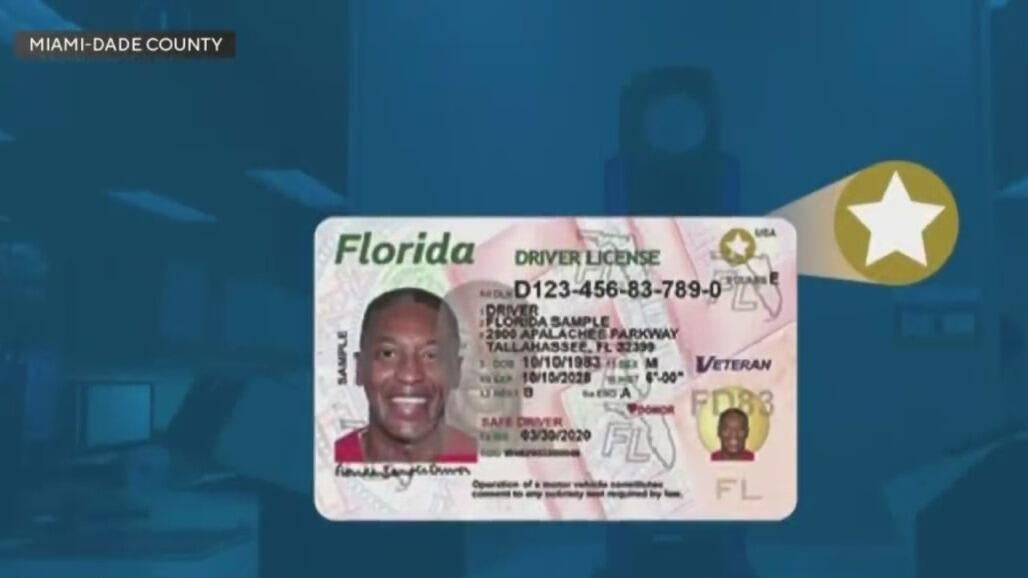
A significant factor impacting domestic air travel ID requirements is the REAL ID Act. Enacted after the events of 9/11, this act established minimum security standards for state-issued driver’s licenses and identification cards and prohibits federal agencies from accepting for certain purposes driver’s licenses and identification cards from states that do not meet these standards. As of May 7, 2025 (postponed from previous dates), every air traveler 18 years of age and older will need a REAL ID compliant driver’s license or identification card, or another acceptable form of ID, to fly within the United States.
Florida issues REAL ID compliant driver’s licenses and ID cards. These typically feature a star in the upper right-hand corner. If you have a standard Florida driver’s license that is not REAL ID compliant, you will need to use an alternative form of acceptable identification, such as a U.S. passport, to board domestic flights. Travelers should always check the most current TSA guidelines before their trip to ensure their identification meets the latest requirements.
ID Requirements Beyond the Airport
While air travel is stringent, identification requirements in Florida extend to various other aspects of a passenger’s journey. Being prepared with the correct ID can prevent inconveniences and ensure smooth access to services and attractions.
Car Rentals and Driving in Florida
If your travel plans in Florida include renting a car, you will absolutely need to show identification. All car rental companies require a valid driver’s license. For U.S. citizens, a state-issued driver’s license is sufficient. The license must be current and not expired. For international visitors, a valid driver’s license from their home country is usually required, often in conjunction with an International Driving Permit (IDP). An IDP is essentially a translation of your foreign driver’s license and can be obtained in your home country before you travel. While not always strictly enforced for all nationalities, it is highly recommended to carry one to avoid potential issues with law enforcement or rental agencies.
Additionally, most car rental companies have age restrictions, typically requiring drivers to be at least 21 years old, with surcharges often applied for drivers under 25. A valid credit card in the driver’s name is also universally required for the rental agreement and security deposit.
Theme Parks and Major Attractions
Florida is world-renowned for its theme parks and attractions, from Walt Disney World Resort in Orlando to Busch Gardens Tampa Bay and the Kennedy Space Center Visitor Complex. While general admission to these venues typically doesn’t require showing ID at the gate, there are specific circumstances where it becomes necessary.
- Age Verification: For special tickets, discounts (e.g., senior, military, Florida resident discounts), or age-restricted events within the parks, photo identification may be requested to verify eligibility.
- Annual Passes/Membership: If you hold an annual pass or a multi-day ticket that requires photo verification upon entry, you will need to present a matching ID. This helps prevent unauthorized use of passes.
- Credit Card Purchases: When making significant purchases inside the parks, or if a credit card is used for a ticket purchase at the gate, a photo ID might be requested to verify the cardholder’s identity.
- Security Procedures: Some attractions or events, especially those with heightened security, may require ID for entry or for certain experiences within the venue.
It’s always a good practice to carry a government-issued photo ID when visiting major attractions, even if it’s stored securely. This ensures you’re prepared for any situation that might arise.
Age-Restricted Activities and Purchases
As in any state, certain activities and purchases in Florida are strictly age-restricted and will necessitate showing a valid form of identification to prove age. These include:
- Alcohol Purchases: The legal drinking age in the United States, including Florida, is 21. Any establishment selling alcohol (bars, restaurants, liquor stores) will require a valid ID to verify age, regardless of how old you appear.
- Tobacco and Vaping Products: The legal age to purchase tobacco and vaping products in Florida is also 21. Retailers will demand ID for these purchases.
- Gambling: At casinos, such as those found in Hollywood or Tampa, the legal age for gambling is 21. ID is always required for entry to gaming areas and to redeem winnings.
- Nightclubs and Bars: Many nightclubs and bars, even those not exclusively serving alcohol, may have an age requirement for entry (typically 18 or 21) and will check IDs at the door.
- Marijuana (Medical): While recreational marijuana is not legal in Florida, medical marijuana is. Patients must possess a valid Florida Medical Marijuana Use Registry identification card along with a photo ID to purchase medical cannabis products.
- Certain Hotel Check-ins: While not always universal, some hotels, especially those with an adult-focused ambiance, may require guests checking in to be 21 years or older and will ask for ID to verify this.
For all these situations, a government-issued photo ID (driver’s license, passport, state ID card) is essential.
Preparing Your Identification for a Florida Trip
Proper preparation can save a lot of headaches during your travels. Understanding what constitutes an acceptable ID and having a plan for potential issues are key components of a well-organized trip to Florida.
Acceptable Forms of ID
When traveling within or to Florida, the most widely accepted forms of identification are government-issued and include a photograph. These typically include:
- State-issued Driver’s License or ID Card: For U.S. residents, this is the most common form of ID. Ensure it’s current and, for air travel, REAL ID compliant after the enforcement date.
- U.S. Passport or Passport Card: Essential for international travel and an excellent alternative for domestic air travel if you don’t have a REAL ID compliant driver’s license.
- U.S. Military ID: Valid for active duty personnel, veterans, and their dependents.
- Permanent Resident Card (Green Card): For lawful permanent residents of the U.S.
- DHS Trusted Traveler Cards: Global Entry, NEXUS, SENTRI, FAST cards are accepted at TSA checkpoints.
- Foreign Government-Issued Passport: For international visitors.
It’s advisable to carry your primary form of ID with you, but for added security, keep a photocopy or a digital image of your ID on your phone or in a cloud storage service. This can be invaluable if your physical ID is lost or stolen.
What If You Lose Your ID?
Losing your identification while traveling can be a significant setback, but it’s not insurmountable. If your ID is lost or stolen, especially before a flight, contact the TSA or your airline immediately. The TSA may allow you to fly if you can provide other verifying information, such as credit cards, utility bills, or a police report, and undergo an enhanced screening process. However, this is not guaranteed, and you should allow extra time for this process.
For a lost driver’s license, you might be able to obtain a temporary replacement at a Florida Department of Highway Safety and Motor Vehicles (FLHSMV) office if you have other forms of identification. For a lost passport, immediately contact your country’s embassy or consulate. For U.S. citizens, this would involve contacting the nearest U.S. Embassy or Consulate. Reporting a lost or stolen ID to the local police is also a good step, as it creates a record and can help protect you from identity theft.

Tips for a Smooth ID Check Experience
To ensure your ID checks go as smoothly as possible throughout your Florida trip:
- Keep Your ID Accessible: Store your primary ID in an easily reachable but secure place, like a wallet or small bag that you can quickly retrieve.
- Be Prepared to Present It: Have your ID ready before you reach the front of the line at airport security, car rental counters, or any other checkpoint.
- Handle Your ID Respectfully: Present your ID clearly and without obstruction. Do not joke or make inappropriate comments during an ID check.
- Check Expiration Dates: Before you even leave home, ensure all your identification documents are current and not expired. An expired ID is not valid.
- Understand the REAL ID Act: Be aware of the upcoming enforcement date and ensure your primary ID meets the standards for domestic air travel.
By understanding these requirements and preparing accordingly, passengers can ensure their journey through Florida is as enjoyable and hassle-free as the destination itself. Whether you’re soaring above the clouds or exploring the vibrant streets, having your identification in order is a fundamental step to a successful Florida adventure.
LifeOutOfTheBox is a participant in the Amazon Services LLC Associates Program, an affiliate advertising program designed to provide a means for sites to earn advertising fees by advertising and linking to Amazon.com. Amazon, the Amazon logo, AmazonSupply, and the AmazonSupply logo are trademarks of Amazon.com, Inc. or its affiliates. As an Amazon Associate we earn affiliate commissions from qualifying purchases.