
The allure of the peony, with its lush, fragrant blooms, is undeniable. For gardeners and flower enthusiasts alike, the dream of cultivating these spectacular plants often sparks curiosity about their geographical limitations. When considering a destination like Florida, a state renowned for its subtropical climate and vibrant floral displays, the question naturally arises: can these coveted peonies thrive under the Sunshine State’s warm embrace? The answer, much like the delicate petals of the flower itself, is nuanced and requires a deeper understanding of both peony biology and Florida’s diverse microclimates. While the classic image of peonies might be associated with cooler, temperate regions, advancements in horticulture and selective breeding have opened up new possibilities, making the prospect of growing peonies in certain parts of Florida more attainable than one might initially assume.

The Botanical Realities of Peony Cultivation
Peonies (Paeonia) are perennial flowering plants belonging to the family Paeoniaceae. They are native to Asia, Europe, and western North America, regions that generally experience distinct seasons, including a cool, dormant period during winter. This dormancy is crucial for the plant’s physiological processes, particularly for stimulating the formation of flower buds for the following season. The plant’s life cycle is intrinsically linked to chilling hours – a specific number of hours below a certain temperature threshold (typically between 32°F and 45°F or 0°C and 7°C) that the plant needs to break dormancy and initiate flowering.
Understanding Chilling Requirements
The varying chilling requirements among different peony cultivars are a primary factor in their success. Historically, the most commonly grown peonies, particularly herbaceous varieties like the common garden peony (Paeonia lactiflora), have higher chilling needs. These varieties typically flourish in USDA hardiness zones 3 through 8, areas that receive substantial winter cold. This is why they are iconic in the gardens of New England or the rolling hills of Europe.
However, horticulture is an ever-evolving field. Plant breeders have recognized the desire to extend the beauty of peonies to warmer climates. This has led to the development of new cultivars and the identification of species or hybrids that possess lower chilling requirements. For instance, some Itoh peonies (also known as intersectional peonies, a cross between herbaceous and tree peonies) and certain tree peony (Paeonia suffruticosa) varieties are known to be more tolerant of warmer winters and may still produce blooms with fewer chilling hours.
The Impact of Florida’s Climate
Florida presents a unique climatic mosaic. The northern parts of the state, particularly the Panhandle and northern inland regions, experience cooler winters than the southern peninsula. These areas can sometimes dip into temperatures low enough to satisfy the chilling needs of certain peony varieties, especially during unusually cold winters. Cities like Tallahassee or Gainesville fall within zones that offer a greater potential for peony success compared to the tropical heat of Miami or the Keys.
Conversely, the majority of Florida, especially south of Orlando, experiences mild winters with infrequent frost and very few hours below 45°F (7°C). This lack of sufficient chilling is the primary obstacle for most traditional peony varieties. Without adequate cold, they may fail to bud, produce fewer flowers, or exhibit weaker growth. The intense heat and humidity of a Florida summer can also pose challenges, potentially stressing plants that prefer cooler, drier conditions during their active growth phase.
Strategies for Peony Cultivation in the Sunshine State
Despite the climatic challenges, a dedicated gardener in Florida can still experience the joy of peony blooms through careful cultivar selection, strategic planting, and attentive care. The key lies in understanding the specific needs of the plant and adapting them to the local environment.
Selecting the Right Peony Varieties

The first and most critical step is choosing peony varieties known for their lower chilling requirements or greater heat tolerance. This often means looking beyond the most common herbaceous types and exploring the following:
- Itoh Peonies (Intersectional Hybrids): These unique hybrids, created by crossing herbaceous and tree peonies, often exhibit a remarkable adaptability to warmer climates. They tend to have fewer chilling requirements than traditional herbaceous peonies and can produce stunning, large blooms. Varieties like ‘Bartzella’ or ‘Cora Louise’ are often cited as being more successful in warmer regions.
- Certain Tree Peonies: While many tree peonies also require significant chilling, some cultivars and species are naturally more heat-tolerant. Researching specific tree peony types, particularly those originating from or adapted to warmer Asian regions, is advisable.
- Heat-Tolerant Herbaceous Cultivars: While rare, some breeding efforts have focused on developing herbaceous peonies that can withstand higher temperatures and potentially bloom with fewer chilling hours. These might be newer introductions or less common varieties that require diligent searching.
It is essential to consult with local nurseries, horticultural societies in Florida, or online resources specializing in warm-climate gardening for recommendations on specific cultivars that have demonstrated success in the state.
Site Selection and Planting Techniques
Even with the right variety, the planting location within Florida is paramount.
- Northern Florida: In areas with more consistent winter chill, such as the Panhandle or northern inland counties, planting peonies in well-draining soil in a location that receives at least six hours of sunlight per day is ideal. While they appreciate sun, the afternoon sun can be intense in Florida, so partial shade during the hottest part of the day might be beneficial, especially for newly planted specimens.
- Central and Southern Florida: For regions with very mild winters, the strategy shifts. Planting in the coolest microclimate available is crucial. This might involve:
- Northern Exposure: Planting on the north side of a building or larger shrubs can provide a cooler environment and protection from the harshest afternoon sun.
- Elevated Beds: Raised garden beds filled with a well-draining, high-quality soil mix can help manage soil temperature and prevent waterlogging, which peonies detest.
- Mulching: A thick layer of organic mulch (like pine bark or shredded leaves) is essential to keep the soil cool and retain moisture. However, ensure the mulch doesn’t touch the crown of the plant, as this can lead to rot.
Planting Depth: The depth at which a peony is planted is critical, particularly for herbaceous varieties. The ‘eyes’ or buds on the root should be no more than 1 to 2 inches below the soil surface. Planting too deep is a common reason for failure to bloom, especially in warmer climates where the soil may not cool sufficiently.
Watering, Fertilizing, and Pest Management
Peonies require consistent care, especially when establishing them in a challenging environment.
- Watering: During dry periods, regular watering is necessary to keep the soil consistently moist but not waterlogged. Deep watering encourages strong root development. Once established, they are relatively drought-tolerant, but supplemental watering during prolonged dry spells, especially before and during blooming, will be beneficial.
- Fertilizing: Peonies are not heavy feeders. A light application of a balanced, slow-release fertilizer in early spring, as new growth appears, is usually sufficient. Avoid excessive nitrogen, which can promote leafy growth at the expense of blooms. Compost or well-rotted manure can be incorporated into the soil at planting time.
- Pest and Disease: Peonies are generally hardy, but they can be susceptible to fungal diseases like botrytis blight, especially in humid conditions. Ensuring good air circulation by spacing plants appropriately and removing any diseased foliage promptly can help prevent issues. Ants are often attracted to peony buds as they secrete nectar, but they generally do not harm the plant and can even be beneficial by preying on other pests.
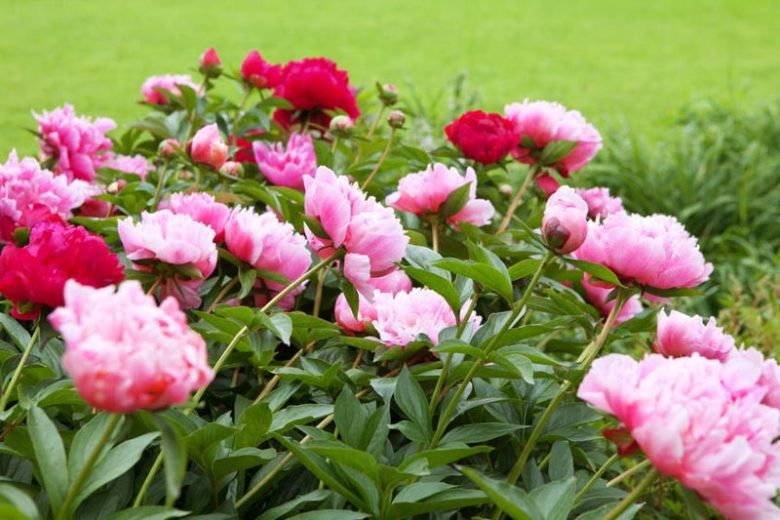
The Landscape Possibilities for Peonies in Florida
While not every garden in Florida will be a peony paradise, the possibility of enjoying these magnificent flowers adds a layer of horticultural adventure. For those residing in the northern parts of the state, or for determined gardeners in central and southern areas willing to put in the extra effort, the reward can be immense.
Imagine a secluded corner of a garden in St. Augustine, where a carefully chosen Itoh peony bursts forth with opulent blooms, a rare and celebrated sight in the subtropical landscape. Or consider a well-maintained raised bed in a community garden in Orlando, showcasing a heat-tolerant tree peony as a testament to horticultural ingenuity.
The success of peonies in Florida is not a foregone conclusion but rather an achievement born from knowledge, careful planning, and a passion for overcoming horticultural boundaries. It speaks to the broader trend of adapting traditional garden favorites to new environments, enriching the floral tapestry of regions where they were once thought impossible to grow. For the discerning traveler interested in the unique botanical offerings of Florida, seeking out gardens that have successfully cultivated peonies can be a delightful and unexpected discovery, adding a touch of ephemeral beauty to the vibrant natural landscapes of the state. These efforts not only bring joy to the gardener but also contribute to the diverse horticultural narrative of Florida, proving that with the right approach, even the most seemingly delicate desires can bloom under the sun.
LifeOutOfTheBox is a participant in the Amazon Services LLC Associates Program, an affiliate advertising program designed to provide a means for sites to earn advertising fees by advertising and linking to Amazon.com. Amazon, the Amazon logo, AmazonSupply, and the AmazonSupply logo are trademarks of Amazon.com, Inc. or its affiliates. As an Amazon Associate we earn affiliate commissions from qualifying purchases.