
The question, “Do people live in Alaska?” might seem elementary, almost whimsical, given the vastness and perceived remoteness of the Last Frontier. Yet, it’s a question that often sparks curiosity, fueled by images of expansive wilderness, elusive wildlife, and a lifestyle that seems dramatically different from the everyday hustle and bustle of more populated regions. The reality, however, is far more nuanced and far more human than the stereotypes suggest. Alaska is not just a land of glaciers and caribou; it’s a vibrant home to over 730,000 resilient and diverse individuals, each contributing to the unique tapestry of life in this magnificent state.
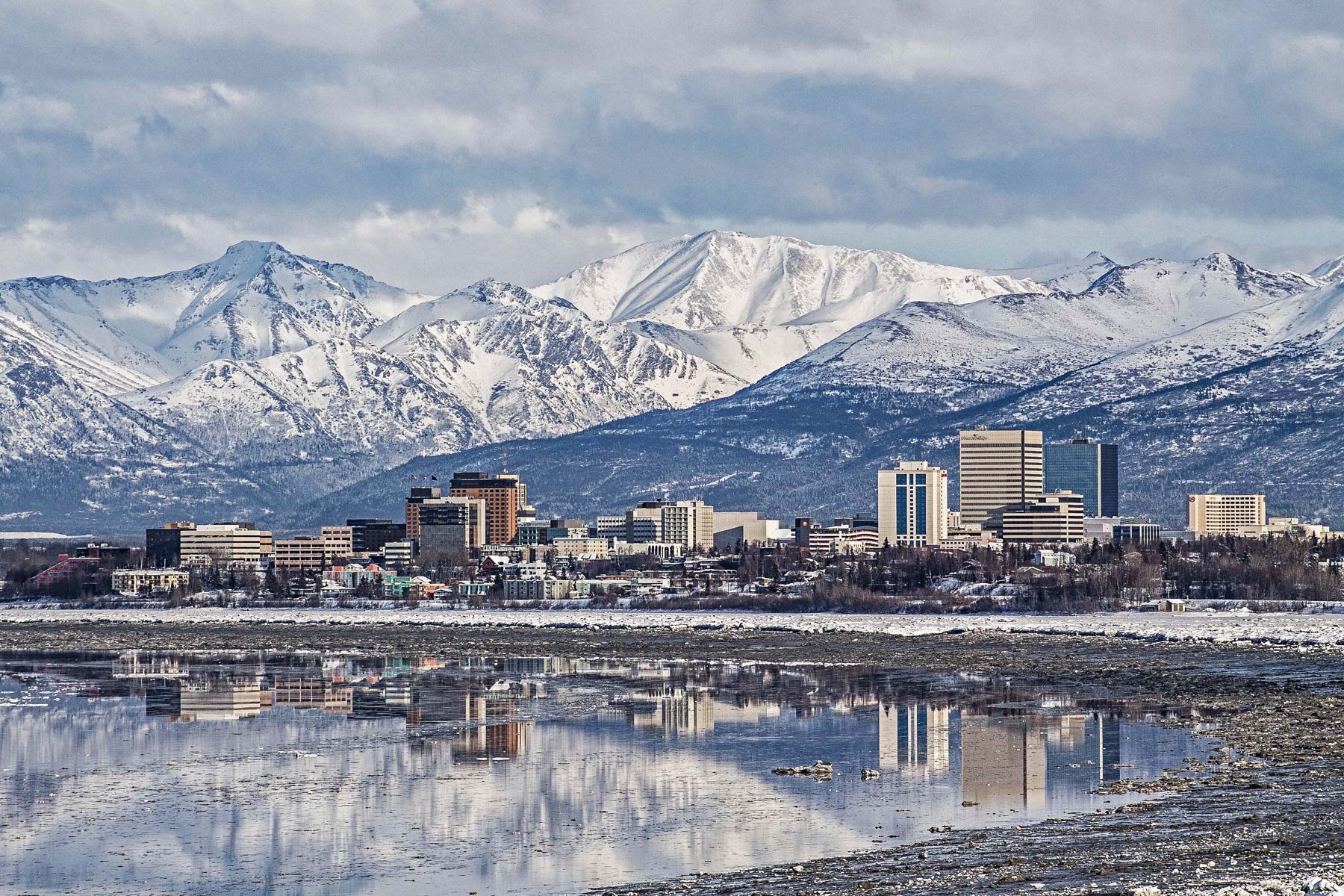
The notion of Alaska as an uninhabited wilderness is a persistent one, likely born from its sheer size – it’s the largest state in the United States by area, yet one of the least densely populated. This vastness often conjures images of isolated cabins and solitary adventurers. While such existences are certainly part of the Alaskan narrative, they represent only a fraction of the story. The majority of Alaskans reside in communities, towns, and cities, engaging in a modern lifestyle that, while adapted to its environment, is far from primitive.
More Than Just Wilderness: The Human Landscape of Alaska
The perception of Alaska as a land devoid of permanent human settlement is a misconception that overlooks the rich history and ongoing development of the state. From the indigenous peoples who have called this land home for millennia to the successive waves of settlers and newcomers, Alaska has always been a place of human endeavor. Understanding who lives in Alaska requires looking beyond the iconic scenery and delving into its demographics, its urban centers, and the very fabric of its communities.
The Diverse Communities of the Last Frontier
When considering where people live in Alaska, it’s essential to recognize the distribution of its population. While the state is immense, the population is concentrated in specific areas, primarily along the coastlines and in valleys.
Anchorage: The Bustling Hub
The most significant concentration of Alaskans resides in Anchorage, the state’s largest city. Home to roughly 40% of the total population, Anchorage is the economic and cultural heart of Alaska. It’s a modern metropolis with all the amenities one would expect from a major city: a thriving arts scene, diverse culinary experiences, bustling shopping districts, and a wide range of accommodation options, from the luxurious Captain Cook Hotel to budget-friendly motels. The city serves as a critical transportation hub, with Ted Stevens Anchorage International Airport being a major stopover point for trans-Pacific flights. For travelers exploring Alaska, Anchorage is often the gateway, offering a comfortable and familiar base from which to launch their adventures. The city’s proximity to stunning natural landscapes, such as Chugach State Park, allows residents and visitors alike to experience the wild without venturing too far from urban conveniences.
Fairbanks: The Interior’s Cultural Center
Further inland lies Fairbanks, the second-largest city in Alaska and a vital center for the Interior region. Known for its role in Alaskan history, particularly during the gold rush era, Fairbanks offers a unique blend of frontier spirit and modern living. It’s a popular destination for those seeking to witness the aurora borealis, with numerous tours and viewing opportunities available during the winter months. The city boasts a vibrant cultural scene, with the University of Alaska Fairbanks contributing significantly to its intellectual and artistic landscape. Visitors can find a variety of hotels and lodging options here, catering to different budgets and preferences. Fairbanks is also a gateway to the vast wilderness of Denali National Park and Preserve, making it a strategic point for nature enthusiasts.
Juneau: The Capital City’s Coastal Charm
Perched on the southeastern panhandle, Juneau is the capital of Alaska. Despite being the capital, it’s one of the few U.S. state capitals inaccessible by road, accessible only by air or sea. This unique characteristic adds to its distinct charm. Juneau is surrounded by the Tongass National Forest and the majestic Mendenhall Glacier, offering unparalleled access to breathtaking natural beauty. The city thrives on tourism, fishing, and government services. Accommodation in Juneau ranges from quaint bed and breakfasts to comfortable hotels, providing a welcoming base for exploring its scenic waterways and lush rainforests. The vibrant downtown area is filled with shops, restaurants, and galleries, reflecting the local culture and spirit of its residents.
Other Notable Communities
Beyond these major urban centers, Alaska is dotted with smaller, yet equally important, communities. Ketchikan, known as the “Salmon Capital of the World,” is a picturesque city on an island, famed for its totem poles and rich Native Alaskan culture. Sitka, with its deep historical ties to Russian America, offers a fascinating glimpse into the state’s past. Towns like Homer on the Kenai Peninsula are popular for their artistic communities and stunning coastal views, while Valdez serves as a crucial port and a gateway to incredible outdoor experiences. Each of these places, and countless others, are home to people who have chosen to build their lives in Alaska, drawn by its natural beauty, its opportunities, or simply a desire for a different way of life.
The Lifestyle of an Alaskan

Living in Alaska presents a unique set of challenges and rewards that shape the lifestyle of its residents. Adapting to extreme weather conditions, particularly long, dark winters and short, intense summers, is a fundamental aspect of Alaskan life. This adaptation has fostered a strong sense of self-reliance, community spirit, and a deep appreciation for the natural world.
Embracing the Outdoors
The lifestyle in Alaska is inextricably linked to the outdoors. Whether it’s hiking in the summer, skiing in the winter, fishing, hunting, or simply marveling at the landscapes, Alaskans tend to have a profound connection with their environment. This leads to a focus on activities that are often budget-friendly, such as exploring national parks or enjoying the long daylight hours of summer for outdoor pursuits. The emphasis on outdoor experiences means that tourism plays a significant role in the Alaskan economy, supporting a wide range of activities and guiding services.
Resourcefulness and Community
The often-harsh conditions have cultivated a remarkable sense of resourcefulness and mutual support among Alaskans. In remote areas, where access to goods and services can be limited, neighbors often rely on each other for help. This fosters strong community bonds. The concept of a “long-term stay” is also prevalent, as many who choose to live in Alaska are there because they are deeply committed to the state and its way of life. They embrace the unique rhythms of Alaskan seasons and find fulfillment in the simplicity and grandeur of their surroundings.
Economic Diversity
While tourism is a vital industry, Alaska’s economy is more diverse than many realize. Key sectors include oil and gas, fishing, mining, and the military. These industries provide employment opportunities for Alaskans and contribute to the state’s overall economic stability. Even within these sectors, there’s a strong emphasis on sustainable practices and responsible resource management, reflecting a deep respect for the environment that sustains them.
Traveling and Staying in Alaska: Experiencing the Human Side
For visitors, understanding that people live in Alaska is the first step to appreciating the travel experience. It transforms the vast landscapes from mere backdrops into a living, breathing place inhabited by resilient individuals. This perspective enriches any travel itinerary.
Accommodation Beyond the Tourist Trail
While popular resorts and hotels cater to the influx of tourists, exploring accommodation options like local inns, bed and breakfasts, or even vacation apartments in smaller towns can offer a more intimate glimpse into Alaskan lifestyle. These options often provide a chance to interact with local residents and gain insights into their daily lives. For those planning a longer stay, seeking out long-term stay options can be a rewarding way to immerse oneself in a community.
Immersing in Local Culture and Food
To truly understand Alaska, one must engage with its local culture and cuisine. This means venturing beyond the typical tourist traps and seeking out restaurants that serve fresh, locally sourced seafood, game, and Alaskan specialties. Attending local festivals, visiting museums that highlight Alaskan history and indigenous heritage, and engaging with artisans are all ways to connect with the human element of the state. The tips and recommendations from Alaskans themselves are often the most valuable, offering a genuine perspective on the best attractions and experiences.

Exploring Landmarks with a Human Touch
When visiting landmarks like the Denali National Park and Preserve or the Kenai Fjords National Park, it’s worth remembering that these are not just natural wonders but also places where people live and work. Park rangers, researchers, and the indigenous communities who have ancestral ties to these lands are all part of the Alaskan story. Their knowledge and connection to these famous places add layers of meaning to any visit.
In conclusion, the answer to “Do people live in Alaska?” is a resounding yes. More than just a destination for adventure and breathtaking scenery, Alaska is a vibrant home for a diverse population. From the bustling streets of Anchorage to the quiet coastal villages, Alaskans have forged a unique and compelling way of life, deeply connected to their extraordinary environment. To travel to Alaska is to not only witness its unparalleled natural beauty but also to encounter the resilient spirit and rich culture of the people who call this magnificent land their home.
LifeOutOfTheBox is a participant in the Amazon Services LLC Associates Program, an affiliate advertising program designed to provide a means for sites to earn advertising fees by advertising and linking to Amazon.com. Amazon, the Amazon logo, AmazonSupply, and the AmazonSupply logo are trademarks of Amazon.com, Inc. or its affiliates. As an Amazon Associate we earn affiliate commissions from qualifying purchases.