
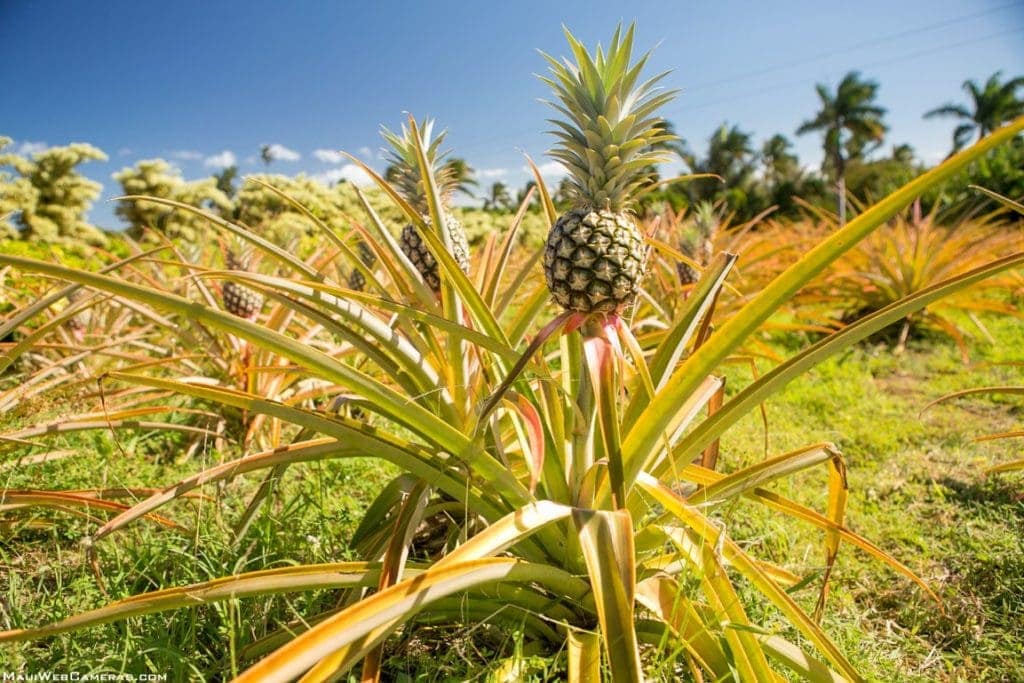
For many travelers, the image of Hawaii is inextricably linked to the sight of a golden, ripe pineapple. This iconic fruit has served as a symbol of the islands’ hospitality and tropical allure for over a century. However, as global trade patterns shifted and agricultural landscapes evolved, many visitors now ask: “Do pineapples still grow in Hawaii?” The answer is a resounding yes, though the scale and nature of the industry have transformed significantly. Today, pineapples in the United States are less of a mass-produced commodity for canning and more of a cornerstone of the local tourism and culinary identity. Exploring the world of Hawaiian pineapples offers a unique window into the history, culture, and flavors of the islands.
The Historical Tapestry of Pineapple Cultivation in the Islands
To understand why pineapples are so significant to Hawaii, one must look back at how this non-native fruit came to dominate the landscape. Despite their deep association with the Pacific, pineapples are actually indigenous to South America. Historians believe they were first introduced to the islands in the late 18th or early 19th century, likely brought by explorers or traders.
From South America to the Pacific: The Arrival of the Fruit
The first recorded mention of pineapples in Hawaii appeared in the diary of Don Francisco de Paula Marin, a Spanish advisor to King Kamehameha I, in 1813. While the fruit thrived in the volcanic soil and warm climate, it wasn’t until the industrial age that it became a major economic force. By the late 1800s, commercial cultivation began to take root, but the challenge remained in transporting the highly perishable fruit to markets in California and beyond. The invention of the automated peeling and coring machine by Henry Ginaca revolutionized the industry, allowing for massive-scale canning operations that could ship Hawaiian pineapples worldwide.
The Era of “The Pineapple Island”
The 20th century marked the golden age of the pineapple industry in the United States. James Dole, often referred to as the “Pineapple King,” established the Hawaiian Pineapple Company, which later became the Dole Food Company. In 1922, James Dole purchased the entire island of Lanai and transformed it into the world’s largest pineapple plantation. For decades, Lanai produced 75% of the world’s pineapple supply, earning it the nickname “The Pineapple Island.”
However, as labor costs rose in Hawaii, major companies like Del Monte and Dole Food Company began moving their large-scale canning operations to countries like the Philippines, Thailand, and Costa Rica. By the early 2000s, the era of the massive Hawaiian cannery had largely come to an end. Today, the focus has shifted toward fresh fruit production for local consumption and high-end tourism experiences, ensuring that the legacy of the fruit remains a vital part of the Hawaiian identity.
Modern Agritourism: Experiencing the Pineapple Harvest Firsthand
While you may no longer see endless miles of pineapple fields covering every island, the tourism industry has embraced the fruit’s legacy. Agritourism has become a popular way for visitors to connect with the land and understand the labor-intensive process of growing these unique bromeliads.
The Dole Plantation: An Iconic Oahu Landmark
One of the most visited tourist attractions in Hawaii is the Dole Plantation located in Wahiawa on the island of Oahu. Originally a fruit stand in the 1950s, it has evolved into a comprehensive “Pineapple Experience.” Visitors can board the Pineapple Express, a narrated train tour that winds through fields showing various stages of the plant’s growth.
The plantation also features the Pineapple Garden Maze, which was recognized in 2008 as the world’s largest maze. For those interested in botany, the Pineapple Variety Garden showcases different species of the fruit, ranging from the tiny ornamental varieties to the large, sugary fruits we recognize in stores. A visit to Wahiawa isn’t complete without tasting the world-famous Dole Whip, a dairy-free soft serve that has gained a cult following among travelers.
The Maui Gold Pineapple Farm: A Hands-on Rural Adventure
On the island of Maui, the tradition of cultivation continues through the Maui Gold Pineapple Farm. Located in the cool, breezy slopes of Hali’imaile in Upcountry Maui, this farm produces the Maui Gold variety, known for its low acidity and high sugar content.
Taking a guided tour at this farm offers a more intimate look at modern agriculture. Guests are driven through the working fields in rugged vehicles, where they can see workers hand-harvesting the fruit. A key takeaway for many tourists is learning that a single pineapple takes approximately 18 to 24 months to reach maturity. The tours often conclude with a tasting session and a complimentary “airport-ready” pineapple, allowing visitors to take a piece of the Valley Isle home with them.

The Culinary and Cultural Legacy of the Pineapple in Hawaii
The presence of pineapples in Hawaii extends far beyond the fields. The fruit has woven itself into the fabric of local culture and the islands’ world-renowned culinary scene.
The Symbolism of Hospitality and Aloha
In Hawaii, the pineapple is a universal symbol of Aloha. It represents a warm welcome, hospitality, and friendship. You will find pineapple motifs in everything from the architecture of historic buildings in Honolulu to the intricate patterns of Hawaiian heirloom jewelry and aloha shirts. When you enter a resort in Waikiki or a boutique hotel in Kapalua, the presence of pineapple-infused water or pineapple-shaped decor is a deliberate nod to this long-standing tradition of welcoming guests.
Plantation-to-Table: Pineapple in Local Gastronomy
The “Plantation Era” brought together workers from China, Japan, Portugal, and the Philippines, creating a culinary melting pot. Pineapple became a staple ingredient in this fusion cuisine. In modern Hawaiian dining, the fruit is utilized in both sweet and savory applications.
For a true taste of the island, many travelers head to the Hali’imaile General Store, where renowned chefs incorporate Maui Gold into sophisticated dishes like grilled pineapple salsa or pineapple-upside-down cake. At local Farmers Markets in Kauai or Hilo, you can find “White Pineapple,” a rare, cream-colored variety that is much sweeter and less acidic than the standard yellow fruit. This variety is so delicate that it is rarely exported, making it a “must-try” for any food-focused tourist visiting the Big Island.
Essential Tips for Travelers and Fruit Enthusiasts
If you are planning a trip to Hawaii and want to make the most of your pineapple-themed adventures, there are several practical considerations to keep in mind.
Selecting and Shipping the Perfect Fruit
One of the most common questions tourists have is how to get these delicious fruits back to the mainland United States. Because of strict Department of Agriculture regulations, you cannot simply toss a pineapple from a grocery store into your suitcase. However, the process is made easy by local vendors.
At Daniel K. Inouye International Airport in Honolulu, and other major hubs like Kahului Airport, there are specialized kiosks that sell pre-inspected, boxed pineapples. These boxes are certified for transport and can be carried on or checked as luggage. Alternatively, many farms like those in Waialua offer shipping services that deliver the fruit directly to your doorstep via air courier, ensuring maximum freshness.
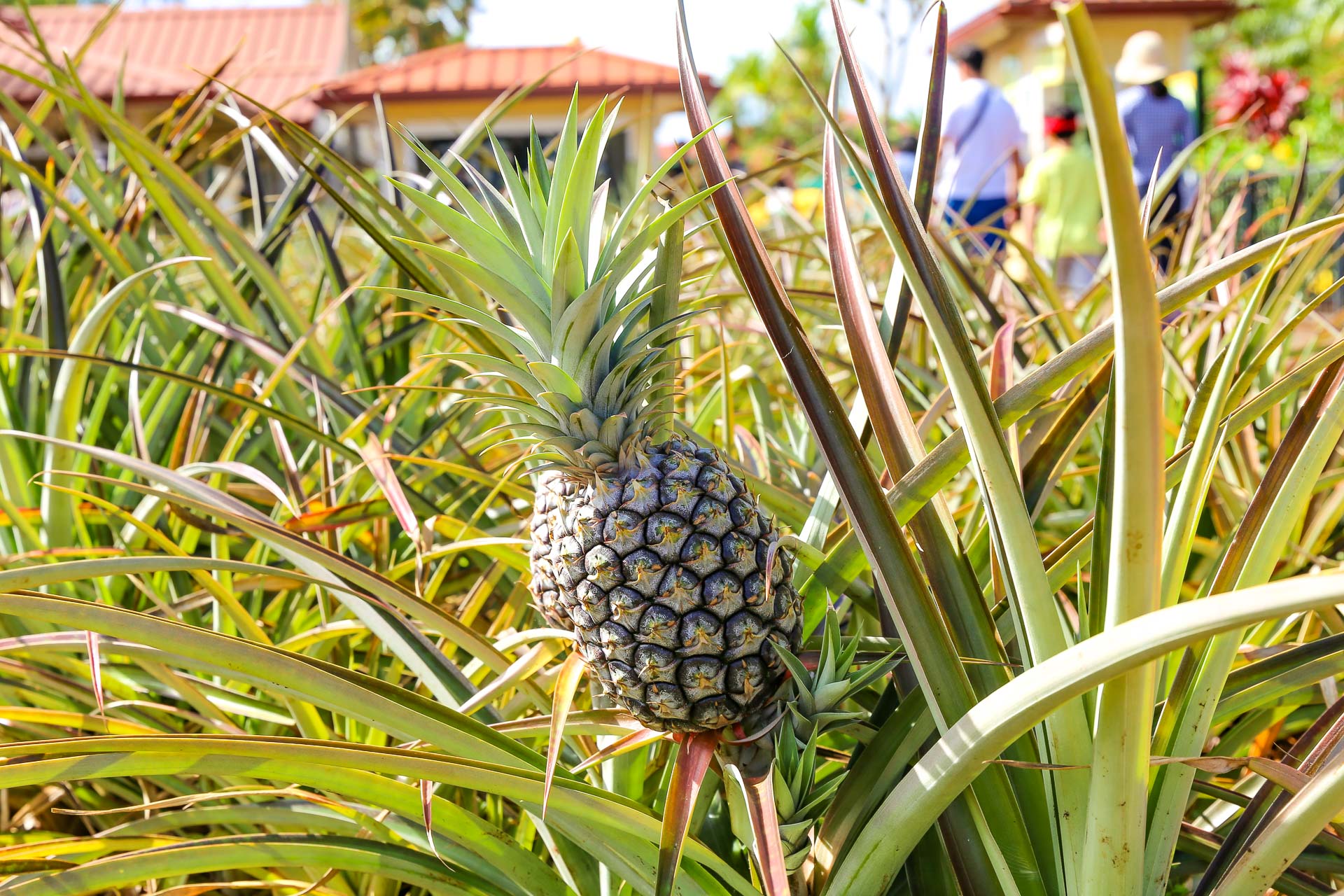
When selecting a pineapple at a local market in Makawao or Kapaa, look for a fruit that feels heavy for its size and has a fragrant, sweet aroma at the base. Contrary to popular belief, the ease with which a leaf pulls out of the crown is not a definitive indicator of ripeness; scent and skin “give” are much more reliable.
Respecting the Land and Supporting Local Agriculture
As Hawaii continues to move toward a more sustainable future, supporting local pineapple growers is a great way for tourists to practice responsible travel. By visiting smaller farms and buying locally-grown varieties, you help preserve the agricultural heritage of the islands.
When visiting rural areas like the North Shore of Oahu or the interior of Kauai, always stay on marked paths and respect private property. Many of the remaining pineapple fields are part of active working farms. Engaging with local guides, such as those found through the Polynesian Cultural Center or local farm bureaus, provides a deeper appreciation for the “Malama ‘Aina” (care for the land) philosophy that is central to Hawaiian culture.
In conclusion, while the days of Hawaii being the “Pineapple Capital of the World” in terms of volume may have passed, the fruit’s spirit is more vibrant than ever. From the educational tours at the Dole Plantation to the exquisite flavors of a Maui Gold harvested at the peak of ripeness, the pineapple remains an essential part of the Hawaiian experience. Whether you are exploring the history of Lanai or enjoying a tropical cocktail in Waikiki, the pineapple serves as a delicious reminder of the islands’ rich past and its enduring commitment to hospitality.
LifeOutOfTheBox is a participant in the Amazon Services LLC Associates Program, an affiliate advertising program designed to provide a means for sites to earn advertising fees by advertising and linking to Amazon.com. Amazon, the Amazon logo, AmazonSupply, and the AmazonSupply logo are trademarks of Amazon.com, Inc. or its affiliates. As an Amazon Associate we earn affiliate commissions from qualifying purchases.