
The majestic polar bear, a symbol of the Arctic Circle’s pristine wilderness, captivates the imagination of travelers and wildlife enthusiasts worldwide. For those dreaming of an unparalleled adventure, a common question arises: “Do polar bears live in Alaska?” The answer is a resounding yes! Alaska, the largest state in the United States, boasts a significant population of these magnificent creatures, primarily inhabiting its northernmost regions along the Beaufort Sea and Chukchi Sea coasts. This makes Alaska an extraordinary destination for those seeking to witness polar bears in their natural habitat, offering a unique blend of breathtaking scenery, rich cultural experiences, and unparalleled wildlife viewing opportunities.
Exploring the realm of the polar bear in Alaska is more than just a wildlife sighting; it’s an immersive journey into one of the planet’s last true wildernesses. From the rugged beauty of the North Slope to the vibrant communities that have coexisted with these animals for millennia, a trip to see Alaska’s polar bears promises to be an unforgettable chapter in any traveler’s adventures. This guide delves into where these iconic predators roam, how travelers can responsibly experience their world, and the essential considerations for planning such an epic Arctic expedition.

The Arctic Realm of Alaska’s Polar Bears
Alaska’s vast and sparsely populated Arctic regions are the primary domain of polar bears within the United States. These areas are characterized by extensive sea ice, which is crucial for the bears’ survival. Polar bears primarily rely on sea ice as a platform for hunting seals, their main food source, and for travel and breeding. The presence of stable, ice-rich waters dictates their distribution, making the remote coastal areas of northern Alaska their preferred habitat.
Where to Find Polar Bears in Alaska
While polar bears roam vast territories, certain areas in Alaska are renowned for their greater likelihood of sightings due to their unique geographical features and the concentration of sea ice.
One of the most well-known locations is Utqiagvik, formerly known as Barrow. As the northernmost city in the United States, Utqiagvik sits directly on the Chukchi Sea coast. During certain times of the year, particularly late fall, receding sea ice can push polar bears closer to the coast as they await the ice to refreeze. While direct sightings within the town are rare and often managed for safety, the surrounding areas provide opportunities through guided tours. Travel to Utqiagvik typically involves flying from major hubs like Anchorage or Fairbanks, making it an accessible, albeit remote, destination for dedicated wildlife observers.
Another prime location, perhaps even more famous for reliable polar bear sightings, is Kaktovik. This small Inupiat village is situated on Barter Island within the Arctic National Wildlife Refuge (ANWR) along the Beaufort Sea coast. Kaktovik has become a global hotspot for polar bear viewing, especially in September and October. During these months, the local Inupiat community is allowed to conduct a subsistence hunt of bowhead whales. The whale carcasses, after processing, are left on the shorelines, attracting numerous polar bears that congregate to feed on the remains. This unique phenomenon provides unparalleled opportunities for photographers and wildlife enthusiasts to observe polar bears from boats, often at a respectful distance. Visitors fly into Kaktovik via scheduled air service, typically from Fairbanks, and arrange their tours with local Native Alaskan guides who are experts in navigating the local waters and understanding bear behavior.

Further west, near Prudhoe Bay (often accessed through the nearby town of Deadhorse), there are also opportunities to see polar bears, though less reliably than Kaktovik. This industrial hub serves as a gateway to the oil fields and the wider Arctic, and occasionally, bears are sighted traversing the landscape or along the coast. Some specialized tours operating out of Deadhorse may offer opportunities to spot polar bears, alongside other Arctic wildlife like caribou and muskoxen, but these are generally less focused on polar bear viewing specifically.
A Vital Ecosystem and Its Inhabitants
The Arctic environment supporting Alaska’s polar bears is fragile and critically important. The sea ice acts as a lifeline, and its fluctuations due to climate change significantly impact the bears’ hunting success and overall population health. Understanding this delicate balance is crucial for any traveler venturing into their domain. Beyond polar bears, this ecosystem supports a diverse array of wildlife including seals, whales, Arctic foxes, and various bird species, making it a rich tapestry of life adapted to extreme conditions. The dramatic landscapes, from expansive tundra to ice-choked waters, provide a stark yet beautiful backdrop to this unique habitat. This connection to a vital, yet vulnerable, ecosystem underscores the importance of responsible travel and ethical wildlife observation when visiting.
Embarking on a Polar Bear Expedition: Travel and Tourism
A journey to see polar bears in Alaska is an adventure travel experience unlike any other. It requires meticulous planning, a spirit of adventure, and a deep respect for the environment and local cultures. This isn’t a typical resort vacation; it’s an immersion into an extreme environment that rewards the well-prepared and environmentally conscious traveler.
Responsible Wildlife Viewing: Ethics and Safety
The allure of seeing a polar bear up close is powerful, but it comes with significant responsibilities. Ethical wildlife viewing practices are paramount to ensure the safety of both humans and bears, and to minimize disturbance to these magnificent animals.
- Maintain Distance: Always maintain a safe and respectful distance from polar bears. This is not only for your safety but also to prevent habituation, which can be detrimental to the bears. Professional guides are trained to judge appropriate distances.
- Never Feed Wildlife: Feeding polar bears or any wild animal can alter their natural behaviors, making them reliant on human food sources and potentially dangerous.
- Minimize Disturbance: Avoid sudden movements, loud noises, or any actions that might stress or provoke the bears. Follow your guide’s instructions implicitly.
- Support Local, Ethical Operators: Choose tour companies that prioritize conservation, employ local guides, and adhere to strict ethical guidelines for wildlife viewing. These operators understand the delicate balance of the Arctic ecosystem and the importance of sustainable tourism. Many tours in Kaktovik, for instance, are run by Inupiat community members who offer invaluable insights into the local environment and culture.
- Leave No Trace: Pack out everything you pack in. The Arctic environment is incredibly fragile, and even small amounts of litter can have a significant impact.
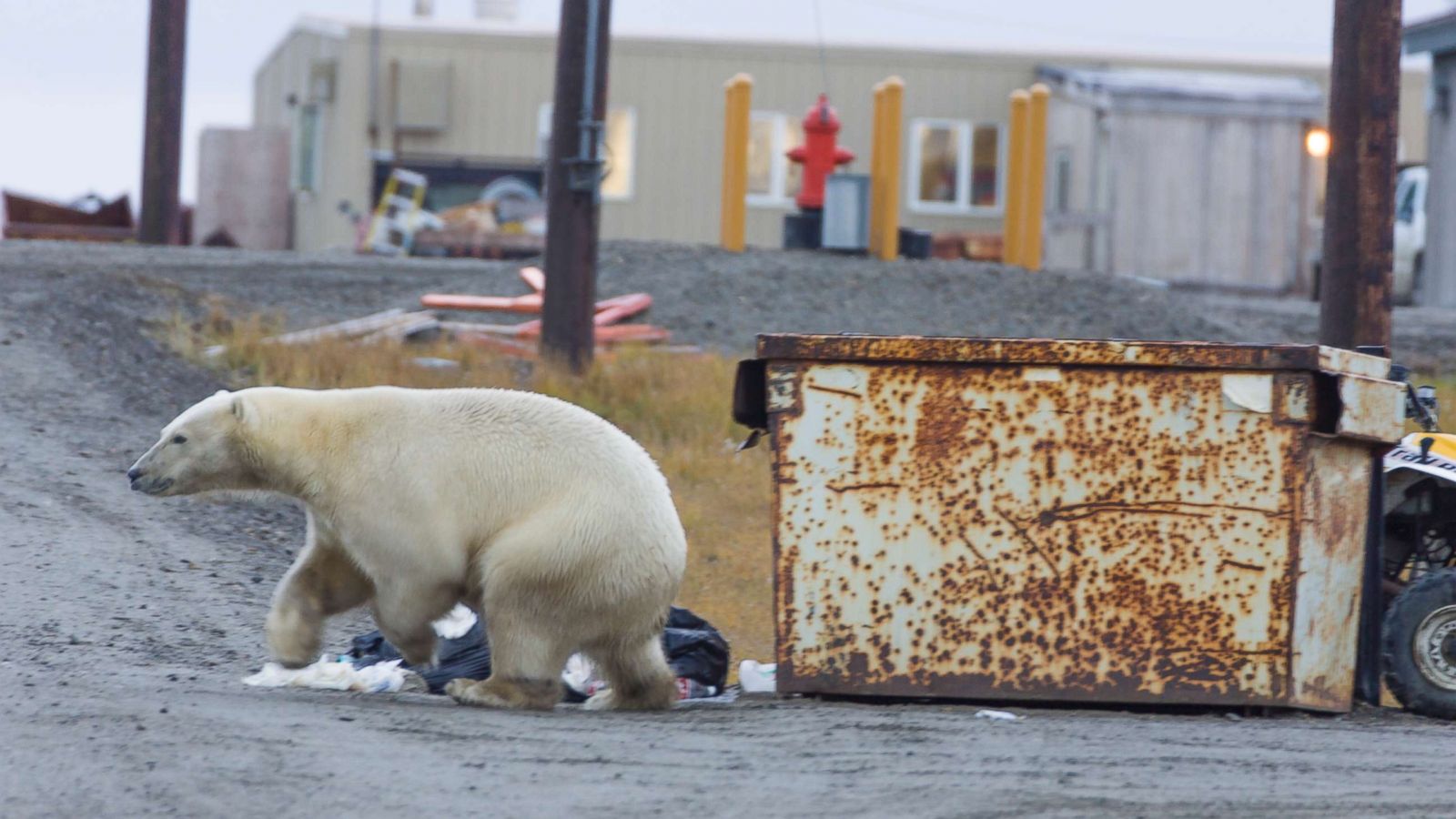
Safety is also a critical consideration. Polar bears are powerful predators. Traveling with experienced, armed guides who understand bear behavior and safety protocols is not just recommended, but essential. Briefings on safety procedures, what to do in an encounter, and how to stay safe will be standard practice with any reputable tour operator.
Planning Your Arctic Adventure: Lodging and Logistics
Embarking on a polar bear expedition involves a detailed understanding of travel logistics and accommodation options, which differ significantly from mainstream tourism.
Best Time to Visit: The optimal time for polar bear viewing in Alaska is generally late summer and fall, specifically September and October. During these months, the sea ice is at its minimum, pushing bears closer to the coast, particularly around Kaktovik where they gather for whale remains. Early spring (March-April) might offer opportunities for seeing mothers with cubs as they emerge from dens, but these sightings are far more challenging to plan for.
Transportation: Accessing Alaska’s Arctic region typically involves flying. Major airlines offer flights into Anchorage (Ted Stevens Anchorage International Airport) or Fairbanks (Ted Stevens Fairbanks International Airport). From these hubs, visitors then take smaller commuter flights to destinations like Utqiagvik or Kaktovik. These flights are weather-dependent and can experience delays, so flexibility in your itinerary is crucial. Some adventure tour companies also offer chartered flights or specialized tours that include air transport as part of a package.
Accommodation: Accommodation in Alaska’s Arctic is limited and primarily functional, rather than luxurious. In places like Utqiagvik or Kaktovik, you’ll find local guesthouses, small hotels, or lodges that cater to visitors and researchers. Options might include the Top of the World Hotel in Utqiagvik or locally-run lodges in Kaktovik like the Marsh Creek Inn or Waldon’s Place. These establishments offer basic but comfortable amenities, often including shared bathrooms and communal dining areas. Given the remote nature of these destinations, it is highly recommended to book accommodation and tours well in advance, as availability is extremely limited, especially during peak viewing season. Many visitors opt for all-inclusive tour packages that handle flights, lodging, and guided excursions to simplify the planning process.
Tour Operators: Selecting a reputable tour operator is perhaps the most critical decision. Look for companies with extensive experience in Arctic wildlife viewing, strong safety records, and a commitment to responsible tourism. Companies like Alaska Bear Adventures or local Kaktovik tour guides often come highly recommended. They provide not only the means to see polar bears but also invaluable interpretive guidance, helping visitors understand the biology of the bears, the ecosystem, and the culture of the Inupiat people.
Beyond the Bears: Exploring Alaska’s Arctic Lifestyle and Culture
A trip to Alaska’s Arctic isn’t just about spotting polar bears; it’s an opportunity to connect with a unique lifestyle, deeply intertwined with the unforgiving yet beautiful landscape. The communities here represent generations of resilience, adaptability, and cultural richness.
The Indigenous Perspective: Living with the Arctic
The Inupiat people, indigenous to the North Slope of Alaska, have coexisted with polar bears for thousands of years. Their traditional knowledge and practices are invaluable for understanding the Arctic environment. Many of the best polar bear viewing experiences are facilitated by Inupiat guides who share their insights into bear behavior, local ecology, and their cultural heritage. Engaging with these communities, perhaps through cultural centers or local museums in Utqiagvik, can add a profound dimension to your trip, offering a glimpse into a way of life that has thrived in extreme conditions. Their stories and traditions reflect a deep respect for the land and its creatures, a respect that visitors should emulate. Learning about their subsistence hunting practices, which are sustainable and essential to their culture, also provides context to phenomena like the whalebone piles that attract bears in Kaktovik.
Preparing for Your Arctic Journey: Essentials for the Explorer
The Arctic environment demands thorough preparation, especially concerning clothing and gear. Temperatures can drop significantly, even in late summer, and wind chill can make it feel much colder.
Essential Packing List:
- Layered Clothing: This is paramount. Start with a moisture-wicking base layer (merino wool or synthetic), add an insulating mid-layer (fleece or down), and finish with a waterproof and windproof outer shell.
- Extreme Cold Weather Outerwear: A heavy-duty, insulated parka, snow pants, and waterproof boots rated for sub-zero temperatures are essential, especially for boat tours.
- Headwear: A warm hat that covers your ears, a neck gaiter or balaclava, and possibly a hood on your parka.
- Gloves/Mitts: Layered hand protection is key—thin liner gloves under insulated, waterproof mittens.
- Footwear: Insulated, waterproof boots (e.g., Baffin or Sorel brands) with thick wool socks. Bring several pairs.
- Photography Gear: A telephoto lens is a must for capturing images of bears from a safe distance. Protect your electronics from the cold with extra batteries (they drain quickly in cold) and waterproof bags. A sturdy tripod can also be invaluable.
- Personal Items: Sunscreen and UV-protective sunglasses (snow glare can be intense), lip balm, personal medications, and a small backpack for day excursions.
- Emergency Kit: Though guides will have one, it’s wise to carry a personal emergency kit including a headlamp, whistle, and basic first-aid supplies.
Beyond packing, a certain mindset is required. Be prepared for rustic conditions, potential travel delays, and the humbling power of nature. Embrace the adventure, remain flexible, and absorb every moment of this incredible experience.
Conservation Efforts and the Future of the Arctic
The presence of polar bears in Alaska is a powerful indicator of the health of the Arctic ecosystem. However, these magnificent animals face significant threats, primarily from climate change. The rapid melting of Arctic sea ice, their primary hunting platform, poses an existential risk to polar bear populations globally.
Conservation efforts in Alaska and beyond are focused on monitoring bear populations, protecting critical habitats, and advocating for policies that address climate change. Organizations like the World Wildlife Fund and the U.S. Fish and Wildlife Service are actively involved in research and protection initiatives within the Arctic National Wildlife Refuge and other key areas. Travelers who visit these regions play a subtle yet important role by choosing responsible tour operators and by returning home as ambassadors for Arctic conservation, sharing their experiences and educating others about the challenges facing this unique environment. Sustainable tourism helps to provide economic incentives for local communities to protect their natural resources and wildlife.
In conclusion, polar bears absolutely live in Alaska, inhabiting the remote and stunning Arctic coastline. For the adventurous traveler seeking an unparalleled wildlife encounter coupled with a deep dive into an extraordinary landscape and culture, a polar bear expedition in Alaska represents the pinnacle of Arctic travel. By approaching this journey with respect, preparedness, and an unwavering commitment to responsible tourism, visitors can contribute to the preservation of these iconic creatures and their vital, breathtaking home.
LifeOutOfTheBox is a participant in the Amazon Services LLC Associates Program, an affiliate advertising program designed to provide a means for sites to earn advertising fees by advertising and linking to Amazon.com. Amazon, the Amazon logo, AmazonSupply, and the AmazonSupply logo are trademarks of Amazon.com, Inc. or its affiliates. As an Amazon Associate we earn affiliate commissions from qualifying purchases.