
The question of whether Puerto Rico desires statehood is a complex and deeply personal one, echoing through the island’s history and influencing its present and future. Far from a simple yes or no, it’s a debate steeped in identity, economics, political power, and cultural preservation. For visitors drawn to Puerto Rico‘s vibrant culture, stunning natural beauty, and rich history, understanding this ongoing conversation adds another layer to their appreciation of this captivating U.S. territory.
From the sun-drenched beaches of Vieques and Culebra to the colonial charm of Old San Juan, Puerto Rico offers an unparalleled travel experience. Its allure extends beyond pristine landscapes to encompass a lively arts scene, delectable cuisine, and a profound sense of community. Yet, beneath the surface of this tropical paradise lies a persistent political quandary: its territorial status.

The Echoes of History: A Legacy of Status
Puerto Rico‘s relationship with the United States is a story woven through centuries of change. Discovered by Christopher Columbus in 1493, it was ceded by Spain to the United States following the Spanish-American War in 1898. Since then, Puerto Rico has been an unincorporated territory, meaning the U.S. Constitution does not fully apply, and its residents are U.S. citizens but cannot vote in presidential elections and have no voting representation in Congress.
This unique status has fostered a distinct Puerto Rican identity, proud of its Spanish and African heritage, its unique dialect of Spanish, and its vibrant cultural traditions. Yet, it also comes with significant limitations. Economically, Puerto Rico has faced persistent challenges, including high unemployment and a substantial debt crisis. The lack of full representation in Washington D.C. means that Puerto Ricans have limited say in the policies that directly impact their lives.
The debate over Puerto Rico‘s political future has been ongoing for decades, with various plebiscites and referendums attempting to gauge public opinion. These votes have often been contested, with differing interpretations of the results and significant political polarization. The three main options consistently emerge:
- Statehood: Becoming the 51st state of the United States, granting full political rights and representation.
- Independence: Becoming a sovereign nation, severing ties with the United States.
- Enhanced Commonwealth Status: Maintaining the current territorial status but with greater autonomy and potentially more economic benefits.
Each of these options carries profound implications for Puerto Rico‘s economy, culture, and its people’s sense of self. For many Puerto Ricans, the aspiration for statehood is rooted in a desire for equality, full democratic participation, and economic stability. They envision a future where Puerto Rico is treated with the same respect and afforded the same rights as any other state.
Tourism and the Statehood Question: An Intertwined Narrative
For the millions who visit Puerto Rico each year, drawn by its world-class resorts like the Dorado Beach, a Ritz-Carlton Reserve, its historic sites such as El Morro in Old San Juan, and its vibrant culinary scene, the political status might seem like a distant concern. However, the ongoing debate and the island’s territorial status directly influence the tourism landscape in several ways.
Economic Impacts on Travel and Accommodation

The economic challenges facing Puerto Rico, partly attributed to its territorial status, can indirectly affect the travel experience. While the island boasts incredible value for travelers, economic instability can sometimes lead to underinvestment in infrastructure or public services, which can impact tourist amenities. Conversely, a clear and stable political future, such as through statehood, could attract more direct U.S. federal investment, potentially leading to improvements in airports, roads, and other crucial tourist infrastructure.
The U.S. tourism industry often looks to destinations that offer ease of access and familiar legal frameworks. Statehood could streamline certain regulations and potentially make it even more attractive for U.S. airlines and hotel chains to invest further, leading to more direct flights and a wider range of accommodation options, from luxury villas in Dorado to boutique hotels in Condado. This could further enhance the accommodation offerings for budget travelers and luxury seekers alike.
Cultural Preservation and Identity
The debate over statehood also touches upon the deeply ingrained Puerto Rican culture. Supporters of statehood argue that it would not mean the erasure of Puerto Rican identity. They point to Hawaii, another state with a unique cultural heritage, as an example of a place that has retained its distinctiveness while being part of the United States. They believe that Puerto Rico‘s vibrant traditions, its music, its art, and its language would continue to thrive, perhaps even amplified on a national stage.
On the other hand, those advocating for independence or enhanced commonwealth status often express concerns that statehood could lead to the erosion of Puerto Rican culture and language, as English becomes more dominant. They champion the preservation of Puerto Rico‘s unique Hispanic heritage and fear that statehood might dilute this distinctiveness, leading to a homogenization that would be detrimental to the island’s soul.
For travelers seeking authentic local culture, this interplay of identity and political aspiration is fascinating. Engaging with Puerto Rican communities, experiencing their music, tasting their cuisine – from mofongo to lechón – and visiting historical landmarks, provides a firsthand glimpse into the spirit that fuels these important conversations. Understanding the nuances of the statehood debate can enrich a visitor’s appreciation for the resilience and pride of the Puerto Rican people.
The Future of Puerto Rico: A Glimpse Through the Eyes of Its People
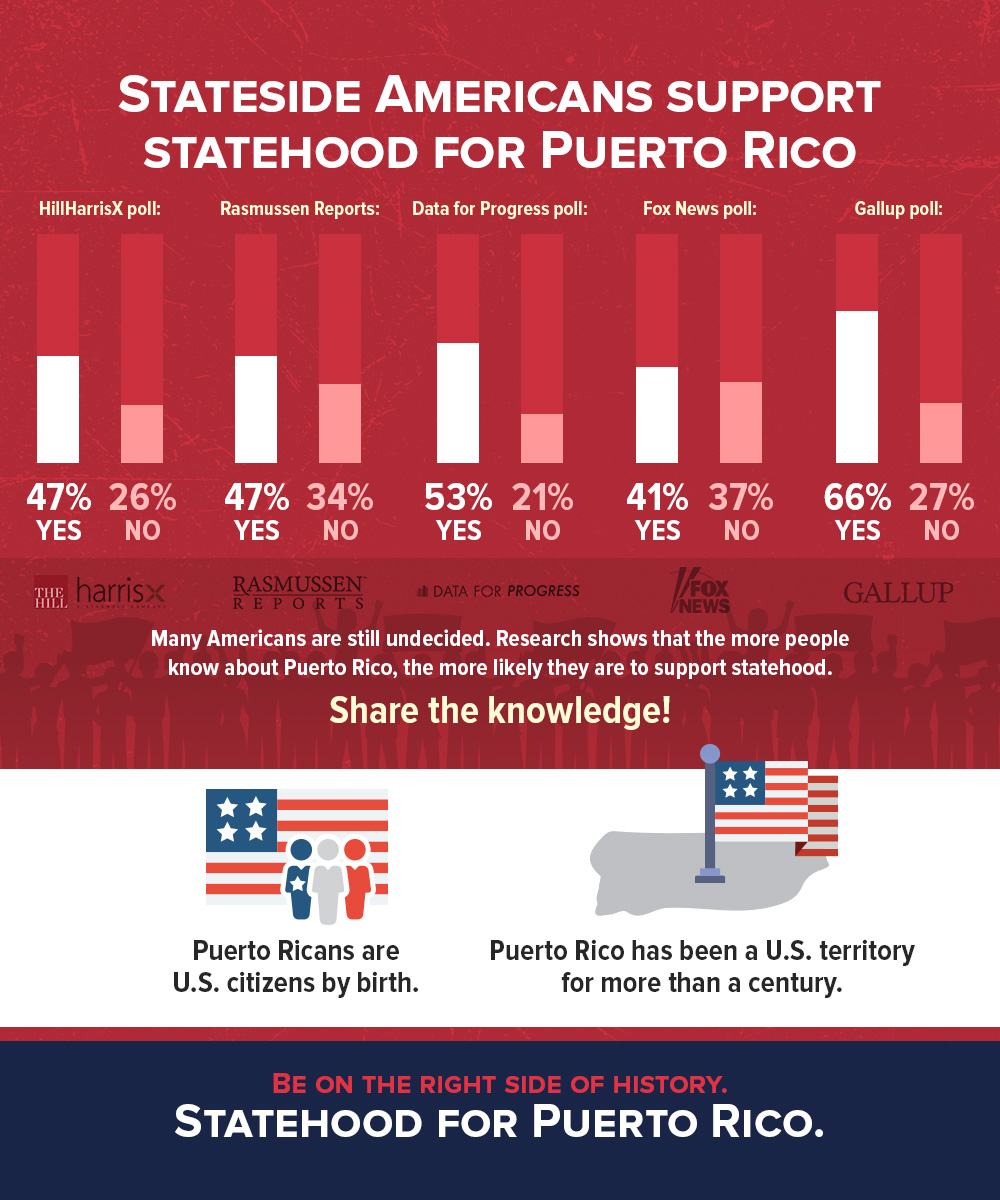
The question of Puerto Rico‘s statehood is not a hypothetical exercise; it is a matter of profound consequence for its citizens. The island’s residents are the ultimate arbiters of their destiny. Their voices, expressed through elections, protests, and everyday conversations, shape the ongoing narrative.
Many Puerto Ricans who have moved to the United States mainland, particularly to cities like Orlando and New York City, have experienced the rights and responsibilities of state citizenship firsthand. Their perspectives often inform the debate, bringing diverse viewpoints back to the island.
The economic arguments for statehood are significant. Proponents believe that statehood would bring Puerto Rico under the full umbrella of U.S. federal laws, potentially leading to parity in Social Security and Medicare benefits, increased federal funding for infrastructure and education, and a more stable economic environment that would encourage business investment and job creation. This could translate into more affordable travel experiences and a greater number of high-quality accommodation options.
However, the path to statehood is not straightforward. It requires Congressional approval, and there are significant political hurdles to overcome in Washington D.C. The complexities of this process, coupled with the deep divisions within Puerto Rico itself, mean that the debate is likely to continue for some time.
For travelers who fall in love with Puerto Rico – its stunning natural attractions like the El Yunque National Forest, its lively cityscapes in Ponce and San Juan, its charming small towns, and its welcoming people – the island’s future political status is a crucial element of its story. It is a story of resilience, of identity, and of a people striving for a future that aligns with their aspirations. Whether Puerto Rico eventually becomes the 51st state, gains independence, or finds a new form of self-governance, its captivating spirit and its appeal as a travel destination will undoubtedly endure. The journey of Puerto Rico is one that continues to unfold, inviting understanding and engagement from all who are drawn to its shores.
LifeOutOfTheBox is a participant in the Amazon Services LLC Associates Program, an affiliate advertising program designed to provide a means for sites to earn advertising fees by advertising and linking to Amazon.com. Amazon, the Amazon logo, AmazonSupply, and the AmazonSupply logo are trademarks of Amazon.com, Inc. or its affiliates. As an Amazon Associate we earn affiliate commissions from qualifying purchases.