
The Allure of Wild Foraging in the Last Frontier
The call of the wild, particularly when it comes to culinary exploration, draws many adventurous travelers to unique destinations. Foraging, the ancient practice of gathering wild food, offers a profound connection to the land and its traditions, enriching the experience of any locale. In Alaska, the sheer vastness and untamed beauty create an ideal canvas for such activities, sparking curiosity about what edible treasures might lie hidden within its forests and tundras. One particular plant, the ramp (also known as wild leek), holds a near-mythical status among food enthusiasts for its pungent, garlicky-onion flavor, often signaling the true arrival of spring in temperate forests. The question of whether these prized edibles grace the wilds of Alaska is a common one for those exploring the state’s potential for food tourism and unique outdoor activities.
Understanding Ramps: A Culinary Treasure
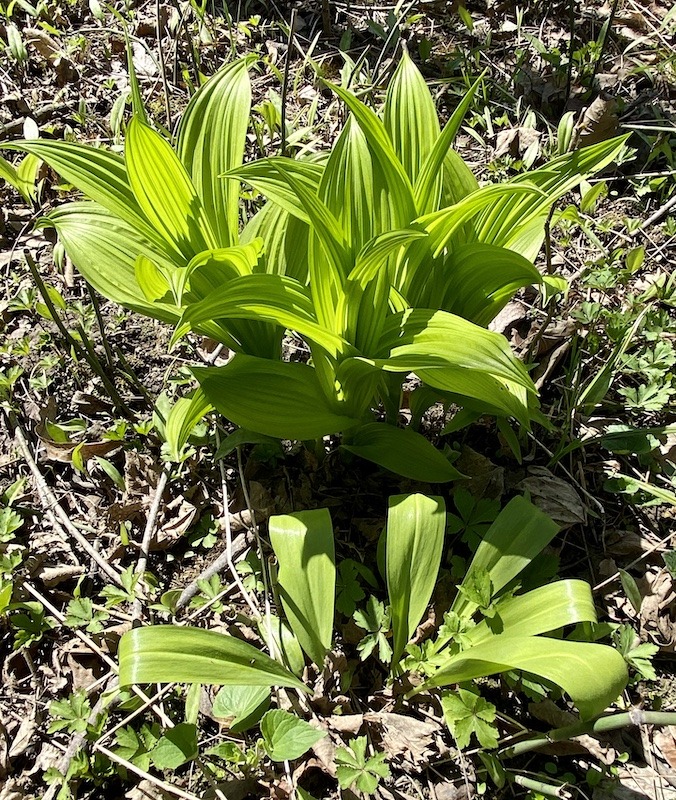
Ramps (Allium tricoccum) are perennial wild onions native to the deciduous forests of eastern North America. They are distinguished by their broad, smooth, light green leaves, often tinged with purple or deep red on the lower stems, and a strong aroma that is a delightful cross between garlic and onion. Their season is fleeting, typically appearing for only a few weeks in early spring, making them highly sought after by chefs and home cooks alike. The intense flavor profile of ramps lends itself to a myriad of culinary applications, from pickling and sautéeing to infusing oils and butters, embodying the very essence of spring on a plate. This ephemeral nature and distinctive taste contribute to their celebrity status in the culinary world, driving significant interest in their natural habitats and the experience of harvesting them.
The Alaskan Foraging Landscape
Alaska, with its diverse ecosystems ranging from coastal rainforests to arctic tundra, is undoubtedly a forager’s paradise. The state boasts an incredible array of edible plants, berries, mushrooms, and sea vegetables, each with its own season and preferred habitat. Visitors interested in food tourism often seek out experiences like berry picking in late summer, mushroom hunting in the fall, or gathering nutrient-rich seaweed along the expansive coastline. However, the specific conditions required for ramps—namely, well-drained, rich soil in shady, deciduous forests with a distinct spring thaw—are primarily found in more temperate climates farther south and east. This climatic distinction is key to understanding why ramps, as they are traditionally known, are not part of Alaska’s native flora.
Debunking the Myth: Ramps vs. Wild Leeks of Alaska
The simple answer to whether ramps grow wild in Alaska is no; the specific species Allium tricoccum does not naturally occur here. This distinction is crucial for travelers and culinary enthusiasts planning a foraging trip to the Last Frontier. While the romantic idea of finding a patch of classic ramps might persist, the reality is that Alaska offers its own unique, equally compelling wild alliums and other flavorful greens that provide a similar culinary thrill.
Botanical Distinctions and Regional Variations
The genus Allium is vast, encompassing onions, garlic, chives, and leeks, with numerous wild species found across the globe. While the eastern North American ramp is an Allium tricoccum, Alaska hosts several other wild Allium species, which are often colloquially referred to as wild onions, wild garlic, or sometimes even wild leeks by locals. These Alaskan varieties, though distinct from true ramps, offer similar aromatic qualities and can be used in much the same way in cooking. Understanding these botanical differences is not just an academic exercise; it’s essential for safe and responsible foraging, ensuring that foragers correctly identify edible species and avoid look-alikes that may be unpalatable or even toxic.
What You Will Find: Wild Onions and Garlic
Instead of ramps, intrepid food tourists in Alaska can delight in discovering species like wild chives (Allium schoenoprasum), nodding onions (Allium cernuum), and various other wild Allium species that thrive in the Alaskan environment. Wild chives, for instance, are abundant in many areas, particularly in rocky outcrops and along riverbanks, offering a milder oniony flavor. Nodding onions are identifiable by their distinctive drooping flower heads and can be found in a range of habitats from open woodlands to meadows. These Alaskan wild alliums provide that sought-after pungent kick, making them excellent substitutes for ramps in recipes and an exciting find for anyone interested in integrating local wild edibles into their culinary experiences. They are often found in coastal regions, interior forests, and even near major cities like Anchorage and Fairbanks, providing accessible foraging opportunities for visitors.
Foraging Safely and Responsibly in Alaska
Engaging in foraging activities in Alaska offers an unparalleled immersive experience, connecting travelers directly with the land and its bounty. However, like all outdoor activities in a wild environment, it requires preparation, knowledge, and a deep respect for nature. Forging responsibly is paramount to ensuring personal safety, preserving delicate ecosystems, and honoring local traditions.

Identifying Edible Plants: The Golden Rules
The most critical aspect of foraging is accurate identification. Misidentification can have serious consequences. Foragers in Alaska should adhere to several golden rules:
- Know Before You Go: Research local flora thoroughly. Invest in reliable field guides specific to Alaska and familiarize yourself with the characteristics of edible plants, as well as poisonous look-alikes.
- Positive Identification: Never consume a plant unless you are 100% certain of its identity. If in doubt, leave it out. This is especially true for Allium species, some of which can resemble poisonous plants like certain lily-of-the-valley varieties before they flower.
- Learn from Experts: Consider joining a guided foraging tour or workshop led by experienced local naturalists or foragers. This is an invaluable way to learn safe identification techniques and discover prime foraging spots.
- Observe Your Surroundings: Pay attention to the plant’s habitat, growth pattern, smell, and any distinctive features. These clues collectively contribute to positive identification.
Respecting the Environment and Indigenous Traditions
Foraging in Alaska is not just about gathering food; it’s about participating in a long-standing tradition deeply rooted in local culture and ecological stewardship.
- Harvest Sustainably: Never overharvest. Take only what you need and leave plenty for wildlife and for the plant to regenerate. A good rule of thumb is to take no more than 10-20% from a patch.
- Minimize Impact: Stay on established trails where possible, and avoid disturbing soil or surrounding vegetation unnecessarily. Pack out everything you pack in.
- Obtain Permissions: Always be aware of land ownership. Foraging may be restricted or require permits in national parks, state parks, or private lands. Check regulations with the Bureau of Land Management, Alaska Department of Fish and Game, or local authorities for specific areas.
- Cultural Sensitivity: Many Indigenous communities in Alaska have extensive traditional knowledge of wild edibles. Respect their practices and territories.
Essential Gear for the Alaskan Forager
A successful and comfortable foraging trip in Alaska requires appropriate gear:
- Durable Clothing: Layered, waterproof, and warm clothing suitable for variable Alaskan weather.
- Sturdy Footwear: Waterproof hiking boots are essential for traversing uneven and potentially wet terrain.
- Basket or Cloth Bag: For collecting your harvest, allowing air circulation. Avoid plastic bags if possible, as they can cause delicate plants to spoil quickly.
- Small Spade or Knife: For careful digging or cutting, depending on the plant.
- Field Guide: A comprehensive guide to Alaskan flora.
- First-Aid Kit: Basic supplies for minor cuts or scrapes.
- Water and Snacks: Stay hydrated and energized.
- Bear Spray: Alaska is bear country; carry bear spray and know how to use it.
Experiencing Alaskan Wild Flavors
While the quest for traditional ramps in Alaska may be a myth, the journey of discovering its native wild alliums and other foraged greens is an enriching experience that deepens one’s appreciation for the state’s natural pantry. This pursuit seamlessly integrates into a broader tapestry of Alaskan culinary tourism, offering unique flavors and unforgettable adventures.
Incorporating Wild Greens into Local Cuisine
Alaska’s culinary scene, particularly in cities like Juneau, Anchorage, and Seward, increasingly celebrates locally sourced ingredients, including wild edibles. Travelers can find innovative dishes featuring wild chives, nettles, fireweed shoots, and other seasonal greens on restaurant menus. These ingredients add distinct layers of flavor and a true taste of the Alaskan wilderness to fresh seafood, game meats, and vegetarian fare. Exploring local farmers’ markets also offers a chance to purchase wild greens directly from foragers or farmers who cultivate them, providing a taste of the wild without the need to forage oneself. Participating in cooking classes that highlight Alaskan ingredients can further enhance this culinary journey, teaching visitors how to transform their foraged finds into gourmet meals.
Guided Foraging Tours: A Taste of Alaska’s Bounty
For those eager to experience foraging but lacking expertise or the necessary gear, guided tours are an excellent option. Numerous eco-tourism operators and local experts across Alaska offer guided foraging excursions. These tours typically cater to small groups, providing personalized instruction on plant identification, sustainable harvesting techniques, and safe foraging practices. Participants learn about the ecological role of various plants, their historical uses by Indigenous peoples, and how to prepare them culinarily. A guided tour is not only an educational experience but also a safe way to immerse oneself in the Alaskan wilderness, often culminating in a shared meal where the day’s harvest is transformed into delicious dishes. These tours are available in diverse regions, from the temperate rainforests of Southeast Alaska to the interior’s expansive forests, each offering a unique set of edible discoveries.

Beyond the Hunt: Alaska’s Broader Culinary Tourism
While the absence of Allium tricoccum might initially disappoint some ramp enthusiasts, Alaska’s robust culinary tourism scene extends far beyond any single plant. The state offers an incredible array of food-focused experiences that highlight its pristine environment and rich cultural heritage. From fresh-caught salmon and halibut prepared in myriad ways to reindeer sausage, king crab, and local berries transformed into pies and jams, Alaska’s food scene is a testament to its natural abundance.
Travelers can partake in salmon bakes, explore craft breweries and distilleries that incorporate local ingredients, or visit sustainable farms and fisheries. Food festivals celebrating everything from wild berries to seafood are also prominent during the summer months, offering a vibrant way to engage with local communities and their culinary traditions. The pursuit of wild edibles, whether it’s wild chives, berries, or even spruce tips, becomes an integral part of this broader narrative, offering a deeper, more personal connection to Alaska’s unique flavors and the untamed spirit of the Last Frontier. It’s an invitation to explore, learn, and savor the distinct tastes of a truly wild landscape.
LifeOutOfTheBox is a participant in the Amazon Services LLC Associates Program, an affiliate advertising program designed to provide a means for sites to earn advertising fees by advertising and linking to Amazon.com. Amazon, the Amazon logo, AmazonSupply, and the AmazonSupply logo are trademarks of Amazon.com, Inc. or its affiliates. As an Amazon Associate we earn affiliate commissions from qualifying purchases.