
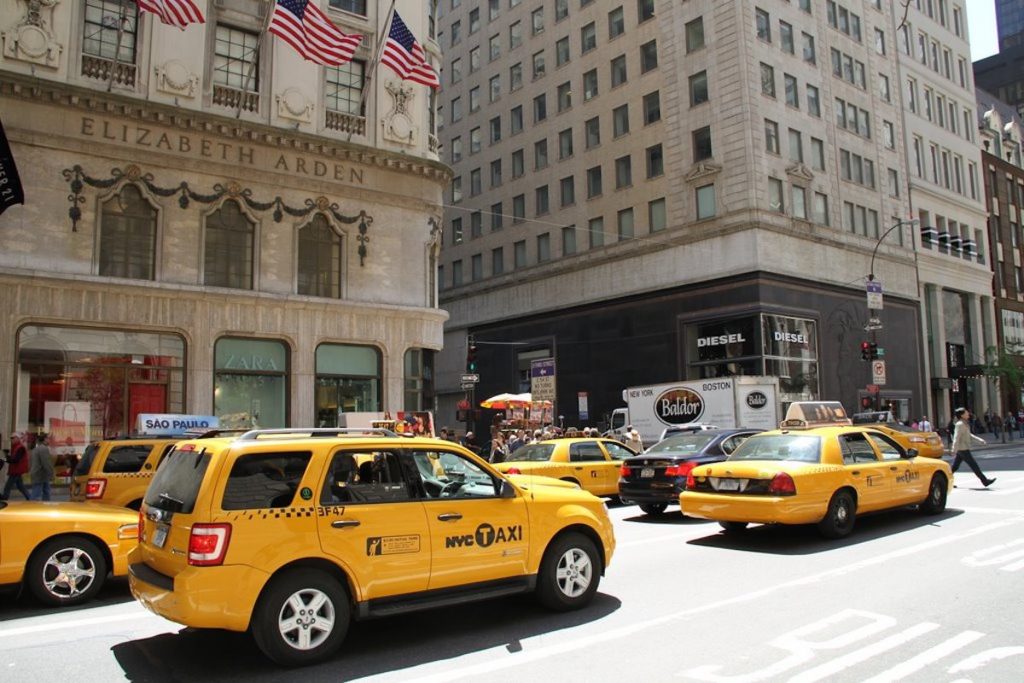
Navigating the bustling streets of New York can be an overwhelming experience for the uninitiated. Amidst the yellow sea of vehicles and the frantic pace of pedestrians in Manhattan, one question often crosses the mind of a traveler reaching for their wallet: can I pay for my ride with a credit card? The short answer is a definitive yes, but understanding the nuance of payment systems in the city’s iconic yellow cabs is essential for a seamless transit experience.
The Evolution of Payment in Yellow Cabs
For decades, the yellow taxi was synonymous with cash-only transactions. Passengers often found themselves scrambling to find an ATM or worrying about whether they had enough small bills to cover the fare from JFK International Airport to their hotel in Midtown. However, the landscape of transportation in New York City shifted significantly over the last fifteen years.

The Mandate for Modernization
In the mid-2000s, the Taxi and Limousine Commission implemented a major technological overhaul. All medallion taxis—the classic yellow vehicles recognized globally—were required to install Passenger Information Monitors (PIMs). These systems were not merely for viewing news or weather; they were designed to integrate secure credit card processing directly into the backseat.
Why Credit Cards Are Now Standard
Today, every active yellow taxi in the city is legally required to accept credit and debit cards, as well as mobile payment options like Apple Pay and Google Pay. This transition was driven by a desire to improve passenger convenience and security. By reducing the amount of cash carried by drivers, the city also aimed to enhance the safety of those operating these vehicles during late-night shifts in neighborhoods like Brooklyn or Queens.
Practical Tips for Your Taxi Ride
While the system is robust, knowing how to utilize it effectively can save you time and frustration. When you hail a cab on Fifth Avenue or near Central Park, you should feel confident that your plastic will be accepted.
Using the Passenger Information Monitor (PIM)
The PIM is a touchscreen device mounted between the two front seats. At the end of your trip, the driver will enter the fare, and the total—including any bridge or tunnel tolls—will appear on the screen. The device will then prompt you to select a tip percentage. While tipping is customary and expected in United States culture, you have the option to choose the percentage or enter a custom amount. Once the payment is processed, the machine will print a receipt for your records.
What to Do If the Machine Is “Broken”
On rare occasions, a driver might claim that their credit card terminal is malfunctioning. While this is less common today than it was a decade ago, it can still occur. Under current regulations, drivers are technically obligated to have a functioning terminal. If they refuse to accept your card, you are well within your rights to request another taxi. However, if you are already at your destination, it is helpful to keep a small amount of cash on hand as a backup, just in case you find yourself in a situation where the technology truly fails.
Mobile Payments and Contactless Options
One of the most convenient aspects of riding in a modern NYC taxi is the integration of contactless payment. If you use a digital wallet on your smartphone, you can simply tap it against the card reader on the PIM. This eliminates the need to physically hand your credit card to the driver or insert it into a slot, which is a significant security upgrade.
Comparing Taxis to Rideshare Alternatives
The question of payment often arises when travelers compare yellow taxis to modern rideshare apps. While rideshare services are integrated into your smartphone, the yellow cab offers a unique, regulated experience that remains a staple of American travel culture.
Standardized Pricing vs. Surge Pricing
One major difference between traditional taxis and app-based services is the pricing structure. Taxis in New York City operate on a metered rate, which is regulated by the city. This means that during peak traffic hours, you are paying based on time and distance, rather than the “surge” pricing models used by other platforms. If you are traveling during rush hour near Times Square, the consistency of a taxi meter can sometimes be more budget-friendly than app-based alternatives.
Accessibility and Availability
Yellow taxis have the unique advantage of being available for street hails. You do not need an account, a smartphone, or a stable internet connection to secure a ride. Once you flag down a cab, you know that the payment infrastructure—including credit card processing—is standardized. This is particularly beneficial for international visitors who may not have local cellular data plans when navigating areas like The Bronx or Staten Island.

Essential Etiquette for New York Taxi Travelers
Beyond the technicalities of paying, understanding the culture of the taxi experience will help you navigate the city like a local.
- Tipping: As mentioned, tipping is a standard practice. Most riders offer between 15% and 20% of the fare. The PIM will provide pre-set buttons for 20%, 25%, and 30%, but you can always select a custom amount if you prefer.
- Receipts: Always ask for a receipt if you are traveling for business. The PIM makes this easy, but if you have any issues, the taxi medallion number (usually found on the receipt or the door of the car) is the primary way to track the ride if you leave an item behind.
- Navigation: While drivers are generally very familiar with city streets, if you are headed to a specific, less-frequented destination, having the address ready to show the driver is helpful.
- The “Off-Duty” Light: If a taxi is driving by with the center lights on the roof dark, the taxi is occupied. If the center light is illuminated, the taxi is available. If the “Off Duty” sign is lit, the driver is not accepting passengers.
Traveling in a yellow cab remains one of the most quintessential New York experiences. Whether you are heading to a meeting in the Financial District or catching a show near Broadway, the reliability of the credit card payment system ensures that your journey is as smooth as possible. With the assurance that your credit card is a valid and accepted form of payment, you can focus on the incredible sights and sounds that define the greatest city in the world.
LifeOutOfTheBox is a participant in the Amazon Services LLC Associates Program, an affiliate advertising program designed to provide a means for sites to earn advertising fees by advertising and linking to Amazon.com. Amazon, the Amazon logo, AmazonSupply, and the AmazonSupply logo are trademarks of Amazon.com, Inc. or its affiliates. As an Amazon Associate we earn affiliate commissions from qualifying purchases.