
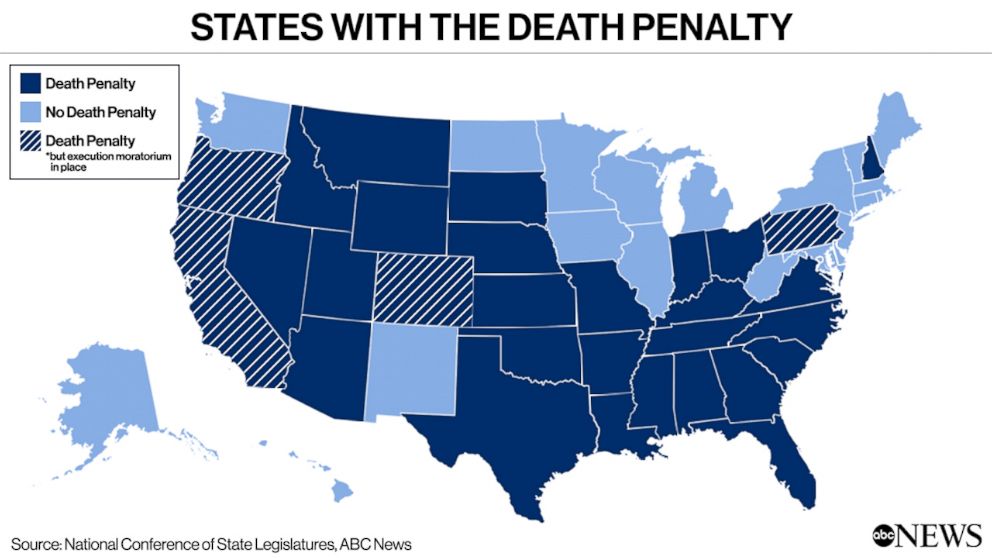
The question of whether the death penalty remains a viable or actively utilized form of punishment in the state of Texas is a complex one, often sparking debate and curiosity. While the headlines may sometimes suggest a shift or pause, the reality on the ground is that Texas continues to be a prominent state in the application of capital punishment within the United States. This article will delve into the current status of the death penalty in Texas, exploring its historical context, the legal framework surrounding it, and the ongoing discussions that shape its future. We will also touch upon how this significant aspect of Texas law might indirectly influence perceptions of the state, even for those visiting for leisure or business.
The Enduring Presence of Capital Punishment in Texas
Texas has a long and storied history with capital punishment. For decades, it has consistently ranked among the states with the highest number of executions. This sustained application is rooted in a robust legal system that upholds the death penalty as a sentencing option for the most heinous crimes. The state’s penal code provides for capital murder, a crime that can, under specific circumstances, lead to a death sentence. These circumstances often involve aggravating factors such as the murder of a police officer, multiple victims, murder during the commission of another felony, or particularly brutal and depraved acts.
The process leading to an execution in Texas is a lengthy and intricate legal journey. It begins with a capital murder charge and, if convicted, proceeds to a separate sentencing phase. During this phase, the jury hears evidence presented by both the prosecution and the defense. The prosecution typically seeks to prove that the defendant poses a future danger to society and that the crime was particularly egregious. The defense, conversely, aims to present mitigating circumstances that might persuade the jury to opt for a sentence of life imprisonment without parole. If the jury finds both aggravating factors to be present and mitigating evidence insufficient, the sentence of death can be imposed.
Appeals are a crucial and extensive part of the death penalty process in Texas. Once a death sentence is handed down, the case automatically moves through a series of appeals at both the state and federal levels. These appeals scrutinize every aspect of the trial, from jury selection and evidence presentation to the judge’s instructions and constitutional rights of the defendant. This multi-layered appeal system is designed to ensure due process and prevent wrongful executions. However, it also means that years, often decades, can pass between the imposition of a death sentence and its carrying out.
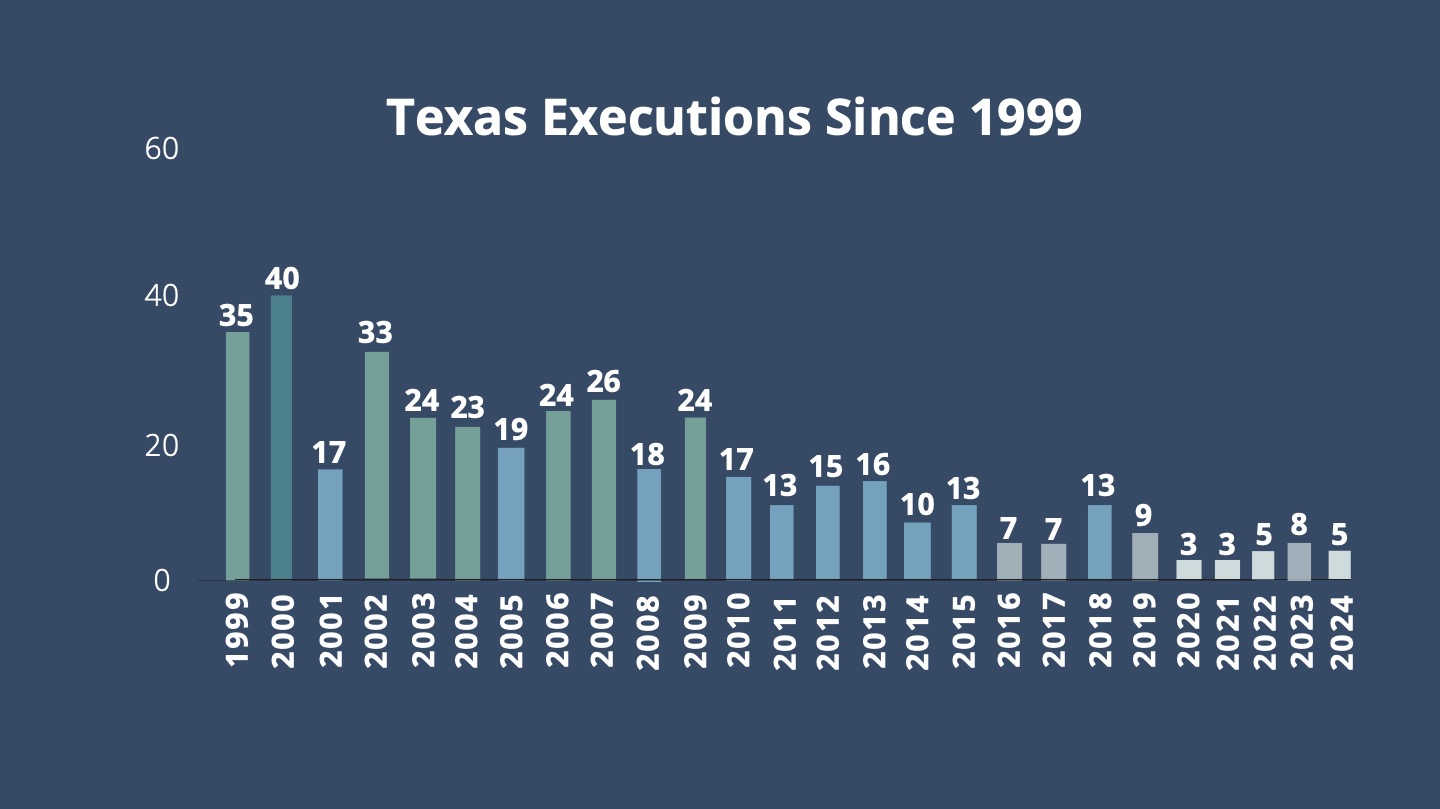
Despite ongoing national and international discussions about the morality and efficacy of the death penalty, Texas has largely maintained its stance. While there have been periods of deliberation and even temporary moratoria on executions by some states, Texas has generally continued with its schedule of executions, albeit with adjustments based on legal challenges and the availability of lethal injection drugs. The public sentiment within Texas regarding capital punishment is also a significant factor, with a portion of the population supporting its use as a just punishment for severe crimes, while others advocate for its abolition.
Understanding the Legal Framework and Recent Trends
The legal foundation for the death penalty in Texas is firmly established in state law. The Texas Code of Criminal Procedure outlines the definitions of capital offenses and the procedures for imposing and carrying out death sentences. The primary method of execution in Texas is lethal injection, though historically, other methods like electrocution have been employed. The state’s robust legal infrastructure, including specialized courts and prosecutors focused on capital cases, ensures that the death penalty process, however protracted, is meticulously followed.
In recent years, like many other states, Texas has faced challenges related to the sourcing of lethal injection drugs. Pharmaceutical companies, often citing ethical concerns, have become increasingly reluctant to supply the chemicals needed for executions. This has led to periods of uncertainty and has sometimes necessitated the use of alternative drug protocols or extended delays in scheduled executions. These logistical hurdles, while not fundamentally questioning the legality of the death penalty itself, have introduced practical complications to its implementation.

Furthermore, the national conversation surrounding capital punishment has intensified, with an increased focus on potential biases within the system, including racial and socioeconomic disparities. While Texas has not been immune to these broader critiques, the state’s legal framework and judiciary continue to operate under the established laws that permit capital punishment. Discussions about the death penalty in Texas are often intertwined with broader criminal justice reform debates, but the core legality of capital punishment remains a constant.
Traveling to Texas: Navigating Perceptions and Realities
For those planning a visit to Texas, whether for its vibrant cities like Austin, Dallas, or Houston, its vast natural landscapes, or its rich cultural heritage, the state’s stance on capital punishment is unlikely to directly impact the typical tourist experience. Texas offers a wealth of attractions, from historical sites like the Alamo in San Antonio to world-class museums and sprawling ranches. Visitors can explore diverse culinary scenes, enjoy live music in Austin, or experience the bustling energy of its major metropolises. The primary focus for most travelers will be on the state’s renowned hospitality, its unique blend of Southern and Western cultures, and its extensive tourism opportunities.
The legal and penal aspects of Texas are generally confined to the justice system and are not a visible part of the everyday tourist experience. Travelers will find a diverse and welcoming population, a thriving economy, and a wide array of accommodations, from luxury resorts and boutique hotels to comfortable apartments for longer stays. The state’s commitment to its unique identity, evident in its historical landmarks, its burgeoning arts scene, and its famous barbecue, is what typically draws visitors.
However, understanding the broader context of Texas can enrich a visitor’s perspective. The death penalty is a significant part of the state’s legal and social fabric, reflecting deeply held beliefs and ongoing societal dialogues. While it doesn’t detract from the enjoyment of a trip to, say, the Texas Hill Country or a stay at the Four Seasons Resort and Club Dallas at Las Colinas, it is a facet of the state’s identity that is part of the larger narrative. For those interested in the intricacies of American law and society, Texas provides a compelling case study in the enduring application of capital punishment.
The Death Penalty and its Impact on Texas’s Image
The continued application of the death penalty in Texas undeniably contributes to its image on a national and international stage. For some, it reinforces a perception of Texas as a state that takes a firm stance on crime and punishment, a view that can resonate with certain segments of the population. For others, particularly those who advocate for human rights and the abolition of capital punishment, Texas is seen as an outlier, a state that continues a practice many consider to be inhumane and outdated.
This perception can, in subtle ways, color the narrative surrounding Texas as a destination. While millions visit Texas each year for its tourist attractions, its business opportunities, and its unique lifestyle, the state’s capital punishment policies are a part of its broader identity. Media coverage of executions, though infrequent in the daily news cycle for most residents and visitors, can contribute to this image. It is a complex duality: Texas is celebrated for its freedoms, its entrepreneurial spirit, and its diverse attractions, yet it also grapples with a legal system that includes capital punishment.
For those considering longer-term stays or business travel, understanding this aspect of Texas might offer a more nuanced perspective on the state’s political and social landscape. It is a testament to the fact that even in a state renowned for its forward-thinking industries and booming tourism, deeply rooted traditions and legal stances continue to shape its identity. From the bustling streets of Houston to the tranquil shores of Galveston, Texas is a state of contrasts, and its approach to capital punishment is one of the most prominent.
In conclusion, the question of whether Texas still has the death penalty is answered with a clear “yes.” While the legal process is complex and lengthy, and challenges exist, capital punishment remains a legally sanctioned and actively applied form of sentencing in the state. For travelers, this aspect of Texas law is unlikely to intrude on typical vacation plans, but it remains an integral part of the state’s identity and a subject of ongoing societal discourse. Texas continues to navigate the evolving landscape of capital punishment, making it a state of particular interest for those studying criminal justice, law, and the societal values that shape American jurisprudence.
LifeOutOfTheBox is a participant in the Amazon Services LLC Associates Program, an affiliate advertising program designed to provide a means for sites to earn advertising fees by advertising and linking to Amazon.com. Amazon, the Amazon logo, AmazonSupply, and the AmazonSupply logo are trademarks of Amazon.com, Inc. or its affiliates. As an Amazon Associate we earn affiliate commissions from qualifying purchases.