
When planning a trip to the vibrant island of Puerto Rico, one of the most common and crucial questions that arises is about necessary travel documentation. Specifically, many travelers wonder, “Do you need a passport to go to Puerto Rico?” This is a vital piece of information that can significantly impact your travel arrangements, so let’s dive into the specifics to ensure your journey is as smooth as possible.
The short answer is: No, if you are a U.S. citizen, you generally do not need a passport to travel to Puerto Rico. This is because Puerto Rico is a U.S. territory, not a foreign country. As such, travel between the mainland United States and Puerto Rico is considered domestic. This means that U.S. citizens can travel freely between these locations without the need for a passport.

However, this convenience comes with a few important caveats and nuances that are worth understanding. For non-U.S. citizens, the requirements can differ. Additionally, while a passport isn’t mandatory for U.S. citizens, having one can sometimes offer advantages or be useful in certain situations. Let’s explore these aspects in detail.
Understanding the U.S. Territory Status of Puerto Rico
The status of Puerto Rico as a U.S. territory is the primary reason why passports are not typically required for U.S. citizens. The island is an unincorporated U.S. territory, meaning it belongs to the United States but is not a state. This unique political status has several implications for travelers.
For a U.S. citizen, traveling from, say, New York to San Juan, Puerto Rico, is akin to flying from California to Florida. You are traveling within the United States. This means that the typical border control and customs procedures associated with international travel do not apply. You won’t need to go through immigration upon arrival in Puerto Rico, nor will you need to present a passport at U.S. Customs when returning to the mainland.
This domestic travel status significantly simplifies planning for many, especially those who might not have a passport or have one that is expired. It opens up Puerto Rico as an accessible destination for a spontaneous getaway or a family vacation without the added step of obtaining or renewing a passport.
Identification Requirements for U.S. Citizens
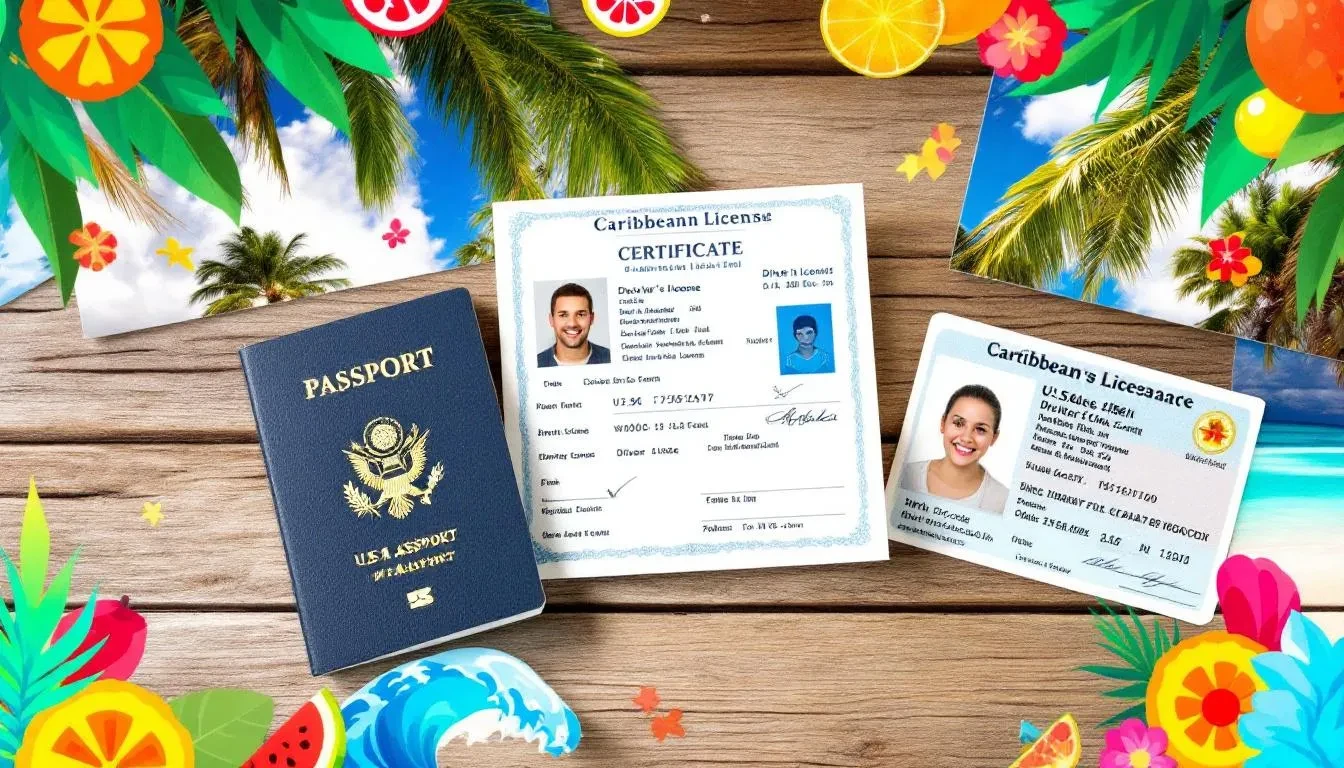
While a passport isn’t mandatory, you will still need to present valid, government-issued identification to board a domestic flight. This is a standard requirement for all air travel within the United States. Acceptable forms of identification include:
- A valid U.S. driver’s license: This is the most common form of ID used for domestic air travel. Ensure it is not expired.
- A U.S. passport card: While a full passport isn’t needed, a passport card is also a valid form of ID for domestic travel.
- A state-issued ID card: Similar to a driver’s license, these are issued by individual states and are acceptable.
- Other U.S. federal government-issued identification: This could include IDs from federal agencies.
The Transportation Security Administration (TSA) has specific guidelines for acceptable identification. It’s always a good idea to check the latest TSA requirements before your trip to ensure your ID is valid. For example, if your driver’s license has been expired for a while, it might not be accepted.
What About Non-U.S. Citizens?
The rules change for individuals who are not U.S. citizens. If you are a citizen of another country, you will likely need to comply with U.S. immigration laws and present a valid passport for entry into Puerto Rico.
- Citizens of foreign countries traveling from the U.S. mainland: If you are a lawful permanent resident of the United States (i.e., you have a Green Card), you can travel to Puerto Rico without a passport. However, you must carry your Green Card as proof of your status. If you are in the U.S. on a visa, your situation might be more complex. You should consult with U.S. Customs and Border Protection (CBP) or your country’s embassy to confirm the specific requirements.
- Citizens of foreign countries traveling directly from a foreign country: If you are traveling to Puerto Rico directly from a country other than the United States, you will absolutely need a valid passport and may require a U.S. visa, depending on your nationality. Puerto Rico is considered a port of entry into the United States for international travelers.
- Visa Waiver Program (VWP) participants: Citizens of countries participating in the VWP can enter the U.S. for tourism or business for stays of 90 days or less without obtaining a visa. This often extends to travel to U.S. territories like Puerto Rico, but it’s crucial to verify the latest VWP regulations and ensure your passport is valid and meets all requirements for entry.
It’s always best for non-U.S. citizens to confirm their specific travel document requirements well in advance of their trip by checking the official website of U.S. Customs and Border Protection (CBP) or the U.S. Department of State.
When a Passport Might Be Beneficial for U.S. Citizens Traveling to Puerto Rico
Although not strictly required, carrying a U.S. passport when traveling to Puerto Rico can offer several advantages and peace of mind, especially if your travel plans are subject to change or if you encounter unexpected situations.
Enhanced Identification
A U.S. passport is a universally recognized form of identification. If you need to prove your identity for any reason while on the island, your passport serves as a primary document. This can be helpful in situations such as:
- Renting a car: While a driver’s license is usually sufficient, some rental agencies might ask for a secondary form of ID, and a passport can fulfill this need.
- Checking into certain hotels: While less common for domestic travel, some luxury establishments or specific booking arrangements might prefer or require a passport for verification. For example, booking a suite at the Caribe Hilton or a villa at Dorado Beach, a Ritz-Carlton Reserve might involve more stringent identification checks.
- Participating in certain tours or activities: Some adventure tours, particularly those involving water sports or excursions to remote areas like Culebra or Vieques, might have age or identity verification requirements.
Emergency Travel and Unexpected Changes
Travel plans can sometimes take an unexpected turn. If you encounter a situation where you need to travel to an international destination from Puerto Rico on short notice, having your passport readily available can be a significant advantage. For example, if a flight cancellation leaves you needing to re-route through another country, your passport would be essential.
Proof of U.S. Citizenship
While your driver’s license is proof of identity, a U.S. passport is definitive proof of U.S. citizenship. In rare circumstances, this might be beneficial, although for typical tourist travel to Puerto Rico, it is not a requirement.
For Travelers Who May Be Mistaken for Non-Citizens
If you have features or a name that might lead to you being mistaken for a non-U.S. citizen, carrying a passport can preempt any potential confusion at check-in counters or during any security checks, though this is highly unlikely for most travelers.
Navigating Travel to Puerto Rico: Practical Tips
Understanding the passport requirements is just one aspect of planning your trip to Puerto Rico. Here are some additional tips to ensure a smooth and enjoyable experience, covering destinations, accommodations, and local experiences.
Planning Your Itinerary
Puerto Rico offers a diverse range of attractions for every type of traveler. Whether you’re looking for the historical charm of Old San Juan, the bioluminescent bays of Fajardo, the surf breaks in Rincón, or the lush rainforest of El Yunque National Forest, there’s something for everyone.
- Destinations: Explore the colorful streets of Old San Juan, a UNESCO World Heritage site, and visit landmarks like Castillo San Felipe del Morro. Venture into the Cordillera Central for breathtaking mountain scenery, or relax on the pristine beaches of Vieques, which is home to one of the world’s brightest bioluminescent bays. The island of Culebra boasts the stunning Flamenco Beach, often ranked among the best in the world.
- Activities: Beyond sightseeing, Puerto Rico offers ample opportunities for adventure and cultural immersion. Hike through the rainforests, snorkel or dive in the clear waters, learn to surf, explore coffee plantations in the mountains, or indulge in the vibrant nightlife and music scene in San Juan. Don’t forget to experience the local cuisine, from mofongo to fresh seafood.
- Experiences: Immerse yourself in the local culture by attending a festival, visiting a rum distillery like Casa Bacardí, or taking a cooking class. The warmth and hospitality of the Puerto Rican people are a significant part of the travel experience.
Accommodation Options
Puerto Rico caters to all budgets and travel styles, offering a wide array of accommodation choices.
- Hotels and Resorts: From luxurious beachfront resorts like the St. Regis Bahia Beach Resort to boutique hotels in Old San Juan, you’ll find options to suit your preferences. Many resorts offer amenities like multiple swimming pools, spas, fine dining restaurants, and access to water sports.
- Apartments and Villas: For longer stays or for families and groups, renting an apartment or villa can be a great option. Websites like Airbnb and VRBO offer numerous choices across the island, providing a more local feel and often more space and privacy.
- Budget-Friendly Stays: Hostels and guesthouses are available in popular tourist areas, offering affordable alternatives for solo travelers or those on a tighter budget.
When booking your accommodation, always check the specific policies regarding identification for check-in, especially if you are not a U.S. citizen.
Travel Tips for a Smooth Journey
- Currency: The official currency in Puerto Rico is the U.S. dollar.
- Language: Spanish and English are the official languages. English is widely spoken in tourist areas, but knowing a few basic Spanish phrases can enhance your interactions with locals.
- Transportation: Renting a car is highly recommended for exploring beyond San Juan. Taxis and ride-sharing services are available in major cities. Public transportation options are limited outside of San Juan.
- Safety: Like any travel destination, it’s important to be aware of your surroundings and take standard safety precautions. Stick to well-trafficked areas, especially at night, and be mindful of your belongings.
- Weather: Puerto Rico has a tropical climate, with warm temperatures year-round. The dry season runs from December to May, while the wet season is from June to November. Be prepared for humidity and occasional rain showers, especially during the wet season.
In conclusion, for U.S. citizens, the question of needing a passport to travel to Puerto Rico is a straightforward one: generally, no. However, always carry valid government-issued identification for domestic flights. For non-U.S. citizens, the requirements are different and depend on your nationality and entry point. By understanding these guidelines and planning your trip with the wealth of information available about Puerto Rico’s incredible destinations, accommodations, and cultural experiences, you’re set for an unforgettable island adventure.
LifeOutOfTheBox is a participant in the Amazon Services LLC Associates Program, an affiliate advertising program designed to provide a means for sites to earn advertising fees by advertising and linking to Amazon.com. Amazon, the Amazon logo, AmazonSupply, and the AmazonSupply logo are trademarks of Amazon.com, Inc. or its affiliates. As an Amazon Associate we earn affiliate commissions from qualifying purchases.