
The sun-drenched shores of Puerto Rico, the vibrant rhythm of its music, and the rich tapestry of its history have long beckoned travelers. As a popular destination for US citizens, one of the most frequent and crucial questions that arises when planning a trip to this Caribbean gem is: “Do US citizens need a passport for Puerto Rico?” This question often stems from the unique political status of Puerto Rico as a US territory. Understanding this relationship is key to a smooth and stress-free travel experience.
The straightforward answer for US citizens is: No, you do not need a passport to travel to Puerto Rico from the United States.

This is because Puerto Rico is an unincorporated territory of the United States. For US citizens, traveling between the mainland United States and Puerto Rico is akin to traveling between two US states. You do not need a passport, nor do you need to go through customs and immigration as you would when traveling internationally.
Understanding the Status of Puerto Rico
To fully grasp why a passport isn’t required, it’s beneficial to delve a little deeper into the relationship between the United States and Puerto Rico.
A US Territory, Not a Foreign Country
Puerto Rico officially became a territory of the United States in 1898 following the Spanish-American War. Since then, its status has evolved, and it is now an unincorporated territory. This means that the US Constitution does not apply to Puerto Rico in its entirety, but it is nonetheless under the sovereignty of the United States. The inhabitants of Puerto Rico are US citizens. This fundamental fact is the cornerstone of why passport requirements for travel from the mainland US are waived.
When you board a flight from, say, New York to San Juan, you are essentially taking a domestic flight. The same applies if you are traveling from Miami, Los Angeles, or any other US city. You’ll go through standard airport security, just as you would for any domestic flight within the United States. The airline will check your US government-issued identification to confirm your identity, but it won’t be for passport control.
What About Proof of Identity?
While a passport isn’t required for entry, you will still need to present a valid US government-issued photo ID to board your flight. This is standard procedure for all domestic air travel. Acceptable forms of identification include:
- A US driver’s license
- A US state-issued ID card
- A US military ID
- A US passport card (though a full passport book is not necessary)
It’s always a good idea to have a primary form of identification that includes your photo. If you plan on engaging in activities that require age verification, such as visiting casinos or purchasing alcohol, a valid ID is essential.
Traveling to Puerto Rico as a Foreign National
The requirement changes significantly for individuals who are not US citizens. For foreign nationals, Puerto Rico is considered an international destination, and standard US immigration laws apply.
Passport and Visa Requirements for Non-US Citizens
If you are not a US citizen, you will need to comply with the same entry requirements as you would for entering the mainland United States. This typically means you will need:
- A valid passport from your country of citizenship.
- Depending on your nationality, you may also require a US visa. Citizens of countries that are part of the Visa Waiver Program (VWP) may be able to enter for tourism or business for stays of up to 90 days without a visa, but they will still need a valid passport and may need to obtain an Electronic System for Travel Authorization (ESTA).
When flying from an international location to Puerto Rico, you will go through US Customs and Border Protection. This process will verify your identity, nationality, and the legality of your entry into the US.
Traveling from Puerto Rico to Other Countries
The passport requirement also becomes relevant if you are planning to travel from Puerto Rico to a destination outside of the United States, such as the Dominican Republic or the Virgin Islands. In such cases, you will need to present your passport, as you would be leaving US territory and entering a foreign country.
Special Considerations for Cruise Passengers
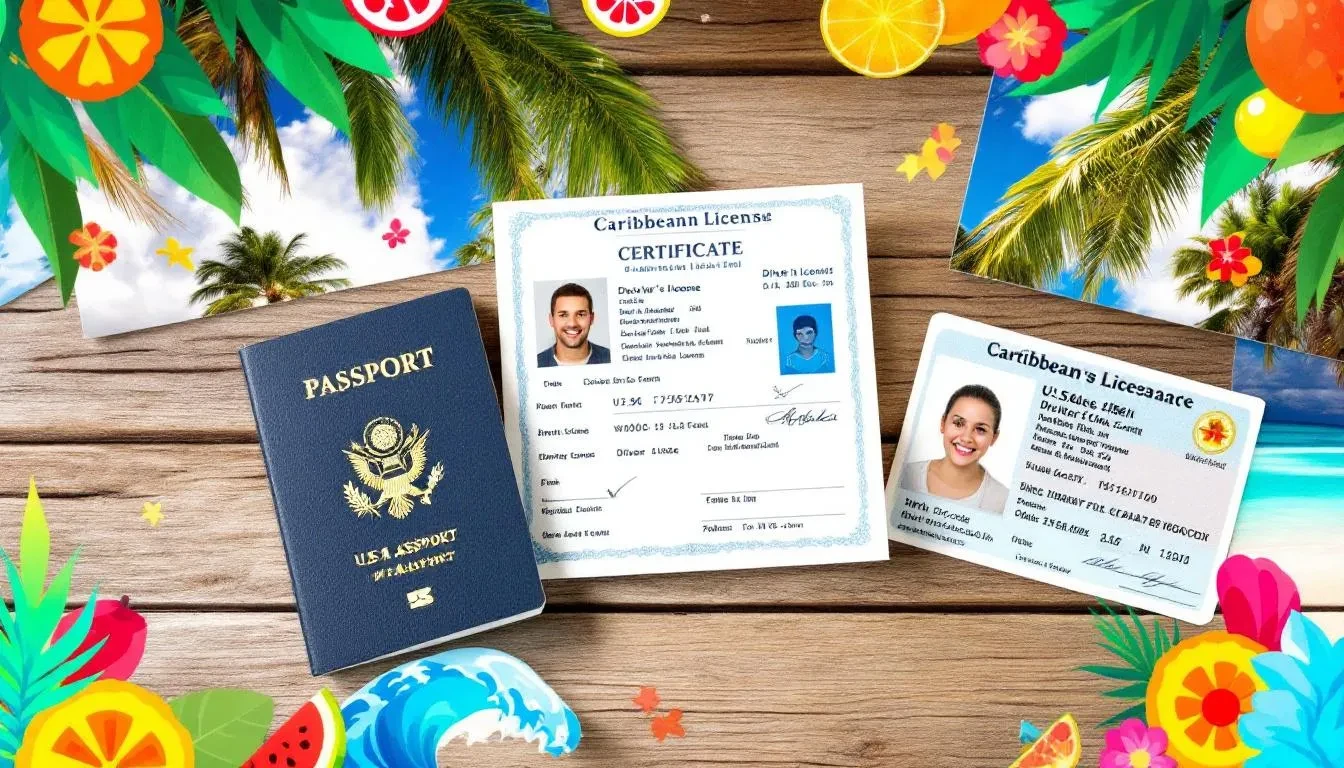
Cruises are a very popular way to experience Puerto Rico, often including it as a stop on itineraries that depart from US ports. The passport requirements for cruise passengers can sometimes cause confusion.
Cruises Departing from and Returning to a US Port
For US citizens, if your cruise begins and ends in the same US port and all the destinations on your itinerary are within the US territories (including Puerto Rico and the US Virgin Islands), you may not need a passport. Instead, a government-issued photo ID and proof of US citizenship (such as a birth certificate) will often suffice.
However, and this is a crucial distinction, many cruise lines strongly recommend or even require a passport for all passengers, regardless of citizenship, for all international itineraries, even if the destinations are US territories. This is a matter of cruise line policy for ease of handling any unforeseen circumstances, such as needing to disembark in a foreign port due to a medical emergency.
Cruises Including Foreign Ports
If your cruise itinerary includes any foreign ports of call, even if it’s just a day trip to an island like St. Maarten or St. Thomas, then a passport is generally required for all US citizens.
Recommendation for Cruise Passengers: Always check the specific passport requirements with your cruise line well in advance of your departure. It is often safest and most convenient to travel with a passport, even if it is not strictly mandated, as it offers the most flexibility.
Planning Your Puerto Rican Adventure
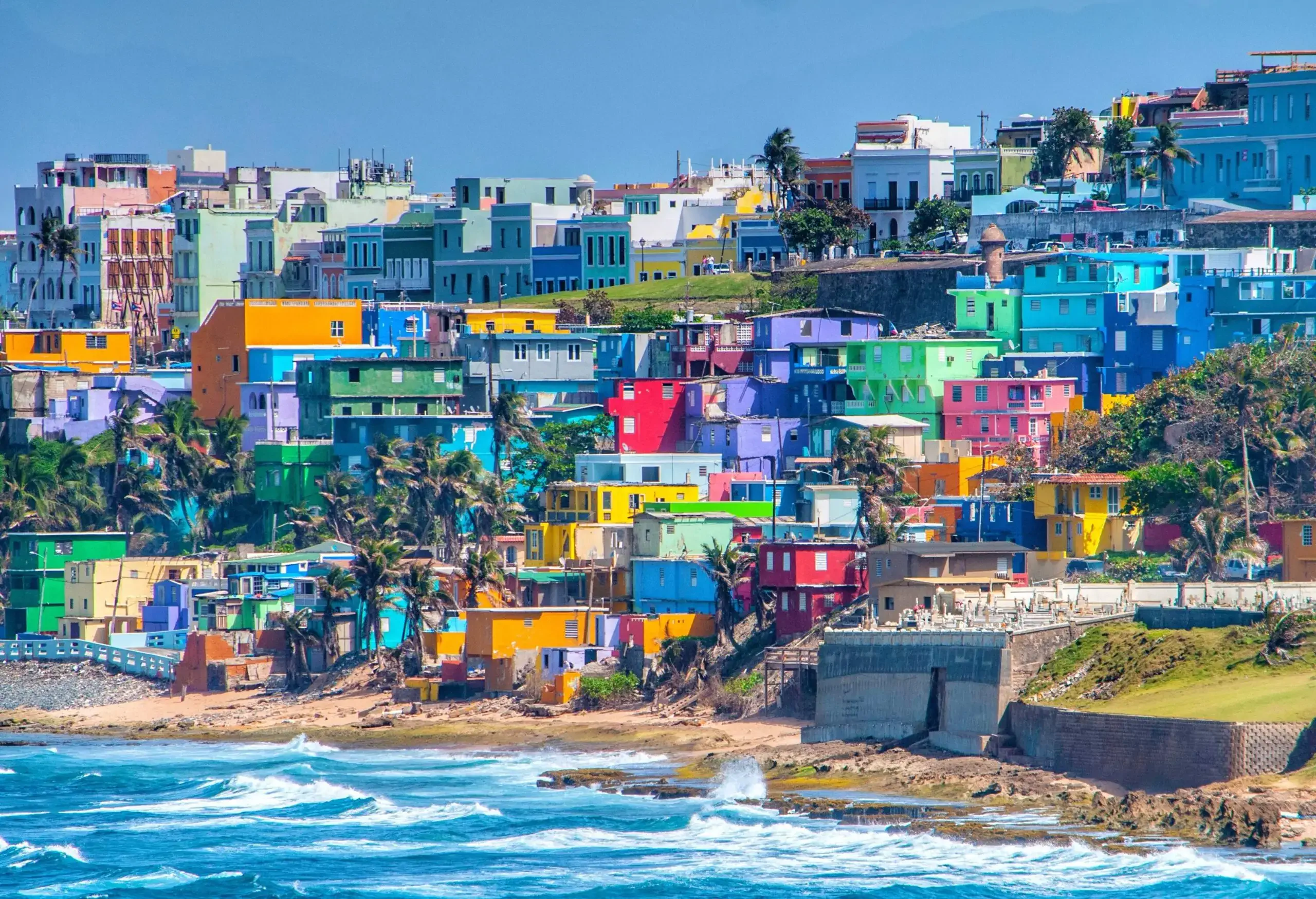
Beyond the passport question, Puerto Rico offers a wealth of experiences for every type of traveler. From the historic cobblestone streets of Old San Juan to the bioluminescent bays of Vieques and the lush rainforest of El Yunque National Forest, the island is a treasure trove of natural beauty and cultural richness.
Exploring the Island’s Attractions
Puerto Rico boasts a diverse range of attractions that cater to various interests. History buffs will be captivated by the centuries-old forts like Castillo San Felipe del Morro and Castillo San Cristobal in Old San Juan. Nature enthusiasts can hike through the trails of El Yunque National Forest, the only tropical rainforest in the US National Forest System, or discover the unique ecosystem of the Guanica Dry Forest.
For those seeking relaxation, the numerous beaches offer pristine sands and crystal-clear waters perfect for swimming, snorkeling, and sunbathing. Flamenco Beach on Culebra is consistently ranked among the world’s best. Adventure seekers can explore the underground caves of Camuy River Cave Park or go surfing in the waves of Rincon.
Accommodation Options
When it comes to where to stay, Puerto Rico provides a wide spectrum of choices. You can find luxurious resorts offering world-class amenities and stunning ocean views, such as the Dorado Beach, a Ritz-Carlton Reserve, or the St. Regis Bahia Beach Resort. For a more intimate experience, charming boutique hotels and guesthouses are scattered throughout the island, particularly in areas like Old San Juan and the surf towns of the west coast.
Vacation rentals, including apartments and villas, are also abundant, offering flexibility and a more local feel, especially for longer stays or family trips. Websites specializing in accommodation allow for easy comparison and booking, ensuring you find the perfect base for your exploration. Whether you are looking for a budget-friendly hostel or a lavish suite, Puerto Rico has options to suit every preference and budget.
Experiencing the Local Culture and Cuisine
The heart of Puerto Rico lies in its vibrant culture and delicious cuisine. The island’s music scene is legendary, with salsa, reggaeton, and bomba resonating from local establishments and festivals. Engaging with the local culture means exploring the art galleries, visiting the Museo de Arte de Puerto Rico, and immersing yourself in the rhythm of daily life.
Puerto Rican food is a delightful fusion of Spanish, African, and Taíno influences. Must-try dishes include mofongo (mashed plantains with garlic and pork cracklings), lechon (roasted suckling pig), arroz con gandules (rice with pigeon peas), and tembleque (coconut pudding). Don’t forget to sample the local rum, which is among the best in the world. From casual chinchorros (roadside eateries) to upscale restaurants, the culinary landscape is as diverse as the island itself.
Conclusion
In summary, for US citizens planning a trip to Puerto Rico, the need for a passport is essentially non-existent for direct travel from the United States. This simplifies travel plans considerably, allowing you to focus on enjoying the incredible offerings of this beautiful US territory. Just remember to bring a valid US government-issued photo ID for your flight.
For foreign nationals, the requirements are different, and a passport and potentially a visa are necessary. And for those considering a cruise, always verify the specific policies of the cruise line, as a passport is often recommended or required even for itineraries that may not strictly mandate it.
Puerto Rico awaits with its captivating blend of history, culture, and natural splendor. With the passport question answered, you’re one step closer to experiencing the magic of La Isla del Encanto. Whether you’re seeking adventure, relaxation, or a deep dive into local traditions, this Caribbean paradise is ready to welcome you with open arms.
LifeOutOfTheBox is a participant in the Amazon Services LLC Associates Program, an affiliate advertising program designed to provide a means for sites to earn advertising fees by advertising and linking to Amazon.com. Amazon, the Amazon logo, AmazonSupply, and the AmazonSupply logo are trademarks of Amazon.com, Inc. or its affiliates. As an Amazon Associate we earn affiliate commissions from qualifying purchases.