
Florida, a state synonymous with sunshine, sandy beaches, and vibrant ecosystems, draws millions of visitors each year. While the allure of its tropical climate and diverse natural landscapes is undeniable, a pertinent question often arises for those planning a visit or even those who call it home: are there genuinely poisonous creatures in Florida? This inquiry is crucial for ensuring a safe and enjoyable experience, whether you’re exploring the Everglades National Park, lounging on the shores of South Beach, or venturing into its more secluded natural areas. The term “poisonous” itself warrants a brief clarification: in the realm of zoology, creatures are more accurately described as venomous (injecting toxins via a bite or sting) or poisonous (toxins are ingested or absorbed). For the purpose of this guide, we will address both, focusing on creatures that pose a significant health risk to humans in Florida.
Understanding Florida’s Venomous and Toxic Inhabitants
Florida’s rich biodiversity means it hosts a variety of wildlife, some of which possess defensive mechanisms that can cause harm. It’s important to distinguish between creatures that are merely a nuisance and those that pose a genuine threat. The vast majority of Florida’s wildlife is harmless, and encounters are typically benign. However, awareness of the species that do possess venom or toxins is key to respecting their space and avoiding potentially dangerous situations. This section will delve into the most commonly encountered and significant venomous and toxic species found within the Sunshine State.
Venomous Reptiles: The Rattlesnake, Cottonmouth, and Coral Snake
Florida is home to several species of venomous snakes, and while encounters are relatively rare, particularly in populated areas, knowledge of their presence and characteristics is vital for outdoor enthusiasts.
The Eastern Diamondback Rattlesnake
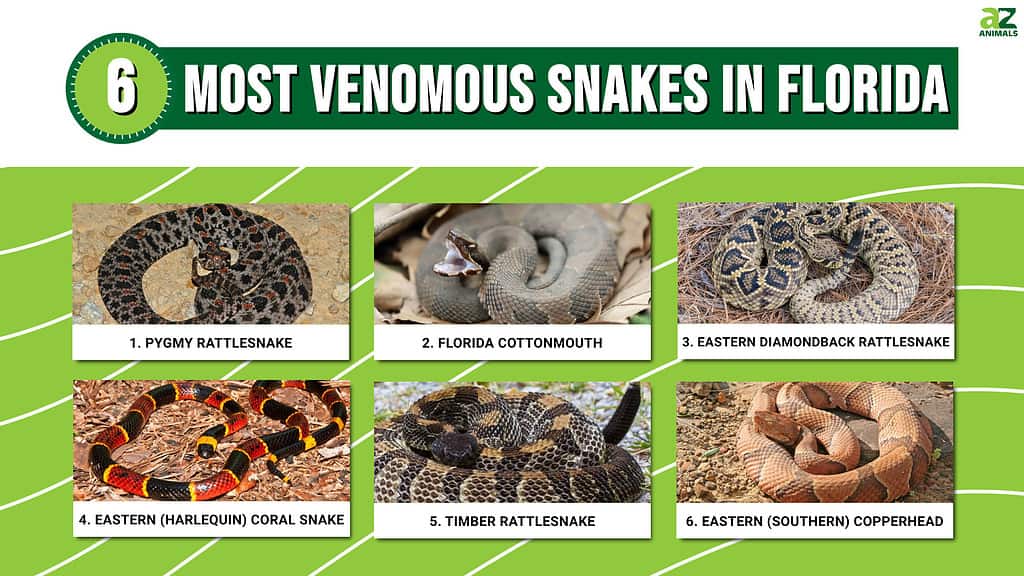
The Eastern Diamondback Rattlesnake is Florida’s largest venomous snake and a formidable creature of the wild. Identified by its distinctive diamond pattern on its back and a rattle at the end of its tail, this serpent prefers sandy uplands, pine forests, and scrub environments. Its bite is considered medically significant, and immediate medical attention is crucial if bitten. Fortunately, these snakes are generally reclusive and will usually attempt to flee rather than confront humans. Respecting their habitat and maintaining a safe distance are the best preventative measures.
The Water Moccasin (Cottonmouth)
The Water Moccasin, also known as the Cottonmouth, is a semi-aquatic pit viper found in Florida’s many wetlands, swamps, and canals. It is distinguished by its heavy body and a characteristic white mouth lining, which it displays when threatened. Unlike rattlesnakes, cottonmouths are known to be more aggressive when cornered. Their venom is hemotoxic, causing severe tissue damage. Again, avoidance is the best strategy; never attempt to handle or provoke a cottonmouth.
The Eastern Coral Snake
The Eastern Coral Snake is perhaps Florida’s most visually striking venomous snake, known for its bright bands of red, yellow, and black. It’s crucial to remember the rhyme: “Red touch yellow, kill a fellow; red touch black, friend of Jack.” In the Eastern Coral Snake, red bands touch yellow bands. These snakes are secretive and spend much of their time underground or in leaf litter, making encounters uncommon. Their venom is neurotoxic, affecting the nervous system. While their bite is dangerous, their small mouths and short fangs make it difficult for them to envenomate a human effectively unless handled directly.
Venomous Arthropods: Spiders and Scorpions
Beyond snakes, Florida’s arthropod population includes a few species that can inflict painful or medically significant bites and stings.
The Black Widow Spider
The Black Widow Spider is infamous for its potent neurotoxic venom. Females are easily identifiable by the red hourglass marking on the underside of their abdomen. They prefer dark, undisturbed areas, such as woodpiles, sheds, and under eaves. While their bite is painful and can cause muscle cramps, nausea, and sweating, fatalities are rare with prompt medical treatment. It’s wise to exercise caution when reaching into dark, enclosed spaces.
The Brown Recluse Spider
While less commonly encountered in Florida compared to other regions, the Brown Recluse Spider does exist in some parts of the state. Its characteristic violin-shaped marking on its cephalothorax is a key identifier. The bite of a Brown Recluse can lead to necrosis (tissue death) around the bite site. Like the Black Widow, it prefers secluded areas.
The Florida Bark Scorpion
Florida is also home to the Florida Bark Scorpion, the only scorpion species in the continental United States capable of delivering a sting that is considered medically significant. While not typically fatal to humans, its venom can cause intense pain, swelling, numbness, and localized inflammation. These scorpions are nocturnal and are often found under bark, rocks, and in debris. They are also known to seek shelter in homes and buildings.
Aquatic Hazards: Marine Life with Defensive Capabilities
Florida’s extensive coastline and abundant waterways are teeming with marine and aquatic life, some of which possess venom or irritants that can cause harm.
Jellyfish

Several species of jellyfish inhabit Florida’s waters, and while most are harmless, some can deliver a painful sting. The Portuguese Man o’ War, although not a true jellyfish but a siphonophore, is notorious for its long, stinging tentacles that can drift far from the main body. Its sting causes severe pain, welts, and can lead to systemic reactions. Other jellyfish species, like the Sea Nettle, can also deliver painful stings. It is advisable to be aware of jellyfish warnings posted on beaches and to avoid contact with any visible jellyfish.
Stingrays
Stingrays are cartilaginous fish found in shallow coastal waters, often burying themselves in sandy or muddy bottoms. They possess a venomous barb on their tail that they can use defensively if stepped on or threatened. Stepping on a stingray is a common cause of injury in Florida. The venom can cause intense pain, swelling, and a wound that is slow to heal. Wearing reef shoes or water shoes in shallow, sandy areas is a good preventative measure.
The Lionfish
An invasive species in Florida’s waters, the Lionfish is known for its striking appearance and its venomous spines. These spines are not only sharp but also contain venom that can cause severe pain and swelling upon contact. While not typically deadly to humans, a sting can be excruciating. Divers and snorkelers are often advised to be aware of their presence.
Mammals and Birds: Less Common, But Possible Risks
While the most significant venomous or toxic threats in Florida come from reptiles, arthropods, and marine life, it’s worth noting that some mammals and birds can also pose risks, though typically through less direct means or due to specific circumstances.
The Porcupinefish
Though not truly “poisonous” in the way that ingested toxins are, some species of fish in Florida’s waters are toxic if consumed. The Porcupinefish, for instance, can contain tetrodotoxin, a potent neurotoxin, in its organs. This toxin is highly dangerous and can be fatal if ingested. While not typically encountered by casual beachgoers, it’s a reminder of the importance of knowing your seafood and avoiding consumption of unfamiliar or improperly prepared species.
Certain Birds and Mammals
While no birds or mammals in Florida are inherently “poisonous” in the sense of having venom to inject or being toxic to touch, certain behaviors or instances can lead to injury. For example, a startled bird defending its nest might peck or scratch, and larger mammals like alligators, while not venomous, are apex predators and should be treated with extreme caution and respect. Alligators are a prominent feature of Florida’s wildlife, particularly in freshwater habitats, and while not venomous, their powerful jaws and predatory nature demand a wide berth.
Safety and Prevention: Enjoying Florida Responsibly
The presence of venomous and potentially toxic creatures in Florida is a natural aspect of its rich and diverse ecosystem. For residents and visitors alike, the key to enjoying the state’s natural beauty without incident lies in awareness, respect, and sensible precautions.
Educate Yourself and Your Family
Understanding the wildlife of Florida is the first step towards safe exploration. Familiarize yourself with the appearance and behavior of common venomous species, particularly those you might encounter in the areas you plan to visit. Teach children to observe wildlife from a distance and to never touch or provoke any animal.
Respect Wildlife and Their Habitats
Many encounters with venomous creatures occur when they are disturbed or feel threatened. Always give animals plenty of space, and avoid entering dense vegetation or areas where they are known to congregate without proper preparation and awareness.
Utilize Protective Gear
When hiking, wading, or exploring areas where venomous snakes or stingrays might be present, consider wearing sturdy, closed-toe shoes or boots. For activities like kayaking or boating in areas known for jellyfish, consider wearing a rash guard or a wetsuit.
Be Cautious in Undisturbed Areas
Spiders and scorpions often prefer dark, quiet places. Be cautious when reaching into sheds, garages, woodpiles, or under rocks and logs. Shaking out shoes or clothing that have been left outdoors overnight is also a prudent practice.

Know What to Do in Case of an Encounter
In the unfortunate event of a bite or sting, remain calm and seek immediate medical attention. If possible, try to note the appearance of the creature involved without endangering yourself further. Do not attempt to capture or kill the animal. For snakebites, keep the bitten limb below the level of the heart and avoid movement. For stingray stings, the affected area should be submerged in hot water (as hot as can be tolerated without scalding) to help neutralize the venom, followed by medical evaluation.
Florida is a state brimming with natural wonders, and understanding its wildlife, including its less hospitable inhabitants, is part of a fulfilling experience. By adopting a cautious and informed approach, you can confidently explore the diverse landscapes and enjoy all that the Sunshine State has to offer, minimizing the risk of encountering its venomous or toxic creatures.
LifeOutOfTheBox is a participant in the Amazon Services LLC Associates Program, an affiliate advertising program designed to provide a means for sites to earn advertising fees by advertising and linking to Amazon.com. Amazon, the Amazon logo, AmazonSupply, and the AmazonSupply logo are trademarks of Amazon.com, Inc. or its affiliates. As an Amazon Associate we earn affiliate commissions from qualifying purchases.