
Planning a tropical escape to the sun-drenched shores of the Caribbean? If Puerto Rico is on your radar, you might be wondering about the entry requirements, particularly concerning passports. This is a common question, and the answer can significantly simplify your travel preparations, especially for United States citizens. The short and reassuring answer for U.S. citizens is: No, you do not need a passport to travel to Puerto Rico.
As a territory of the United States, Puerto Rico is considered a domestic destination. This means that for U.S. citizens, traveling to Puerto Rico is much like flying between any two states on the mainland, or to other U.S. territories like the U.S. Virgin Islands or Guam. You won’t go through customs or immigration when arriving from or departing to the mainland United States. This unique status makes Puerto Rico an exceptionally accessible international-feeling destination for millions of travelers, offering a rich blend of Spanish culture, stunning natural beauty, and vibrant urban life without the typical international travel hurdles.
However, while a passport isn’t mandatory for U.S. citizens, certain identification requirements still apply for air travel. Understanding these nuances is crucial for a smooth and stress-free journey. This guide will delve into the specifics of travel documents needed, explore why Puerto Rico makes for an ideal vacation spot, and offer essential tips for planning your unforgettable visit.
Understanding Travel Requirements for Puerto Rico
Navigating the necessary travel documents for any trip can be daunting, but for Puerto Rico, it’s straightforward for most travelers from the United States. The key distinction lies in the traveler’s citizenship status.
The U.S. Citizen Advantage
For all U.S. citizens, including those born in Puerto Rico or any of the 50 states, a passport is not required for travel to and from the island. Instead, you will need a valid government-issued photo identification. The most commonly accepted forms of ID for air travel within the United States (which includes Puerto Rico) include:
- State-issued Driver’s License or ID Card: As of May 7, 2025, travelers 18 and older will need a REAL ID-compliant driver’s license or state ID card, or another acceptable form of ID, to fly within the United States. Look for a star at the top of your license or ID, which signifies it is REAL ID compliant. If your current license is not REAL ID compliant, you will need an alternative form of identification.
- U.S. Passport or Passport Card: While not required, a valid U.S. passport or passport card is always an acceptable form of identification for domestic air travel and is often the most widely recognized and hassle-free option.
- Permanent Resident Card (Green Card): For lawful permanent residents of the United States, a valid Green Card is sufficient for identification.
- Other Acceptable IDs: Other forms of identification accepted by the Transportation Security Administration (TSA) include U.S. Department of Defense ID, various federal IDs, and tribal-issued photo IDs. For a comprehensive list, it’s always best to check the official TSA website.
It’s crucial to ensure your chosen ID is valid and not expired. Airlines are strict about these requirements, and failure to present proper identification can result in denied boarding.
Requirements for Non-U.S. Citizens
If you are not a U.S. citizen, the rules for entering Puerto Rico are the same as those for entering the mainland United States. This means you will need a valid passport from your country of origin. Depending on your nationality, you may also require a U.S. visa.
- Valid Passport: Your passport must be valid for the duration of your stay in Puerto Rico and often for at least six months beyond your intended departure date, as per standard international travel regulations.
- U.S. Visa: Travelers from countries not part of the Visa Waiver Program (VWP) will need to obtain a valid U.S. visa prior to their trip. If you are from a VWP country, you will need an approved Electronic System for Travel Authorization (ESTA).
- Proof of Onward/Return Travel: Like with most international travel, you may be asked to provide proof of your intention to depart Puerto Rico (e.g., a return flight ticket).
It is highly recommended that non-U.S. citizens consult the official website of the U.S. Department of State or their nearest U.S. embassy or consulate well in advance of their trip to confirm all necessary entry requirements.
Recommended Documents for Smooth Travel
While not strictly required for U.S. citizens, carrying your passport, even for domestic travel to Puerto Rico, offers several advantages. A passport is the gold standard for identification and can simplify any unexpected situations, such as needing to verify identity for financial transactions, hotel check-ins, or in the unlikely event of needing emergency consular assistance (though this is less likely as a U.S. citizen).
Additionally, it’s always wise to have copies of all important travel documents, including your ID and flight itinerary, stored separately from the originals and digitally (e.g., on your phone or in cloud storage). This preparedness ensures peace of mind, allowing you to focus on the excitement of your upcoming Puerto Rico adventure.
Beyond the Basics: Planning Your Puerto Rico Adventure
With the passport question settled, it’s time to dive into the exciting aspects of planning your trip to this vibrant Caribbean jewel. Puerto Rico offers a diverse range of experiences, from historic cityscapes and lush rainforests to pristine beaches and a buzzing culinary scene, catering to every type of traveler.
Exploring the Diverse Landscapes and Culture
Puerto Rico’s appeal lies in its incredible diversity packed into a relatively small island. Whether you’re a history buff, nature enthusiast, or beach lover, there’s something to captivate your imagination.
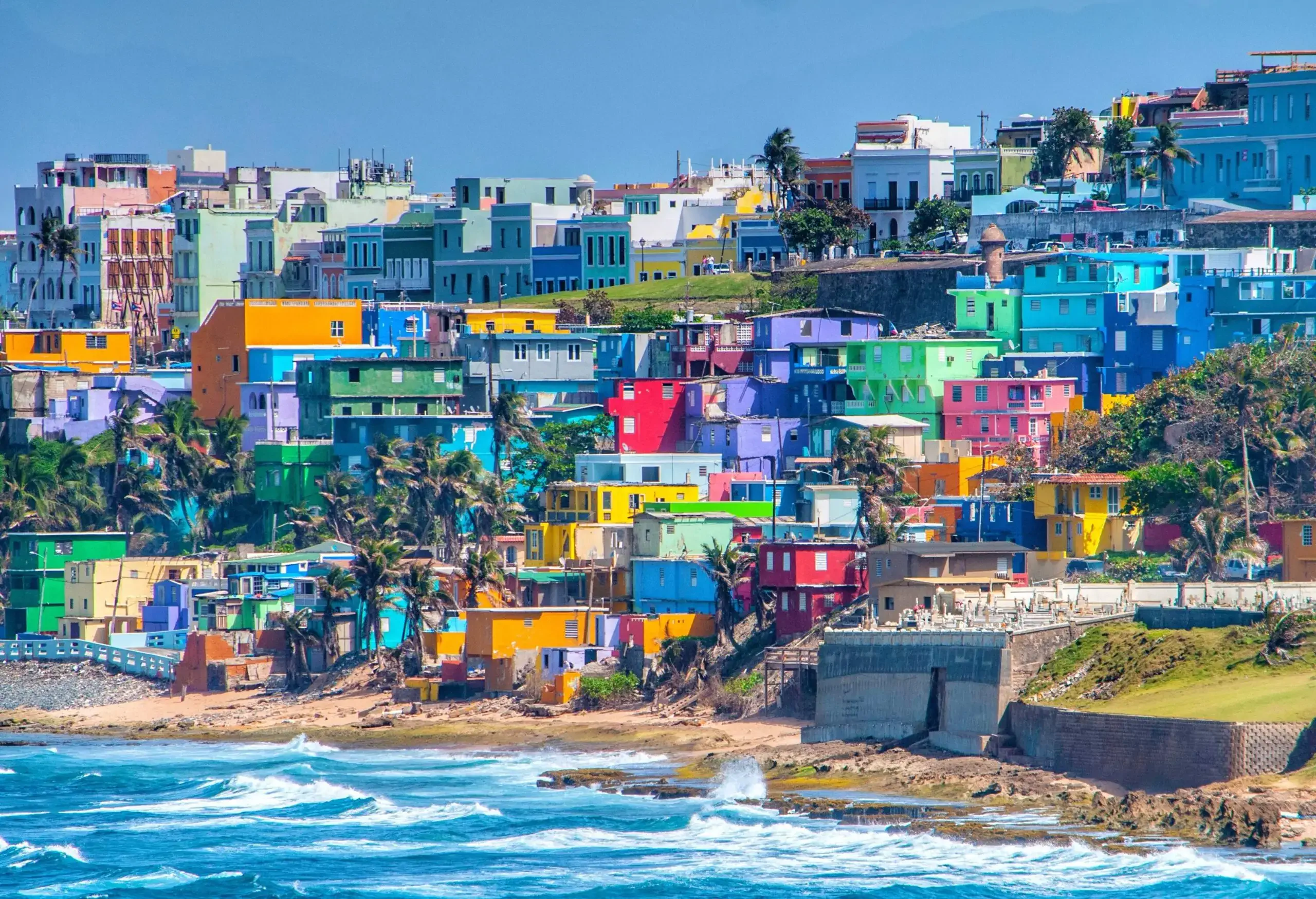
- Historic San Juan: The capital city, San Juan, is a must-visit. Its crown jewel is Old San Juan, a UNESCO World Heritage Site with colorful colonial buildings, cobblestone streets, and formidable fortresses. Wander through the charming streets, discover hidden plazas, and explore iconic landmarks like El Morro (Castillo San Felipe del Morro) and Castillo de San Cristóbal. These historic sites offer a fascinating glimpse into the island’s strategic past and its role in guarding the Spanish Empire.
- The Enchanting Rainforest: A short drive from San Juan brings you to El Yunque National Forest, the only tropical rainforest in the U.S. National Forest System. Hike lush trails, discover stunning waterfalls like La Mina Falls, and marvel at the incredible biodiversity. The calls of the coqui frog will serenade you as you explore this natural wonder.
- Bioluminescent Bays: Puerto Rico is home to three of the world’s five bioluminescent bays, where microscopic organisms light up the water at night. Mosquito Bay on Vieques is often cited as the brightest, but La Parguera and Laguna Grande in Fajardo also offer magical kayaking experiences after dark.
- Beyond the Main Island: Consider a day trip or an overnight stay on the smaller islands of Vieques or Culebra. Culebra boasts Flamenco Beach, consistently ranked among the world’s best beaches, known for its pristine white sands and clear turquoise waters. The ferry from Ceiba is a popular way to reach these idyllic spots.
- Coastal Beauty: From the bustling city beaches near San Juan, such as Luquillo Beach and Isla Verde Beach, to the more secluded surf spots on the west coast around Rincón, Puerto Rico offers an endless array of sun, sand, and surf activities.
Where to Stay: Accommodations for Every Traveler
The island provides a vast array of accommodation options, fitting various budgets and travel styles, from luxurious resorts to charming boutique hotels and cozy vacation rentals.
- Luxury Resorts: For those seeking an opulent experience, areas like Dorado and Rio Grande host world-class resorts with private beaches, championship golf courses, and upscale amenities. Brands like St. Regis Bahia Beach Resort or Dorado Beach, a Ritz-Carlton Reserve offer unparalleled pampering.
- Boutique Hotels: Old San Juan and neighborhoods like Condado are dotted with charming boutique hotels, often housed in historic buildings, providing a more intimate and culturally immersive stay.
- Vacation Rentals: For families, groups, or travelers desiring more space and independence, vacation rentals (villas, apartments, or houses) are abundant across the island, particularly in popular tourist areas and along the coast. Platforms like Airbnb and VRBO offer numerous choices.
- Budget-Friendly Stays: Hostels and guesthouses can be found in San Juan and other towns, providing affordable options for backpackers and budget-conscious travelers.
Regardless of your choice, it’s advisable to book your accommodation in advance, especially during peak travel seasons like winter and spring break, to secure the best rates and availability.
Culinary Delights and Local Experiences
Puerto Rico’s culinary scene is a vibrant fusion of Taíno, Spanish, and African influences, promising an exciting journey for your taste buds.
- Must-Try Dishes: Indulge in mofongo (fried plantain mash), lechón (spit-roasted pork), pasteles (similar to tamales), and the iconic piña colada (which was invented in Puerto Rico).
- Food Tours: Consider taking a food tour in Old San Juan to sample local delicacies and learn about the island’s culinary history.
- Local Markets: Visit farmers’ markets or the bustling marketplaces in cities like Ponce to experience local life and taste fresh produce.
- Coffee Plantations: Explore the scenic mountains of the central region and visit a coffee plantation to learn about Puerto Rico’s rich coffee heritage and sample some of the finest brews.
- Salsa and Music: Immerse yourself in the island’s rhythm. Live salsa music can be found in many bars and clubs, particularly in San Juan, offering a chance to dance the night away and truly feel the local vibe.
Essential Travel Tips for Your Puerto Rico Trip
To ensure your Puerto Rico trip is as smooth and enjoyable as possible, keep these practical tips in mind.
Health & Safety Considerations
- Sun Protection: The Caribbean sun is strong. Always use high-SPF sunscreen, wear hats, and seek shade during peak hours to prevent sunburn.
- Hydration: Drink plenty of water, especially when exploring outdoors or spending time on the beach.
- Mosquito Repellent: Especially when visiting El Yunque National Forest or bioluminescent bays, bring insect repellent to protect against mosquito bites.
- Medical Facilities: Puerto Rico has modern medical facilities, particularly in urban areas like San Juan. Travel insurance is always a good idea, although U.S. health insurance often covers treatment on the island.
- Safety: While generally safe for tourists, common-sense precautions apply. Be aware of your surroundings, especially in crowded areas or at night, and safeguard your valuables.

Navigating Local Transport and Currency
- Language: While Spanish is the official language, English is widely spoken, especially in tourist areas and major cities. Learning a few basic Spanish phrases will always be appreciated by locals.
- Currency: The official currency is the U.S. Dollar. Credit cards are widely accepted, but it’s always useful to carry some cash for smaller purchases or local vendors.
- Driving: Renting a car is highly recommended if you plan to explore beyond San Juan. Roads are generally well-maintained, but signage can sometimes be in Spanish only. Be aware that driving styles can be more aggressive than in some mainland U.S. areas. Taxis and ride-sharing services are available in urban centers.
- Tipping: Tipping practices are similar to those in the mainland United States – typically 15-20% for good service in restaurants, and a few dollars for porters or housekeepers.
- Power Outlets: Puerto Rico uses the same electrical outlets (Type A and B) and voltage (120V) as the mainland United States, so no adapters are needed for U.S. travelers.
In conclusion, for U.S. citizens, the ease of travel to Puerto Rico without a passport makes it an incredibly attractive and accessible vacation destination. The island truly offers something for everyone, from its rich history and vibrant culture to its stunning natural landscapes and delicious cuisine. By understanding the simple identification requirements and planning ahead, you can unlock an unforgettable Caribbean adventure that feels both exotic and comfortably familiar. So pack your bags, grab your government-issued ID, and prepare to discover the magic of Puerto Rico!
LifeOutOfTheBox is a participant in the Amazon Services LLC Associates Program, an affiliate advertising program designed to provide a means for sites to earn advertising fees by advertising and linking to Amazon.com. Amazon, the Amazon logo, AmazonSupply, and the AmazonSupply logo are trademarks of Amazon.com, Inc. or its affiliates. As an Amazon Associate we earn affiliate commissions from qualifying purchases.