
Navigating the Centennial State’s roadways comes with its own set of regulations, and one common query for both residents and visitors alike revolves around the necessity of displaying a front license plate. For anyone planning a road trip through the stunning landscapes of Colorado or considering a move to its vibrant cities, understanding this seemingly minor detail can prevent unnecessary fines and ensure a smoother travel experience. This article delves into the specifics of Colorado’s license plate laws, offering clarity and practical advice for motorists.
Colorado’s License Plate Law Explained
In Colorado, the law is quite clear regarding the display of license plates. The Colorado Revised Statutes, specifically CRS 42-3-202, mandates that all motor vehicles registered in the state must display two license plates. One plate is to be affixed to the front of the vehicle, and the other to the rear. This requirement applies to passenger cars, trucks, and motorcycles, with specific exemptions noted for certain types of vehicles.

Statutory Requirements and Enforcement
The Colorado General Assembly enacted this law to aid in vehicle identification and law enforcement efforts. Having both front and rear plates allows law enforcement officers to more easily identify vehicles, especially during traffic stops or when a vehicle is observed in motion. This is particularly useful for technologies like automated license plate readers (ALPRs), which are increasingly deployed by police departments across the state, from the bustling streets of Denver to the scenic byways near Aspen.
Failure to display a valid front license plate can result in a citation. While the exact penalty can vary depending on the jurisdiction and circumstances, it is typically treated as a traffic infraction. This could lead to a fine, and in some cases, officers may issue a warning with instructions to rectify the situation promptly. For tourists driving rental cars or their own vehicles, understanding and adhering to this law is crucial to avoid unexpected expenses during their Colorado adventure. Many rental car companies in Denver International Airport and other major hubs will equip vehicles with both plates, but it’s always wise to confirm.
Vehicles Exempt from the Front Plate Requirement
While the general rule dictates two plates, there are specific exceptions. These typically include:
- Motorcycles and Mopeds: These vehicles are generally only required to display a rear license plate.
- Trailers: Unless a trailer is specifically required to have its own registration and plates, it may not need a front plate.
- Antique Vehicles: Vehicles designated as antique or historic may have different display requirements, often involving specialized plates.
- Certain Commercial Vehicles: Some specific classes of commercial vehicles might have unique stipulations, though the majority will adhere to the two-plate rule.
It’s important for owners of these types of vehicles to consult the latest regulations or their local county sheriff’s office or department of motor vehicles for precise details.
The Rationale Behind the Front Plate Law
The implementation of mandatory front license plates is not unique to Colorado. Many states across the United States have similar requirements. The primary motivations behind these laws are multifaceted, all aimed at enhancing public safety and efficient law enforcement.
Enhancing Law Enforcement Capabilities
As mentioned, law enforcement agencies rely on visible license plates for various investigative and enforcement purposes.
Traffic Stops and Pursuits
In real-time traffic enforcement, having a visible front plate allows officers to identify a vehicle from different angles. This can be particularly critical during pursuits or when a vehicle is observed committing a moving violation. An officer might have a clearer view of the front plate when a car is approaching or passing by, aiding in accurate identification and subsequent actions.
Automated Enforcement Technologies
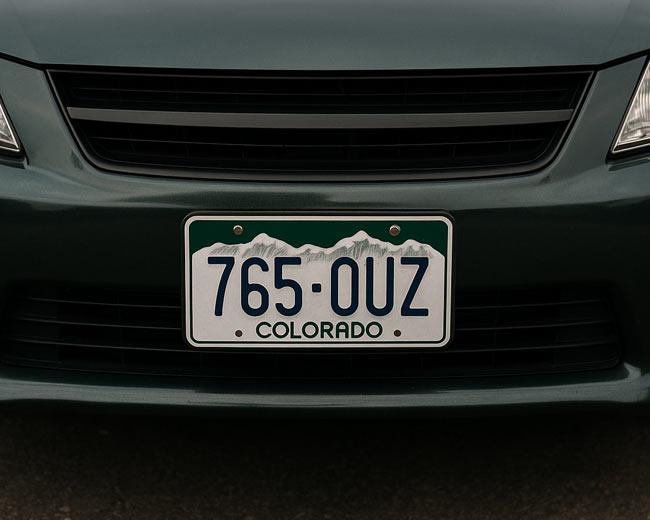
With the rise of automated enforcement, such as red-light cameras and speed cameras, license plate recognition (LPR) technology is a cornerstone. These systems capture images of vehicles and extract the license plate information. While rear plates are most commonly captured by these systems, front plates can serve as a crucial backup or primary identifier in situations where the rear plate is obscured, damaged, or unreadable. This ensures that violations are correctly attributed, contributing to safer roads throughout Colorado.
Crime Prevention and Investigation
Beyond traffic violations, license plates are vital in criminal investigations. Whether it’s identifying a getaway vehicle, tracking a stolen car, or linking a suspect to a crime scene, the ability to quickly and accurately identify a vehicle through its plates is paramount. The presence of both front and rear plates doubles the chances of obtaining a clear identification, thus bolstering crime-solving efforts across the state, from the plains of Erie to the mountains near Vail.
Vehicle Identification and Security
License plates serve as a unique identifier for every registered vehicle. This uniqueness is essential for tracking ownership, insurance status, and registration validity.
Preventing Identity Theft and Fraud
Ensuring that vehicles are properly identified with the correct plates helps prevent various forms of fraud, including the use of stolen or cloned plates. A consistent and visible display of both plates makes it more difficult for individuals to evade detection by using fraudulent identification. This contributes to a more secure automotive ecosystem for everyone driving on Colorado’s highways, including those exploring attractions like the Rocky Mountains National Park.
Facilitating Vehicle Recalls and Safety Campaigns
In the event of a vehicle recall or a public safety campaign related to specific makes or models, having easily identifiable plates can assist authorities in reaching vehicle owners. While direct owner notification is typically managed through registration data, the ability to quickly identify vehicles on the road can be an auxiliary tool in disseminating critical safety information.
Practical Tips for Motorists in Colorado
Understanding the law is the first step; ensuring compliance is the next. Here are some practical tips for drivers in Colorado:
Ensuring Correct Plate Installation
- Placement: The law specifies that the front plate should be securely attached to the front of the vehicle in a readily visible location. Avoid placing it behind the windshield or in any position that obstructs its view. Many vehicles come with pre-drilled holes or mounting brackets for front plates.
- Condition: Keep your license plates clean and in good condition. Mud, snow, or damage can obscure the plate number, leading to potential issues. Regular cleaning, especially after driving through inclement weather or on dusty roads common in areas like Mesa Verde National Park, is advisable.
- Covers and Frames: Be mindful of license plate covers and frames. While many are legal, some tinted or obstructed covers can be deemed illegal if they make the plate difficult to read. Always opt for clear covers if you choose to use one.
What to Do if Your Front Plate is Missing or Damaged
- Report Loss or Theft: If your front license plate is lost or stolen, you must report it to the local authorities and obtain a replacement from the Colorado Department of Revenue. Driving without a plate, even if it was stolen, can still result in a citation until a replacement is issued.
- Obtain Replacements Promptly: If your plate is damaged, visit your local county motor vehicle office to request a new one. This ensures you remain compliant with the law.
Traveling Through Colorado with Out-of-State Plates
If you are visiting Colorado in a vehicle registered in another state, you are generally subject to the license plate laws of Colorado while you are within its borders. However, most states that require front plates will have their own vehicles equipped with them. If you are driving a vehicle from a state that does not require a front plate and you are in Colorado for an extended period (e.g., if you have moved to the state), you will eventually need to register your vehicle in Colorado and obtain Colorado plates, which will include a front plate. For short-term visitors, adherence to your home state’s registration and display laws is usually sufficient, but it’s always prudent to check the specifics if your stay is lengthy or if you encounter any questions from law enforcement.
Navigating Colorado’s Roadways with Confidence
The requirement for a front license plate in Colorado is a straightforward regulation designed to enhance safety and facilitate law enforcement. By understanding the legal mandate, the reasons behind it, and adhering to practical tips for proper display and maintenance, motorists can ensure a trouble-free journey through the beautiful state of Colorado. Whether you’re a local resident commuting daily or a tourist embarking on an unforgettable road trip to explore wonders like the Garden of the Gods or the historic streets of Central City, a compliant license plate is a small but essential aspect of responsible driving.
LifeOutOfTheBox is a participant in the Amazon Services LLC Associates Program, an affiliate advertising program designed to provide a means for sites to earn advertising fees by advertising and linking to Amazon.com. Amazon, the Amazon logo, AmazonSupply, and the AmazonSupply logo are trademarks of Amazon.com, Inc. or its affiliates. As an Amazon Associate we earn affiliate commissions from qualifying purchases.