
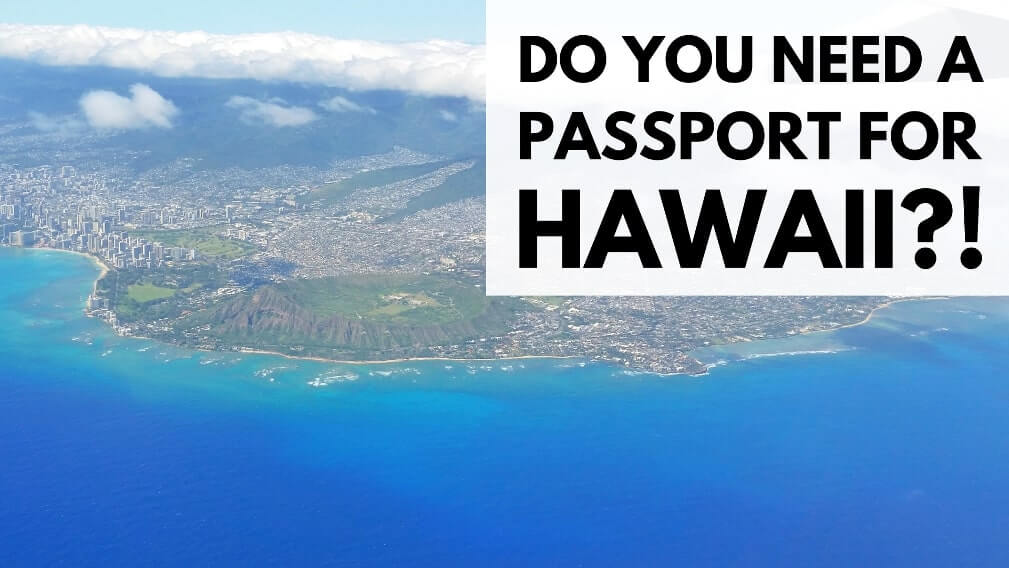
Hawaii, the enchanting “Aloha State,” beckons with its pristine beaches, vibrant culture, and breathtaking volcanic landscapes. It’s a dream destination for many, promising a quintessential tropical escape. However, as travelers begin to plan their itineraries, a fundamental question often arises: “Do you need a passport to visit Hawaii?” The answer, for most individuals, might be simpler than you think, especially for those residing within the United States. Understanding the specific identification requirements is crucial for a smooth and stress-free journey to this Pacific paradise.
Unlike international travel, which universally mandates a valid passport, Hawaii’s unique status as the 50th state of the United States positions it differently. This critical distinction means that for U.S. citizens and permanent residents, a passport is typically not required for travel between the mainland United States and the islands of Hawaii. This domestic classification simplifies the pre-travel preparations considerably, allowing visitors to focus more on anticipating their adventures rather than navigating complex visa applications or international border protocols. However, while a passport isn’t a strict necessity for U.S. citizens flying directly from other U.S. states, it’s essential to understand what forms of identification are indeed acceptable and to be aware of evolving travel regulations, such as those introduced by the REAL ID Act. For non-U.S. citizens, the requirements revert to standard international travel norms, making a passport an absolute necessity. This comprehensive guide will delve into these nuances, ensuring you’re fully prepared for your unforgettable Hawaiian adventure, regardless of your citizenship status.
The Passport Question: Navigating Travel to the Aloha State
The allure of Hawaii is undeniable, drawing millions each year to its sun-drenched shores. From the bustling energy of Waikiki Beach on Oahu to the majestic cliffs of the Na Pali Coast on Kauai, each island offers a distinct experience. Before you can immerse yourself in the local culture, explore ancient landmarks, or simply relax by the ocean, understanding the necessary documentation is paramount. The primary factor determining your passport requirement is your citizenship and point of departure.
For U.S. Citizens: Domestic Travel Exemptions
For citizens of the United States, including residents of all 50 states, the District of Columbia, and U.S. territories, travel to Hawaii is considered domestic. This means that if you are flying directly from another U.S. state or territory, you do not need a passport. The same rules apply to a flight from Los Angeles to Honolulu as they would for a flight from New York to Florida. This significantly streamlines the travel process for the vast majority of visitors, making last-minute trips or spontaneous getaways more feasible without the often lengthy application process for a passport. Instead of a passport, the Transportation Security Administration (TSA) requires a valid, government-issued photo identification. This could be your state-issued driver’s license, a state ID card, a permanent resident card, or a military ID, among other acceptable documents. The ease of domestic travel allows families, couples, and solo adventurers to experience the unique blend of American culture and Polynesian heritage without the added layer of international travel bureaucracy. This also influences accommodation booking and tourism planning, as domestic travelers often have more flexibility in their arrangements.
REAL ID Act and Future Travel Requirements
While a passport isn’t currently required for U.S. citizens flying to Hawaii from the mainland, there’s an important piece of legislation to consider: the REAL ID Act. Passed by Congress in 2005, the REAL ID Act established minimum security standards for state-issued driver’s licenses and identification cards and prohibits federal agencies, like the TSA, from accepting for certain purposes driver’s licenses and identification cards from states that do not meet these standards. Initially, the full enforcement date was set for October 1, 2020, but it has been extended multiple times. As of May 7, 2025, travelers will need a REAL ID-compliant driver’s license or another acceptable form of identification to fly domestically within the United States.
A REAL ID compliant card is typically marked with a star at the top. If your state-issued ID does not have this star, you will need an alternative form of acceptable identification to board a domestic flight, including those to Hawaii. A U.S. passport is one such alternative, making it a convenient option even if not strictly mandatory for the destination itself. Other acceptable forms include a federal government PIV card, a foreign government-issued passport (for non-U.S. citizens), or a U.S. military ID. Staying informed about the latest REAL ID deadlines and requirements is vital to avoid any last-minute travel disruptions. It’s always wise to check the official TSA website for the most current guidelines before your trip, as these regulations can impact everything from booking flights to ensuring smooth passage through airport security.

Essential Documents for Your Hawaiian Getaway
Regardless of whether you’re a seasoned traveler or planning your first major trip, understanding and preparing the necessary documents for your Hawaiian escape is fundamental. While U.S. citizens generally don’t need a passport, a valid form of identification is non-negotiable. For international visitors, the requirements align with standard global travel protocols. Ensuring you have the correct documentation in hand will prevent delays and allow you to fully enjoy the anticipation of your journey to the Pacific paradise.
Acceptable Forms of Identification
For U.S. citizens traveling to Hawaii from the mainland, the TSA accepts several forms of photo identification. The most common and widely used is a state-issued driver’s license. As mentioned, it’s crucial to verify if your driver’s license is REAL ID-compliant, especially as the enforcement date of May 7, 2025, approaches. Other valid forms of identification include:
- State-issued ID card: Similar to a driver’s license but without driving privileges.
- U.S. passport or passport card: While not required, these are universally accepted and are excellent forms of ID.
- U.S. military ID: For active duty military personnel and their dependents.
- Permanent resident card (Green Card): For lawful permanent residents of the United States.
- DHS trusted traveler cards: Such as Global Entry, NEXUS, and SENTRI cards.
- Foreign government-issued passport: For non-U.S. citizens.
- Other government-issued IDs: Including a U.S. Department of Defense ID, a Native American Tribal Photo ID, or a Canadian provincial driver’s license or Indian and Northern Affairs Canada card.
It is highly recommended to carry at least two forms of identification, one primary photo ID and a secondary ID, such as a credit card or health insurance card, in case of any issues with your primary document. Always ensure your chosen ID is valid and unexpired. A robust travel guide often advises keeping digital copies of your documents on your phone or in a cloud service, separate from your physical wallet, as a backup. This simple step can save significant stress if your physical documents are lost or stolen while exploring destinations like Maui or the Big Island.
Special Considerations for Non-U.S. Citizens
For individuals who are not U.S. citizens or permanent residents, travel to Hawaii falls under international travel regulations. This means a valid passport from your country of origin is absolutely essential, along with any necessary visas or entry permits for the United States. The specific visa requirements depend on your nationality and the purpose and duration of your visit.
For example, citizens of countries participating in the Visa Waiver Program (VWP), such as the United Kingdom, Japan, Germany, and Australia, can typically enter the United States for tourism or business stays of up to 90 days without a visa, provided they have an approved Electronic System for Travel Authorization (ESTA). An ESTA application must be completed and approved online prior to departure. Citizens of Canada generally do not require a visa or an ESTA for tourist visits to the United States, but a valid passport is still required.
It is imperative for international travelers to verify their specific entry requirements well in advance of their trip by consulting the U.S. Department of State website or their country’s embassy or consulate. Failure to possess the correct documentation can result in denied boarding or entry. This is a crucial aspect of travel planning that impacts hotel bookings, car rentals, and overall tourism experiences. Being prepared ensures that your journey to Hawaii is seamless, allowing you to focus on the myriad attractions, from the historical significance of Pearl Harbor to the natural wonders of Hawaii Volcanoes National Park.
Planning Your Dream Hawaiian Vacation
Once the documentation is sorted, the real fun of planning your Hawaiian adventure begins. Hawaii offers a wealth of experiences, catering to every type of traveler, whether you’re seeking adrenaline-pumping activities, serene relaxation, or deep cultural immersion. From selecting the perfect island to choosing the ideal accommodation and sampling the local cuisine, thoughtful planning will elevate your trip from good to unforgettable.
Discovering Hawaii’s Diverse Islands and Attractions
Hawaii is an archipelago of distinct personalities, each island offering its unique charm and attractions.
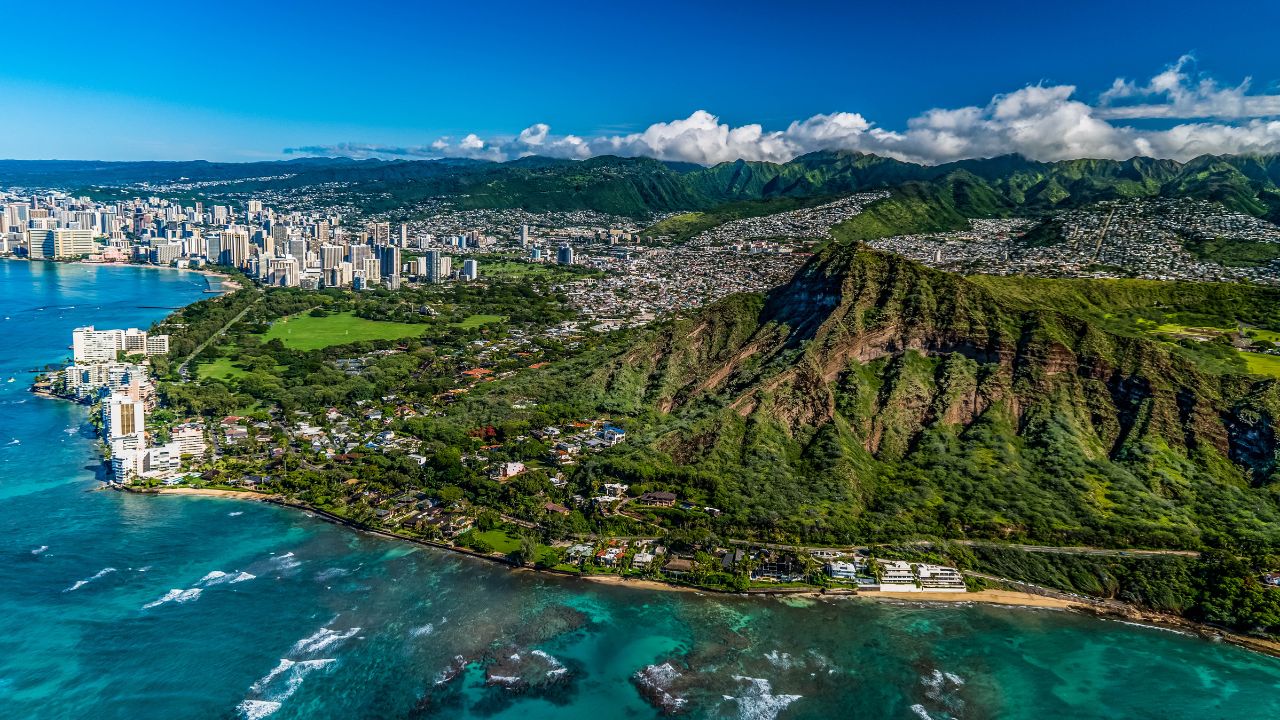
- Oahu, home to the capital city of Honolulu and iconic Waikiki Beach, is a bustling hub combining city life with stunning natural beauty. Here, you can hike Diamond Head, explore the solemn history of Pearl Harbor, or catch a surf lesson on the North Shore.
- Maui, often called the “Valley Isle,” is renowned for its luxurious resorts, picturesque Road to Hana, and world-class whale watching opportunities. It’s a haven for honeymooners and families alike, offering everything from beautiful beaches to the breathtaking sunrise at Haleakala National Park.
- Kauai, the “Garden Isle,” is a lush, emerald paradise characterized by dramatic cliffs, cascading waterfalls, and verdant rainforests. The Na Pali Coast is a sight to behold, best experienced by boat or helicopter, while Waimea Canyon, often called the “Grand Canyon of the Pacific,” offers stunning panoramic views.
- Hawaii Island (the Big Island) boasts incredible diversity, from black sand beaches to snow-capped mountains and active volcanoes. Hawaii Volcanoes National Park allows visitors to witness geological forces at work, while stargazing atop Mauna Kea offers an unparalleled celestial experience.
When planning your itinerary, consider the activities that resonate most with your travel style. Are you a history buff, an avid hiker, a beach bum, or a foodie? Each island caters to different interests, making it essential to tailor your visit to ensure you capture the essence of what makes Hawaii your dream destination. Researching local guides and experiences for each specific attraction will greatly enhance your trip.
Accommodations: From Luxury Resorts to Boutique Stays
Hawaii offers an extensive range of accommodation options to suit every budget and preference. From sprawling luxury resorts to intimate boutique hotels, cozy vacation rentals, and budget-friendly hostels, there’s a perfect place to rest your head after a day of exploration.
- Luxury Resorts: Iconic names like the Four Seasons, Grand Hyatt, and Ritz-Carlton dot the coastlines of Maui, Oahu, and the Big Island, offering world-class amenities, stunning ocean views, and unparalleled service. These resorts often feature multiple pools, gourmet dining, spas, and direct beach access, providing a complete vacation experience without ever needing to leave the property.
- Boutique Hotels: For those seeking a more personalized and unique stay, boutique hotels offer charm, character, and often a stronger connection to the local culture. These properties can range from chic urban hotels in Honolulu to secluded eco-lodges on Kauai, often providing exceptional service and a memorable ambiance.
- Vacation Rentals: Apartments, villas, and homes available through platforms like Airbnb or VRBO are popular choices, especially for families or longer stays. They offer the flexibility of a kitchen, more space, and a chance to live like a local.
- Budget-Friendly Options: Hostels and more modest hotels are available, particularly in areas like Honolulu, catering to backpackers and budget-conscious travelers.
Booking in advance is highly recommended, especially during peak travel seasons, to secure your preferred accommodation and often better rates. Utilize comparison websites and read reviews to make an informed decision that aligns with your lifestyle and budget. Many hotels and resorts offer special packages that include activities, dining credits, or spa treatments, adding value to your stay.
Embracing the Local Culture and Cuisine
A trip to Hawaii is incomplete without immersing yourself in its rich Polynesian culture and savoring its diverse culinary scene. The “Aloha Spirit” is more than just a greeting; it’s a way of life that emphasizes kindness, compassion, and respect for the land and its people.
- Cultural Experiences: Attend a traditional luau, where you can enjoy authentic Hawaiian food, hula dancing, and storytelling. Visit historical sites like Iolani Palace or ancient heiaus (temples) to learn about the islands’ royal past and spiritual traditions. Engage with local artisans at markets, watch a lei-making demonstration, or try your hand at ukulele. Many resorts offer cultural programs and activities that provide insight into Hawaiian heritage.
- Culinary Delights: Hawaiian cuisine is a melting pot of Polynesian, Asian, and American influences, utilizing fresh, local ingredients. Don’t leave without trying:
- Poke: Fresh, raw fish salad, a staple in Hawaiian diets.
- Lau Lau: Pork, beef, or fish wrapped in taro leaves and steamed.
- Kalua Pig: Slow-cooked pork, traditionally roasted in an underground oven (imu).
- Shave Ice: A refreshing treat with various syrups and toppings.
- Fresh Seafood: From mahi-mahi to ahi, the seafood is unparalleled.
- Tropical Fruits: Enjoy fresh pineapples, papayas, mangoes, and lilikoi (passion fruit).
- Coffee: Explore the famous Kona coffee plantations on the Big Island.
Dining experiences range from casual food trucks and local eateries to fine dining establishments, many offering stunning oceanfront views. Exploring the food scene is an adventure in itself and a wonderful way to connect with the local culture and lifestyle. Don’t be afraid to try new flavors and ask locals for their favorite spots!
Beyond Passports: Practical Tips for a Smooth Trip
While confirming your identification requirements is a crucial first step, a truly memorable Hawaiian vacation involves attention to other practical details. From ensuring your well-being to managing your finances, these tips extend beyond the passport question to cover broader aspects of travel planning, ensuring your journey to the “Paradise of the Pacific” is as seamless and enjoyable as possible.
Health and Safety Guidelines
Your health and safety should always be a top priority when traveling. Hawaii is generally a safe destination, but like anywhere, it’s wise to be prepared.
- Sun Protection: The Hawaiian sun is intense. Always use broad-spectrum sunscreen (reef-safe options are encouraged to protect marine life), wear hats, sunglasses, and protective clothing, especially between 10 AM and 4 PM.
- Ocean Safety: Be mindful of ocean conditions. Always swim at lifeguarded beaches, pay attention to warning signs (like rip currents), and never turn your back on the ocean. If you’re not an experienced swimmer, consider calmer waters or guided tours. Respect marine life, and never touch coral or approach animals like sea turtles and dolphins.
- Hiking Safety: If you plan to hike, especially on trails like those in Kauai’s interior or Hawaii Volcanoes National Park, wear appropriate footwear, bring plenty of water, and stay on marked trails. Be aware of changing weather conditions, which can lead to slippery paths.
- Driving: While roads are generally well-maintained, some scenic routes can be narrow or winding. Drive cautiously, especially on roads like the Road to Hana on Maui.
- Health Preparedness: Carry a basic first-aid kit. If you have specific medical conditions, ensure you have all necessary medications and a copy of your prescriptions. Be aware of any local health advisories, especially concerning mosquitoes or other tropical concerns.
Adhering to these guidelines not only ensures your personal safety but also contributes to the preservation of Hawaii’s natural beauty and resources for future visitors.
Budgeting and Travel Styles
Hawaii can cater to a range of travel styles and budgets, from opulent luxury trips to more economical adventures. Understanding your financial parameters early in the planning process will help you make informed decisions about flights, accommodation, activities, and dining.
- Luxury Travel: For those seeking an indulgent experience, Hawaii offers world-class resorts, private villas, gourmet dining, and exclusive experiences like private yacht charters or helicopter tours over volcanoes. Luxury hotels and resorts, often by brands like Marriott or Hilton, provide unparalleled amenities and services.
- Mid-Range Travel: A comfortable and memorable trip can be had with a mid-range budget. This often involves staying in well-regarded hotels or vacation rentals, enjoying a mix of restaurant dining and self-catering, and participating in popular tours and attractions.
- Budget Travel: Traveling to Hawaii on a budget is entirely possible with careful planning. Consider staying in hostels, budget hotels, or camping in designated parks. Opt for local eateries and grocery stores, utilize public transportation where available, and focus on free activities like hiking, swimming, and exploring public beaches and landmarks.
- Family Trips: Hawaii is an excellent destination for families, with numerous kid-friendly resorts, calm beaches, and attractions. Many hotels offer kids’ clubs and family packages. Planning activities that appeal to all ages, from snorkeling to visiting the Honolulu Zoo, is key.
- Business Stays: While primarily a leisure destination, Hawaii also hosts conferences and business events. Business travelers can find well-equipped hotels and resorts in Honolulu that combine work amenities with opportunities for relaxation and networking.
Regardless of your budget, always factor in transportation costs (inter-island flights can add up if you plan to visit multiple islands, and car rentals are often essential for exploring), activity fees, and food. Creating a detailed budget breakdown can help you manage expenses and ensure you have enough funds to enjoy all the beauty and experiences Hawaii has to offer. Remember that flexibility and seeking out local deals can significantly enhance your travel experience without breaking the bank.
In conclusion, for most U.S. citizens, a passport is not a prerequisite for traveling to Hawaii. A valid government-issued ID, ideally REAL ID-compliant, is sufficient. However, for international visitors, a passport and applicable visas are mandatory. With your documentation in order, you’re free to dive into the rich culture, stunning natural beauty, and unparalleled adventures that await you in the “Aloha State.” Mahalo for planning your trip, and enjoy every moment of your Hawaiian dream vacation!