
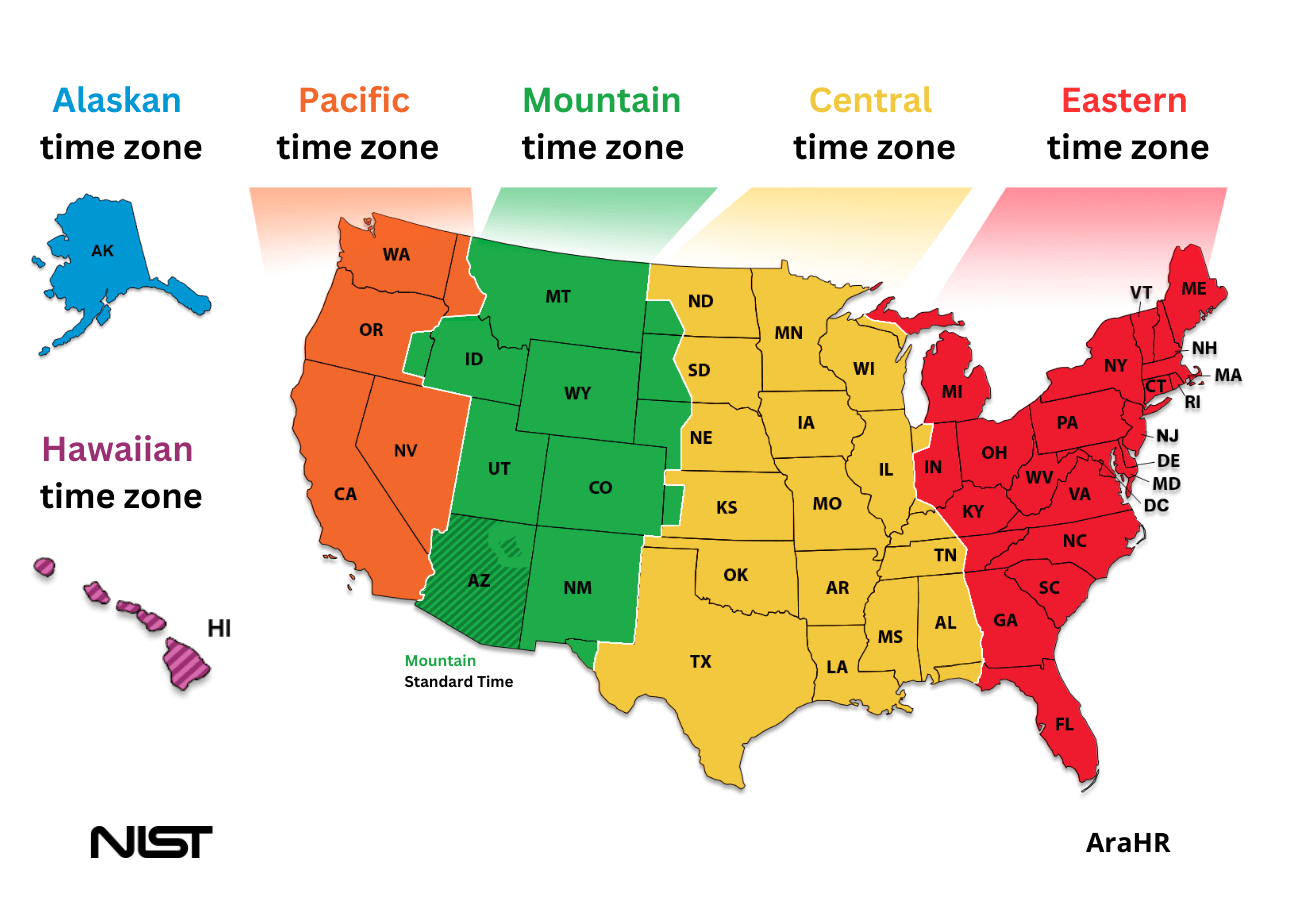
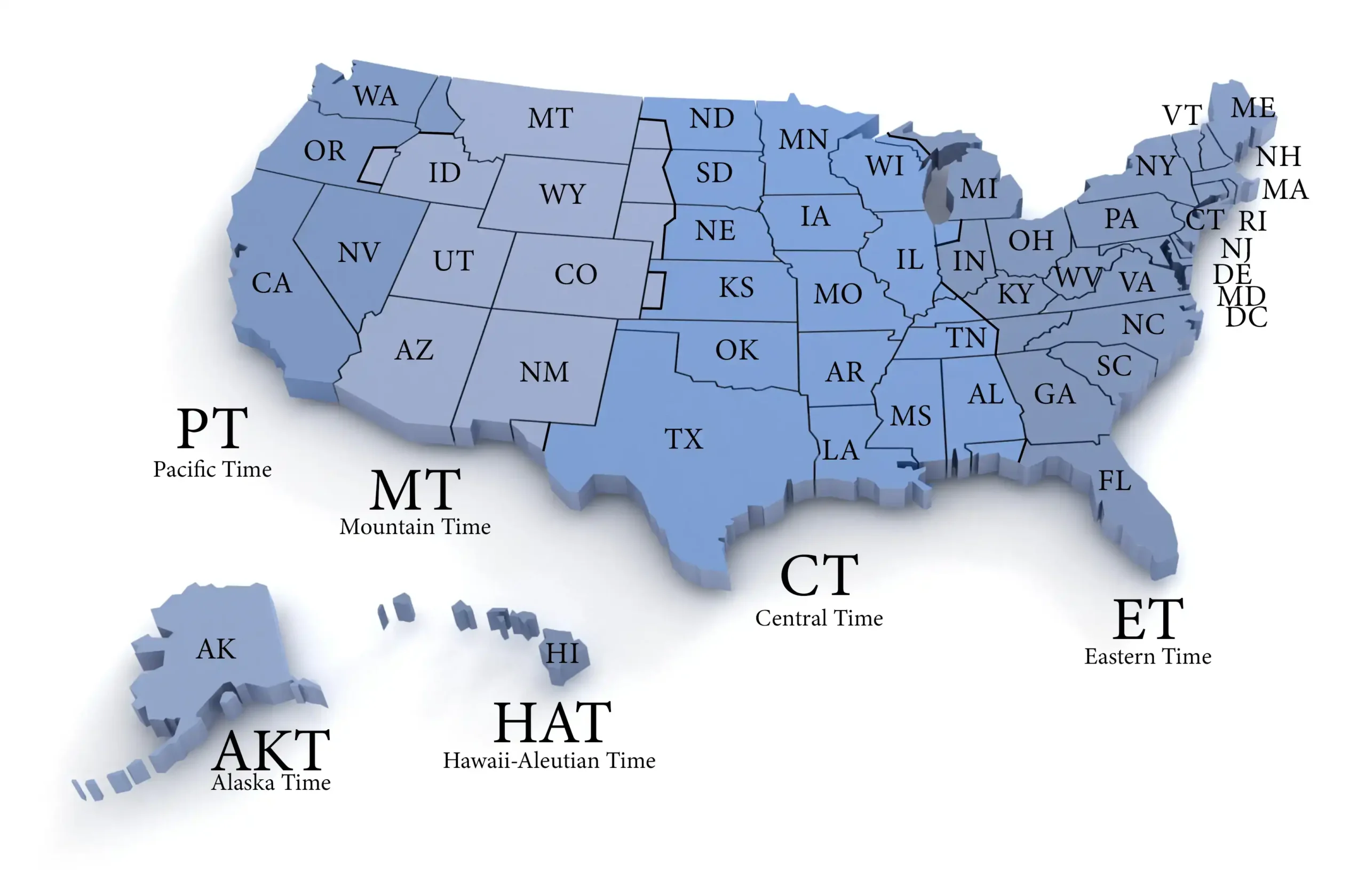
Planning a trip to the Sooner State involves a myriad of exciting considerations: from mapping out breathtaking natural landscapes and vibrant urban centers to securing the perfect accommodation and diving into rich local culture. However, one fundamental detail often overlooked, yet crucial for seamless travel planning, is understanding the local time zone. So, what time zone is Oklahoma in? The answer is straightforward: the entire state of Oklahoma operates within the Central Time Zone (CT). This might seem like a minor detail, but for travelers arriving from different parts of the United States or international destinations, comprehending Oklahoma’s clock is essential for everything from catching flights and making dinner reservations to enjoying local attractions without a hitch.
The Central Time Zone is six hours behind Coordinated Universal Time (UTC-6) during standard time, known as Central Standard Time (CST). When Daylight Saving Time is observed, the clocks spring forward by one hour, placing Oklahoma in Central Daylight Time (CDT), which is five hours behind Coordinated Universal Time (UTC-5). This simple fact forms the bedrock for all tourism logistics and lifestyle experiences within the state, influencing everything from the bustle of Oklahoma City’s Bricktown Entertainment District to the tranquil timings of a sunrise hike in the Wichita Mountains Wildlife Refuge.
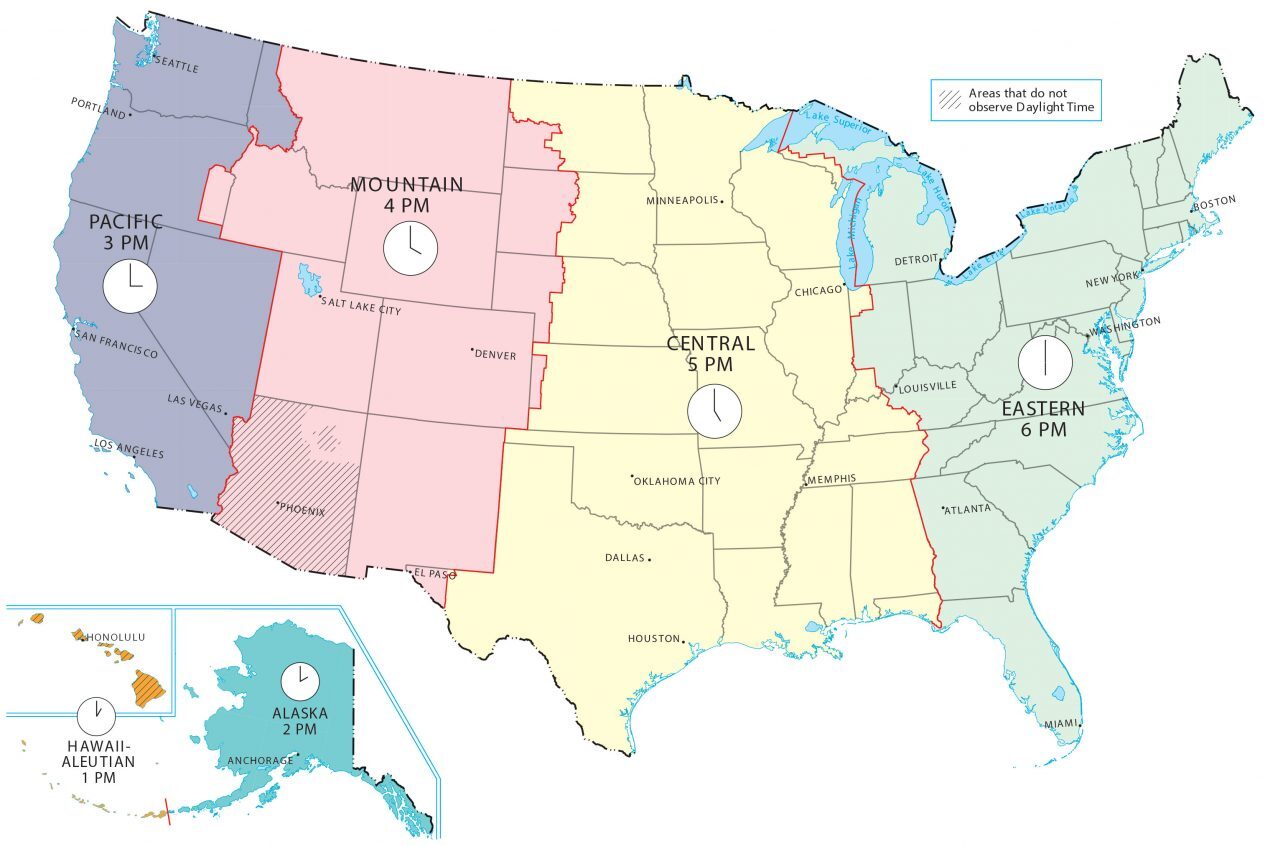
Understanding Oklahoma’s Time Zones: Practicalities for Travelers
Navigating Oklahoma’s time zone is crucial for a smooth and enjoyable journey. Whether you’re flying in, driving across state lines, or planning a packed itinerary, being mindful of the clock will save you from potential confusion and missed opportunities.
A Single Time Zone for the Entire State
One of the most convenient aspects for visitors to Oklahoma is that the entire state observes a single time zone. Unlike some larger states that span multiple zones, you won’t need to adjust your watch as you travel from the Panhandle to the southeastern Ouachita Mountains. This simplifies planning significantly, allowing you to focus on the exciting aspects of your trip rather than calculating time differences between cities like Tulsa and Lawton. This uniformity means that whether you’re exploring the historic Cherokee Nation in the east or the Black Mesa State Park in the west, your schedule will remain consistent with Central Time.
Navigating Daylight Saving Time
Like most of the United States, Oklahoma observes Daylight Saving Time. This means that on the second Sunday in March, clocks “spring forward” one hour from CST to CDT, and on the first Sunday in November, they “fall back” one hour from CDT to CST. For travelers, this annual shift is particularly important. If your trip coincides with one of these transitions, be sure to double-check your flight times, hotel check-in schedules, tour departures, and reservation timings. A miscalculation of even an hour can lead to missed connections, forfeited bookings, or simply arriving too early or too late for an event. Many smart devices automatically adjust, but it’s always wise to verify, especially for critical appointments.
The Impact on Travel Planning and Logistics
Understanding Oklahoma’s adherence to Central Time is more than just academic; it has tangible impacts on nearly every aspect of your trip. For instance, if you’re flying into Will Rogers World Airport in Oklahoma City or Tulsa International Airport, all arrival and departure times will be listed in CT. Coordinating pick-ups with local contacts or ground transportation services requires a clear understanding of the local time. Similarly, scheduling business meetings or coordinating family gatherings across different time zones necessitates accurate conversion. Restaurants, attractions, and event venues throughout the state operate strictly by CT/CDT. Always confirm opening hours for places like the Oklahoma City National Memorial & Museum or The Gathering Place in Tulsa in the local time zone to avoid disappointment.
Exploring Oklahoma: Destinations and Attractions in Central Time
With your time zone logistics sorted, it’s time to delve into the incredible range of destinations and attractions that make Oklahoma a compelling place to visit. From bustling urban centers to serene natural refuges, the state offers diverse experiences, all operating on the consistent rhythm of Central Time.
Major Cities and Urban Adventures
Oklahoma’s two largest cities, Oklahoma City and Tulsa, are vibrant hubs offering a mix of history, culture, and entertainment. In Oklahoma City, the state capital, you can spend your morning exploring the moving Oklahoma City National Memorial & Museum, dedicate your afternoon to Western history at the National Cowboy & Western Heritage Museum, and then enjoy an evening by the canal in the Bricktown Entertainment District. Don’t miss the serene Myriad Botanical Gardens or the adrenaline-pumping activities at Riversport OKC, which offers whitewater rafting and kayaking right in the heart of the city. All these experiences unfold according to the Central Time Zone, making it easy to hop from one adventure to the next.
Tulsa, known for its Art Deco architecture and thriving arts scene, offers a different urban charm. Spend hours wandering through the magnificent Philbrook Museum of Art and its extensive gardens, or take the family to The Gathering Place, an award-winning park described as one of the best public parks in the U.S.. The Tulsa Arts District (formerly the Brady Arts District) is perfect for an evening of live music, galleries, and diverse dining, all scheduled in CT/CDT. And for a quirky experience, try to find the acoustical anomaly known as the Center of the Universe downtown.
Natural Wonders and Outdoor Escapes
Beyond the cities, Oklahoma boasts an impressive array of natural beauty, perfect for those seeking outdoor experiences. The breathtaking Turner Falls Park in the Arbuckle Mountains features a 77-foot waterfall, natural swimming areas, and caves – an ideal day trip if you’re mindful of driving times and park hours. For wildlife enthusiasts, the Wichita Mountains Wildlife Refuge offers opportunities to spot bison, elk, and longhorn cattle amidst stunning granite mountains and mixed-grass prairie, with visitor center hours clearly marked in Central Time.
Water-based activities are popular at Lake Texoma, one of the largest reservoirs in the United States, straddling the Oklahoma-Texas border. Further southeast, Beavers Bend State Park and the charming cabin community of Hochatown provide idyllic settings for fishing, hiking, and simply unwinding in nature. Planning your activities here means aligning with local boat rentals, guided fishing tours, and restaurant closing times, all synchronized to CT/CDT.
Rich History and Cultural Experiences
Oklahoma’s history is deeply intertwined with Native American heritage and the iconic Route 66. Explore sections of the historic Mother Road across the state, visiting quirky roadside attractions and vintage diners that keep their doors open according to CT. The Chickasaw Cultural Center in Sulphur offers an immersive journey into the history and traditions of the Chickasaw Nation, with scheduled performances and demonstrations. Meanwhile, the Cherokee National History Museum in Tahlequah, the capital of the Cherokee Nation, provides profound insights into tribal history. For fans of culinary lifestyle, a trip to Pawhuska to visit The Pioneer Woman Mercantile is a must, but be prepared for potential waits, as its popularity ensures a steady stream of visitors, all arriving on Central Time.
Accommodation and Travel Logistics in Oklahoma
Successful travel hinges on effective logistics, and in Oklahoma, knowing your time zone streamlines every booking and journey. From luxury resorts to cozy cabins, Oklahoma offers a spectrum of accommodation options.
Finding the Perfect Stay
Oklahoma’s diverse travel landscape means a variety of accommodation choices. In Oklahoma City, you might opt for the historic elegance of the Skirvin Hilton Oklahoma City or the modern amenities of the Omni Oklahoma City Hotel. In Tulsa, the Ambassador Hotel Tulsa, Autograph Collection, offers boutique charm. For outdoor escapes near Beavers Bend State Park, cabins and lodges in Hochatown are popular, providing a rustic yet comfortable experience. When booking any of these, remember that all check-in and check-out times, reservation slots, and amenity schedules are in Central Time. Confirming these details in advance, especially during peak travel seasons, will prevent any scheduling conflicts. Using online booking platforms with clear time zone indicators can be helpful.
Planning Your Oklahoma Itinerary
Crafting an effective itinerary requires meticulous attention to detail. Factor in realistic travel times between attractions, always using Central Time as your baseline. For instance, the drive from Oklahoma City to Tulsa typically takes about 1 hour and 45 minutes, a consistent duration because both cities share the same time zone. If you plan to visit multiple landmarks in a day, such as the Stafford Air & Space Museum in Weatherford and then drive to the Oklahoma Aquarium in Jenks, calculate your driving time and verify the operating hours for both in CT/CDT. Utilizing local guides or travel apps that automatically adjust for time zones can be incredibly beneficial for staying on schedule and maximizing your time exploring the Sooner State’s wonders.
Beyond the Clock: Embracing Oklahoma’s Lifestyle and Tourism
While understanding the time zone is a practical necessity, fully immersing yourself in Oklahoma’s rich tourism and vibrant lifestyle means experiencing its unique flavors, events, and local rhythms, all of which operate seamlessly within Central Time.
Culinary Delights and Local Flavors
Oklahoma’s culinary scene is a delightful blend of Southern comfort, Midwestern hearty fare, and distinct Native American influences. No trip to Oklahoma is complete without trying authentic Oklahoma barbecue, especially from local joints that have perfected slow-smoked meats. The legendary fried onion burger, a staple since the Great Depression, offers a taste of history in every bite. Consider reserving a table at popular restaurants like Nic’s Grill in Oklahoma City or Burn Co. BBQ in Tulsa, always remembering to book for Central Time. Native American cuisine, available at places like the Mvskoke Dome in Okmulgee, offers a unique cultural and gastronomic experience that aligns with the state’s deep indigenous roots.
Events and Festivals
Oklahoma hosts a variety of engaging events and festivals throughout the year, celebrating everything from film and music to local harvests and Native American heritage. The Oklahoma State Fair in Oklahoma City and the Tulsa State Fair draw huge crowds annually, offering rides, concerts, and agricultural exhibits. The Red Earth Festival, an Oklahoma City tradition, celebrates Native American arts and culture with powwows and dance competitions. Music lovers might enjoy the Woody Guthrie Folk Festival in Okemah. When planning to attend any of these vibrant events, always check their official schedules and start times, which will invariably be posted in Central Time (CST/CDT). This attention to detail ensures you don’t miss a single moment of the festivities.
Tips for a Seamless Oklahoma Experience
To ensure your Oklahoma travel is as smooth as possible, here are a few final tips. Always set your phone and other devices to automatic time zone updates. Confirm all critical bookings (flights, hotels, tours, event tickets) by checking their stated times against Central Time. If you’re driving, factor in rest stops and potential traffic, particularly when crossing state lines into a different time zone (e.g., Arkansas or Missouri to the east, which are also CT, or New Mexico to the west, which is Mountain Time). Finally, embrace the local pace. Oklahoma offers a warm, welcoming atmosphere, and enjoying it sometimes means allowing a little flexibility in your schedule, even if you’ve meticulously planned every hour in Central Time.
In conclusion, Oklahoma proudly operates within the Central Time Zone, observing Daylight Saving Time. This singular time zone simplifies travel planning across the entire state, making it easier for visitors to coordinate their experiences. By understanding and respecting Oklahoma’s time, you’re better equipped to fully immerse yourself in its vibrant cities, stunning natural landmarks, rich cultural tapestry, and unforgettable local lifestyle. So, set your watch, plan your adventure, and prepare to discover the diverse charm of the Sooner State at precisely the right time.
LifeOutOfTheBox is a participant in the Amazon Services LLC Associates Program, an affiliate advertising program designed to provide a means for sites to earn advertising fees by advertising and linking to Amazon.com. Amazon, the Amazon logo, AmazonSupply, and the AmazonSupply logo are trademarks of Amazon.com, Inc. or its affiliates. As an Amazon Associate we earn affiliate commissions from qualifying purchases.