
The Last Frontier’s Enduring Allure
Alaska, often referred to as “The Last Frontier,” is a land of unparalleled grandeur and untamed wilderness, offering an escape unlike any other. This vast state, larger than Texas, California, and Montana combined, beckons with its majestic landscapes, incredible biodiversity, and a spirit of adventure that resonates deeply with travelers. From towering mountain ranges like the Alaska Range, home to Denali (North America’s highest peak), to shimmering glaciers, dense forests, and expansive tundras, Alaska presents a dramatic tapestry of natural wonders. For the discerning tourist, it is not merely a destination but an immersive journey into a world where nature reigns supreme and human impact is refreshingly minimal. The allure of Alaska lies in its wildness, its promise of genuine discovery, and the profound connection it fosters between visitors and the natural world.

Beyond the Postcard Views
While iconic images of glaciers and abundant wildlife are synonymous with Alaska, the state offers a depth of experience that extends far beyond these picturesque snapshots. Its diverse geography supports multiple ecosystems, from the temperate rainforests of Southeast Alaska with cities like Juneau and Ketchikan, to the interior’s continental climate around Fairbanks, and the Arctic coastal plains. Each region presents its own unique set of attractions and challenges, contributing to a multifaceted tourism landscape. The experience of Alaska is dynamic, shifting with the seasons and revealing new facets of its character with every journey. It demands engagement, inviting visitors to step out of their comfort zones and embrace the raw beauty and power of nature.
Embracing Alaskan Culture and Community
Alaska’s charm is not solely confined to its natural splendor; it is profoundly enriched by its vibrant human history and diverse cultural tapestry. The state is home to a robust blend of traditions, from the ancient customs of its Indigenous Alaskan peoples to the pioneering spirit of its more recent settlers. Understanding this cultural heritage is paramount to truly “knowing” Alaska and appreciating its unique identity as a tourism destination. Cities and towns throughout the state serve as gateways to both adventure and cultural immersion, with places like Anchorage offering modern amenities alongside historical insights, and smaller communities preserving distinct ways of life.
Indigenous Heritage and Modern Life
The cultural backbone of Alaska is undoubtedly its twenty distinct Indigenous Alaskan cultures, comprising Inupiaq, Yup’ik, Athabascan, Tlingit, Haida, Tsimshian, and Aleut peoples, among others. Each group contributes unique languages, art forms, stories, and traditions that have shaped the land for millennia. Tourists can engage with this rich heritage through visits to cultural centers such as the Alaska Native Heritage Center in Anchorage, where traditional dances, storytelling, and craftsmanship are showcased. Many communities host festivals and events, offering authentic glimpses into daily life and celebrating ancestral practices. Events like the Iditarod Trail Sled Dog Race, while a modern sporting event, is deeply rooted in the historical use of dog teams for travel and communication across vast winter landscapes, providing a fascinating link between past and present. Supporting Indigenous Alaskan artists and guides not only provides unique souvenirs and experiences but also directly contributes to the preservation of these invaluable cultures.
Culinary Delights of the North
Alaskan cuisine is a direct reflection of its environment, emphasizing fresh, wild, and sustainably sourced ingredients. For tourists, this translates into an extraordinary culinary journey. The state is renowned for its seafood, particularly wild Alaskan salmon (including sockeye, king, coho, and pink varieties), succulent king crab, and flaky halibut. These treasures of the sea are prepared in countless ways, from simple grills to elaborate fine dining experiences, especially in coastal towns and larger cities like Anchorage and Juneau. Beyond seafood, visitors can savor local specialties such as reindeer sausage, hearty stews, and a surprising array of fresh berries (like blueberries, cranberries, and salmonberries) that thrive during the long summer days, often finding their way into delectable pies, jams, and even craft beverages. The burgeoning craft beer and distillery scene also incorporates local ingredients, offering unique flavors that capture the essence of Alaska. Dining in Alaska is more than just a meal; it’s an opportunity to taste the wilderness and connect with the land’s bounty.
Thrilling Activities and Immersive Experiences
Alaska is synonymous with adventure, offering an incredible array of activities that cater to every type of thrill-seeker and nature enthusiast. The state’s vastness and diverse ecosystems provide a natural playground for unforgettable experiences, making it a premier destination for experiential tourism. Whether one seeks a serene wildlife encounter or an adrenaline-pumping expedition, Alaska delivers.
Wildlife Encounters and Wilderness Exploration
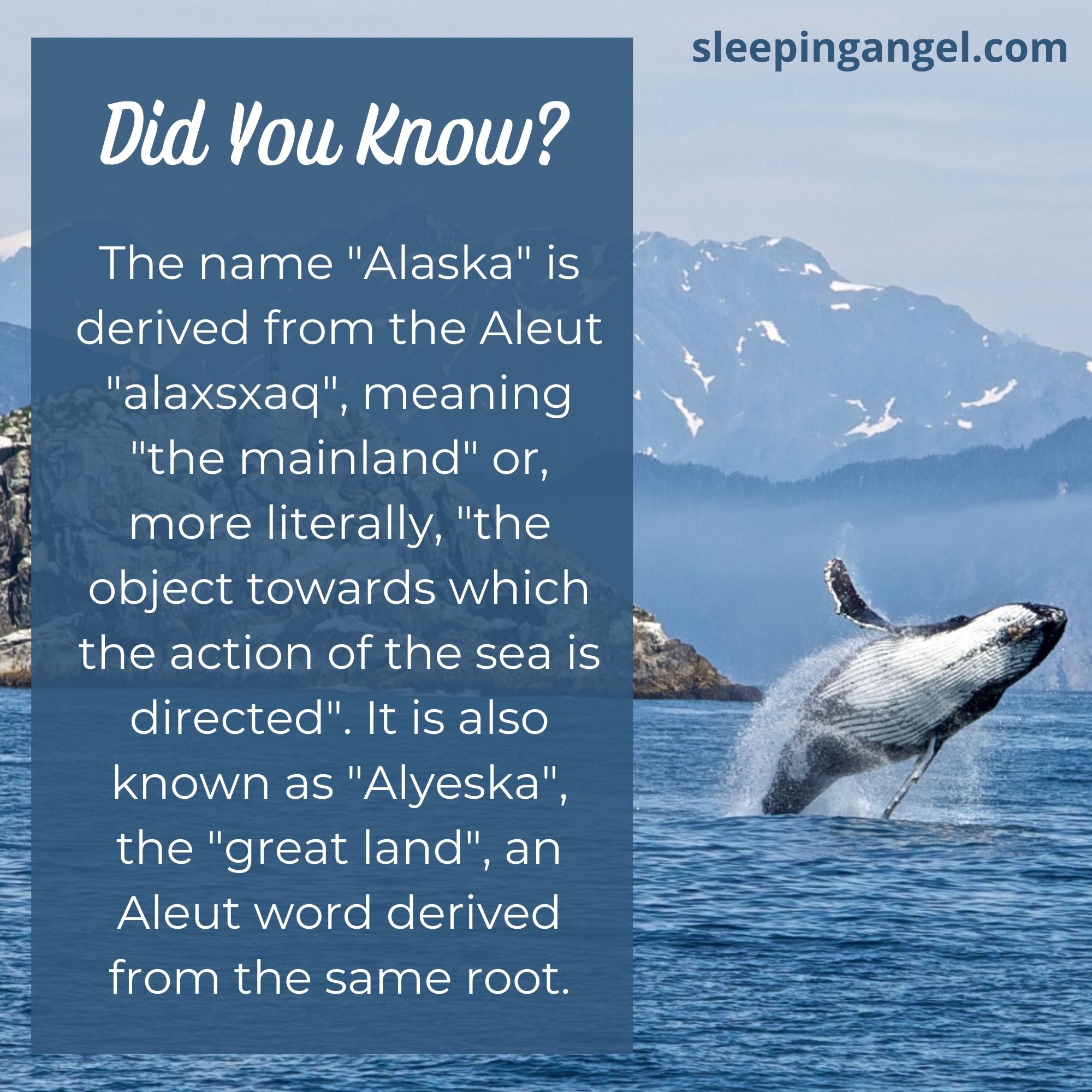
The opportunity for unparalleled wildlife viewing is a primary draw for tourists to Alaska. Denali National Park and Preserve is an essential stop, offering guided bus tours deep into its interior where visitors can spot grizzly bears, caribou, moose, Dall sheep, and wolves in their natural habitat. For a truly unforgettable experience, bear viewing expeditions to places like Katmai National Park and Preserve or Brooks Falls allow tourists to witness brown bears fishing for salmon at close yet safe distances. Coastal Alaska, particularly areas around Seward and Juneau, is a prime location for whale watching, with magnificent humpback and orca whales frequently sighted, alongside sea otters, harbor seals, and puffins. Kenai Fjords National Park offers stunning boat tours that navigate icy waters, past tidewater glaciers and an abundance of marine life. Kayaking among icebergs, glacier trekking on vast icefields, and flightseeing tours over remote landscapes are other popular ways to immerse oneself in Alaska’s pristine wilderness.
Adventure Sports for Every Season
Alaska’s rugged terrain and extreme climate create an ideal environment for a wide range of adventure sports, making it a year-round destination for active travelers. During the summer, hiking trails abound, from leisurely strolls through coastal forests to challenging multi-day treks in mountain ranges. World-class fishing, particularly for salmon and halibut, draws anglers from across the globe. Whitewater rafting, sea kayaking, and mountain biking are also popular warm-weather activities. As winter descends, Alaska transforms into a snowy paradise. Dog sledding, from short scenic rides to multi-day expeditions, offers an iconic Alaskan experience. Heli-skiing and snowboarding in untouched powder attract serious winter sports enthusiasts, while cross-country skiing, snowshoeing, and ice skating provide more accessible winter fun. Even during the shoulder seasons, unique opportunities arise, such as fat tire biking on snowy trails or exploring thawing landscapes.
The Magic of the Northern Lights
One of Alaska’s most captivating natural phenomena is the Aurora Borealis, or Northern Lights. Caused by solar particles interacting with the Earth’s magnetic field, these ethereal ribbons of green, pink, and purple light dance across the night sky, offering a truly magical spectacle. The best time to witness the Northern Lights is from late August through April, particularly in interior Alaska where skies are typically clearer and darker. Fairbanks, situated beneath the Auroral Oval, is considered one of the best places on Earth for aurora viewing, with numerous tours and lodges dedicated to providing optimal viewing experiences. This celestial show is not just a sight but an experience that leaves an indelible mark on every visitor, connecting them to the vastness of the cosmos above the Alaskan wilderness.
Navigating Alaska: Essential Tips for Visitors
Planning a trip to Alaska requires careful consideration, as its unique geography and climate present distinct challenges and opportunities. Thoughtful preparation can significantly enhance the tourism experience, ensuring visitors can fully immerse themselves in the wonders of the Last Frontier while respecting its delicate environment and vibrant communities.
Best Times to Visit
The “best” time to visit Alaska largely depends on your desired activities and preferences.
- Summer (June – August): This is the peak tourist season, offering long daylight hours (up to 24 in some northern regions), warmer temperatures, and access to the widest range of activities, including wildlife viewing, hiking, and cruising. However, it also means larger crowds and higher prices.
- Shoulder Seasons (May, September): These months offer a balance of fewer crowds, lower prices, and still-plentiful activities. May brings spring thaw and awakening wildlife, while September showcases stunning fall foliage and the potential for early Northern Lights sightings, particularly in interior Alaska around Fairbanks.
- Winter (October – April): For those seeking a true winter wonderland experience, complete with snow sports, dog sledding, and consistent Northern Lights displays, winter is unparalleled. Temperatures can be extremely cold, but specialized gear and tours make it accessible.
Getting Around
Due to Alaska’s immense size and limited road network, transportation requires strategic planning.
- Cruises: A popular option for exploring Southeast Alaska and its coastal communities like Juneau, Skagway, and Ketchikan, offering stunning glacier views and marine wildlife encounters.
- Alaska Railroad: Provides scenic journeys between major cities like Seward, Anchorage, Denali National Park and Preserve, and Fairbanks, offering a comfortable way to see vast landscapes.
- Rental Cars: Suitable for exploring specific regions like the Kenai Peninsula or driving the Parks Highway to Denali. However, many remote areas are inaccessible by road.
- Flightseeing & Bush Planes: Essential for reaching remote lodges, national parks, and wilderness areas, offering breathtaking aerial perspectives of Alaska’s vastness.

Sustainable Tourism Practices
As custodians of this magnificent land, tourists play a vital role in preserving Alaska’s natural beauty and cultural integrity. Adopting sustainable tourism practices is crucial:
- Leave No Trace: Pack out everything you pack in, stay on marked trails, and minimize your impact on the environment.
- Respect Wildlife: Maintain safe distances, never feed animals, and avoid disturbing their natural behaviors.
- Support Local: Choose locally owned businesses, purchase Indigenous Alaskan art and crafts, and hire local guides. This ensures that tourism benefits the communities directly.
- Cultural Sensitivity: Be mindful and respectful of Indigenous Alaskan customs, traditions, and sacred sites.
By following these guidelines, visitors can ensure that Alaska remains a pristine and welcoming destination for generations to come, truly knowing and appreciating its profound essence.