

Understanding Florida’s Boating Regulations
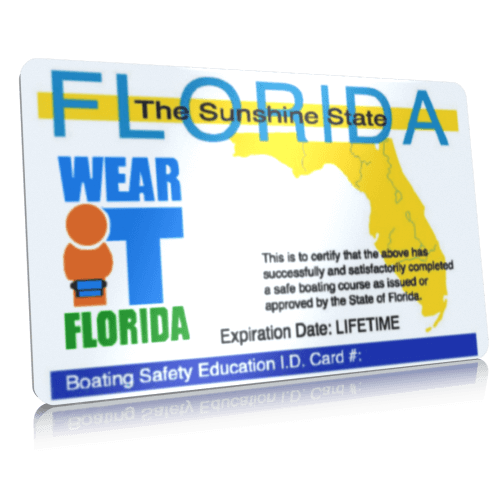
[Florida] does not issue a traditional “boater’s license” in the way a driver’s license is issued. Instead, it requires certain operators of motorized vessels to possess a Boating Safety Education Identification Card, often referred to colloquially as a “boater’s license” or “boating card.” This card signifies that an individual has successfully completed an approved boating safety course and passed an examination. The primary goal of these regulations, enforced by the Florida Fish and Wildlife Conservation Commission, is to enhance safety on the water and reduce boating accidents.The state’s waterways are incredibly diverse, hosting everything from personal watercraft (PWCs) and small fishing boats to large yachts and commercial vessels. This high volume of marine traffic, combined with varying conditions, makes boating safety education paramount. The requirements are designed to ensure that boat operators have a fundamental understanding of navigation rules, safety equipment, emergency procedures, and responsible boating practices. Adhering to these regulations is not only a legal obligation but also a commitment to preserving the natural beauty and safety of [Florida]’s aquatic environments for everyone to enjoy.
Who Needs a Boating Safety Education Identification Card?
The requirement for a Boating Safety Education Identification Card in [Florida] is primarily determined by age and the type of vessel being operated. It’s essential for visitors and residents alike to be aware of these specific criteria to avoid penalties and ensure compliance.
Age and Vessel Requirements
Anyone born on or after January 1, 1988, who operates a motorized vessel of 10 horsepower or more, is required to have a Boating Safety Education Identification Card. This rule applies to both residents of [Florida] and non-residents visiting the state. The card must be carried aboard the vessel along with a valid photo ID whenever the individual is operating the boat.
This regulation covers a wide range of watercraft, including:
- Personal Watercraft (PWCs): Often called jet skis, these are popular for recreation in [Florida]’s coastal areas and lakes.
- Motorboats: Any vessel propelled by machinery, regardless of size, if it has 10 horsepower or more. This includes everything from small fishing boats to larger recreational cruisers.
- Rental Boats: Even if you are renting a boat, the same age and horsepower restrictions apply. Many rental agencies will verify your compliance before allowing you to operate their vessels.
It’s crucial to remember that simply owning a boat does not exempt you from this requirement. The rule applies to the operator of the vessel. So, if you meet the age criteria and plan to take the helm of a motorized boat with 10 horsepower or more, you must have this card.
Understanding “Motorized Vessel” and “Horsepower”
The term “motorized vessel” broadly refers to any vessel propelled by machinery. The “10 horsepower or more” threshold is key. Many smaller boats, particularly tenders or dinghies, might fall below this threshold. However, most recreational powerboats and all personal watercraft exceed 10 horsepower. When in doubt, it’s always best to assume the requirement applies or to verify the vessel’s horsepower.
The regulations are in place to ensure that operators understand the power and handling characteristics of higher-horsepower vessels, which can pose greater risks if not operated responsibly. This includes knowledge of navigation rules, safe speeds, avoiding dangerous maneuvers, and understanding maritime signals.
How to Obtain Your Florida Boating Card
Acquiring your [Florida] Boating Safety Education Identification Card is a straightforward process designed to be accessible to all prospective boaters. The primary method involves completing an approved boating safety course.
Approved Boating Safety Courses
The Florida Fish and Wildlife Conservation Commission approves various boating safety courses that meet the state’s educational requirements. These courses cover essential topics such as:
- Navigation rules (Rules of the Road)
- Required safety equipment (life jackets, fire extinguishers, visual distress signals)
- Safe boating practices (docking, anchoring, fueling, adverse weather)
- Emergency procedures (man overboard, fire, capsizing)
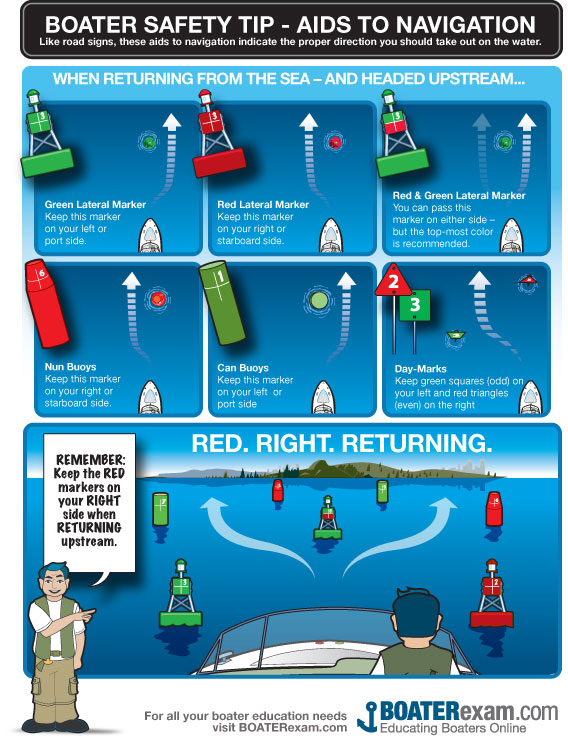
- Aids to navigation (buoys, markers, lights)
- Environmental stewardship and conservation
You have several options for completing an approved course:
Online Courses
Many private providers offer FWC-approved online courses. These courses provide flexibility, allowing you to learn at your own pace from anywhere with internet access. Popular and reputable online providers include BoatUS Foundation, BoaterExam.com, and America’s Boating Course. Upon successful completion of the online module and passing the final exam, you typically receive a temporary certificate, and your permanent card is mailed to you. This is often the most convenient option for many individuals, especially those planning a trip to [Florida] from out of state.
Classroom Courses
For those who prefer a traditional learning environment, various organizations offer in-person classroom courses. These might be provided by local boating clubs, community colleges, or even some marine businesses. Classroom settings offer direct interaction with instructors and other students, which can be beneficial for hands-on learning and discussion. Check the FWC website for a list of approved in-person course providers in your area or the area you plan to visit, such as [Sarasota], [Tampa Bay], or [Orlando].
Equivalency Exams
If you possess significant prior boating experience or have completed an equivalent course in another state, you might be eligible to take an equivalency exam. This exam tests your knowledge of [Florida]’s specific boating laws and general safety practices. If you pass, you can then apply for your Boating Safety Education Identification Card. This option is less common but can be a quick route for experienced boaters who meet the criteria.
Applying for Your Card
Once you successfully complete an approved course or pass an equivalency exam, the course provider will typically submit your information to the [FWC], or guide you through the process of applying for your card. You will usually receive a temporary certificate which is valid for a short period while your permanent Boating Safety Education Identification Card is being processed and mailed. Always ensure you have a valid form of identification to present with your card if requested by law enforcement on the water.
Exemptions and Important Considerations
While the “born on or after January 1, 1988, operating a vessel of 10 horsepower or more” rule covers most recreational boaters, there are specific exemptions and additional considerations important for anyone planning to boat in [Florida].
Key Exemptions
Certain individuals are exempt from the requirement to carry a Boating Safety Education Identification Card:
- Operators accompanied by a qualified individual: If you are operating a vessel and a person who is exempt from the requirement (i.e., born before January 1, 1988, or already possesses the card) is onboard, is at least 18 years of age, and is supervising you from a position that allows them to take immediate control of the vessel, you may be exempt. This is particularly useful for new boaters learning the ropes.
- Operators of sailboats: Sailboats, unless equipped with a motor of 10 horsepower or more and being operated under power, are generally exempt.
- Operators of non-motorized vessels: Canoes, kayaks, paddleboards, and other non-motorized vessels do not require the card.
- Persons operating on a private lake or pond: If the body of water is entirely privately owned and has no public access, the state boating regulations may not apply.
- Operators of vessels participating in an organized race: Specific competitive events may have their own safety requirements that supersede the general card requirement.
- Persons licensed by the U.S. Coast Guard: Individuals with valid merchant mariner credentials from the [U.S. Coast Guard] are exempt.
- Persons temporarily operating a vessel for repairs or demonstration: If you’re a marine technician or sales agent operating a vessel as part of your job, you may be exempt.
- Vessels owned by the U.S. Government: Vessels owned and operated by any branch of the U.S. government are exempt.
Consequences of Non-Compliance
Operating a vessel in [Florida] without the required Boating Safety Education Identification Card can lead to penalties. The [FWC] and other law enforcement agencies on the water regularly conduct patrols and may stop vessels for safety checks. If you are found to be operating a vessel in violation of the age and card requirements, you could face a civil infraction, which typically results in a fine. While usually not a criminal offense for a first-time violation, repeated offenses or other dangerous boating practices could lead to more severe consequences, including restrictions on your boating privileges.
Furthermore, failing to adhere to safety regulations can have serious implications beyond legal penalties. In the event of an accident, your lack of a required safety card could complicate insurance claims and potentially lead to greater liability. Always prioritize safety and legal compliance to ensure a worry-free experience on [Florida]’s waters.
Boating Safety and Best Practices in the Sunshine State
Beyond the license requirement, responsible boating in [Florida] encompasses a range of safety practices and environmental considerations. The state’s waters are beautiful but can also be unpredictable, making vigilance and preparedness essential.
Essential Safety Equipment
Regardless of whether you need a Boating Safety Education Identification Card, all vessels must carry certain safety equipment as mandated by state and federal laws. This typically includes:
- Life Jackets: An approved life jacket (Personal Flotation Device or PFD) for every person on board, and readily accessible. Children under 6 years old must wear a PFD while on a vessel under 26 feet in length that is underway.
- Fire Extinguisher: Depending on the size and type of your vessel, a marine-grade fire extinguisher may be required.
- Visual Distress Signals (VDS): For vessels operating in coastal waters, certain VDS are required, such as flares or an electronic VDS.
- Sound-Producing Device: A whistle, horn, or other device capable of producing an audible signal is often required.
- Navigation Lights: Appropriate navigation lights must be displayed from sunset to sunrise and during periods of restricted visibility.
Environmental Stewardship
[Florida]’s diverse ecosystems, from the coral reefs of the [Florida Keys] to the sprawling mangroves of the [St. Johns River], are incredibly fragile. Boaters have a crucial role in protecting these natural treasures.- Respect Manatees and Marine Life: Slow down in designated “no wake” zones, especially in areas known for manatee habitats. Avoid disturbing wildlife.
- Proper Waste Disposal: Never litter or discharge waste into the water. Use designated pump-out facilities for holding tanks.
- Anchor Responsibly: Avoid anchoring on sensitive habitats like coral reefs or seagrass beds. Use mooring buoys where available.
- Prevent Fuel Spills: Take precautions when fueling to prevent spills into the water.
Planning Your Boating Trip
Before heading out, always:
- Check the Weather: [Florida] weather can change rapidly. Monitor marine forecasts for wind, waves, and storms.
- File a Float Plan: Inform a reliable person on shore of your itinerary, including your destination, expected return time, and number of people onboard.
- Know Your Vessel: Understand your boat’s capabilities and limitations.
- Stay Sober: Operating a boat under the influence of alcohol or drugs is illegal and extremely dangerous. [Florida] has strict BUI (Boating Under the Influence) laws.
By understanding and adhering to [Florida]’s boating regulations, obtaining the necessary Boating Safety Education Identification Card, and practicing responsible boating, you can ensure a memorable, safe, and enjoyable experience on the state’s magnificent waterways. Whether you’re exploring the clear waters of [Clearwater Beach], fishing in [Destin], or simply cruising the canals of [Fort Lauderdale], being prepared is key to making the most of your [Florida] adventure.
LifeOutOfTheBox is a participant in the Amazon Services LLC Associates Program, an affiliate advertising program designed to provide a means for sites to earn advertising fees by advertising and linking to Amazon.com. Amazon, the Amazon logo, AmazonSupply, and the AmazonSupply logo are trademarks of Amazon.com, Inc. or its affiliates. As an Amazon Associate we earn affiliate commissions from qualifying purchases.