
For many residents and visitors, the allure of the water is a primary reason to explore the Empire State. Whether you are planning to navigate the historic waters of the Hudson River, enjoy a weekend getaway to the Finger Lakes, or cruise the expansive shoreline of Long Island, understanding the legal requirements for operating a vessel is essential. Navigating New York’s waterways requires more than just a sense of adventure; it demands a clear understanding of state regulations, safety standards, and operator certification.
Understanding the New York Boating Safety Certificate
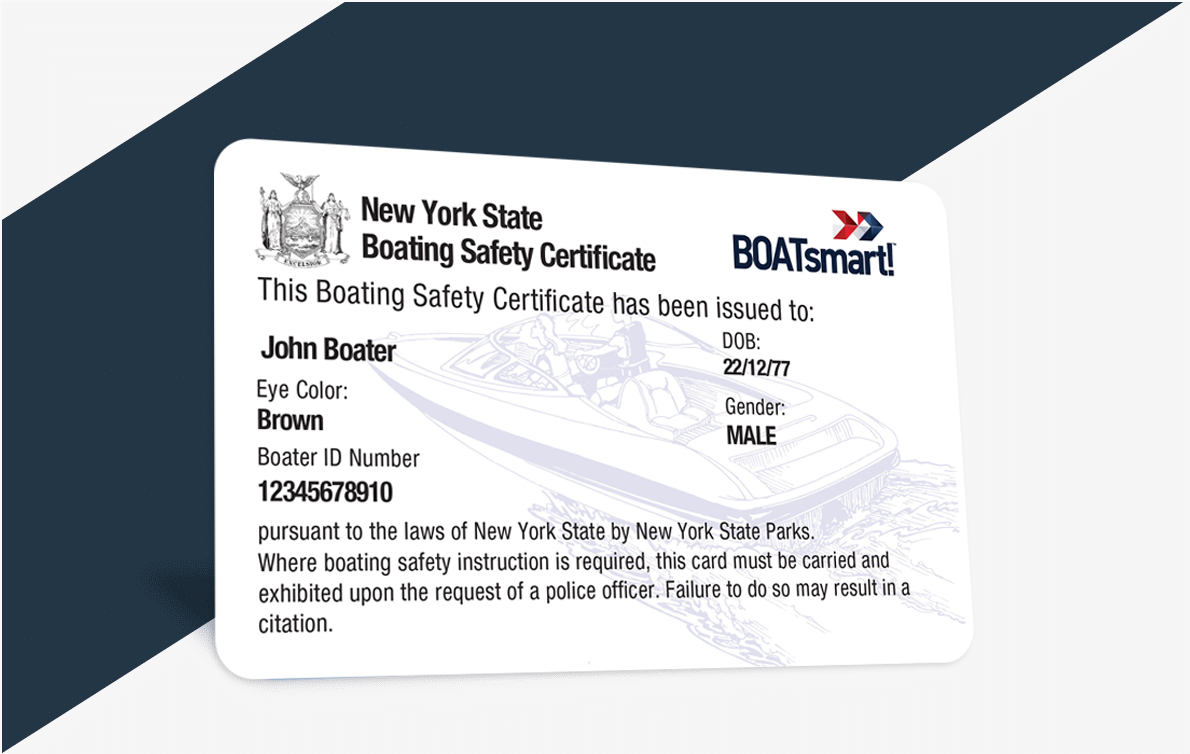
In New York, the term “boating license” is often used colloquially, but it specifically refers to a “Boating Safety Certificate.” Unlike a driver’s license, which is required for everyone who gets behind the wheel of a car, a boating safety certificate is mandated based on specific age groups and the type of vessel being operated.
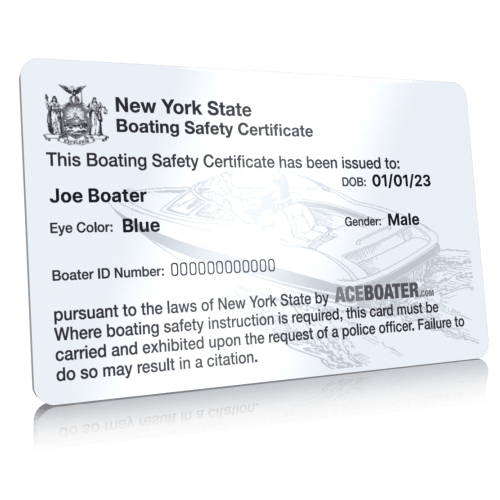
Who Is Required to Carry a Certificate?
The mandate for boating safety education in New York has evolved significantly in recent years. As of current legislation, the requirements are tied primarily to age and vessel type. Specifically, anyone born on or after May 1, 1996, who operates a motorboat is required to possess a Boating Safety Certificate. Furthermore, anyone operating a Personal Watercraft (PWC), commonly referred to as a Jet Ski, must also hold this certificate regardless of their age.
These laws are designed to ensure that the individuals navigating high-traffic areas, such as the Great Lakes or the bustling harbors near New York City, possess a foundational knowledge of navigation rules, emergency procedures, and environmental stewardship.
The Role of Personal Watercraft Regulations
Personal watercraft have become incredibly popular across the state, from the tranquil bays of the Hamptons to the scenic waterways of Lake George. Because these vessels are smaller, faster, and more agile than traditional motorboats, they present unique safety challenges. New York State law is particularly strict here: no person may operate a PWC unless they are at least 14 years of age and hold a valid Boating Safety Certificate. This measure ensures that younger operators are equipped with the skills necessary to handle these craft responsibly, reducing the likelihood of accidents in high-activity recreation zones.
The Path to Certification: Education and Compliance
Obtaining your Boating Safety Certificate is a straightforward process, though it requires a time commitment and a serious approach to learning. The New York State Office of Parks, Recreation and Historic Preservation oversees the curriculum, which is designed to cover everything from “rules of the road” to handling adverse weather conditions on bodies of water like the St. Lawrence River.
Accredited Course Providers
There are several ways to complete your education. The state approves courses offered by the United States Coast Guard Auxiliary, the United States Power Squadrons, and various private vendors. These courses can often be taken in a classroom setting, which allows for hands-on interaction with instructors, or online, providing flexibility for those with busy schedules.
The curriculum generally covers:
- Vessel Handling: How to maneuver, dock, and anchor safely.
- Navigation Rules: Understanding buoy systems, channel markers, and right-of-way rules (the “Rules of the Road”).
- Emergency Preparedness: Managing capsizing, fires, or man-overboard situations.
- Environmental Laws: Regulations concerning invasive species and waterway pollution, which are vital for protecting the ecology of the Adirondacks.
Once the course is successfully completed and the final examination is passed, you will receive your certificate. This certificate is valid for life and does not need to be renewed, making it a permanent asset for anyone looking to enjoy water-based activities in Lake Champlain or beyond.
Reciprocity with Other States
If you are visiting from out of state and already hold a boating safety certification from your home jurisdiction, New York generally recognizes certificates issued by other states, provided those programs are approved by the National Association of State Boating Law Administrators (NASBLA). However, it is always recommended to carry a physical or digital copy of your certification while on the water. Law enforcement officials, such as those patrolling the Atlantic Ocean coastline, are authorized to request proof of compliance during routine vessel stops.
Essential Safety Tips for New York Waterways
While holding a certificate is a legal requirement, it is only the first step toward safe boating. Regardless of your age or the length of your boat, the water is a dynamic and sometimes unpredictable environment.
Equipping Your Vessel
Safety starts before you leave the dock at marinas in Montauk or Buffalo. Every vessel must be equipped with the legally required number of Coast Guard-approved Personal Flotation Devices (PFDs) for every passenger on board. Additionally, carrying a sound-producing device (like a whistle or horn), a fire extinguisher, and visual distress signals is essential.
Navigating High-Traffic Areas
Boating in popular regions like Shelter Island or the Thousand Islands can be demanding during peak summer months. Increased boat traffic, varying water depths, and the presence of swimmers mean that operators must maintain constant vigilance. Following the “Rule of Maintainable Speed” is critical; you must always operate at a speed that allows you to take proper and effective action to avoid collision.
The Impact of Alcohol and Weather
Perhaps the most critical rule for any boater is the prohibition of alcohol. Boating Under the Influence (BUI) is treated with the same severity as driving under the influence in New York. The physical stressors of being on the water—sun, wind, and the motion of the vessel—significantly amplify the impairing effects of alcohol. Furthermore, always check local weather reports for the Catskills or other regional areas, as storms can move in rapidly and create hazardous chop on even the calmest lakes.
Embracing Responsible Boating
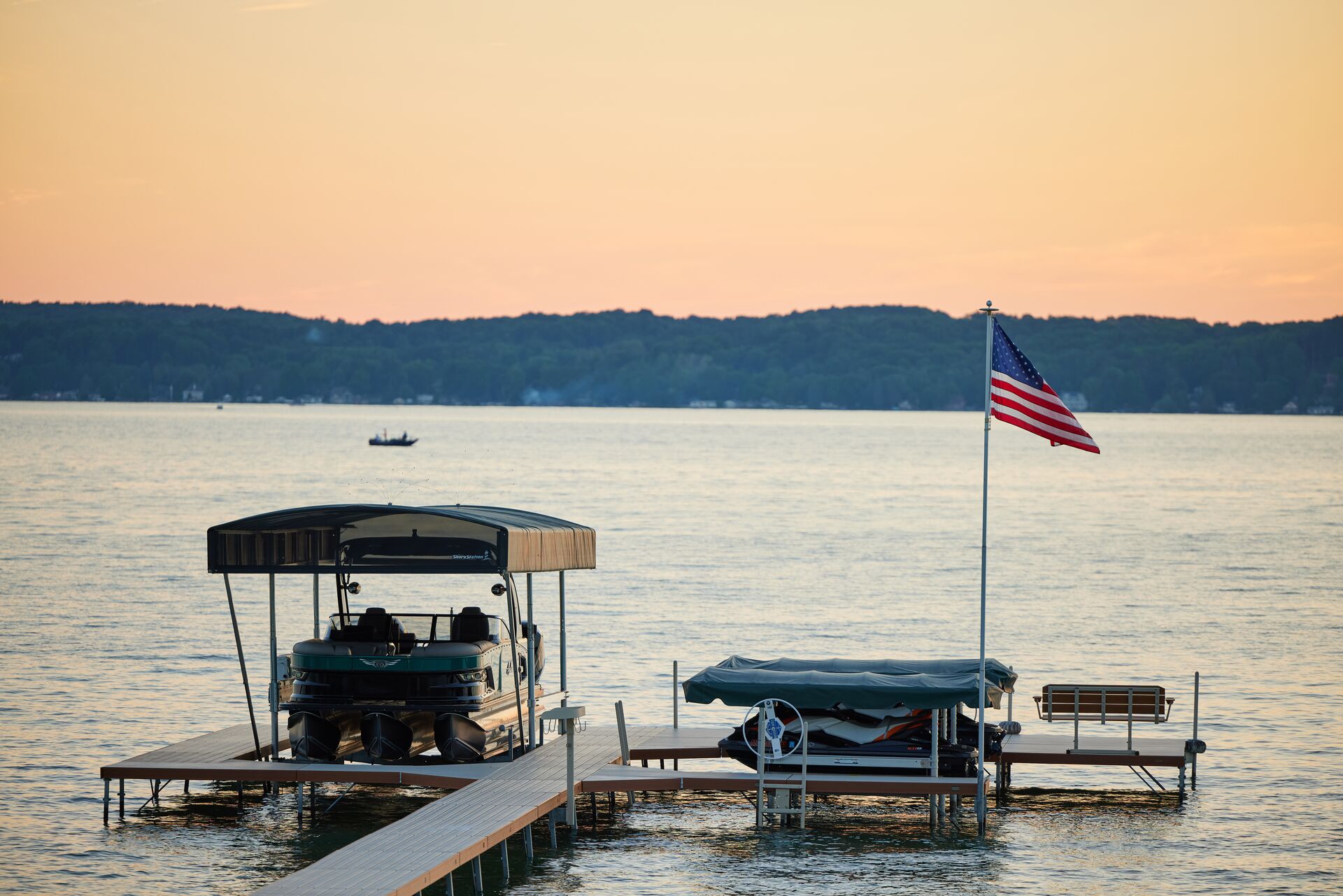
Ultimately, the goal of boating regulations in New York is to preserve the enjoyment and safety of the state’s natural treasures. Whether you are exploring the quiet coves of Fire Island or participating in a regatta on a major waterway, the Boating Safety Certificate provides the confidence needed to handle your vessel professionally.
As the state continues to update its guidelines to mirror advancements in maritime safety, all boaters are encouraged to periodically review the latest updates from the New York State Department of Environmental Conservation. By remaining informed, respecting the rights of other water enthusiasts, and prioritizing the safety of those on board, you ensure that New York’s waterways remain a premier destination for generations to come. Boating is one of the most rewarding ways to experience the beauty of the Northeast, and with the right preparation, every trip can be as safe as it is memorable.
LifeOutOfTheBox is a participant in the Amazon Services LLC Associates Program, an affiliate advertising program designed to provide a means for sites to earn advertising fees by advertising and linking to Amazon.com. Amazon, the Amazon logo, AmazonSupply, and the AmazonSupply logo are trademarks of Amazon.com, Inc. or its affiliates. As an Amazon Associate we earn affiliate commissions from qualifying purchases.