
Texas, a land of vast horizons and diverse landscapes, offers an unparalleled playground for water enthusiasts. From the serene, winding rivers of the Hill Country to the expansive sparkling lakes and the sun-kissed shores of the Gulf Coast, the Lone Star State beckons with countless opportunities for boating, fishing, and watersports. Whether you’re dreaming of a thrilling wakeboarding adventure on Lake Travis, a peaceful fishing trip on Lake Sam Rayburn, or a leisurely cruise along the Corpus Christi Bay, the call of the water is undeniable.
However, before you cast off into the beautiful Texan waters, it’s crucial to understand the state’s boating regulations. A common question on the minds of both residents and visitors alike is: “Do I need a boating license in Texas?” While the term “boating license” is frequently used, Texas technically requires a Boater Education Certificate for certain operators, rather than a traditional license that needs periodic renewal like a driver’s license. This certificate signifies that you have completed a state-approved boating safety course, equipping you with essential knowledge to navigate the waterways safely and responsibly. This guide will delve into who needs this certificate, how to obtain it, and why understanding these regulations is paramount for an enjoyable and safe aquatic experience in Texas.

Understanding Texas Boating Regulations
Navigating the waters of Texas offers an incredible array of travel and leisure experiences, but safety always comes first. The Texas Parks and Wildlife Department (TPWD) is the governing body responsible for setting and enforcing boating regulations, ensuring that everyone on the water can enjoy their time safely. Understanding these rules is a critical component of responsible tourism and a fantastic lifestyle choice for anyone considering a boating adventure in the state.
Who Needs a Boater Education Certificate?
The primary requirement for operating a boat in Texas revolves around age and the type of vessel. Specifically, anyone born on or after September 1, 1993, who operates a boat with a motor of 15 horsepower or more, or a wind-powered vessel (sailboat) over 14 feet in length, is required to complete a Boater Education Course and carry the certificate. This regulation is designed to ensure that younger operators, who may have less experience, are adequately trained in boating safety, navigation rules, and environmental awareness.
It’s important to note that this rule applies broadly to many popular types of recreational boating. Whether you’re piloting a powerboat for watersports on Lake Lewisville near Dallas-Fort Worth or sailing a catamaran off Galveston Island, if you fall within the specified age group, that certificate is your ticket to legal operation. Even if you don’t meet the age requirement, taking a boater education course is highly recommended for all operators. It’s an investment in safety that enhances your confidence and ability to handle various situations on the water, making for a more relaxed and enjoyable trip for everyone aboard. For families enjoying a vacation, ensuring all potential operators are certified adds an extra layer of peace of mind.
Age Restrictions and Exemptions
While the September 1, 1993, cutoff date is key, there are also specific age restrictions and exemptions to be aware of:
- Children Under 13: Children under 13 years of age are generally prohibited from operating a powerboat with an engine of 15 horsepower or more, or a sailboat over 14 feet in length, unless they are accompanied onboard by a person 18 years of age or older who meets the boater education requirement (if applicable) or is exempt. This ensures that younger boaters are supervised by experienced adults.
- Exemptions: There are a few scenarios where the Boater Education Certificate is not required:
- Persons born before September 1, 1993: If you were born before this date, you are exempt from the mandatory education requirement. However, as mentioned, voluntarily taking the course is always a good idea.
- Operating on Private Water: If you are operating a boat exclusively on a private lake or pond that is not accessible to the public, the requirement does not apply.
- Emergency Situations: In an emergency situation, anyone may operate a vessel without the certificate if necessary to prevent injury or save a life.
- U.S. Coast Guard License Holders: Individuals holding a valid license issued by the U.S. Coast Guard to operate a vessel are also exempt.
- Non-Residents: Non-residents who have successfully completed a boating safety course recognized by their home state or country are generally considered compliant. This is particularly relevant for tourists traveling to Texas for a boating vacation.
Understanding these nuances is essential for any visitor planning to rent a boat or bring their own vessel to Texas. Compliance ensures not only a lawful experience but, more importantly, a safe one, allowing you to focus on the beauty and excitement of your chosen destination.
The Boater Education Course: What to Expect
Acquiring your Boater Education Certificate in Texas is a straightforward process designed to be accessible and informative, ensuring that new boaters are well-prepared for their aquatic adventures. This course is an invaluable resource, covering everything from essential safety protocols to navigation rules, weather awareness, and environmental stewardship – all vital components of responsible tourism and a fulfilling lifestyle on the water.
Online vs. In-Person Courses
The Texas Parks and Wildlife Department provides flexibility in how you can complete the required boater education. This means you can choose the format that best fits your travel schedule or personal learning preference:
- Online Courses: For many, especially those planning a trip from out of state or with busy schedules, online courses offer unparalleled convenience. These self-paced programs allow you to learn the material from anywhere with an internet connection – whether you’re at home, in a hotel room in Austin, or even on a long-term stay accommodation near the coast. Online providers are approved by the TPWD and typically include interactive modules, quizzes, and a final exam. This option is particularly appealing for those who prefer to learn at their own pace and revisit material as needed. It’s a perfect solution for integrating course completion into a broader travel planning itinerary.
- In-Person Courses: For learners who prefer a classroom environment, direct interaction with instructors, and hands-on demonstrations, in-person courses are available. These classes are often hosted by local marinas, community centers, or educational institutions across Texas. They typically run for a full day or over several shorter sessions. While less flexible than online options, they can provide a valuable opportunity for immediate questions and peer interaction, fostering a sense of community among aspiring boaters. Check the TPWD website for a schedule of approved courses near your intended travel destination or current location.
Both formats cover the same comprehensive curriculum, ensuring that regardless of your choice, you gain the knowledge necessary for safe boating.
Certification and Validity
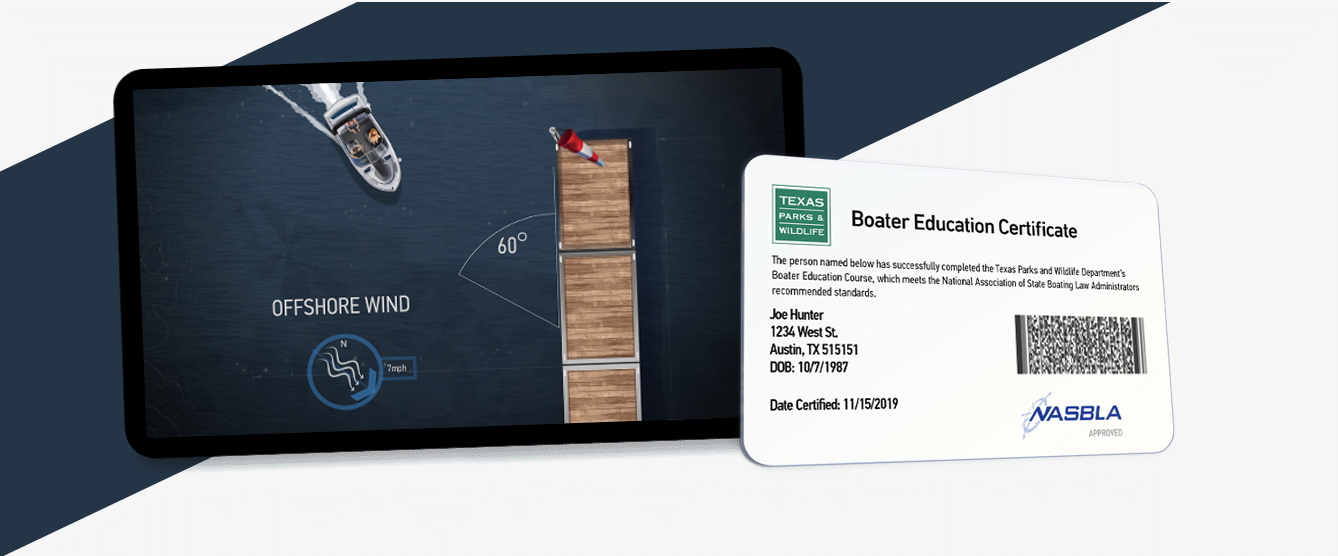
Once you successfully complete an approved boater education course, you will receive a Boater Education Certificate. This certificate is proof that you have met Texas’s boater education requirements.
- Proof of Completion: It’s essential to carry your certificate (or a legible copy) with you whenever you operate a regulated vessel. Law enforcement officials, such as game wardens, may ask to see it. Digital copies on your smartphone are usually acceptable, but it’s wise to have a physical backup, especially if you’re in areas with spotty cell service.
- Lifetime Validity: The great news for boaters is that the Texas Boater Education Certificate does not expire. Once earned, it’s valid for life. This means you won’t need to retake the course or renew your certification periodically, making it a one-time investment in your boating education. This long-term validity is a fantastic benefit for both residents and repeat visitors to the state, simplifying future travel plans involving boating.
- Reciprocity: The Texas Boater Education Certificate is widely recognized in other states that have similar mandatory boater education laws, thanks to reciprocal agreements. This is a significant advantage for those who enjoy boating in multiple states, such as a trip to Lake Texoma which straddles the border with Oklahoma. Conversely, if you completed an approved course in another state, it is likely recognized in Texas, facilitating seamless travel and tourism. Always verify reciprocity with the specific state’s boating authority if you plan to travel beyond Texas.
Obtaining this certificate isn’t just about compliance; it’s about gaining confidence, enhancing safety, and enriching your overall boating experience in the beautiful waterways of Texas.
Beyond the License: Essential Boating Safety in Texas
While obtaining your Boater Education Certificate is a crucial step towards responsible boating in Texas, it’s just one part of ensuring a safe and enjoyable experience on the water. True preparedness encompasses adherence to comprehensive safety practices, knowledge of essential equipment, and a commitment to environmental stewardship. These aspects are particularly important for travelers exploring Texas’s diverse aquatic destinations, where conditions can vary from tranquil lakes to the dynamic Gulf Coast.
Required Safety Equipment

Every vessel operating on Texas waters must carry specific safety equipment, mandated by both state and federal laws (especially the U.S. Coast Guard for federal waters). This equipment is not merely a formality; it’s vital for emergencies and can mean the difference between a minor inconvenience and a serious incident. When chartering a boat or bringing your own, always conduct a pre-departure check.
- Personal Flotation Devices (PFDs): Also known as life jackets, these are perhaps the most critical pieces of safety equipment. All vessels must have at least one wearable PFD for each person on board. Children 13 years of age and younger are required to wear a PFD when the vessel is underway. It’s paramount that PFDs are U.S. Coast Guard-approved, in good condition, and properly sized for each individual. For water-based tourism, ensuring an adequate supply of PFDs for all family members, especially children, is non-negotiable.
- Fire Extinguishers: Most powerboats are required to carry a U.S. Coast Guard-approved fire extinguisher, especially if they have enclosed engine compartments or fuel tanks. Ensure it is easily accessible and fully charged.
- Visual Distress Signals (VDS): For vessels operating on coastal waters or the Great Lakes (though Texas has no Great Lakes, this applies to federal waters, including major bays and the Gulf Coast), approved visual distress signals are required. These can include flares, a flag, or an electronic VDS.
- Sound-Producing Devices: All vessels must have a way to make an efficient sound signal to alert others to your presence or in case of distress. This could be a whistle, horn, or bell.
- Navigation Lights: If operating between sunset and sunrise, or during periods of restricted visibility, proper navigation lights are legally required to ensure your vessel is visible to others.
- Anchor and Line: While not universally mandated for all vessels, an anchor and sufficient line are highly recommended for safety, especially in conditions where you might need to hold your position.
- First-Aid Kit: A well-stocked first-aid kit is always a smart addition to any boating trip, preparing you for minor injuries.
Always consult the latest regulations from the Texas Parks and Wildlife Department or the U.S. Coast Guard to ensure your vessel is fully compliant with all safety equipment requirements.
Navigating Texas Waterways Responsibly
Beyond just equipment, responsible boating is about informed decisions and adherence to practices that protect both people and the environment.
- Boating Under the Influence (BUI): Texas has strict laws against operating a vessel while intoxicated. A BUI conviction carries severe penalties, similar to DWI offenses for motor vehicles, including fines, jail time, and suspension of driving privileges. Alcohol and boating simply do not mix, impacting judgment, coordination, and reaction time. Designate a sober operator or enjoy non-alcoholic beverages while on the water. This is a crucial aspect of safety for all lifestyle choices involving leisure.
- Weather Awareness: Weather conditions in Texas can change rapidly, particularly along the coast or during storm seasons. Always check the marine weather forecast before heading out and be prepared to cut your trip short if conditions deteriorate. Keep an eye out for dark clouds, shifting winds, and sudden drops in temperature.
- Respecting Aids to Navigation: Understand and obey buoys, markers, and other aids to navigation. These are the “road signs” of the water and are essential for safe passage, especially in unfamiliar waters like those a tourist might encounter.
- Environmental Stewardship: Practice “Leave No Trace” principles. Properly dispose of all waste, avoid disturbing wildlife, and be mindful of sensitive ecosystems, especially in areas like the Aransas National Wildlife Refuge near Rockport or the Padre Island National Seashore. Protecting Texas’s natural beauty ensures these destinations remain vibrant for future generations of travelers and boaters.
- Maintaining a Lookout: Always maintain a proper lookout for other vessels, swimmers, debris, and changing conditions. Many accidents are caused by inattention.
- Know Your Vessel: Understand the capabilities and limitations of your boat, especially if you’re renting one for a vacation. Know how to operate its controls, understand its fuel consumption, and be aware of its stability.
By embracing these safety guidelines, boaters can minimize risks, protect themselves and their passengers, and contribute to a positive and sustainable boating culture across Texas’s magnificent waterways.
Texas’ Best Boating Destinations
Texas is a paradise for boaters, offering a stunning array of destinations that cater to every type of aquatic adventure. From the serene solitude of inland lakes to the bustling energy of the Gulf Coast, the state provides diverse backdrops for travel, tourism, and lifestyle experiences centered around the water. Understanding where to go can help you tailor your trip, whether you’re seeking a family-friendly getaway, a fishing expedition, or a luxury cruise.
Coastal Escapes: Gulf Coast Boating
The Texas Gulf Coast is a vibrant and dynamic boating region, stretching for hundreds of miles with barrier islands, bays, and open ocean opportunities. It’s a prime destination for those who love saltwater fishing, sailing, and beach-focused relaxation.
- South Padre Island: Known for its pristine white sand beaches and clear blue waters, South Padre Island is a top-tier destination. Boaters can enjoy dolphin watching tours, deep-sea fishing charters, parasailing, and jet skiing. The Laguna Madre Bay side offers calmer waters ideal for paddleboarding and kayaking, while the Gulf side provides exhilarating open-water experiences. The island itself boasts a range of accommodations, from budget-friendly hotels to luxurious resorts, catering to all types of travelers.
- Port Aransas & Mustang Island State Park: Just north of Corpus Christi, Port Aransas is a charming fishing village and a gateway to the spectacular Mustang Island State Park. This area is renowned for excellent bay and offshore fishing, birdwatching, and relaxed beach access. Boaters can explore the channels of the bay for redfish and trout or venture into the Gulf for snapper and kingfish. Accommodation options include quaint vacation rentals, hotels, and RV parks, perfect for extended stays.
- Galveston Island: A historic and lively coastal city, Galveston Island offers a unique blend of boating, history, and urban amenities. The Galveston Bay provides calm waters for pleasure cruising, while the Gulf is ideal for deep-sea fishing. Visitors can also enjoy the historic Strand, the Kemah Boardwalk nearby, and a variety of hotels ranging from boutique inns to major chains, making it a comprehensive travel destination.
- Rockport & Fulton: These twin coastal towns are famed for their pristine waters, excellent birding (especially whooping cranes at the Aransas National Wildlife Refuge), and laid-back atmosphere. It’s a popular spot for kayak fishing and sailing, with numerous marinas and public access points. This area is perfect for those seeking a tranquil coastal experience, with many charming bed and breakfasts and vacation homes.
Inland Wonders: Lakes and Rivers
Texas’s interior is dotted with numerous impressive lakes and rivers, offering freshwater boating experiences from watersports to scenic floats. These destinations often provide a different kind of travel experience, blending outdoor adventure with Hill Country charm or East Texas tranquility.
- Lake Travis (near Austin): One of the most popular lakes in Texas, Lake Travis is known for its clear waters, scenic cliffs, and vibrant recreational scene. It’s a hotspot for waterskiing, wakeboarding, sailing, and party barges. The proximity to Austin means easy access to a dynamic food scene, live music on Sixth Street, and a wide selection of hotels and resorts, making it ideal for a combined city and lake vacation.
- Lake Lewisville (near Dallas-Fort Worth): Located conveniently close to a major metropolitan area, Lake Lewisville is a favorite for Dallas-Fort Worth residents. It offers ample space for fishing, pleasure cruising, jet skiing, and sailing, with numerous marinas and lakeside parks. Its accessibility makes it perfect for day trips or weekend getaways, with plenty of accommodation options in the surrounding cities.
- Lake Texoma: Straddling the Texas-Oklahoma border, Lake Texoma is one of the largest reservoirs in the Southwest and a premier destination for striped bass fishing. Its vast size accommodates all types of boating, from small fishing boats to large houseboats. The lake is surrounded by state parks, campgrounds, and resorts, offering diverse accommodation choices for those seeking a longer stay or an immersive natural experience.
- Lake Sam Rayburn (in East Texas): Known as the “Big Sam,” this lake is famous for its excellent bass fishing and quiet, forested surroundings. It’s a fantastic spot for anglers and those looking for a more serene boating experience amidst piney woods. The area offers rustic cabins, campgrounds, and fishing lodges, perfect for a peaceful escape into nature.
- Guadalupe River & Colorado River: For a different kind of water adventure, the Guadalupe River (particularly near San Marcos and New Braunfels) and sections of the Colorado River offer opportunities for tubing, kayaking, and canoeing. While not requiring traditional boating licenses for smaller crafts, they provide a unique and refreshing way to experience Texas’s natural beauty. Many local outfitters provide rentals and shuttle services, making these activities accessible for tourists.
Each of these destinations offers a unique flavor of Texas’s aquatic lifestyle, promising memorable experiences for every traveler.
Planning Your Texas Boating Adventure
Embarking on a boating adventure in Texas is more than just getting on the water; it’s about crafting an unforgettable travel experience that blends thrill, relaxation, and the vibrant local culture. Thoughtful planning, especially regarding accommodation and making the most of your trip, will significantly enhance your journey, whether it’s a family vacation, a romantic getaway, or a solo exploration.
Choosing the Right Accommodation
The success of any boating trip is greatly influenced by where you choose to rest and rejuvenate after a day on the water. Texas’s diverse boating destinations are complemented by an equally diverse range of accommodation options, catering to every preference and budget.
- Lakeside Resorts & Hotels: For those seeking convenience and amenities, staying at a lakeside resort or hotel is an excellent choice. Many properties, especially around popular lakes like Lake Travis or Lake Texoma, offer private marinas, boat rentals, and direct water access. Resorts often feature swimming pools, restaurants, spas, and organized activities, making them perfect for luxury travel or family trips where ease and entertainment are priorities. Imagine docking your boat and walking straight to a gourmet dinner or a relaxing spa treatment.
- Coastal Villas & Vacation Rentals: Along the Gulf Coast in places like South Padre Island, Port Aransas, or Galveston Island, vacation rentals, from charming beach houses to spacious villas, are incredibly popular. These offer more privacy, space, and often a fully equipped kitchen, ideal for longer stays or groups. Many are located within walking distance of the beach or have private docks, providing a home-away-from-home feel and allowing for an immersive local experience.
- City Hotels for Urban Boating: If your boating plans involve waterways near major cities, like cruising the Houston Ship Channel or enjoying Lake Lewisville near Dallas-Fort Worth, staying in an urban hotel can offer a blend of outdoor adventure and city exploration. You can combine a day of boating with evenings exploring the city’s landmarks, dining at top restaurants, or enjoying cultural attractions. For instance, a stay at The Ritz-Carlton, Dallas could be combined with a scenic drive to the lake, offering a true luxury travel experience. Similarly, combining a trip to San Antonio and its famed Riverwalk with a stay at a resort like the JW Marriott San Antonio Hill Country Resort & Spa allows for a rich blend of cultural tourism and outdoor activities.
- Camping & RV Parks: For budget travelers or those seeking a more rugged, nature-immersed experience, many state parks and private campgrounds near lakes and rivers offer tent camping and RV sites. This accommodation option is perfect for adventure travelers who want to be close to nature and enjoy the simplicity of outdoor living after a day on the water.
When booking accommodation, consider proximity to marinas, boat ramps, and local attractions. Reading reviews and comparing options on platforms focusing on hotels and accommodation will help you find the perfect fit for your lifestyle and travel needs.
Making the Most of Your Trip
Once you’ve secured your Boater Education Certificate and chosen your perfect base, here’s how to maximize your Texas boating adventure:
- Explore Local Culture and Food: Texas is rich in local culture and culinary delights. Whether you’re in a coastal town savoring fresh seafood or a Hill Country community enjoying BBQ, take time to experience the local flavors. Many waterfront restaurants offer dockside dining, allowing you to arrive by boat. From the vibrant nightlife of Austin to the historical charm of San Antonio, there’s always something to explore beyond the water.
- Plan Beyond Boating: Incorporate other attractions and activities into your itinerary. If you’re near Dallas, consider visiting the Sixth Street entertainment district or the iconic Southfork Ranch. Near San Antonio, SeaWorld San Antonio offers family-friendly entertainment. This holistic approach to travel makes for a more fulfilling trip.
- Consider Boat Rentals or Charters: If you don’t own a boat or prefer not to trailer yours, Texas’s popular boating destinations have numerous rental companies offering everything from pontoon boats for leisurely cruises to speedboats for watersports and fishing charters with experienced guides. This is a convenient option for tourists, eliminating the hassle of transport and maintenance.
- Respect the Environment: As discussed earlier, always practice responsible boating. Dispose of trash properly, avoid disturbing wildlife, and adhere to “no wake” zones to protect shorelines and wildlife habitats. Your actions help preserve these beautiful landmarks and natural attractions for everyone.
- Engage with Local Communities: Strike up conversations with locals, marina staff, and other boaters. They can offer invaluable tips on hidden gems, best fishing spots, or local events, enhancing your authentic travel experience.
By combining mandatory safety education with smart planning and a spirit of adventure, your boating trip in Texas promises to be an extraordinary and safe journey through some of the most beautiful waterways the country has to offer.
LifeOutOfTheBox is a participant in the Amazon Services LLC Associates Program, an affiliate advertising program designed to provide a means for sites to earn advertising fees by advertising and linking to Amazon.com. Amazon, the Amazon logo, AmazonSupply, and the AmazonSupply logo are trademarks of Amazon.com, Inc. or its affiliates. As an Amazon Associate we earn affiliate commissions from qualifying purchases.