
The allure of Hawaii—with its pristine beaches, vibrant culture, and lush landscapes—beckons millions of travelers each year. As you envision your perfect island escape, one of the most pressing questions that often arises during the planning phase is whether renting a car is a necessity. The simple answer is, it depends. Your need for a vehicle in Hawaii is deeply intertwined with your chosen island(s), travel style, budget, and the specific activities you plan to undertake. This comprehensive guide will explore the nuances of transportation across the Hawaiian archipelago, helping you make an informed decision for an unforgettable journey.
The Case for Renting a Car in Hawaii
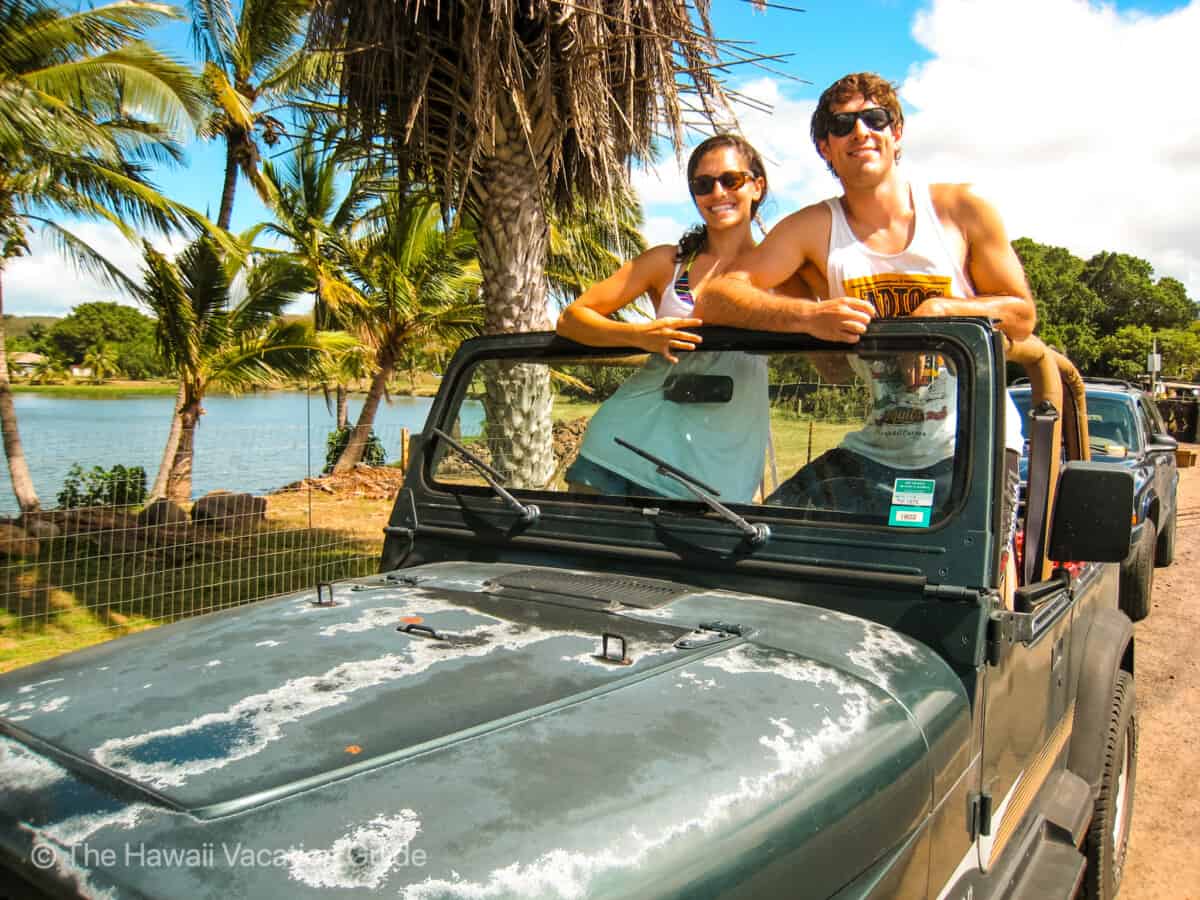
For many visitors, a rental car is an indispensable tool for unlocking the full potential of their Hawaiian adventure. The freedom and flexibility it offers can significantly enhance your experience, allowing you to venture beyond the typical tourist hubs and discover hidden gems.
Unrestricted Exploration and Flexibility
One of the primary benefits of having your own vehicle is the unparalleled freedom to explore at your own pace. Hawaii is brimming with secluded beaches, remote hiking trails, breathtaking scenic overlooks, and quaint local towns that are often inaccessible or difficult to reach via public transportation or organized tours. Imagine spontaneously pulling over at a picturesque lookout, lingering longer at a captivating waterfall, or chasing a sunset to the perfect vantage point. A rental car makes these moments possible, allowing for serendipitous discoveries and a more authentic connection with the islands. For instance, on Maui, navigating the famed Road to Hana is an experience best savored with the flexibility of a personal vehicle, enabling stops at various waterfalls, bamboo forests, and black sand beaches without the constraints of a tour bus schedule. Similarly, exploring the diverse terrain of the Big Island, from the volcanic landscapes of Hawaii Volcanoes National Park to the lush valleys of Hilo and the sunny shores of Kona, almost necessitates a car due to the vast distances.
Maximizing Your Itinerary and Convenience
Travel time is precious, and a rental car can help you maximize every moment. Instead of waiting for buses, shuttles, or ride-shares, you can seamlessly transition between activities, fitting more into your day. This is particularly advantageous if you have a packed itinerary involving multiple stops across different regions of an island, such as visiting Pearl Harbor in the morning, hiking Diamond Head in the afternoon, and enjoying a luau in the evening on Oahu.
Furthermore, for families traveling with children, or groups with multiple pieces of luggage and equipment (e.g., surfboards, snorkeling gear), a car offers unparalleled convenience. It eliminates the logistical challenges of transporting bulky items and ensures comfort, especially after a long flight or a full day of island adventures. Having a designated space to store snacks, water, and beach essentials can also significantly enhance your day trips.
Island Hopping Considerations
If your Hawaiian vacation involves island hopping, your transportation needs might vary, but generally, having a car on each island will afford you the best experience. While some islands are more car-dependent than others, relying solely on limited public transport or expensive ride-shares on multiple islands can quickly become a significant logistical and financial burden. Booking cars for each leg of your journey in advance is highly recommended, especially during peak travel seasons, to ensure availability and better rates.
When You Might Not Need a Car
Despite the compelling arguments for renting a car, there are specific scenarios where foregoing a vehicle can be a practical, budget-friendly, and even preferred option. This often applies to travelers whose itineraries are concentrated in well-developed tourist zones.
Staying in Major Resort Areas
If your primary goal is to relax at a resort and enjoy its amenities, a car might be an unnecessary expense. Destinations like Waikiki on Oahu or Kaanapali on Maui are designed to be walkable. Many hotels, restaurants, shops, and beaches are within easy strolling distance. These areas also often provide shuttle services to nearby attractions or partner with tour operators for excursions. If your idea of a perfect vacation involves lounging by the pool, dining at nearby establishments, and perhaps a short walk to the beach, then a car might simply sit in an expensive parking garage for the duration of your stay.
Utilizing Public Transportation and Shuttles
Oahu, particularly the greater Honolulu area, boasts the most robust public transportation system in Hawaii: TheBus. With extensive routes covering much of the island, TheBus offers an affordable way to get around, connecting major tourist sites, shopping centers, and residential areas. While it may take longer than driving, it’s a viable option for budget-conscious travelers or those who prefer not to navigate unfamiliar roads. Many hotels also offer airport shuttle services, and private shuttle companies provide transportation to popular destinations like Pearl Harbor or the North Shore.
For other islands, public transportation is far more limited, making reliance on it difficult outside of very specific, localized routes. However, resort areas often provide their own shuttle services or have excellent pedestrian access.
Ride-Sharing, Taxis, and Guided Tours
The advent of ride-sharing services like Uber and Lyft has provided a convenient alternative to traditional taxis in many parts of Hawaii, especially on Oahu, Maui, and the Big Island. These options are ideal for short trips, airport transfers, or evenings out when you don’t want to worry about parking or driving after a few drinks. While potentially more expensive than a rental car for extensive daily use, they can be a cost-effective solution if you only need occasional transportation.
Furthermore, organized tours cater to a wide range of interests, from historical excursions to adventure activities. These tours typically include transportation from your accommodation, allowing you to experience various attractions without the hassle of driving, navigation, or parking. This can be particularly appealing for specific activities like snorkeling trips, helicopter tours, or sunset cruises.
Island-Specific Considerations
The geography and infrastructure of each Hawaiian island significantly influence whether a rental car is advisable. A one-size-fits-all approach simply doesn’t work.

Oahu: A Mix of Urban and Remote
Oahu presents the most complex transportation decision. In Honolulu and Waikiki, the comprehensive public bus system, TheBus, alongside abundant ride-shares and taxis, makes car-free travel entirely feasible for those sticking to urban exploration. However, venturing to iconic spots like the North Shore for surfing, the scenic Makapu’u Lighthouse Trail on the eastern coast, or the laid-back towns of the west side, often requires a car for true flexibility and convenience. While TheBus does reach some of these areas, journeys can be long and indirect. If you plan to explore beyond Honolulu’s confines, a rental car is highly recommended.
Maui: Road to Hana and Beyond
For Maui, a car is almost universally recommended. The island’s public transportation is very limited, primarily serving specific routes around Kahului Airport and major towns. To truly experience Maui’s diverse offerings—from the stunning Road to Hana and the volcanic landscape of Haleakala National Park to the beautiful beaches of Wailea and the charming town of Paia—a car is essential. It provides the freedom to chase sunrises, discover hidden snorkeling spots, and explore the island’s many agricultural farms and distilleries.
Kauai: The Garden Isle’s Serenity
Known as the Garden Isle, Kauai also largely necessitates a rental car. Public transportation is minimal, making it challenging to access many of the island’s natural wonders. To hike the majestic Waimea Canyon, explore the beautiful beaches of Poipu on the south shore, or discover the charm of Hanalei and Princeville to the north, a car is your best bet. While guided tours are available for specific attractions, a car provides the liberty to stop at local markets in Koloa or spend an entire afternoon at a secluded beach. Getting from Lihue Airport to most accommodations also often requires a pre-booked shuttle or a rental car.
Big Island: Vast Distances and Diverse Landscapes
The Big Island lives up to its name, being larger than all other Hawaiian islands combined. Distances between attractions can be significant, and public transportation is virtually nonexistent outside of limited Hele-On bus routes that are not practical for tourists. A rental car is not just recommended but almost mandatory for exploring this island. Whether you’re chasing lava flows at Hawaii Volcanoes National Park, stargazing from Mauna Kea, visiting coffee farms in Kona, or admiring the Queen Liliuokalani Gardens in Hilo, a car is essential for independent travel.
Lanai and Molokai: Unique Needs
For Lanai and Molokai, the decision is more specialized. Lanai is small, and if you’re staying at one of the luxury resorts, their shuttle services often suffice. However, to explore the island’s rugged, unpaved roads and secluded spots, a 4×4 rental is often necessary. Molokai offers a more rural experience, and while it’s smaller, a car provides the best way to see its natural beauty, as public transport is virtually absent.
Practical Tips for Transportation in Hawaii
Regardless of your decision, a few practical considerations can smooth your Hawaiian travel experience.
Booking in Advance
If you decide to rent a car, book it well in advance, especially if traveling during peak season (winter holidays, spring break, summer). Rental car demand in Hawaii can be extremely high, leading to limited availability and inflated prices for last-minute bookings. Consider booking a 4×4 if you plan to explore off-the-beaten-path areas, particularly on Maui or the Big Island.
Understanding Costs
Beyond the rental fee, factor in additional costs. Gas prices in Hawaii are typically higher than on the mainland. Parking can be expensive, especially in urban areas like Waikiki, where resort parking fees can add a significant amount to your daily expenses. Budget for these incidentals.
Navigating Hawaiian Roads
While most main roads are well-maintained, some scenic routes can be narrow, winding, or unpaved. Always drive carefully, adhere to speed limits, and be mindful of local etiquette, such as pulling over to let faster traffic pass. Be aware of varying speed limits and road conditions, especially when driving to remote trailheads or lookout points. Heed local warnings about leaving valuables in your car, as break-ins can occur, particularly at popular tourist spots.
Alternative Transportation Options
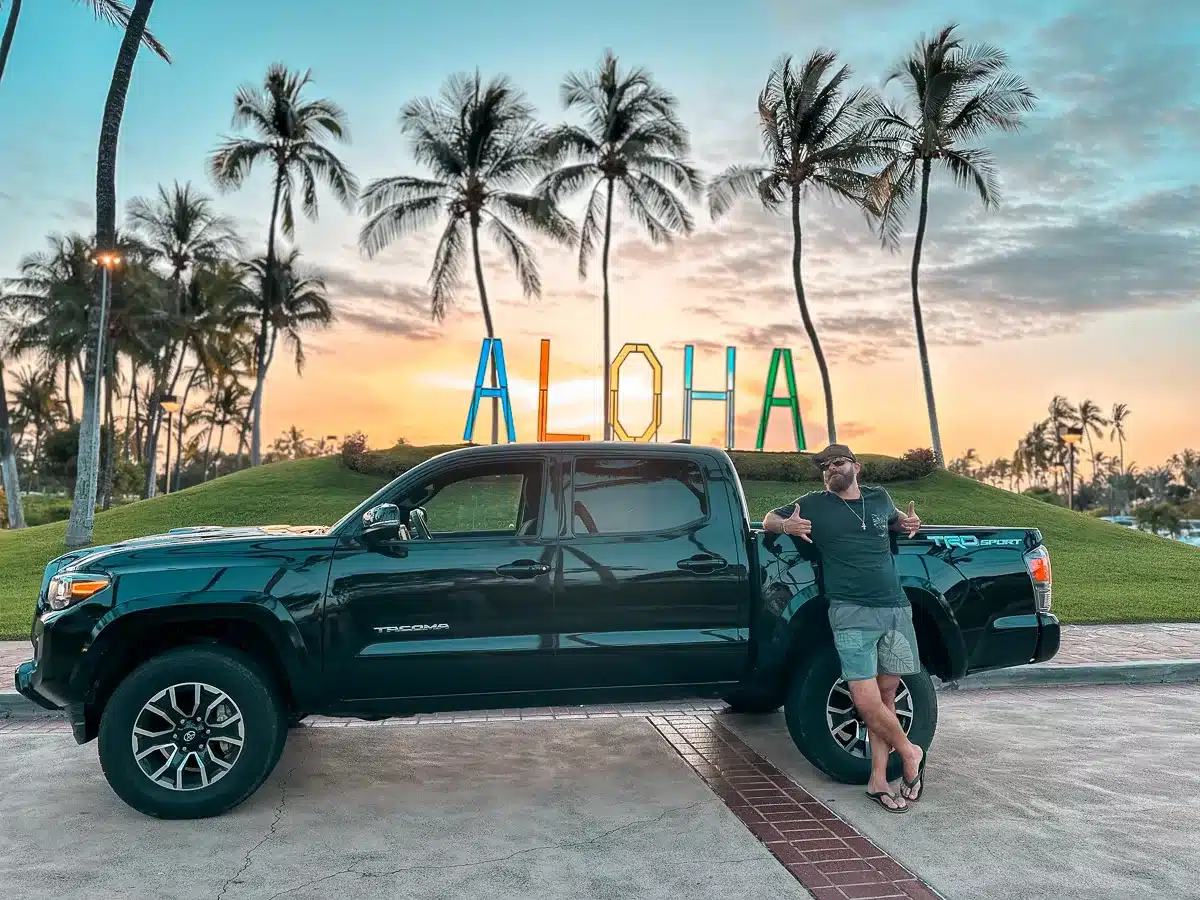
For short distances or specific activities, consider alternatives like bicycles or scooters in certain areas. Many towns offer bike rentals, perfect for leisurely rides along coastal paths. However, these are generally suitable only for very localized travel.
Ultimately, the question of whether you need a car for Hawaii boils down to your personal travel style, desired itinerary, and budget. For those seeking maximum freedom to explore the islands’ diverse beauty, a rental car is an invaluable asset. If your vacation centers around a major resort area with amenities within walking distance and you plan on taking structured tours for excursions, you might comfortably manage without one. Carefully consider which islands you plan to visit and what you want to experience, then make the choice that best aligns with your vision for an unforgettable Hawaiian getaway.
LifeOutOfTheBox is a participant in the Amazon Services LLC Associates Program, an affiliate advertising program designed to provide a means for sites to earn advertising fees by advertising and linking to Amazon.com. Amazon, the Amazon logo, AmazonSupply, and the AmazonSupply logo are trademarks of Amazon.com, Inc. or its affiliates. As an Amazon Associate we earn affiliate commissions from qualifying purchases.