
Seattle, a city of emerald forests, shimmering Puget Sound, and a sky often painted with dramatic clouds, beckons travelers with its unique blend of urban sophistication and natural beauty. From the iconic Space Needle to the vibrant Pike Place Market, the Emerald City offers a wealth of experiences. But when it comes to navigating its charming streets and sprawling environs, a crucial question arises for visitors: do you need a car in Seattle? The answer, like much of life in this Pacific Northwest gem, is nuanced and depends heavily on your travel style, itinerary, and priorities.

Navigating Seattle: A Tale of Two Cities (and Transit Systems)
Seattle’s public transportation system has seen significant investment and expansion in recent years, making it a viable and often preferable alternative to car ownership for many visitors. The city’s core is relatively compact and walkable, and the integration of various transit options offers a surprisingly comprehensive network.
The Link Light Rail: Your Gateway to Key Attractions
The Link Light Rail is a true game-changer for tourists. This modern, efficient rail system connects Seattle-Tacoma International Airport directly to downtown and extends north to the University District and south to Angle Lake. For visitors staying in downtown hotels or near a light rail station, this service provides a stress-free and cost-effective way to reach many of Seattle’s most popular attractions.
- Airport to Downtown: Alleviate the hassle of airport taxis or ride-shares by hopping on the Link Light Rail directly from the airport. It’s a smooth, 40-minute journey into the heart of the city, depositing you conveniently near major hotels and attractions like Pike Place Market.
- Access to Neighborhoods: The light rail also provides access to neighborhoods like the University District, home to the impressive University of Washington campus, and offers a convenient way to bypass traffic if you’re heading to events at stadiums like Lumen Field or T-Mobile Park.
- Cost-Effectiveness: Compared to the daily costs of parking, gas, and potentially car rental, the Link Light Rail offers substantial savings, especially for shorter stays.
Buses and Streetcars: Completing the Network
Complementing the Link Light Rail is King County Metro’s extensive bus system and the Seattle Streetcar. These options fill the gaps, providing access to areas not directly served by the light rail and offering charming ways to explore specific districts.
- Bus System: Seattle’s buses cover a vast area, reaching almost every corner of the city and its surrounding suburbs. While they can sometimes be affected by traffic, they are an indispensable tool for reaching neighborhoods like Fremont, Ballard, or Capitol Hill. Apps like OneBusAway or Google Maps provide real-time arrival information, making bus travel more predictable.
- Seattle Streetcar: The streetcar offers two distinct lines: the First Hill Streetcar and the South Lake Union Streetcar. The South Lake Union line is particularly useful for connecting the downtown core with the burgeoning South Lake Union neighborhood, home to Amazon headquarters and numerous tech companies, as well as the Museum of History & Industry (MOHAI). The First Hill line connects Capitol Hill with Pioneer Square and the International District, offering a pleasant and scenic way to traverse these vibrant areas.
The Case Against Car Rental: Parking, Traffic, and Hassle
While the allure of the open road might be tempting, renting a car in Seattle presents several significant challenges for tourists, often outweighing the perceived benefits.
The Parking Predicament
Parking in Seattle, especially in popular downtown areas and well-known neighborhoods, can be notoriously difficult and expensive.
- High Costs: Expect to pay anywhere from $20 to $50 or more per day for hotel parking or public garages. Street parking, where available, often has strict time limits and can be scarce, particularly during peak hours.
- Finding Spots: Circling blocks in search of a parking space can consume valuable vacation time and add unnecessary stress to your exploration. This is particularly true around attractions like the Pike Place Market or during major events.
Navigating Seattle’s Traffic
Seattle is no stranger to urban congestion. Rush hour traffic can be intense, adding significant time to journeys that might seem short on a map.
- Commuter Gridlock: During weekday mornings and evenings, major arteries like I-5 and SR 99 can become heavily congested, turning a quick drive into a frustrating crawl.
- Construction Zones: Like many growing cities, Seattle frequently has road construction projects that can further disrupt traffic flow and create detours.
The Added Expense
Beyond the rental car fee itself, there are other costs to consider:

- Gas Prices: Fuel costs can add up, especially if you plan on extensive driving.
- Insurance: Rental car insurance can be an additional expense, though often covered by personal auto insurance or credit cards.
- Wear and Tear: The stress of navigating unfamiliar streets and dealing with traffic can detract from the enjoyment of your trip.
When a Car Might Be Necessary: Exploring Beyond the City Limits
Despite the robust public transit system within Seattle proper, there are specific scenarios where renting a car becomes a more practical, if not essential, choice.
Day Trips and Excursions
If your Seattle itinerary includes venturing beyond the city’s immediate reach, a car offers unparalleled freedom and flexibility.
- Olympic National Park: This UNESCO World Heritage site, with its diverse ecosystems ranging from temperate rainforests to rugged coastlines, is a must-see for nature enthusiasts. While tours are available, having your own vehicle allows you to explore at your own pace, stopping at trailheads, viewpoints, and charming coastal towns like Forks or Port Angeles at your leisure.
- Mount Rainier National Park: The majestic Mount Rainier, an active stratovolcano, offers breathtaking hiking, scenic drives, and stunning vistas. Accessing trailheads and different areas of the park is significantly easier and more efficient with a personal vehicle.
- Snoqualmie Falls: Just a short drive east of Seattle, these magnificent waterfalls are a popular attraction. While accessible via tours, a car allows for spontaneous visits and the exploration of the surrounding hiking trails.
- Leavenworth: This Bavarian-themed village nestled in the Cascade Mountains is a popular weekend getaway. Driving yourself allows you to enjoy the scenic mountain passes and explore the charming shops and restaurants without being tied to a tour schedule.
Exploring the Islands and Coastal Areas
While ferries serve many of the islands in Puget Sound, having a car can enhance your exploration of islands like Bainbridge Island or the San Juan Islands, allowing you to easily access different beaches, parks, and small towns.
Traveling with Family or Large Groups
For families with young children, or for groups traveling together, a car can simplify logistics, especially when it comes to managing luggage, naps, and unpredictable schedules. While ride-shares can accommodate larger groups, the cost and availability can sometimes be a factor.
Specific Interests and Niche Destinations
If your interests lie in exploring less accessible hiking trails, visiting wineries in the Woodinville wine country, or discovering hidden gems off the beaten path, a car provides the necessary freedom to curate your own adventure.
The Hybrid Approach: Ride-Shares and Car-Sharing Services
For those who want the option of driving without the commitment of a full rental, Seattle offers a growing number of alternatives.
Ride-Sharing Services
Services like Uber and Lyft are widely available throughout Seattle and are a convenient option for one-off trips or when public transit routes are not ideal. They can be particularly useful for evenings out or for getting to and from specific dinner reservations.
Car-Sharing Programs
Companies like Zipcar offer short-term car rentals by the hour or day. These can be a good solution if you only need a car for a specific half-day excursion or for a single round trip. Membership is typically required, and cars are often strategically located around the city.
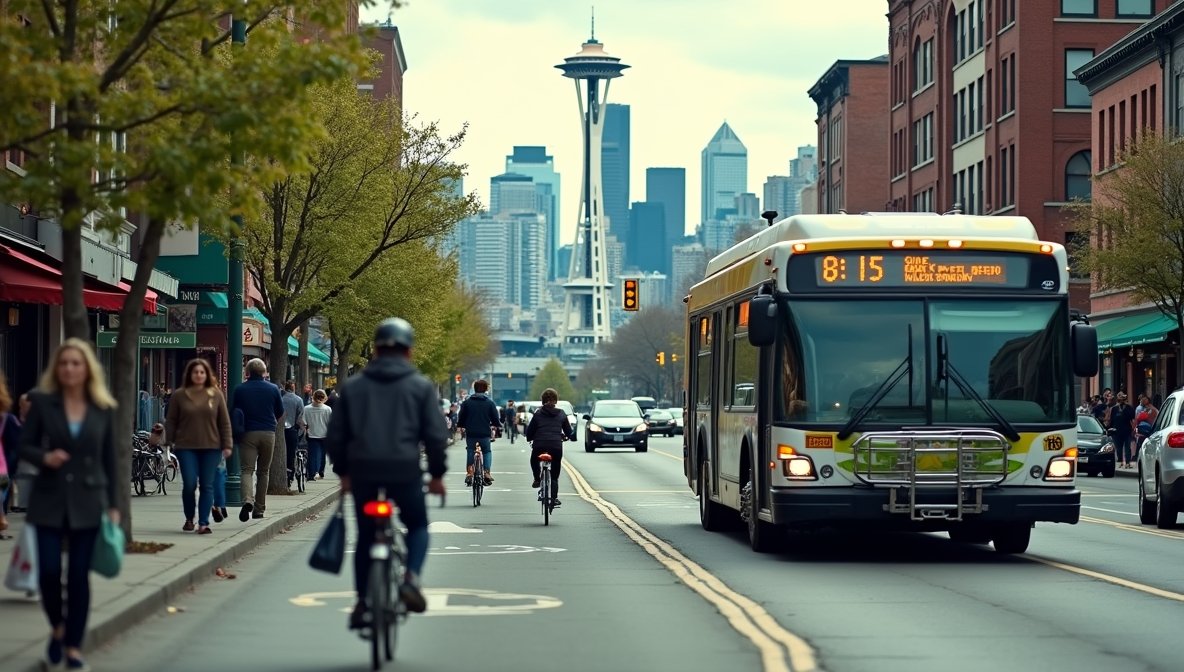
The Verdict: Is a Car Necessary?
For the majority of tourists whose primary focus is exploring Seattle’s core attractions, museums, and distinct neighborhoods, a car is generally not necessary and may even be a hindrance. The Link Light Rail, bus system, and streetcars, coupled with ride-sharing services, provide a robust and often more enjoyable way to experience the city. You can save money, avoid parking headaches, and reduce your environmental footprint.
However, if your travel plans extend beyond the city limits to national parks, distant towns, or remote natural areas, or if you have specific logistical needs due to family or group size, renting a car becomes a practical and advisable choice. Consider your itinerary carefully. If you envision yourself venturing out on day trips to iconic natural wonders like Olympic National Park or Mount Rainier National Park, then a car will undoubtedly enhance your experience and provide the flexibility you desire. Ultimately, the decision hinges on balancing convenience, cost, and the scope of your Seattle adventure.
LifeOutOfTheBox is a participant in the Amazon Services LLC Associates Program, an affiliate advertising program designed to provide a means for sites to earn advertising fees by advertising and linking to Amazon.com. Amazon, the Amazon logo, AmazonSupply, and the AmazonSupply logo are trademarks of Amazon.com, Inc. or its affiliates. As an Amazon Associate we earn affiliate commissions from qualifying purchases.