
For many outdoor enthusiasts, the allure of the vast, rugged landscapes of Texas offers a thrilling escape. Beyond the iconic cowboy culture and sprawling ranches, the state is a renowned destination for diverse hunting opportunities. Among the most sought-after game is the feral hog, a species whose population density makes it a popular target for both sport and wildlife management. However, before embarking on a hog hunting expedition across the Lone Star State, a critical question arises: what are the licensing requirements? Understanding these regulations is paramount for a legal and enjoyable hunting experience.
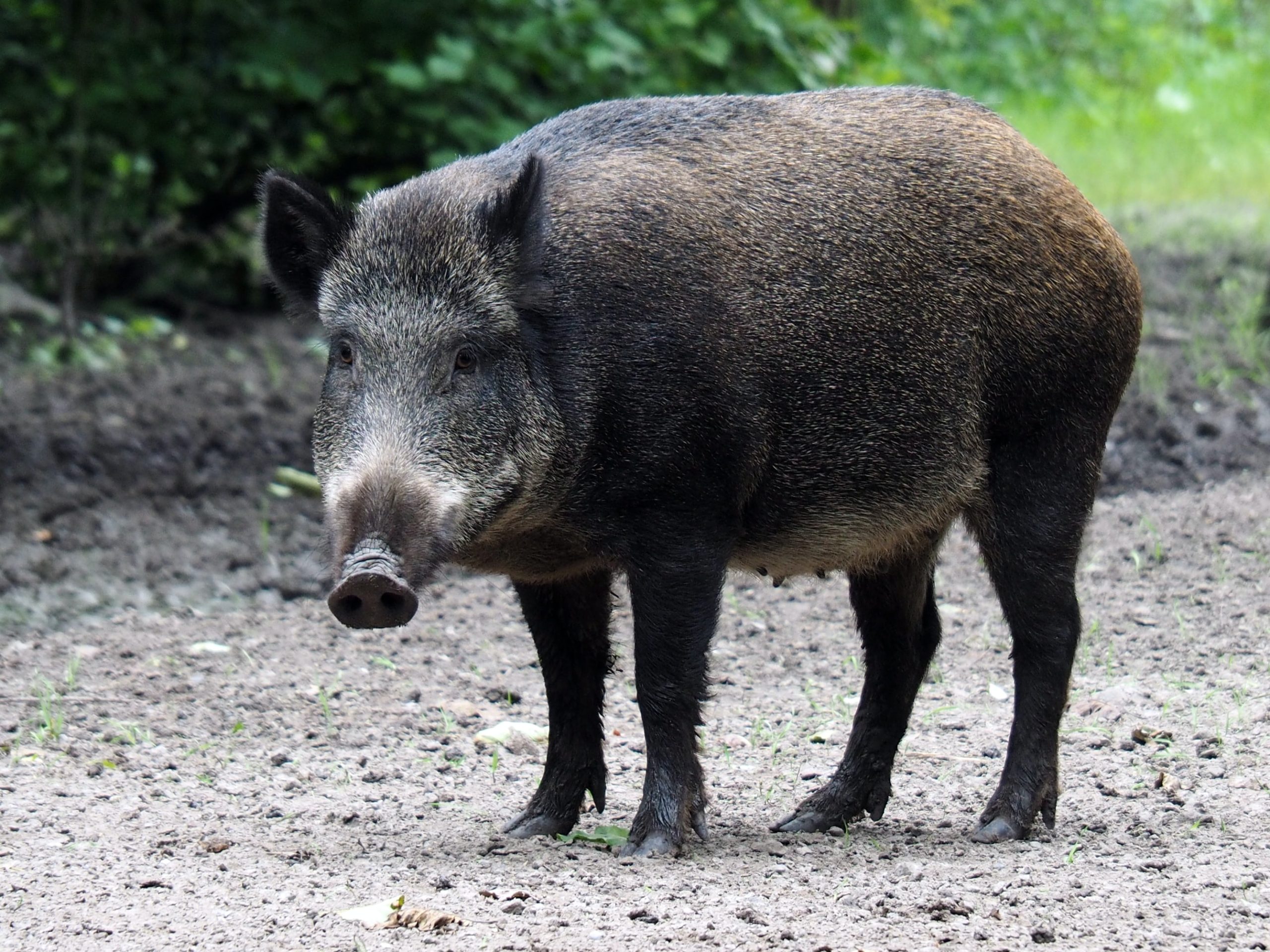
Understanding Texas Feral Hog Regulations
The management of feral hog populations in Texas is a complex issue, driven by their significant impact on native ecosystems, agriculture, and property. Unlike many game species that are managed with strict seasons and bag limits, feral hogs have historically been treated with a different approach. This distinction is key to understanding why the licensing requirements can differ from what a hunter might expect.
Feral Hogs: An Exotic, Unregulated Species
In Texas, feral hogs are classified as “exotic” animals, meaning they are not native to the state. This classification, along with their classification as a “nuisance species” by many landowners and wildlife officials, has led to a generally less restrictive regulatory framework compared to native game animals like white-tailed deer or turkey. The Texas Parks and Wildlife Department (TPWD) has a vested interest in controlling their populations due to the damage they inflict. This has influenced the legal landscape surrounding their pursuit.
No General Hunting License Required for Feral Hogs
The most direct answer to the title’s question is that, in most circumstances, you do not need a general hunting license to hunt feral hogs on private property in Texas. This is a significant point of distinction and a common source of confusion for hunters unfamiliar with Texas regulations. The TPWD’s stance is that by reducing the feral hog population, hunters are contributing to ecological balance and property protection. This deregulation allows for more flexibility in when and how these animals can be hunted, encouraging landowners and hunters alike to address the issue.
Exceptions and Important Considerations
While the general rule is liberating for hunters, it’s crucial to be aware of specific scenarios and nuances that could alter the requirements. Navigating these details ensures full compliance with all applicable laws and avoids potential legal complications.
Hunting on Public Lands
The rules for hunting feral hogs on public lands in Texas can differ significantly from private property. Public lands, such as state parks or national forests, often have specific regulations managed by the governing entity. While many public hunting areas are designated for feral hog hunting, these areas may still require a valid Texas hunting license, even if a separate hog tag isn’t needed. Furthermore, specific permits, access fees, or managed hunt applications might be necessary. It is always imperative to check the specific rules and regulations for the particular public land unit you plan to hunt. Information is typically available on the TPWD website or directly from the land management agency.
Landowner Regulations and Permissions
Even though a general hunting license might not be required for feral hogs on private land, you absolutely must have explicit permission from the landowner to hunt on their property. Trespassing is a serious offense, and hunting without authorization can lead to severe legal penalties. Landowners may also have their own specific rules regarding hunting on their land, such as designated hunting areas, hunting hours, or even a requirement for hunters to possess certain certifications or insurance. Always establish clear communication and obtain written permission if possible, especially for larger hunting parties or extended stays.
Special Hunts and Programs
The TPWD occasionally organizes special hunts or programs designed to target specific wildlife populations, including feral hogs. These events, often advertised as “public hunting opportunities” or “wildlife management hunts,” might have unique application processes and requirements. While the general license exemption for hogs may still apply, participation in these specific programs could necessitate a valid hunting license to ensure that participants are generally recognized as hunters and are aware of hunting ethics and safety. Details for these hunts are released periodically by the TPWD and are essential to review before applying.
The Use of Dogs

The practice of hunting feral hogs with dogs is a popular and effective method in Texas. However, specific regulations can apply to the use of dogs in hunting. While hunting hogs with dogs is generally legal, there are stipulations regarding the number of dogs that can be used and the methods of pursuit. It is important to be aware of any local ordinances or specific rules on private ranches that may restrict or prohibit the use of dogs for hunting. The TPWD provides guidelines on ethical and legal dog hunting practices.
Firearm and Ammunition Regulations
While the license requirement for feral hogs is relaxed, standard firearm regulations in Texas still apply. Hunters must ensure they are legally permitted to possess and discharge firearms in the area they are hunting. This includes adhering to any restrictions on carrying firearms, firearm types, and ammunition. For instance, hunting within a certain distance of occupied dwellings or public roads is typically prohibited, regardless of the game being hunted. Always familiarize yourself with state and local firearm laws.
Navigating Your Texas Hog Hunting Adventure
Embarking on a feral hog hunt in Texas can be an incredibly rewarding experience, offering a chance to engage with the wild and contribute to wildlife management efforts. The relaxed licensing requirements for hogs on private land open up significant opportunities for hunters. However, this freedom comes with a responsibility to understand and adhere to all other relevant regulations and ethical considerations.
Essential Preparations for a Successful Hunt
Beyond understanding the licensing aspect, a successful and responsible hog hunt involves thorough preparation. This includes scouting potential hunting areas, understanding hog behavior, and ensuring you have the appropriate gear.
Scouting and Understanding Hog Behavior
Feral hogs are intelligent and adaptable creatures. Their behavior can vary greatly depending on the season, weather, and available food and water sources. Successful hunters often spend time scouting, looking for signs of hog activity such as rooting, tracks, and wallows. Understanding their feeding patterns, particularly their preference for nocturnal activity, can significantly increase your chances of success. Local knowledge from landowners or experienced guides can be invaluable in this regard.
Essential Gear and Safety
A well-equipped hunter is a safe and effective hunter. For hog hunting, this typically includes a reliable rifle or shotgun, appropriate ammunition, a good quality knife for field dressing, a sturdy pair of boots, and camouflage clothing to blend into the environment. Safety equipment is non-negotiable. This includes a first-aid kit, a reliable communication device (cell phone, satellite messenger), plenty of water, and knowledge of basic survival skills. Hunters should also carry a firearm safety course completion certificate, as it is often required to purchase a hunting license, should one be needed for other game or specific public land hunts.
The Role of Outfitters and Guides
For those new to Texas or unfamiliar with hunting feral hogs, engaging a professional outfitter or guide can be an excellent way to ensure a legal, safe, and productive hunt. Reputable outfitters are well-versed in all local regulations, including licensing requirements, land access, and ethical hunting practices. They can provide access to prime hunting grounds, manage logistics, and offer invaluable insights into local wildlife and terrain. Many ranches across Texas, from the Hill Country to the Piney Woods, offer guided hog hunts.
Contributing to Conservation and Management
It’s important to remember that hunting feral hogs in Texas is not just a sport; it’s a vital part of wildlife and land management. By responsibly hunting feral hogs, you are directly contributing to the protection of native flora and fauna, preventing agricultural damage, and helping to maintain the ecological balance of Texas’s diverse landscapes. This stewardship role is a significant aspect of the hunting tradition and a testament to the positive impact responsible hunters can have.

Conclusion: Hunt Responsibly and Legally
In summary, the general answer to whether you need a hunting license for hogs in Texas is no, provided you are hunting on private property and have landowner permission. However, this straightforward answer belies a landscape of important considerations. Public lands, specific managed hunts, and landowner agreements can all introduce different requirements. Always verify the rules for your specific hunting location, obtain explicit permission from landowners, and adhere to all firearm and safety regulations. By staying informed and hunting responsibly, you can fully enjoy the thrilling experience of pursuing feral hogs across the magnificent state of Texas.
LifeOutOfTheBox is a participant in the Amazon Services LLC Associates Program, an affiliate advertising program designed to provide a means for sites to earn advertising fees by advertising and linking to Amazon.com. Amazon, the Amazon logo, AmazonSupply, and the AmazonSupply logo are trademarks of Amazon.com, Inc. or its affiliates. As an Amazon Associate we earn affiliate commissions from qualifying purchases.