
Embarking on an Alaska cruise promises breathtaking landscapes, unique wildlife encounters, and unforgettable experiences. However, before you set sail to the Last Frontier, a crucial question often arises: do you need a passport? The answer, while seemingly straightforward, depends on several key factors related to your itinerary, nationality, and the specific regulations governing cruise travel. Understanding these nuances is essential for a smooth and stress-free journey.
Understanding Passport Requirements for Alaska Cruise Travel
The requirement for a passport on an Alaska cruise primarily hinges on whether your cruise is classified as a “closed-loop” itinerary or if it involves international travel by air or non-contiguous international stops. While many U.S. citizens may not require a passport for certain cruises, it is always the most secure and recommended form of identification for international travel.

The “Closed-Loop” Itinerary Exception
A “closed-loop” cruise is defined as one that begins and ends in the same U.S. port and travels exclusively within the Western Hemisphere. Many Alaska cruises fit this description, especially those departing from cities like Seattle, Washington, and returning to Seattle after visiting various Alaskan ports and often one port in Canada, typically Victoria, British Columbia. For U.S. citizens on these specific closed-loop voyages, a passport is generally not mandatory. Instead, they can present alternative documents compliant with the Western Hemisphere Travel Initiative (WHTI). These alternatives include an original or certified copy of their birth certificate along with a government-issued photo ID (like a driver’s license). For minors, a birth certificate usually suffices, but it’s always wise to check with your specific cruise line. The convenience of this exception has made Alaska cruises highly accessible for many Americans who might not possess a current passport. However, even with this exception, there are strong arguments for carrying a passport, as detailed below.
When a Passport Is Always Necessary
Despite the closed-loop exception, there are specific scenarios where a passport becomes an absolute requirement for your Alaska cruise. Firstly, if your cruise begins in one U.S. port (e.g., Seattle) and ends in another foreign port (e.g., Vancouver, Canada) or vice versa, it is considered an “open-jaw” or one-way itinerary, and a valid U.S. passport is mandatory for all U.S. citizens. Secondly, if any part of your travel to or from the cruise involves international air travel (e.g., flying into Vancouver to embark), a passport is universally required for boarding international flights, regardless of the cruise itinerary. Furthermore, cruises that include stops in non-WHTI countries, although rare for standard Alaska itineraries, would also necessitate a passport. Always review your specific cruise itinerary carefully and consult your cruise line or a travel agent for precise documentation requirements.
Essential Documentation for Alaska Cruise Travel
Beyond the general passport question, understanding the acceptable forms of identification under the Western Hemisphere Travel Initiative (WHTI) is paramount for U.S. citizens embarking on closed-loop Alaska cruises. While a full U.S. passport book is always the preferred and most robust document, alternatives do exist, each with its own advantages and limitations.
Western Hemisphere Travel Initiative (WHTI) Compliant Documents
For closed-loop voyages, U.S. citizens can utilize a combination of documents:
- Original or Certified Copy of a Birth Certificate: This is the foundational document. It must be an original or a certified copy issued by the state or county health department. Hospital birth certificates, photocopies, or notarized copies are typically not accepted. For children, a birth certificate is usually sufficient, but some cruise lines may require additional documentation if the child is traveling with only one parent or with non-parents (e.g., a notarized letter of consent).
- Government-Issued Photo Identification: Alongside the birth certificate, adults aged 16 and older need a valid government-issued photo ID. A driver’s license is the most common example. Other acceptable forms include a state-issued identification card, military ID, or a permanent resident card. The name on your photo ID must exactly match the name on your birth certificate.
- Passport Card: The U.S. Passport Card is a wallet-sized alternative to the passport book, designed specifically for land and sea travel to Canada, Mexico, the Caribbean, and Bermuda. It is WHTI compliant and an excellent choice for closed-loop Alaska cruises as it offers the same legal validity as a passport book for these travel types, without the bulk.
- Enhanced Driver’s License (EDL): Available in certain states (Michigan, Minnesota, New York, Vermont, and Washington State), an EDL serves as both a driver’s license and proof of U.S. citizenship for land and sea travel to WHTI countries. If you reside in one of these states and have an EDL, it can be a convenient single document for your cruise.
Real ID Act Considerations
It is important to note the upcoming implementation of the Real ID Act for domestic air travel. While this act primarily affects air travel within the United States and is not directly tied to passport requirements for cruises, it’s relevant if your Alaska cruise involves domestic flights to reach your departure port. Beginning May 7, 2025 (postponed from previous dates), every air traveler 18 years of age and older will need a REAL ID compliant driver’s license or another acceptable form of ID (such as a passport or U.S. military ID) to fly within the United States. This means if you are flying to Seattle from another U.S. city, your driver’s license will need to be REAL ID compliant or you will need an alternative, such as your passport. This further underscores the utility of having a passport for all travel.
The Benefits of Traveling with a Passport, Even When Not Required
While the WHTI exception allows for alternative documentation on closed-loop Alaska cruises, traveling with a valid U.S. passport book offers numerous advantages and significantly reduces potential complications. It is, without question, the most robust and universally accepted travel document for U.S. citizens engaging in international travel, even if only briefly entering Canadian waters.

Emergency Preparedness and Unforeseen Circumstances
One of the most compelling reasons to carry a passport, even when not technically required, is for emergency preparedness. Imagine a scenario where you or a family member needs emergency medical evacuation from the ship or from a port of call. If this evacuation requires you to fly home from a foreign country (such as Canada), you will absolutely need a valid passport to board an international flight back to the U.S.. Without one, you could face significant delays, bureaucratic hurdles, and considerable stress while trying to obtain emergency travel documents from a U.S. consulate or embassy abroad. Similarly, if you somehow miss your ship in a foreign port, a passport is crucial for making alternative travel arrangements to either rejoin the cruise or return home. The investment in a passport provides invaluable peace of mind and simplifies recovery from unexpected events. The U.S. Department of State consistently advises all U.S. citizens traveling internationally to carry a valid passport.
Flexibility for International Stops
Most Alaska cruises, even those starting and ending in the U.S., will include at least one stop in Canada, typically in Victoria, British Columbia. While WHTI compliant documents are generally accepted for boarding the ship and for border control upon re-entry to the U.S., having a passport streamlines your passage through Canadian customs and offers unrestricted movement within the foreign port. Although it is rare, specific local regulations in a foreign port could theoretically require a passport for certain shore excursions or activities, though this is less common for established cruise itineraries. More importantly, a passport allows you greater flexibility should you decide to extend your stay in Canada for any reason, or if your travel plans unexpectedly change and require you to enter Canada by air. It eliminates any potential ambiguity or limitations that might arise from using only birth certificates and ID cards for international crossings.
Special Considerations for Non-U.S. Citizens
The documentation requirements for an Alaska cruise differ significantly for individuals who are not U.S. citizens. It is imperative for non-U.S. citizens to understand their specific obligations, as these are often more stringent than those for U.S. counterparts. Failure to present the correct documents will result in denied boarding.
Permanent Residents and Green Card Holders
U.S. Lawful Permanent Residents, often referred to as “Green Card Holders,” are required to carry their valid Permanent Resident Card (Form I-551) for all Alaska cruises, regardless of whether it’s a closed-loop itinerary. While a passport from their country of citizenship is not strictly required by U.S. Customs and Border Protection (CBP) for re-entry, most cruise lines highly recommend or even require that Green Card Holders carry their passport in addition to their Green Card. This is primarily because these cruises often visit Canadian ports, and Canada will require a valid passport for entry, even for temporary shore excursions. Additionally, should any emergency arise requiring air travel from Canada or another foreign country, the passport would be indispensable. Always verify with your cruise line and the Canadian embassy or consulate regarding specific entry requirements for your nationality.
International Travelers
Travelers who are not U.S. citizens or U.S. Lawful Permanent Residents will always need a valid passport from their country of citizenship for an Alaska cruise, even for closed-loop itineraries. Furthermore, depending on their nationality, they may require additional travel documents, such as a U.S. visa and/or a Canadian visa or an Electronic Travel Authorization (eTA) to enter Canada. Even if the cruise does not involve a physical stop in Canada but merely transits through Canadian waters, Canadian immigration rules may still apply. It is absolutely crucial for international travelers to research and secure all necessary visas and entry permits for both the United States and Canada well in advance of their cruise departure. This research should include checking the latest requirements with their respective embassies, the U.S. Department of State, and Immigration, Refugees and Citizenship Canada (IRCC).
Preparing for Your Alaskan Adventure
Thorough preparation regarding your travel documents is just as important as packing your warmest layers and binoculars for whale watching. Overlooking crucial documentation can lead to significant stress, delays, or even denied boarding, turning your dream Alaskan adventure into a nightmare. Proactive planning ensures a seamless start to your journey.
Checking with Your Cruise Line
Before making any definitive plans or applying for new documents, your first and most critical step should be to consult your specific cruise line directly. While general rules apply, each cruise line (Princess Cruises, Holland America Line, Norwegian Cruise Line, Royal Caribbean, etc.) may have its own particular policies or recommendations that go beyond the minimum governmental requirements. These policies can vary based on the ship’s flag registry, the exact itinerary, and any specific agreements with port countries. Check their official website’s “Know Before You Go” or “Travel Documents” section, or contact their customer service. They can provide the most accurate and up-to-date information tailored to your booking. It is also wise to cross-reference this information with official government sources such as the U.S. Department of State and U.S. Customs and Border Protection for U.S. citizens, and the relevant embassy/consulate websites for non-U.S. citizens.
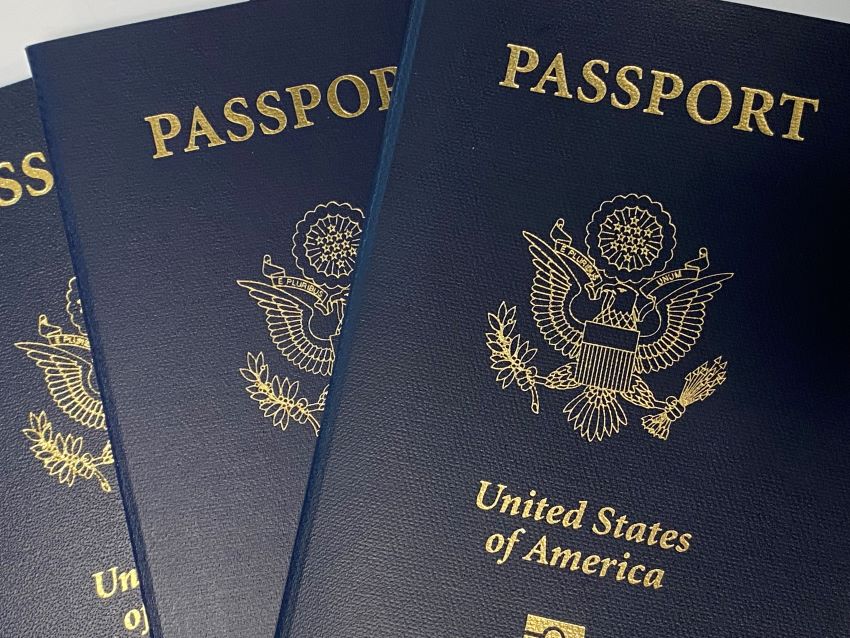
Planning Ahead for Document Applications
If you determine that you need a passport or any other new travel document, begin the application process immediately. Passport processing times can fluctuate significantly, especially during peak travel seasons or due to unforeseen backlogs. Standard processing can take several weeks or even months, and expedited services, while faster, come at an additional cost. The U.S. Department of State provides current processing times on its website. Similarly, obtaining certified birth certificates can take time, particularly if you need to order them from a state or county vital records office. For international travelers requiring visas or eTAs for Canada, these applications also have their own processing timelines and requirements. Do not wait until the last minute. Give yourself ample time—ideally several months—to apply for and receive all necessary documentation to avoid any eleventh-hour panic and ensure your unforgettable Alaskan adventure starts smoothly.
LifeOutOfTheBox is a participant in the Amazon Services LLC Associates Program, an affiliate advertising program designed to provide a means for sites to earn advertising fees by advertising and linking to Amazon.com. Amazon, the Amazon logo, AmazonSupply, and the AmazonSupply logo are trademarks of Amazon.com, Inc. or its affiliates. As an Amazon Associate we earn affiliate commissions from qualifying purchases.