
Traveling to Hawaii is a dream for many, conjuring images of turquoise waters, volcanic landscapes, and the rhythmic sway of hula dancers. However, as an archipelago situated in the central Pacific Ocean, many travelers are often confused about the legal requirements for entry. Whether you are a resident of the mainland United States or an international explorer, understanding the documentation needed for your journey is the first step toward a seamless tropical getaway.
Understanding Entry Requirements for the Hawaiian Islands
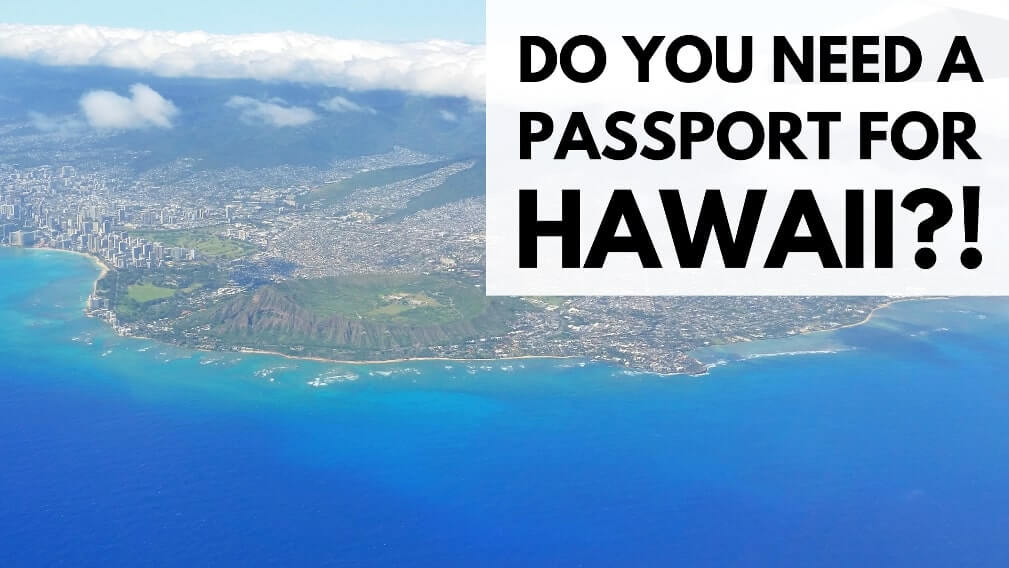
The question of whether you need a passport to visit Hawaii depends entirely on your country of citizenship and where your flight originates. Because Hawaii is the 50th state of the United States, it follows the same federal regulations as any other state, from California to New York.

For United States Citizens and Residents
If you are a citizen of the United States, you do not need a passport to travel to Hawaii. Since it is a domestic flight, you are essentially traveling within the same country. This rule also applies to permanent residents (Green Card holders) and citizens of U.S. Territories such as Puerto Rico, Guam, and the U.S. Virgin Islands.
However, while a passport is not required, you must present a valid government-issued photo identification to clear Transportation Security Administration (TSA) checkpoints. For most travelers, this is a driver’s license. It is crucial to ensure that your identification is compliant with the REAL ID Act. Starting in May 2025, standard driver’s licenses that are not REAL ID compliant will no longer be accepted for domestic air travel. If your license does not have the star symbol indicating compliance, you may actually need to use your U.S. Passport or a U.S. Passport Card as your primary form of identification, even though the flight is domestic.
International Arrivals and Visa Programs
For travelers coming from outside the United States, a valid passport is mandatory. This includes visitors from neighboring Canada and Mexico, as well as those arriving from Japan, Australia, the United Kingdom, and Europe.
International visitors must also adhere to U.S. Visa requirements. Many travelers from Visa Waiver Program countries can enter the United States for tourism for up to 90 days without a formal visa, provided they obtain an Electronic System for Travel Authorization (ESTA) approval prior to boarding their flight. If you are traveling from a country not included in this program, you will need to apply for a B-2 Tourist Visa at a U.S. Embassy or consulate.
Navigating Domestic Travel Logistics
Once you have established your identification needs, the logistics of flying to the islands become the focus. Hawaii is unique because of its geographic isolation, necessitating specific agricultural and security protocols that differ slightly from a standard flight between Chicago and Los Angeles.
Major Points of Entry
Most travelers arriving from the mainland or international destinations will land at Daniel K. Inouye International Airport in Honolulu on the island of Oahu. As the primary hub, this airport handles the bulk of the state’s air traffic. However, direct flights are also frequently available to Kahului Airport on Maui, Ellison Onizuka Kona International Airport on the Big Island, and Lihue Airport on Kauai.
If your travel itinerary includes visiting multiple islands—often referred to as “island hopping”—you will be glad to know that these are treated as domestic hops. You will need to show your ID at the gate, but you will not pass through U.S. Customs and Border Protection when moving from Maui to Kauai, for example.
Agricultural Inspections and Customs
One of the most distinct aspects of traveling to Hawaii is the Hawaii Department of Agriculture inspection. To protect the state’s delicate ecosystem from invasive species, all passengers arriving from the mainland must fill out an Agricultural Declaration Form.
When leaving Hawaii to return to the mainland United States, your luggage must pass through an agricultural pre-screening before you reach the check-in counter. This is to ensure you are not carrying prohibited fruit, plants, or live animals that could threaten the agriculture of the mainland. Items like pineapples and treated flowers are generally permitted, but it is always best to check current regulations at the airport.
Iconic Destinations and Travel Guides
Once the paperwork is settled, the true allure of Hawaii begins. Each island offers a distinct personality, catering to different types of travelers, from history buffs to adrenaline seekers.
Oahu: The Gathering Place
Oahu is the most populous island and the cultural heart of the state. Most visitors spend time at Waikiki Beach, world-renowned for its surfing and high-end shopping. For history enthusiasts, a visit to the Pearl Harbor National Memorial is essential. This site, which includes the USS Arizona Memorial, provides a somber and educational look at the events of December 7, 1941.
Beyond the city of Honolulu, the North Shore offers a more rural, laid-back vibe. During the winter months, this area becomes the epicenter of the surfing world, with massive swells at Banzai Pipeline and Waimea Bay. For hikers, the trail up Diamond Head State Monument offers panoramic views of the coastline and the vast Pacific Ocean.
Maui: The Valley Isle
Maui is frequently voted one of the best islands in the world due to its diversity of landscapes. A major draw is the Haleakala National Park, where travelers can drive to the summit of a dormant volcano to witness a sunrise above the clouds.
Another iconic experience is the Road to Hana. This winding journey along the Hana Highway takes you through lush rainforests, past cascading waterfalls, and to unique spots like the Wai’anapanapa State Park with its famous black sand beach. For those seeking luxury, the resorts in Wailea and Kapalua offer world-class amenities and pristine beaches.
Kauai: The Garden Isle
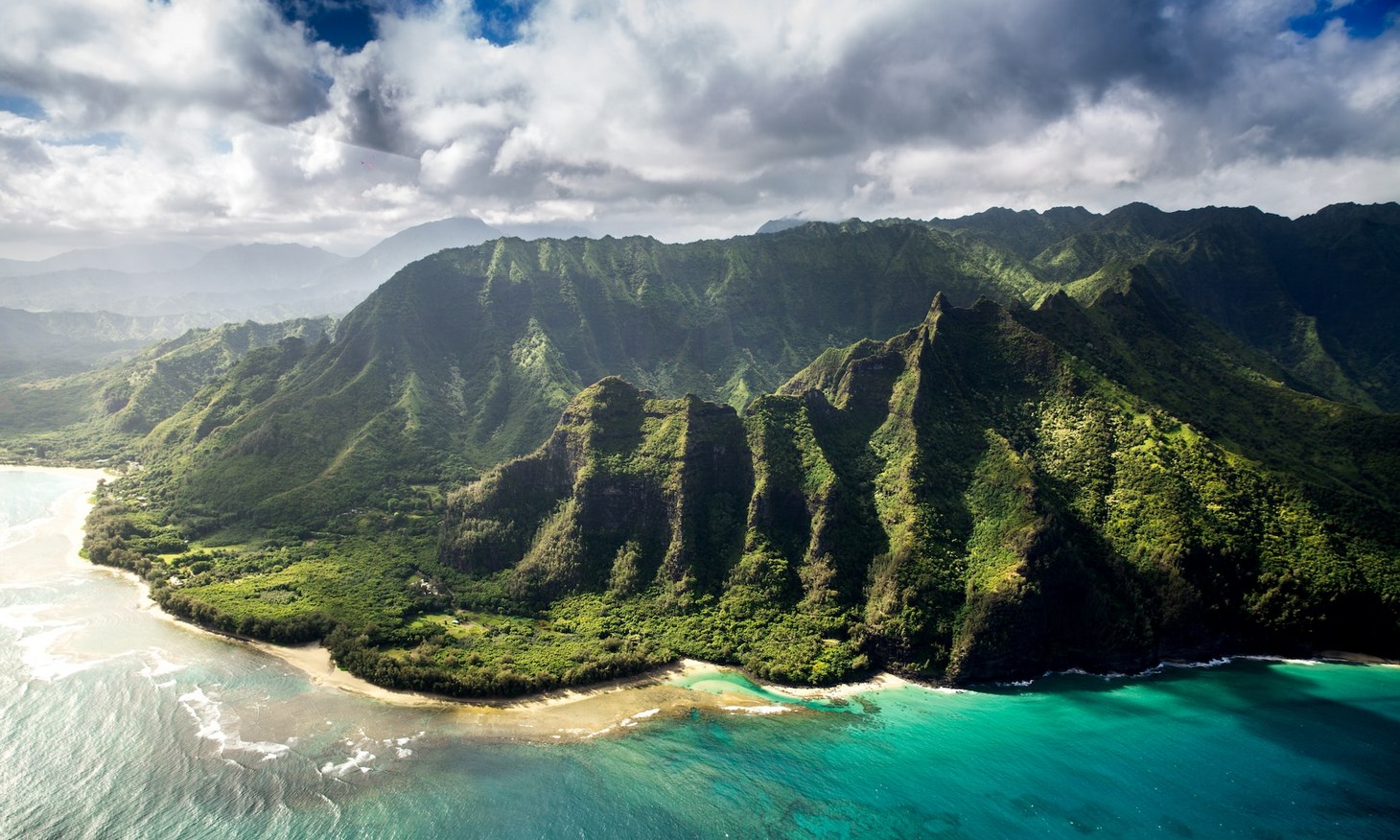
For travelers who prefer nature in its rawest form, Kauai is the destination of choice. It is the oldest of the main islands and features dramatic geological formations. The Na Pali Coast State Wilderness Park is perhaps the most photographed coastline in the world, characterized by emerald-green pinnacles rising sharply from the sea. Since much of the Na Pali Coast is inaccessible by car, travelers often explore it via boat tours or helicopter excursions.
On the western side of the island, Waimea Canyon State Park, often called the “Grand Canyon of the Pacific,” offers miles of hiking trails through red-dirt canyons and deep valleys. The island’s commitment to preserving its natural beauty makes it a sanctuary for those looking to escape the hustle and bustle of more developed tourist areas.
Preparing for Your Hawaiian Adventure
Planning a trip to Hawaii involves more than just checking your passport status; it requires an understanding of the local environment and respect for the indigenous culture.
Best Time to Visit
While Hawaii is a year-round destination, there are nuances to the seasons. The “dry season” typically runs from April to October, offering the warmest temperatures and calmest seas. The “rainy season” from November to March brings more frequent showers, though they are often brief and followed by rainbows. This is also the time for whale watching, as Humpback Whales migrate from Alaska to the warm Hawaiian waters to mate and give birth.
Cultural Etiquette and Sustainability
The spirit of Aloha is the foundation of life in Hawaii. Visitors are encouraged to practice “Malama Hawaii,” which means to take care of the land and culture. This includes using reef-safe sunscreen to protect the coral reefs at places like Hanauma Bay and respecting sacred sites like Pu’uhonua o Honaunau National Historical Park on the Big Island.
Many travelers choose to engage with the local culture through the Polynesian Cultural Center on Oahu, where they can learn about the different island nations of the Pacific. Supporting local farmers’ markets in towns like Hilo or Kapa’a is another excellent way to contribute to the local economy while enjoying fresh, island-grown produce.
In conclusion, while a passport is not a requirement for U.S. citizens traveling to Hawaii, the preparation for such a trip involves a keen awareness of identification standards like the REAL ID and a deep respect for the destination’s unique environmental and cultural landscape. Whether you are wandering through the historic streets of Lahaina or marveling at the volcanic activity at Hawaii Volcanoes National Park, Hawaii offers a world-class travel experience that feels truly international while remaining conveniently domestic for many.
LifeOutOfTheBox is a participant in the Amazon Services LLC Associates Program, an affiliate advertising program designed to provide a means for sites to earn advertising fees by advertising and linking to Amazon.com. Amazon, the Amazon logo, AmazonSupply, and the AmazonSupply logo are trademarks of Amazon.com, Inc. or its affiliates. As an Amazon Associate we earn affiliate commissions from qualifying purchases.