
Navigating the requirements for traveling to different destinations can sometimes feel like deciphering a complex map. One question that frequently arises for those planning a trip to the captivating island of Puerto Rico is about the necessity of a passport. This guide aims to clarify the official stance and provide you with all the essential information to ensure a smooth journey to this U.S. territory, whether you’re a U.S. citizen or an international visitor.
The answer to “Do you need a passport to get to [Puerto Rico]?” hinges primarily on your citizenship status and your point of origin. For U.S. citizens, traveling from the mainland United States to Puerto Rico is akin to traveling between any two U.S. states. This means that, under normal circumstances, a passport is not required for U.S. citizens entering Puerto Rico from the continental United States, Alaska, Hawaii, or other U.S. territories. This simplifies travel considerably, allowing for spontaneous getaways and straightforward planning for family vacations.
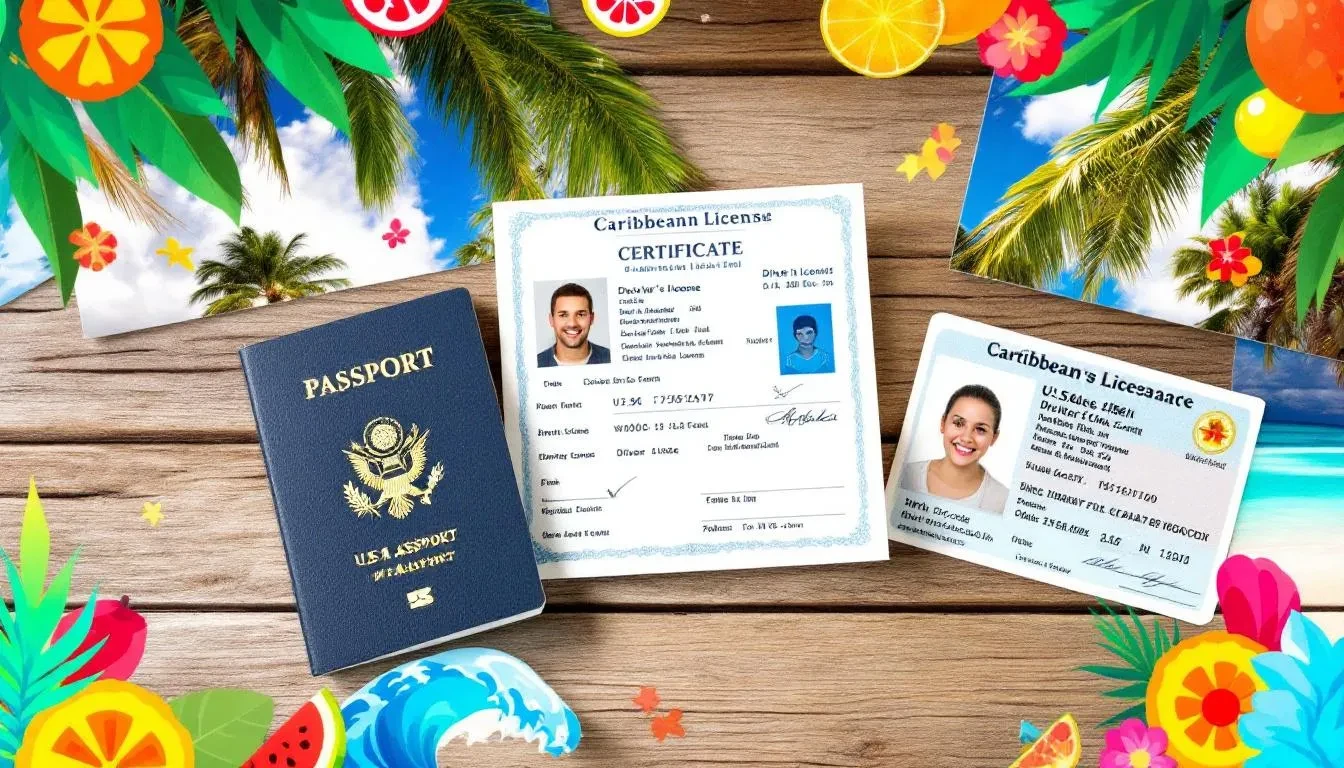
However, there are nuances to this rule that are important to understand. While a passport may not be strictly mandated for U.S. citizens, carrying a valid government-issued photo identification, such as a driver’s license, is always recommended and often required by airlines for boarding. This serves as proof of identity and citizenship.
Traveling to Puerto Rico: What U.S. Citizens Need to Know
For U.S. citizens, the journey to Puerto Rico is a domestic one. This distinction is crucial and has significant implications for travel documentation. Because Puerto Rico is an unincorporated U.S. territory, it falls under the jurisdiction of the United States. Therefore, travel between the mainland U.S. and Puerto Rico is treated similarly to interstate travel.
Identification Requirements for U.S. Citizens
While a passport isn’t mandatory for U.S. citizens arriving from the U.S. mainland, airlines will still require you to present valid identification to board your flight. This is a standard security measure. Acceptable forms of identification typically include:
- Driver’s License: A valid driver’s license issued by any U.S. state or territory is generally accepted.
- State-Issued ID Card: Similar to a driver’s license, a state-issued identification card can be used.
- U.S. Passport Card: While not required, a U.S. passport card is a valid form of identification for domestic travel.
- Military ID: Active duty and retired military personnel can use their military identification.
- Other Government-Issued Photo IDs: Other forms of government-issued photo identification might be accepted, but it’s always best to check with your airline in advance.
It is crucial to ensure your identification is current and not expired. The Transportation Security Administration (TSA) has specific guidelines for acceptable identification, and airlines adhere to these. For U.S. citizens, the absence of a passport requirement significantly eases the planning process for trips to this vibrant Caribbean destination. You can focus on booking your stay at a beautiful resort like the Dorado Beach, a Ritz-Carlton Reserve, or exploring the historic streets of Old San Juan.
Circumstances Where a Passport Might Be Recommended for U.S. Citizens
Although not a strict requirement for entry from the U.S. mainland, there are specific scenarios where a U.S. citizen might benefit from having their passport when traveling to Puerto Rico:
- Connecting Flights Through International Destinations: If your travel itinerary involves a layover or connection in a foreign country before reaching Puerto Rico, you will need a passport to enter that international territory. Even if your stay is brief and you don’t leave the airport transit area, some countries may have specific entry requirements.
- Potential for Unexpected International Travel: In rare cases, unforeseen circumstances might necessitate a change in travel plans that could lead to international travel. Having a passport readily available can be a safeguard against such situations.
- Proof of Identity for Specific Services: While rare, some specialized services or establishments might prefer or require a passport as a primary form of identification.
- Cruises: If your trip to Puerto Rico is part of a cruise that includes stops in foreign ports, a passport will be required for entry into those foreign countries. Even if the cruise begins and ends in the U.S., international port calls mandate passport compliance.
For most U.S. citizens whose travel is solely between the U.S. mainland and Puerto Rico without any international connections or detours, a driver’s license or other valid government-issued photo ID will suffice.
International Visitors Traveling to Puerto Rico
The passport requirements for international visitors traveling to Puerto Rico are different and align with standard international travel protocols. As Puerto Rico is a U.S. territory, visitors from foreign countries will need to comply with U.S. entry requirements.
Visa and Passport Requirements for Non-U.S. Citizens
Foreign nationals traveling to Puerto Rico will need a valid passport and, depending on their country of citizenship, may also require a U.S. visa. The U.S. immigration and visa policies apply to entry into Puerto Rico.
- Passport Validity: Your passport must be valid for at least six months beyond your intended period of stay in the United States, which includes its territories like Puerto Rico.
- U.S. Visa Requirements: Citizens of countries that participate in the Visa Waiver Program (VWP) may be able to enter Puerto Rico for tourism or business for up to 90 days without a visa, provided they obtain an approved travel authorization through the Electronic System for Travel Authorization (ESTA) program. Citizens of countries not part of the VWP will need to apply for a U.S. visa at a U.S. embassy or consulate before traveling.
- Visa Waiver Program (VWP): Countries such as Canada, the United Kingdom, Australia, and many European nations are part of the VWP. Visitors from these countries generally do not need a visa for short stays, but ESTA approval is mandatory.
It is essential for all international visitors to check the latest U.S. visa requirements and travel advisories for their specific nationality well in advance of their trip. Websites like the U.S. Department of State or U.S. Customs and Border Protection (CBP) are excellent resources for accurate and up-to-date information.
Entry into Puerto Rico as an International Visitor
When international visitors arrive in Puerto Rico, they will go through U.S. Customs and Border Protection (CBP) processing. This is the same process as arriving in any other U.S. port of entry. You will need to present your passport and any required visa or ESTA documentation to the CBP officer.
For international travelers, the experience of visiting Puerto Rico is a gateway to exploring the rich culture, stunning natural beauty, and vibrant lifestyle of the Caribbean, all while being under the umbrella of U.S. regulations. Whether you’re drawn to the bioluminescent bays of Vieques, the El Yunque National Forest, or the luxurious accommodations like the St. Regis Bahia Beach Resort, understanding these entry requirements is the first step to an unforgettable adventure.
Exploring Puerto Rico: Beyond the Passport Question
Once you’ve clarified the entry requirements, the real excitement of planning your trip to Puerto Rico can begin. This island offers a diverse range of experiences, catering to every type of traveler, from the luxury seeker to the budget-conscious explorer.
Destinations and Attractions
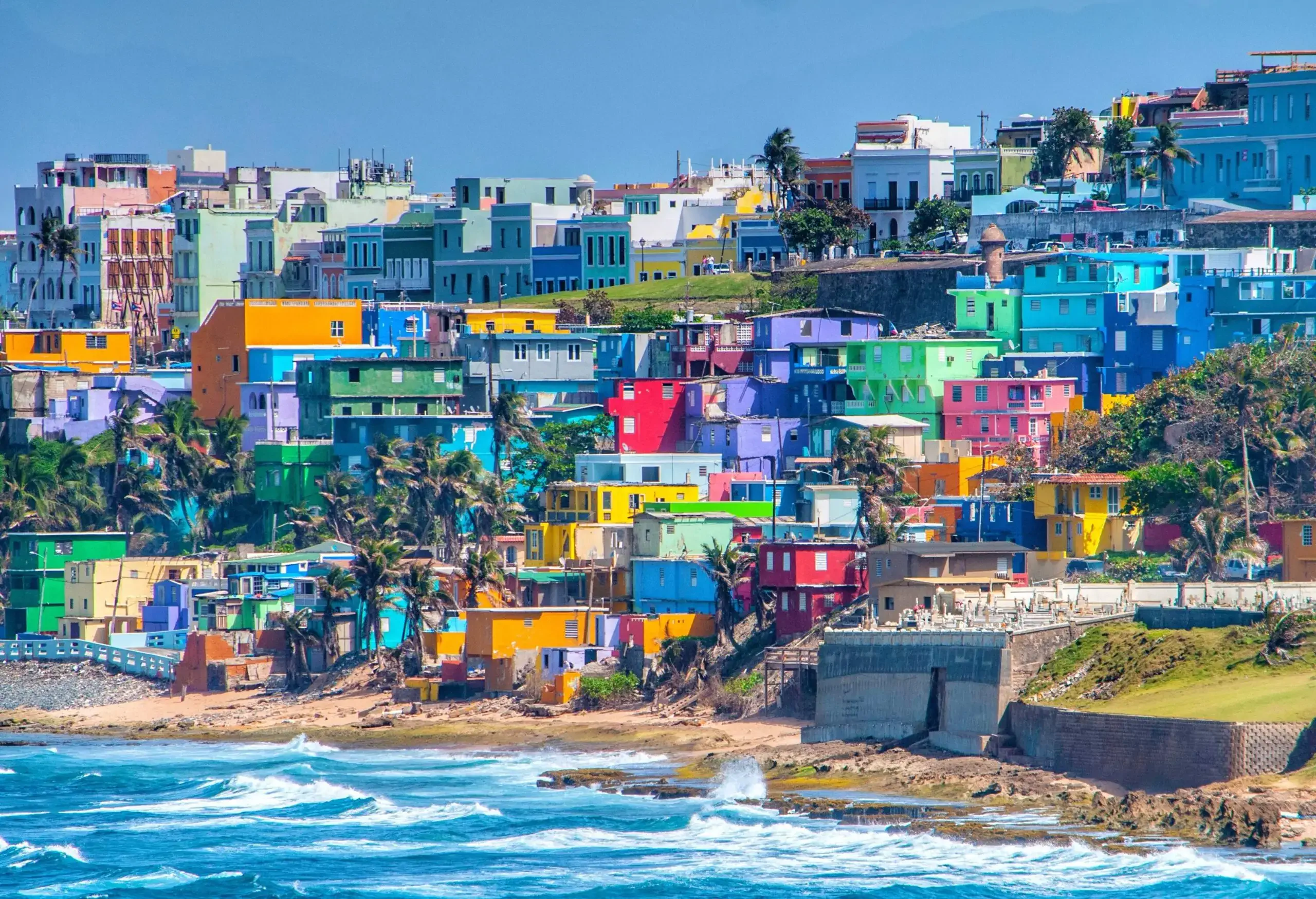
Puerto Rico boasts an incredible array of attractions. The historic district of Old San Juan is a UNESCO World Heritage site, filled with colorful colonial architecture, cobblestone streets, and iconic landmarks like Castillo San Felipe del Morro and Castillo San Cristobal. Beyond the historical charm, the island’s natural wonders are equally captivating. The El Yunque National Forest, the only tropical rainforest in the U.S. National Forest System, offers hiking trails, waterfalls, and unique biodiversity. For beach lovers, the options are endless, from the bustling shores of Condado to the secluded beauty of Flamenco Beach on the island of Culebra. And for a truly magical experience, the bioluminescent bays of Mosquito Bay in Vieques and Laguna Grande in Fajardo are must-visits.
Accommodation Options
Puerto Rico offers a wide spectrum of accommodation choices to suit every budget and travel style. Luxury resorts such as the Dorado Beach, a Ritz-Carlton Reserve and the St. Regis Bahia Beach Resort provide world-class amenities and service for those seeking a lavish getaway. For a more intimate or budget-friendly experience, numerous boutique hotels, charming guesthouses, and vacation rental apartments and villas are available throughout the island, particularly in areas like San Juan, Rincón, and Ponce. Websites that offer booking, reviews, and comparison tools can be invaluable in finding the perfect place to stay.
Tourism, Culture, and Lifestyle
The tourism experience in Puerto Rico is deeply intertwined with its rich local culture, delicious cuisine, and vibrant lifestyle. From the lively salsa rhythms that fill the air to the tantalizing flavors of mofongo and lechón, immersing yourself in the island’s heritage is a key part of the travel experience. Engaging with local activities, such as visiting coffee plantations, exploring artisan markets, or attending a bomba y plena dance performance, offers authentic insights into the island’s soul. Whether you’re planning a family trip, a romantic escape, or a business stay, Puerto Rico provides a welcoming atmosphere and a wealth of experiences to discover.
In conclusion, for U.S. citizens, a passport is generally not required to travel to Puerto Rico from the mainland U.S., with a valid government-issued photo ID being sufficient. However, international visitors must adhere to standard U.S. entry requirements, including possessing a valid passport and potentially a visa. With these details clarified, you are well-prepared to embark on your journey to explore the enchanting island of Puerto Rico.
LifeOutOfTheBox is a participant in the Amazon Services LLC Associates Program, an affiliate advertising program designed to provide a means for sites to earn advertising fees by advertising and linking to Amazon.com. Amazon, the Amazon logo, AmazonSupply, and the AmazonSupply logo are trademarks of Amazon.com, Inc. or its affiliates. As an Amazon Associate we earn affiliate commissions from qualifying purchases.