
Planning a trip to the entertainment capital of the world often involves a flurry of logistics, from booking flights and selecting the perfect resort to mapping out show schedules and dining reservations. Among the most common questions for travelers—particularly those considering an international vacation or living near the borders of the United States—is whether a passport is a mandatory travel document for a trip to Las Vegas.
Navigating travel requirements can be confusing, but the answer for the vast majority of visitors is straightforward. Whether you are a domestic traveler from within the country or an international visitor arriving from abroad, understanding your documentation requirements is the first step toward a seamless vacation experience.

Understanding Documentation for Domestic Travelers
For citizens and permanent residents of the United States, the question of whether a passport is required to visit Las Vegas is definitively answered with a “no.” Because Las Vegas is located within the state of Nevada, it is considered a domestic destination for any American citizen.
The Role of REAL ID
While you do not need a passport to board a domestic flight or enter Nevada, you must adhere to the Transportation Security Administration guidelines regarding identification. As of the current federal regulations, all travelers aged 18 and older must present a valid, government-issued photo ID to pass through airport security checkpoints.
A standard state-issued driver’s license is perfectly acceptable for most travelers. However, it is essential to be aware of the REAL ID Act. While full enforcement has faced various delays, travelers should aim to carry a REAL ID-compliant license—typically marked with a gold or black star—or an alternative acceptable form of identification, such as a U.S. passport card or a military ID, to ensure there are no interruptions to their travel plans.
Why You Might Bring a Passport Anyway
Even though it is not a requirement for domestic travel, many seasoned travelers choose to bring their passport books to Las Vegas. The primary reason is that a passport is the “gold standard” of identification. It is widely accepted, difficult to forge, and serves as an all-purpose document. If you happen to lose your primary driver’s license while exploring the Las Vegas Strip, having a secondary form of government-issued photo identification can save you from a significant amount of administrative stress.
Requirements for International Visitors
If you are traveling from outside the United States, the regulations change significantly. Regardless of the duration of your stay or the purpose of your visit—whether for a luxury weekend at the Bellagio or a business conference at the Las Vegas Convention Center—you are required to possess a valid, unexpired passport.
Visa and ESTA Considerations
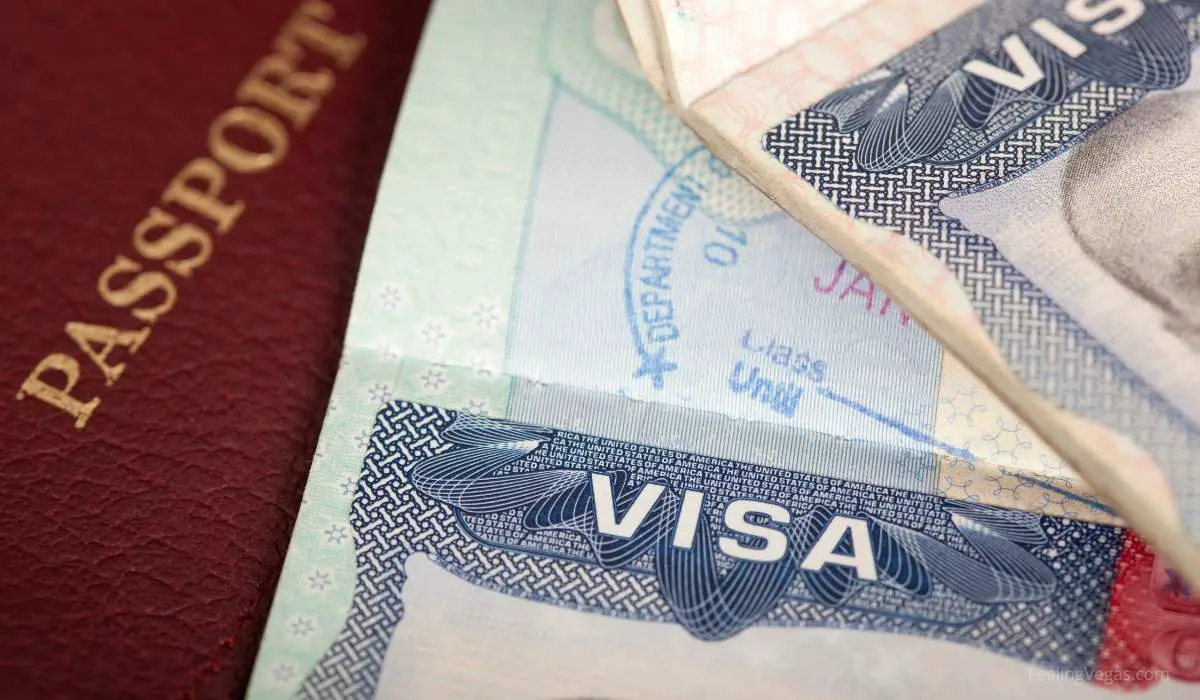
Possessing a passport is merely the baseline requirement. Depending on your country of citizenship, you may also need to secure a visa or an approved authorization to enter the United States.
Travelers from countries participating in the Visa Waiver Program must apply for and receive Electronic System for Travel Authorization (ESTA) approval before boarding their flight. This is a mandatory digital process that screens passengers before they arrive on American soil. For visitors from nations not included in the visa-waiver program, a formal visa interview at a United States Embassy or consulate in their home country is typically required long before any travel to Nevada can commence.
Documentation for Canadian and Mexican Citizens
Citizens of Canada and Mexico face specific, sometimes unique, documentation requirements when crossing into the United States. While Canadians have traditionally relied on various forms of identification, current Western Hemisphere Travel Initiative rules generally dictate that a valid passport or an enhanced driver’s license is required for air travel. Always check the most current bilateral agreements to ensure your documentation meets the latest security standards.
Practical Tips for Your Las Vegas Arrival
Once you have verified your identification requirements and secured the necessary documents, your focus can shift to the exciting aspects of your trip. Arriving in Las Vegas at Harry Reid International Airport is often the first step of an unforgettable journey.
Streamlining the Security Experience
To ensure your travel experience remains professional and efficient, consider these tips for your arrival:
- Organize Your Documents: Keep your identification in an easily accessible pocket of your carry-on or personal item. Fumbling through luggage while in the security queue can cause unnecessary delays for you and fellow travelers.
- Check Expiration Dates: Even if you have a passport or a driver’s license, ensure it remains valid for at least six months beyond your travel dates. This is a standard requirement for most international entry and provides a safety buffer for domestic travel.
- Digital Backups: While physical documents are mandatory, keeping a secure digital copy of your passport or ID in a cloud-based storage service or encrypted drive can be a lifesaver if your physical documents are lost or stolen while visiting the Grand Canyon or other regional landmarks.
Preparing for Local ID Checks
Remember that Las Vegas is a city that takes age verification very seriously. Whether you are checking into the Caesars Palace, visiting a bar on Fremont Street, or placing a wager at a casino, you will almost certainly be asked to present valid photo identification.
Establishments in Nevada are strictly regulated, and staff are trained to look for genuine, government-issued IDs. Do not rely on student IDs, expired licenses, or photocopies, as these are rarely accepted at venues like The Venetian or MGM Grand. By keeping your official, non-expired identification with you at all times, you ensure that your access to the city’s world-class entertainment remains uninterrupted.
Final Thoughts on Travel Logistics
Whether you are flying across the country or arriving from overseas, the most important rule of travel is to be prepared. For the vast majority of visitors, Las Vegas is a destination where your existing state-issued ID is sufficient for domestic travel, while a passport remains the non-negotiable key for international travelers.
By familiarizing yourself with these requirements well in advance, you remove the guesswork from your itinerary. This leaves you free to enjoy the bright lights of the Las Vegas Strip, the fine dining, and the high-energy atmosphere of Nevada without a single worry about your ability to enter the country or check into your hotel. Safe travels, and enjoy everything that this iconic destination has to offer.
LifeOutOfTheBox is a participant in the Amazon Services LLC Associates Program, an affiliate advertising program designed to provide a means for sites to earn advertising fees by advertising and linking to Amazon.com. Amazon, the Amazon logo, AmazonSupply, and the AmazonSupply logo are trademarks of Amazon.com, Inc. or its affiliates. As an Amazon Associate we earn affiliate commissions from qualifying purchases.