
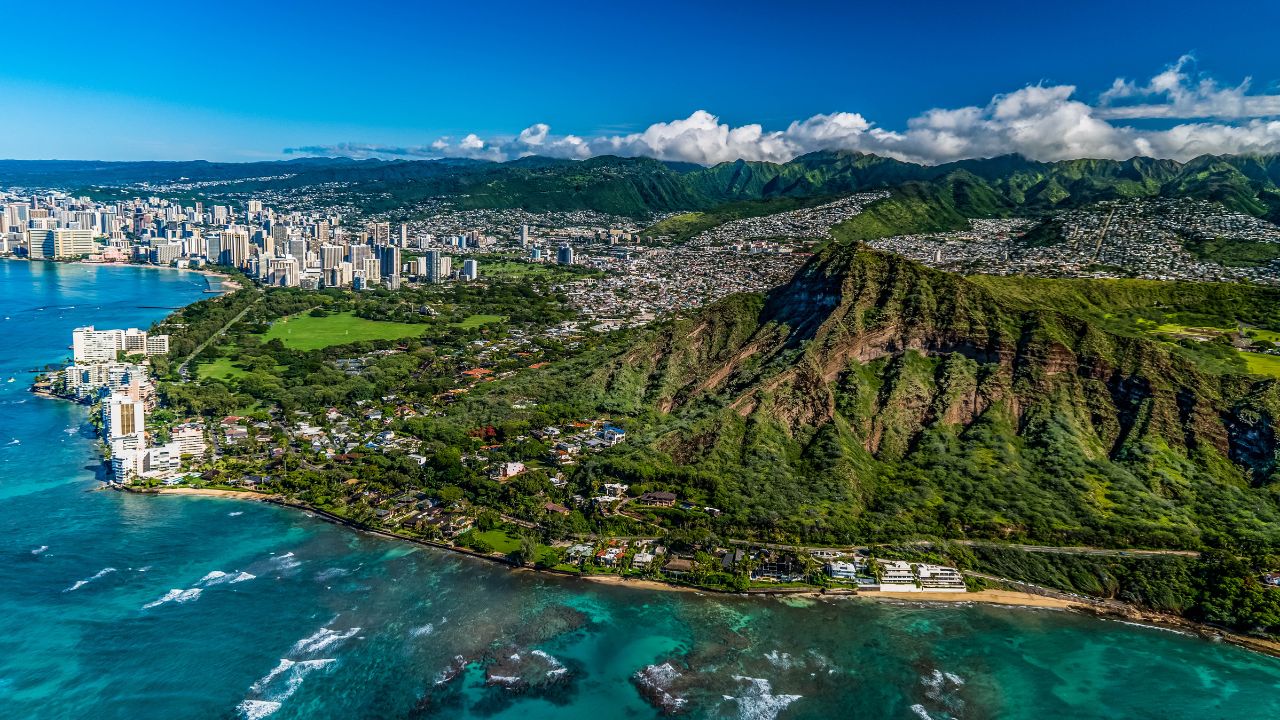
The allure of sun-drenched beaches, emerald mountains, and the warm embrace of the Aloha spirit makes Hawaii a dream destination for many. From the vibrant energy of Oahu to the serene landscapes of Kauai and the dramatic volcanic terrain of the Big Island, this archipelago offers an unparalleled escape. However, before you can dive into the Pacific or hike through lush rainforests, a fundamental question often arises for travelers: do you need a passport to travel to Hawaii?
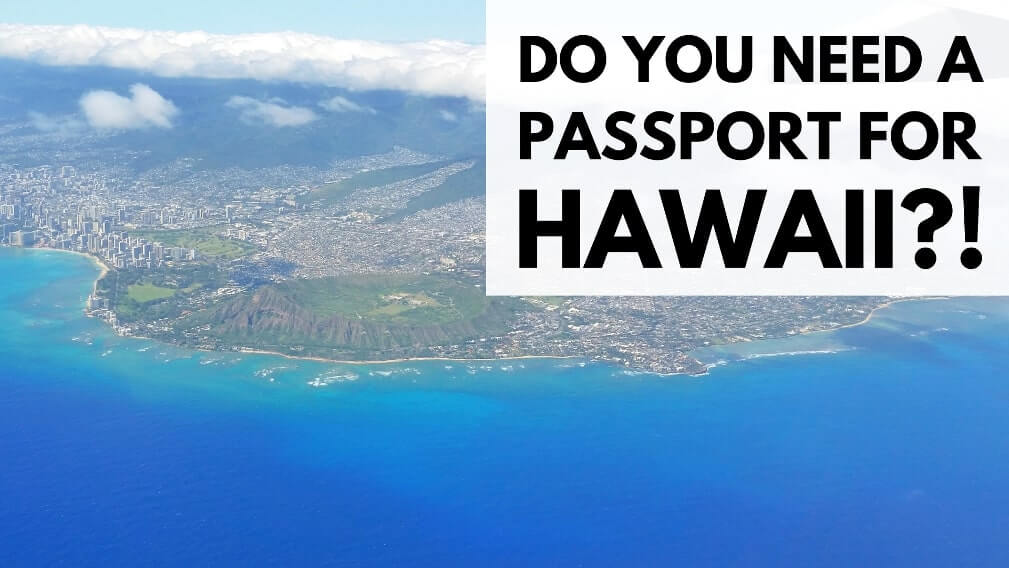
For most United States citizens, the answer is refreshingly simple: No, a passport is not required for domestic travel to Hawaii. As the 50th state of the U.S., travel to Hawaii from any other U.S. state or territory is considered domestic travel. This means that for U.S. citizens, the identification requirements are the same as flying from, say, New York to California. This crucial distinction simplifies the planning process immensely for millions of prospective visitors, allowing them to focus on the exciting aspects of their journey rather than navigating complex international travel documentation.
While a passport isn’t mandatory for U.S. citizens, having one can sometimes be convenient, especially if you foresee any possibility of an unscheduled stop in an international location or if you simply prefer using it as your primary form of identification. However, the standard requirements for domestic air travel within the U.S. are typically sufficient. Understanding these requirements is key to ensuring a smooth and stress-free trip to this tropical paradise.
The Simple Answer for U.S. Citizens: What You Really Need
For United States citizens, traveling to Hawaii is fundamentally no different than flying to any other state. This often comes as a pleasant surprise, as the journey over thousands of miles of ocean might give the impression of an international voyage. However, the fact that Hawaii is an integral part of the U.S. means domestic travel rules apply.
Acceptable Forms of Identification for Domestic Air Travel
Instead of a passport, U.S. citizens flying to Hawaii will need to present a valid form of government-issued photo identification at the airport security checkpoint. The Transportation Security Administration (TSA) accepts a range of documents, ensuring that most adults already possess an acceptable ID. These include:
- State-issued Driver’s License or other State Photo Identity Cards: This is the most common form of identification used by travelers. Ensure it is current and unexpired.
- U.S. Passport or Passport Card: While not required, these are perfectly acceptable forms of ID for domestic travel.
- U.S. Military ID: For active duty military personnel and their dependents.
- Permanent Resident Card (Green Card): For lawful permanent residents of the U.S..
- DHS-designated enhanced driver’s license: These are available in certain states and offer additional security features.
- Other acceptable IDs: The TSA website provides a comprehensive list, which also includes trusted traveler cards (e.g., Global Entry), certain federally recognized tribal IDs, and others.
It’s always a good practice to check the official TSA website prior to your travel date, as regulations can occasionally be updated. Ensuring your ID is valid and unexpired is paramount to avoiding any last-minute airport hassles.
Understanding REAL ID Requirements
A critical development in domestic air travel identification is the REAL ID Act. Enacted in 2005, the REAL ID Act established minimum security standards for state-issued driver’s licenses and identification cards and prohibits federal agencies from accepting for certain purposes driver’s licenses and identification cards from states that do not meet these standards.
The enforcement date for requiring a REAL ID compliant driver’s license or state ID for domestic air travel was originally set for October 1, 2020, but has been postponed multiple times. As of the current understanding, travelers 18 years of age and older will need a REAL ID compliant driver’s license or identification card, or another acceptable form of identification, to fly within the United States. This means your driver’s license or state ID must have a star or other indicator to signify its REAL ID compliance.
If you do not have a REAL ID compliant license, or if your state is not yet compliant, a U.S. passport or another acceptable form of TSA identification will suffice. The Department of Homeland Security strongly encourages travelers to check their state’s compliance status and plan accordingly. For those who travel infrequently, this might mean a trip to the local DMV, but for many, their existing passport can serve as an easy alternative if their state-issued ID isn’t REAL ID compliant. This is a crucial detail for anyone planning domestic flights, including those bound for the beautiful shores of Hawaii.
Travel Considerations for Non-U.S. Citizens and Special Cases
While U.S. citizens enjoy the simplicity of domestic travel to Hawaii, the rules change significantly for international visitors or in specific travel scenarios. Understanding these distinctions is crucial to ensure a smooth journey to the islands.
International Travelers and Visa Requirements
For individuals who are not U.S. citizens or lawful permanent residents, traveling to Hawaii is considered international travel to the United States. This means they will absolutely need a valid passport and, in most cases, a visa.
- Passport: Every non-U.S. citizen must possess a valid passport, typically valid for at least six months beyond their intended period of stay in the U.S..
- Visa: Depending on their country of origin and purpose of travel, visitors may need to obtain a visa (e.g., a tourist visa, business visa). Countries participating in the Visa Waiver Program (VWP) allow citizens to travel to the U.S. for tourism or business for stays of 90 days or less without a visa, provided they obtain an approved ESTA (Electronic System for Travel Authorization) prior to their departure. Countries like Canada and Mexico have specific rules, with Canadian citizens generally not requiring a visa for tourism or business visits.
It is imperative for international travelers to thoroughly research the specific entry requirements for the United States based on their nationality well in advance of their planned trip to Hawaii.
Traveling with Minors
When traveling with minors, the identification requirements can vary slightly, primarily depending on whether the child is traveling with both parents, one parent, or a non-parent adult.
- Domestic Travel (U.S. Citizens): For children under 18 traveling domestically within the U.S., the TSA does not currently require them to present identification. However, airlines may have their own policies, often requiring an adult accompanying them to present valid ID. It is always wise to carry a copy of the child’s birth certificate for proof of age and relationship, especially if there’s a different last name.
- International Travel (Non-U.S. Citizens or Cruises): For international travel (which applies to non-U.S. citizens entering the U.S. to reach Hawaii, or if your cruise makes international stops), all minors will need their own valid passport. If a minor is traveling with only one parent, or with a guardian, a consent letter from the absent parent(s) or legal guardian, often notarized, is highly recommended to prevent issues with immigration officials.
Cruises and Closed-Loop Voyages
The rules for cruise travel can be a bit more nuanced. If your cruise departs from a U.S. port, travels to Hawaii, and then returns to the same U.S. port without stopping in any foreign countries, it is often considered a “closed-loop” cruise.
- Closed-Loop Cruises (U.S. Citizens): For U.S. citizens on closed-loop cruises, a passport is generally not required. Instead, you can typically use a government-issued photo ID (like a driver’s license) along with an original or certified copy of your birth certificate. However, carrying a passport is always recommended, as it expedites embarkation/disembarkation and serves as a universally accepted form of ID in case of an emergency that requires you to fly home from a foreign port.
- Cruises with International Stops: If your cruise itinerary includes any stops in foreign countries (e.g., a cruise that starts in the U.S., stops in Canada or Mexico, and then proceeds to Hawaii or returns to the U.S.), then a valid passport is absolutely essential for all travelers, regardless of citizenship.
Always confirm specific documentation requirements with your cruise line well in advance, as their policies can sometimes be stricter than general government regulations.
Planning Your Dream Hawaiian Getaway: Beyond the Passport
Once the documentation question is settled, the true fun begins: planning your incredible journey to Hawaii! The islands offer a spectrum of experiences, from thrilling adventures to serene relaxation, catering to every type of traveler. Our website, Life Out of the Box, is dedicated to guiding you through every aspect of this planning, covering everything from destinations and attractions to accommodations and lifestyle tips.
Choosing Your Hawaiian Island Adventure
Hawaii is not a single destination but a collection of distinct islands, each with its unique charm and appeal. Choosing which island (or islands) to visit is perhaps the first major decision in crafting your itinerary.
- Oahu: The Gathering Place: Home to the capital city of Honolulu and iconic Waikiki Beach, Oahu blends urban sophistication with natural beauty. Here, you can surf world-famous waves on the North Shore, explore historical sites like Pearl Harbor, hike to the summit of Diamond Head, or delve into Polynesian Cultural Center. It’s perfect for first-time visitors seeking a mix of activities and amenities.
- Maui: The Valley Isle: Renowned for its stunning beaches, luxurious resorts in areas like Kaanapali and Lahaina, and the breathtaking Road to Hana, Maui offers a more upscale and romantic experience. Witnessing the sunrise from Maui’s Haleakala National Park is an unforgettable moment.
- Kauai: The Garden Isle: Lush, green, and incredibly scenic, Kauai is a paradise for nature lovers and adventurers. Explore the dramatic cliffs of the Na Pali Coast by boat or helicopter, hike parts of the challenging Kalalau Trail, or marvel at the “Grand Canyon of the Pacific,” Waimea Canyon. Popular resort areas include Poipu.
- Big Island: The Orchid Isle: The largest and youngest island, the Big Island boasts incredible diversity, from the active volcanoes of Hawaii Volcanoes National Park to the snow-capped peak of Mauna Kea. You can explore black sand beaches, coffee plantations in Kona, and vibrant marine life.
Accommodations: From Luxury Resorts to Budget-Friendly Stays
Hawaii caters to all budgets and preferences when it comes to accommodation. Whether you dream of opulent resorts or cozy, local stays, the islands have something for everyone.
- Luxury Resorts: For those seeking an indulgent experience, Hawaii is home to world-class resorts offering lavish suites, oceanfront villas, championship golf courses, and exquisite dining. Destinations like Waikiki, Kaanapali, and Poipu are renowned for their high-end properties from international chains and boutique brands. These resorts often feature elaborate pool complexes, spas, and direct beach access.
- Boutique Hotels: For a more intimate and unique experience, consider a boutique hotel. These properties often emphasize local culture, distinct design, and personalized service, providing a charming alternative to larger resorts.
- Vacation Rentals (Villas, Apartments): Ideal for families, groups, or those seeking a longer stay, vacation rentals offer the comfort and convenience of a home away from home. From private beachfront villas to charming apartments in local neighborhoods, these options provide flexibility and often a more authentic local experience.
- Budget-Friendly Options: Traveling to Hawaii on a budget is entirely possible. Hostels, guesthouses, and more modest hotels can be found, particularly in areas like Honolulu or near the smaller towns. Camping in state parks is also an option for adventurous and cost-conscious travelers.
- Amenities and Services: When booking, consider the amenities that are important to you: pool, spa, fitness center, on-site dining, kids’ clubs, or complimentary activities. Reviews and comparisons on sites like Life Out of the Box can help you find the perfect match for your needs and budget.
Exploring Hawaiian Culture, Cuisine, and Activities
Beyond the beaches, Hawaii offers a rich tapestry of culture, history, and unique activities that make any trip truly unforgettable.
- Local Culture: Immerse yourself in the vibrant Hawaiian culture. Attend a traditional Luau with hula dancing and delicious food, visit historic sites like Iolani Palace (the only official residence of royalty in the United States), or learn about the legacy of King Kamehameha I. The ‘ohana’ (family) spirit and deep respect for the land are palpable throughout the islands.
- Cuisine: Hawaiian cuisine is a delightful fusion of Polynesian, Asian, and American influences. Don’t miss sampling fresh poke, kalua pig, loco moco, and tropical fruits. Explore farmers’ markets, try local food trucks, and indulge in farm-to-table dining experiences. From the sweet pineapple at Dole Plantation to the savory flavors of a roadside shrimp truck on Oahu’s North Shore, your taste buds are in for a treat.
- Activities: The activity options are endless. Snorkel or dive in vibrant coral reefs, hike through lush rainforests to stunning waterfalls, take a surfing lesson on Waikiki Beach, go whale watching (seasonal), or simply relax on a pristine beach like Lanikai Beach. Each island offers distinct adventures, from helicopter tours over the Na Pali Coast to stargazing on Mauna Kea.

Essential Travel Tips for a Smooth Hawaiian Journey
Even without the passport hurdle for U.S. citizens, a successful trip to Hawaii requires thoughtful planning and adherence to some key travel tips.
- Book Flights and Accommodations in Advance: Hawaii is a popular destination, especially during peak seasons (winter holidays, spring break, summer). Booking your flights and hotels well in advance will secure better rates and ensure availability, particularly for highly sought-after resorts or unique vacation rentals.
- Consider Travel Insurance: While not always necessary for domestic travel, unforeseen circumstances can arise. Travel insurance can cover flight cancellations, medical emergencies, lost luggage, or other unexpected events, providing peace of mind.
- Rent a Car (or Plan Transportation): While public transportation exists in certain areas (like Honolulu), a rental car offers the most flexibility to explore the islands at your own pace. Book your car early, especially if you plan to visit Maui or Kauai, where demand can outstrip supply.
- Pack Smart: Pack light, breathable clothing, swimsuits, reef-safe sunscreen, insect repellent, and comfortable walking shoes or sandals. Don’t forget a hat and sunglasses. Evenings can be cooler, especially at higher elevations (like Haleakala National Park), so a light jacket is a good idea.
- Respect Local Customs and the Environment: Hawaii’s culture is deeply rooted in respect for the land (aina) and people. Practice responsible tourism: stay on marked trails, don’t touch marine life, use reef-safe sunscreen, and be mindful of noise levels in residential areas. Embrace the Aloha spirit and interact respectfully with locals.
- Stay Hydrated and Sun-Safe: The tropical sun is intense. Drink plenty of water, seek shade during peak sun hours, and reapply sunscreen frequently, even on cloudy days.
In conclusion, for U.S. citizens, the question of needing a passport for Hawaii is easily answered with a resounding “no.” A valid government-issued ID, preferably REAL ID compliant, is all that’s typically required for domestic air travel. For international visitors, a passport and often a visa are essential. With the documentation sorted, your focus can shift to experiencing the unparalleled beauty, vibrant culture, and diverse adventures that make the South Pacific paradise of Hawaii an unforgettable destination. Embrace the planning, respect the islands, and prepare for the trip of a lifetime!
LifeOutOfTheBox is a participant in the Amazon Services LLC Associates Program, an affiliate advertising program designed to provide a means for sites to earn advertising fees by advertising and linking to Amazon.com. Amazon, the Amazon logo, AmazonSupply, and the AmazonSupply logo are trademarks of Amazon.com, Inc. or its affiliates. As an Amazon Associate we earn affiliate commissions from qualifying purchases.