
For many, the notion of voter identification conjures images of long lines and specific documents, a standard practice in numerous democracies worldwide. Yet, when considering the intricacies of participating in the democratic process in the United States, and specifically within the diverse and sprawling landscape of California, the question “Do you need an ID to vote in California?” presents a nuanced answer that often surprises both residents and those considering a longer-term stay or even relocation. While the immediate answer for most registered voters in the Golden State is generally “no,” the broader context of identification requirements is critically important for anyone engaging with California, whether as a voter, a tourist, a new resident, or a long-term visitor.
This question, while seemingly tied to civic duty, actually opens a fascinating discussion about identity verification in various aspects of life, particularly relevant to the worlds of travel, accommodation, and lifestyle. For those exploring California’s iconic Golden Gate Bridge in San Francisco, lounging on the sun-drenched beaches of Southern California, or considering a move to vibrant cities like Los Angeles or San Diego, understanding ID requirements extends far beyond the ballot box. It touches upon everything from checking into a luxury resort like The Ritz-Carlton, Laguna Niguel to navigating the cultural nuances of local tourism. Let’s delve into the specifics of voting ID and then expand our lens to encompass the broader significance of identification for anyone experiencing the California dream.
Understanding Voter Identification in the Golden State
California stands out among U.S. states for its relatively permissive voter identification laws. Unlike states such as Texas or Florida, which mandate photo ID for most voters, California prioritizes voter access, making the process as straightforward as possible for eligible citizens.
The Basics: California’s Approach to Voter ID
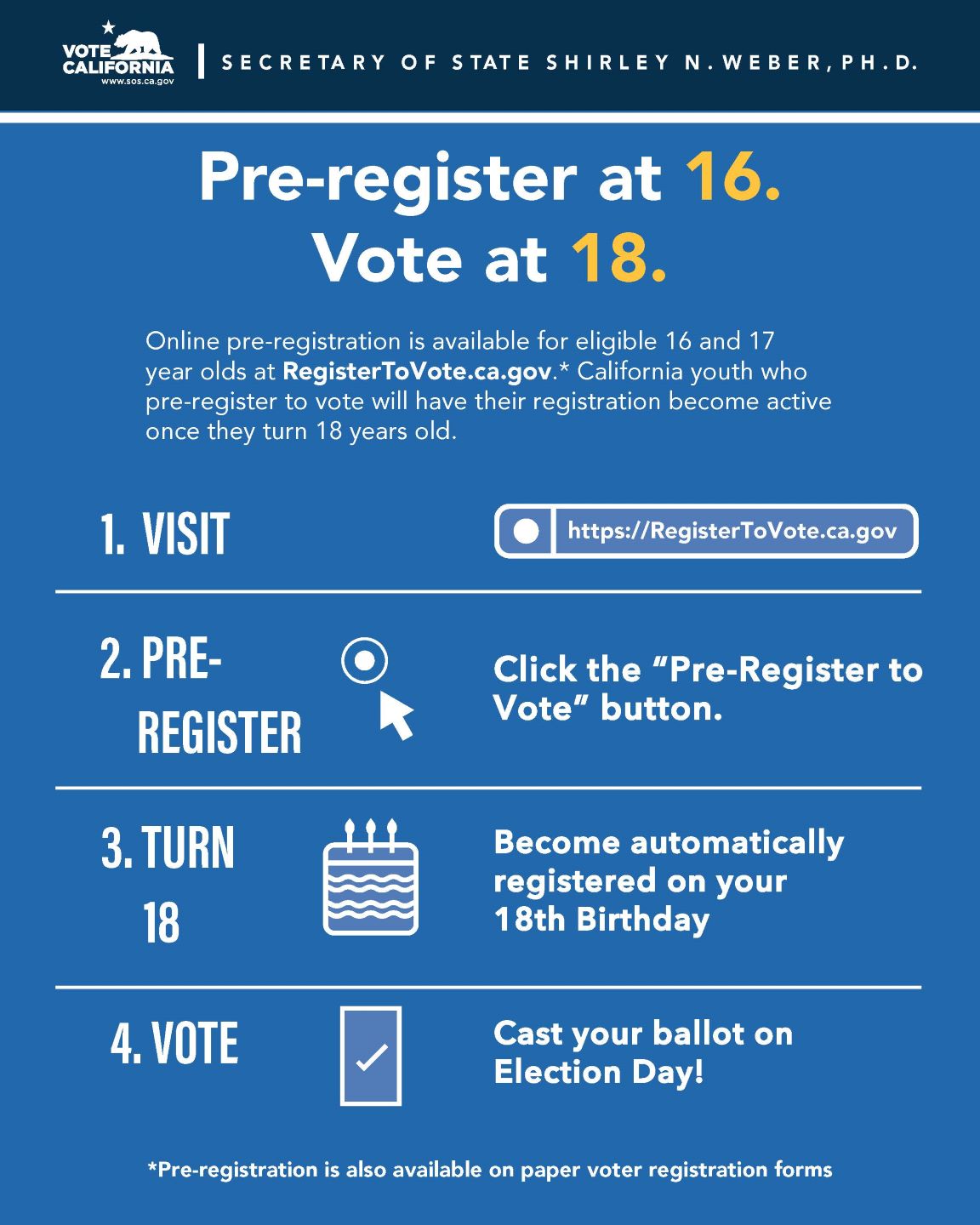
In California, most registered voters are not required to show photo identification at the polls on Election Day. This policy is rooted in the state’s electoral philosophy, which aims to ensure that no eligible voter is disenfranchised simply because they lack a specific form of ID. When you arrive at a polling place, election officials will verify your identity by checking your name and address against the voter registration roll. Once confirmed, you will typically sign a roster, and then be issued your ballot. This streamlined process reflects a trust in the voter registration system and focuses on accessibility.
However, this doesn’t mean identification is entirely irrelevant. The registration process itself often involves verifying identity, and certain specific scenarios might indeed trigger a request for ID, even if not universally mandated.
Who Needs to Show ID? Specific Scenarios
While the general rule is “no ID required,” there are a few exceptions where an election official might request identification from a voter in California:
- First-time voters who registered by mail and did not provide identification with their registration: If you registered to vote by mail and did not include your California driver’s license number, California ID card number, or the last four digits of your Social Security number on the registration form, you may be asked to show identification the first time you vote in person. Acceptable forms of ID in this specific instance are broad and can include a utility bill, bank statement, paycheck, or any government document showing your name and address. A U.S. passport or military ID would also suffice, but it’s important to note that a photo ID isn’t strictly necessary; any document proving identity and residency is often enough.
- Voters whose eligibility is challenged: In rare instances, if a voter’s eligibility is formally challenged by another voter or an election official, they may be asked to provide proof of identity and residency.
- Voters for whom there is a discrepancy in the voter roll: If there’s an unusual inconsistency or error in the voter roll that raises a red flag, officials might request additional information.

These scenarios are relatively uncommon, making the “no ID for most” rule generally hold true. The underlying principle is to ensure that while preventing fraud, the system does not create undue barriers for legitimate voters.
What If You Don’t Have an ID? Provisional Ballots
Even in the rare cases where identification is requested and a voter cannot provide it, their right to vote is protected through the provisional ballot system. If you are an eligible voter and are unable to provide the requested ID, or if there’s any question about your eligibility at the polls, you will be given a provisional ballot. This ballot is placed in a special envelope, and your eligibility is then verified by election officials after Election Day. If your registration is confirmed and you are found to be eligible, your provisional ballot will be counted. This mechanism serves as a crucial safeguard, ensuring that no eligible voter is turned away.
For those planning to establish residency in California, perhaps for a new job in Silicon Valley or to enjoy the serene lifestyle of Santa Barbara, understanding these nuances of voter registration and identification is a vital part of integrating into local civic life.
Beyond the Ballot Box: Why ID Matters for Travelers in California
While voting ID requirements in California are relatively relaxed, the broader landscape of identification in the Golden State for travelers, tourists, and new residents is far more stringent and critical. Proper identification is not just a formality; it’s an essential tool for seamless travel, enjoyable tourism, and establishing a comfortable lifestyle.
Essential IDs for Smooth Travel: From Airports to Hotels
Traveling to and within California demands universally recognized forms of identification. Whether you’re flying into Los Angeles International Airport (LAX) for a glamorous Hollywood getaway or driving the scenic Pacific Coast Highway, your ID is your key.
- Air Travel: For domestic flights, a REAL ID-compliant driver’s license or state ID card, or another acceptable form of ID (like a U.S. passport, military ID, or Permanent Resident Card), is mandatory for boarding. International travelers will, of course, need their passports and potentially a visa.
- Hotel Check-ins: Whether you’re checking into the historic Hotel del Coronado in San Diego or a boutique hotel in Napa Valley, hotels almost universally require a valid government-issued photo ID. This is not only for security but also for age verification and to link you to your booking and payment method.
- Car Rentals: Renting a car to explore Yosemite National Park or the deserts near Palm Springs necessitates a valid driver’s license. International visitors typically need their home country’s driver’s license along with an International Driving Permit (IDP).
These are fundamental requirements that underscore the importance of keeping your valid identification secure and accessible throughout your California adventures.
Navigating California’s Attractions and Experiences with Proper ID
Beyond transportation and accommodation, proper identification unlocks a plethora of experiences across California’s vibrant tourism landscape:
- Age-Restricted Activities: From enjoying the exquisite wines of Napa Valley to experiencing the nightlife in West Hollywood, proof of legal drinking age (21+) is strictly enforced. A driver’s license or passport is crucial here.
- Theme Parks and Major Attractions: While entry to places like Disneyland Park doesn’t always require ID at the gate, purchasing tickets (especially online or through third parties) or verifying discounts (e.g., resident rates, military discounts) often does. Similarly, for tours to Alcatraz Island or visiting the Griffith Observatory, having ID readily available can streamline the process.
- Medical and Emergency Situations: In unforeseen circumstances, a valid ID provides crucial information for medical personnel or law enforcement, ensuring you receive appropriate care and assistance.
International Visitors: Specific ID Requirements
For those arriving from outside the United States, the importance of proper identification cannot be overstated. A valid passport is your primary form of identification and is required for entry into the U.S.. Depending on your country of origin, a visa may also be necessary. Programs like the Visa Waiver Program (VWP) require an approved ESTA (Electronic System for Travel Authorization). Once in California, your passport should generally be carried or kept in a secure location, as it serves as your official identification for all purposes, from hotel check-ins to making purchases. While you might not be asked to show it frequently on the streets, it’s wise to have a copy (digital or physical) with you and know where the original is at all times.
Lifestyle and Long-Term Stays: Establishing Residency and ID Needs
For individuals considering a more permanent or extended stay in California—whether as a digital nomad, a retiree, or for work—the question of ID takes on new dimensions related to establishing residency and integrating into the state’s vibrant lifestyle.
Relocating to California: Voter Registration and Other Necessities
Moving to California for a job in Sacramento or to enjoy the scenic beauty of Northern California means navigating the process of becoming a resident. This involves obtaining a California driver’s license or state ID card, which will quickly become your primary form of identification for everyday life. This official document is essential for:
- Voter Registration: Once you have established residency and obtained a California ID, you can use its number to register to vote, simplifying the process and often eliminating the need to show ID at the polls later.
- Opening Bank Accounts: California banks will require a government-issued photo ID to open new accounts.
- Signing Leases and Contracts: Whether renting an apartment or entering into other agreements, your state ID or driver’s license will be essential for identity verification.
- Accessing Services: From libraries to gyms, various local services will often request proof of residency and identity.
Obtaining a California driver’s license or ID card is often one of the first and most important steps in fully transitioning to life in the Golden State, impacting everything from your ability to drive to your eligibility to vote.
Digital Nomads and Extended Vacations: Understanding Your Rights and Responsibilities
California’s allure makes it a popular destination for digital nomads and those on extended vacations. While these individuals might not immediately seek to establish full residency, understanding ID requirements remains paramount.
- Longer-Term Accommodation: For stays in serviced apartments or long-term rental villas, valid identification (passport for international visitors, state ID for domestic travelers) will always be requested. Booking platforms often require ID verification during the booking process.
- Healthcare Access: Should a medical emergency arise during an extended stay, having your primary identification readily available is crucial for quick and accurate treatment, especially if dealing with travel insurance claims.
- Local Exploration: Even for seemingly simple activities like joining a cooking class in San Francisco or renting a bike to cruise along the beach, ID might be required for verification or deposit purposes.
For those embracing the lifestyle of a digital nomad, ensuring your identification is current, easily accessible, and compliant with U.S. regulations is as vital as your laptop and Wi-Fi connection. It dictates your ability to move freely, access services, and truly immerse yourself in the local culture.
Planning Your California Journey: A Checklist for ID and Documentation
Whether your trip to California is for a short tourist adventure to see the Hollywood Walk of Fame, an extended work assignment, or a permanent relocation, thoughtful preparation regarding your identification and documents will significantly enhance your experience.
Preparing for a Seamless Experience: Before You Go
Before you even pack your bags, create an ID checklist:
- Verify Validity: Ensure your passport, driver’s license, or state ID card is valid for the entire duration of your stay. Check expiration dates well in advance.
- REAL ID Compliance: For domestic air travel, confirm your state ID is REAL ID compliant, or carry an alternative acceptable document like a passport.
- Copies and Digital Backups: Make photocopies of all important documents (passport, visa, driver’s license) and store them separately from the originals. Keep digital copies on a secure cloud service or email them to yourself. This is invaluable in case of loss or theft.
- International Driving Permit (IDP): If you’re an international visitor planning to drive, obtain an IDP in your home country before departure.
- Travel Insurance Information: Carry details of your travel insurance policy, including emergency contact numbers and policy numbers. This isn’t an ID, but it’s vital documentation that often relies on your ID for verification.
Staying Informed: Local Regulations and Traveler Tips
While California’s general stance on voting ID is clear, regulations can evolve, and local nuances always exist. Stay informed by checking official state government websites for the latest updates on election laws and the TSA website for air travel ID requirements.
For any kind of stay in California, your identification is more than just a piece of plastic or paper; it’s your gateway to convenience, security, and full participation in everything the state has to offer. From the simple act of casting a ballot as an engaged citizen to effortlessly checking into the elegant Fairmont San Francisco or renting a convertible to cruise along the coast, understanding and managing your ID requirements is a foundational element of a truly enriching California experience.
So, while the answer to “Do you need an ID to vote in California?” is often “no” for registered voters, the underlying message is that proper identification is an indispensable component of travel, tourism, and lifestyle management in this dynamic and diverse state. Prepare wisely, and you’ll be ready to embrace every facet of the Golden State with ease and confidence.
LifeOutOfTheBox is a participant in the Amazon Services LLC Associates Program, an affiliate advertising program designed to provide a means for sites to earn advertising fees by advertising and linking to Amazon.com. Amazon, the Amazon logo, AmazonSupply, and the AmazonSupply logo are trademarks of Amazon.com, Inc. or its affiliates. As an Amazon Associate we earn affiliate commissions from qualifying purchases.