
For many travelers, the dream of a getaway is often interrupted by the logistical hurdle of the booking process. The most common question arising during the planning phase is whether a credit card is a strict requirement to secure a reservation. While the digital age has streamlined the way we book rooms at establishments ranging from the Hilton Hotels to independent boutique properties in Paris, the financial requirements often remain tied to traditional banking methods. Understanding these nuances can save you from significant stress upon arrival.
The Role of Credit Cards in the Booking Process
Credit cards serve two primary functions in the hospitality industry: verification of identity and the assurance of a security deposit. When you book a room at a property like the Marriott International, the hotel is essentially entering a contract with you. By providing a credit card, you are offering a guarantee that if you damage the property or fail to appear for your reservation, the hotel has a mechanism to recover costs.
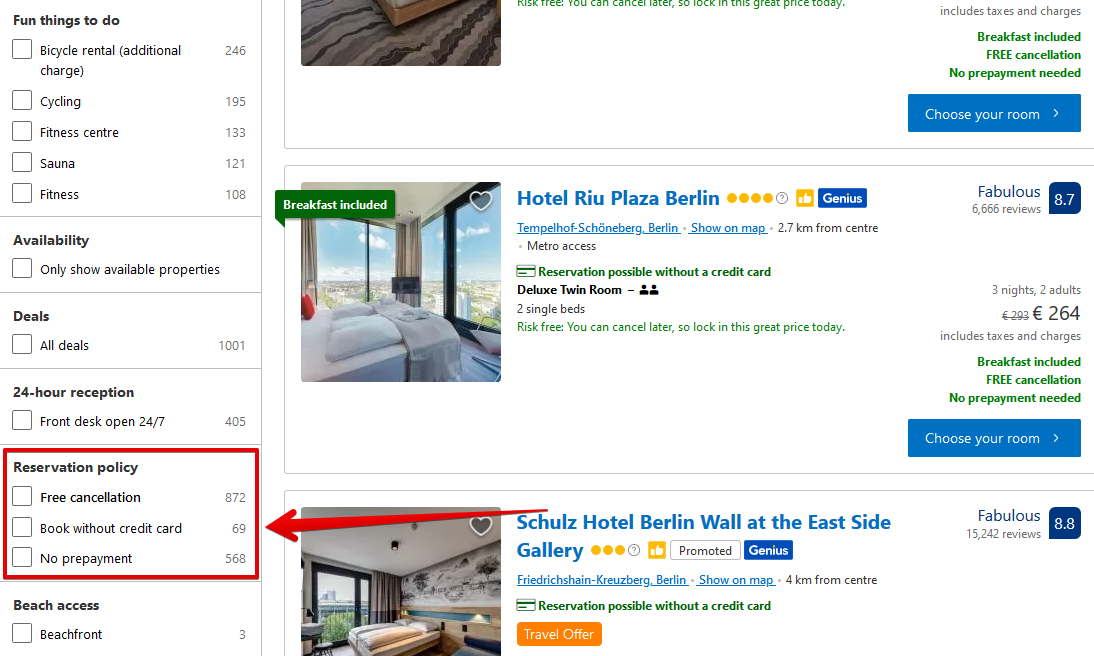
Guaranteeing the Reservation
Most major hotel chains require a credit card at the time of booking to hold the room. This is particularly prevalent in high-demand tourist hubs such as New York City or London. Even if you plan to pay for the room in cash or via a debit card upon checkout, the system often necessitates a credit card to process the “authorization hold.” This hold ensures that the guest has sufficient credit available to cover potential incidentals.
Understanding Authorization Holds
An authorization hold is not an actual charge, but rather a temporary reduction in your available credit limit. For example, if you check into the Ritz Carlton, the hotel might place a hold for the total cost of the room plus a daily allowance for incidentals, such as mini-bar usage or room service. This ensures that the hotel can collect funds if you check out without paying your final bill. Debit cards can also be used for this purpose, but they often present problems because the hold ties up your actual liquid cash, potentially causing overdrafts.
Alternatives to Traditional Credit Cards
If you do not possess a traditional credit card, your booking options are not necessarily exhausted. Many travelers successfully secure accommodation using alternative methods, provided they plan ahead and communicate with the property management.
Utilizing Debit Cards with Visa or Mastercard Logos
Debit cards issued by major banks that carry a Visa or Mastercard logo are widely accepted at many hotels. However, the experience can vary significantly between brands. While a Holiday Inn might accept a debit card without issue, some upscale properties might require an additional cash security deposit—sometimes amounting to hundreds of dollars—if you are not presenting a traditional credit card. It is imperative to call the specific property you are visiting to clarify their debit card policy.
Pre-paid Cards and Gift Cards
The use of pre-paid travel cards or reloadable debit cards is a gray area in the hotel industry. Because these cards are often not linked to a line of credit, hotels find it difficult to charge for damages discovered after a guest has departed. Consequently, many large chains, including those in Las Vegas or Dubai, may strictly prohibit the use of these cards for checking in. Always check the fine print of the booking portal before assuming a prepaid card will suffice.

Strategies for Booking Without a Credit Card
If you are determined to travel without a credit card, you must shift your strategy from spontaneous booking to proactive communication. Certain tactics can help you navigate the system successfully.
Contacting the Property Directly
The most effective way to bypass standard credit card requirements is to avoid third-party booking engines like Expedia or Booking.com and contact the hotel directly. Speak to the front desk manager or the reservations department. Explain your situation clearly. Some independent hotels or family-run pensions in Italy or Japan may be willing to accept a bank transfer or a cash deposit to secure your room.
Providing a Cash Security Deposit
In instances where a hotel is willing to accommodate a guest without a credit card, they will almost always mandate a significant cash deposit. This deposit covers the full duration of your stay plus a buffer for incidentals. Be prepared to provide this in the local currency. Remember to obtain a signed receipt for any cash deposit you provide, as this will be your only proof of payment when you are ready to check out and reclaim your funds.
Booking Through Trusted Third-Party Platforms
Some platforms have developed “book now, pay later” models that utilize services like PayPal or direct bank debits. While these platforms facilitate the payment portion of the transaction, the hotel itself may still require a physical card upon arrival for the aforementioned security hold. If you are booking through an aggregator, always cross-reference the hotel’s specific policy, as it often supersedes the terms of the booking site.
Risks and Considerations for the Credit-Card-Free Traveler
Traveling without a credit card introduces a layer of complexity that can affect your overall travel experience. Before committing to a reservation, weigh the potential drawbacks.
The Problem of Unexpected Incidentals
If you manage to check into a hotel like the Four Seasons using a debit card or cash deposit, you must be hyper-aware of your spending. If you incur charges that exceed your cash deposit—such as an expensive meal at the hotel restaurant or accidental damage to the room furnishings—the hotel will have no automated way to settle the balance. This can lead to awkward and potentially legal complications upon departure.
Limited Room Selection
It is a reality of the hospitality sector that travelers without credit cards are often restricted to lower-tier rooms or less desirable properties. High-end resorts in the Maldives or Switzerland operate on a model of high-trust and high-security, which rarely accommodates the ambiguity of cash-only or non-card-based reservations.

Refund Delays
If you use a debit card for your security deposit, keep in mind that the bank may take several business days to release the “hold” back into your account after you check out. This means that even after your trip is over, your funds may remain unavailable for a period of time. This is why credit cards are widely preferred—the hold does not affect your actual bank balance, allowing you to move on to your next destination without financial friction.
Ultimately, while you do not always need a credit card to book a hotel, having one significantly simplifies the process. Whether you are planning a business trip to Singapore or a vacation in Mexico, the credit card remains the universal key to seamless check-ins and worry-free stays. If you choose to travel without one, patience, research, and clear communication with your chosen property are your best tools for a successful journey.
LifeOutOfTheBox is a participant in the Amazon Services LLC Associates Program, an affiliate advertising program designed to provide a means for sites to earn advertising fees by advertising and linking to Amazon.com. Amazon, the Amazon logo, AmazonSupply, and the AmazonSupply logo are trademarks of Amazon.com, Inc. or its affiliates. As an Amazon Associate we earn affiliate commissions from qualifying purchases.