
The question of whether a passport is required to travel to Hawaii is a common one, often leading to confusion for many prospective travelers. Given its unique geographic location in the middle of the Pacific Ocean, thousands of miles from the North American mainland, it’s understandable why some might assume an international travel document is necessary. However, for most United States citizens, the answer is refreshingly simple: no, a passport is not required.
Hawaii holds the distinct honor of being the 50th state of the United States. This crucial fact means that travel between any of the other 49 states and Hawaii is considered domestic travel. Just as you wouldn’t need a passport to fly from California to New York, you also won’t need one for a trip to the Aloha State if you’re a U.S. citizen. This distinction is vital for planning your Hawaiian getaway, impacting not just your document preparation but also your overall travel logistics and expectations.
The misconception often arises from Hawaii’s isolated position and the perception that any journey involving a long flight over water might automatically qualify as international. However, federal regulations governing domestic air travel within the United States apply universally, including to and from Hawaii. This makes the process much simpler for millions of Americans dreaming of sun-kissed beaches, vibrant culture, and unparalleled natural beauty without the added hurdle of international border crossings.
The Simple Answer for U.S. Citizens and Domestic Travel
For U.S. citizens traveling directly from the mainland United States to Hawaii, a valid passport is not required. This rule extends to all U.S. states and territories. This means that whether you’re departing from Alaska, Florida, or any other state, the documentation needed for your flight to Honolulu, Maui, or Kauai will be the same as for any other domestic flight.
Understanding Hawaii’s Unique Status
Hawaii’s statehood is the cornerstone of this policy. As an integral part of the United States, its airports operate under the same domestic security protocols as airports in California, Texas, or Illinois. This ensures a seamless travel experience for American citizens, allowing them to focus on the excitement of their upcoming vacation rather than navigating complex international travel requirements. The journey to Hawaii is an internal one, managed by the Department of Homeland Security and the Transportation Security Administration (TSA), just like any other flight within the national borders.
The REAL ID Act and Domestic Air Travel
While a passport isn’t necessary, a valid form of identification is required for air travel. The most significant development in this area for domestic flights has been the implementation of the REAL ID Act. Enacted in 2005, the REAL ID Act established minimum security standards for state-issued driver’s licenses and identification cards and prohibits federal agencies from accepting licenses and identification cards from states that do not meet these standards for certain official purposes.
The deadline for full enforcement of the REAL ID Act has been extended several times, with the most recent deadline set for May 7, 2025. After this date, every air traveler 18 years of age and older will need a REAL ID-compliant driver’s license or another acceptable form of ID to fly within the United States, including to and from Hawaii. This means checking your state-issued ID for a star symbol, typically in the upper right corner, which indicates compliance. If your ID doesn’t have this symbol, you’ll need to use an alternative form of acceptable identification.
Required Identification for Domestic Travel to Hawaii
To board a commercial flight to Hawaii, or any other domestic destination within the United States once the REAL ID Act is fully enforced, you will need to present an acceptable form of identification at the TSA checkpoint.
Acceptable Forms of ID
Here’s a list of commonly accepted documents:
- REAL ID-Compliant State-Issued Driver’s License or Other State Photo Identity Card: This is the most common form of ID used by U.S. citizens. Ensure it has the star symbol indicating REAL ID compliance.
- U.S. Passport: While not required, a valid U.S. passport is always an acceptable form of identification for domestic air travel. It can be a convenient option if you already have one.
- U.S. Passport Card: This is a wallet-sized alternative to the passport book, valid for land and sea travel to Canada, Mexico, the Caribbean, and Bermuda, and also acceptable for domestic air travel.
- DOD ID (Common Access Card): Valid for active military personnel and their dependents.
- Permanent Resident Card (Green Card): For lawful permanent residents of the United States.
- Federally Recognized Tribal Issued Photo ID.
- DHS Trusted Traveler Cards: Such as Global Entry, NEXUS, SENTRI, or FAST cards. These expedite security screening processes.
- Foreign Government-Issued Passport: For non-U.S. citizens, this is their primary form of identification.
- Other TSA-Approved IDs: A comprehensive list is available on the official TSA website.

It’s crucial to check the expiration date of your chosen ID well in advance of your trip. An expired ID will not be accepted. Additionally, if your name on your plane ticket does not exactly match the name on your ID, you may encounter issues at the security checkpoint. Always ensure consistency across all your travel documents.
For Travelers Under 18
Children under 18 years of age traveling with an adult within the United States (including to Hawaii) are generally not required to show ID at the TSA checkpoint. However, airlines typically require proof of age for infants and sometimes for young children to verify ticket pricing or lap infant status. It’s always advisable to carry a birth certificate or other proof of age for minors, especially for infants. While not mandatory for security, it can be helpful for airline check-in or in unforeseen circumstances.
International Travelers: A Different Set of Rules
While U.S. citizens enjoy the simplicity of domestic travel to Hawaii, the rules are different for international visitors. If you are not a U.S. citizen or a lawful permanent resident, you will absolutely need a valid passport to enter the United States, and by extension, Hawaii.
Passports, Visas, and Entry Requirements
For non-U.S. citizens, entry into the United States requires a valid passport that is often valid for at least six months beyond your intended period of stay. Depending on your country of origin, you may also need a visa.
- Visa Waiver Program (VWP): Travelers from countries participating in the Visa Waiver Program can travel to the United States for tourism or business for stays of 90 days or less without obtaining a visa. However, they must obtain an approved authorization through the Electronic System for Travel Authorization (ESTA) prior to their travel. It’s crucial to apply for ESTA well in advance of your trip.
- Non-VWP Countries: Citizens of countries not part of the Visa Waiver Program must apply for a nonimmigrant visa at a U.S. embassy or consulate in their home country. The type of visa required will depend on the purpose of your visit (e.g., B-2 for tourism).
- Lawful Permanent Residents: Permanent residents of the United States (Green Card holders) do not need a passport to travel to Hawaii but must carry their valid Permanent Resident Card (Form I-551).
It is highly recommended for all international travelers to check the latest entry requirements with the U.S. Department of State or the U.S. Citizenship and Immigration Services well before booking their trip, as regulations can change.
Planning Your Dream Hawaiian Getaway
Once you’ve sorted out your identification, the real fun begins: planning your Hawaiian adventure. Hawaii offers a kaleidoscope of experiences, from bustling city life to serene natural retreats, catering to every type of traveler.
Choosing Your Island Adventure
Hawaii is an archipelago of eight main islands, each with its own distinct personality and attractions. Deciding which island (or islands) to visit is the first exciting step in tailoring your perfect trip.
-
Oahu: Bustling City Life and Iconic Landmarks
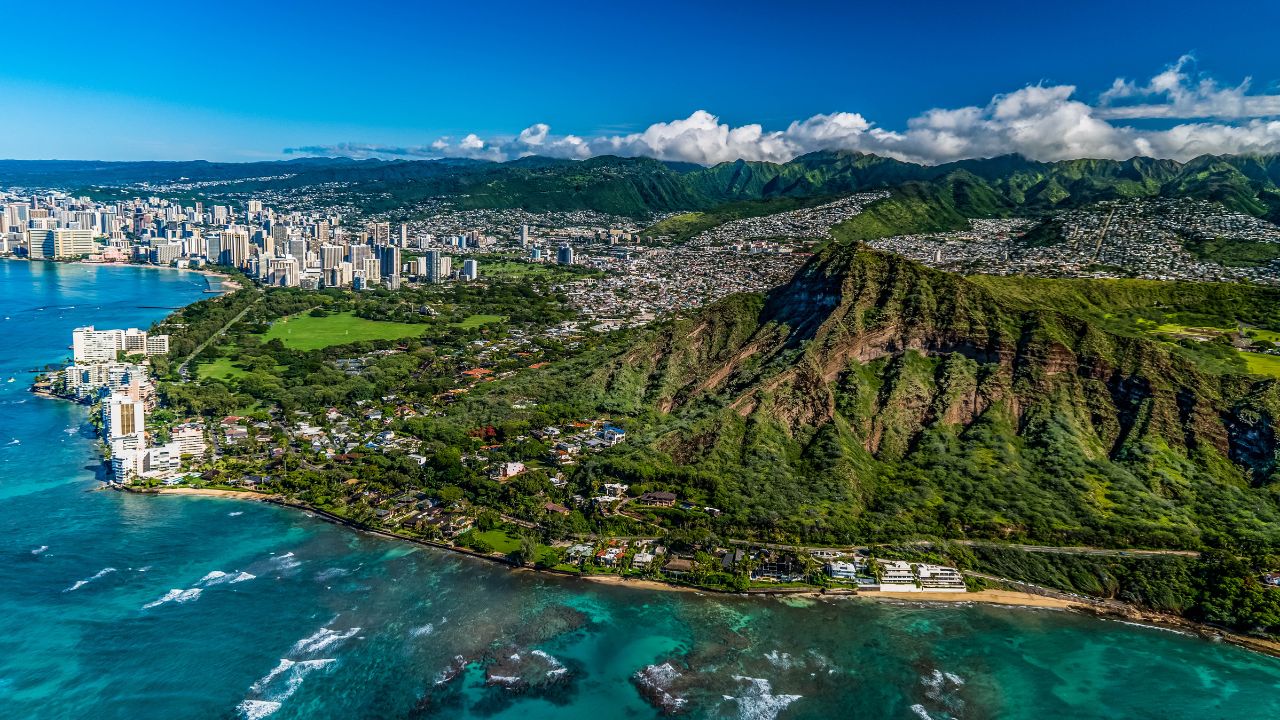
Often called “The Gathering Place,” Oahu is home to the state capital, Honolulu, and the world-famous Waikiki Beach. This island seamlessly blends urban sophistication with natural beauty. Here, you can immerse yourself in history at Pearl Harbor and the USS Arizona Memorial, hike to the summit of Diamond Head for panoramic views, or experience a luau at the Polynesian Cultural Center. Oahu offers a vibrant nightlife, world-class dining, and a wide array of accommodation options, from luxury resorts like the Halekulani to budget-friendly hotels in Waikiki. For travelers seeking a dynamic mix of culture, history, and beach activities, Oahu is an ideal choice. -
Maui: Romantic Escapes and Natural Wonders
Known as “The Valley Isle,” Maui is celebrated for its stunning beaches, luxurious resorts in areas like Wailea and Ka’anapali, and the legendary Road to Hana, a scenic drive teeming with waterfalls and lush rainforests. Sunrise at Haleakalā National Park is an unforgettable experience, as is whale watching during the winter months. Maui offers a perfect blend of adventure and relaxation, making it a favorite for honeymooners, couples, and families looking for both upscale amenities and natural exploration. Towns like Lahaina offer historical charm and vibrant art scenes. -
Kauai: The Garden Isle’s Lush Beauty
“The Garden Isle,” Kauai, lives up to its name with its dramatic cliffs, emerald valleys, and cascading waterfalls. It’s an adventurer’s paradise, offering unparalleled opportunities for hiking along the Kalalau Trail on the breathtaking Na Pali Coast, kayaking the Wailua River, or exploring Waimea Canyon, often called the “Grand Canyon of the Pacific.” Kauai provides a more laid-back, serene atmosphere, ideal for those seeking tranquility, outdoor activities, and stunning natural landscapes. The southern coast, around Poipu, offers sunny beaches and family-friendly resorts, while the North Shore is wilder and more rugged. -
Big Island: Volcanoes and Diverse Landscapes
Officially known as Hawaii Island, the “Big Island” is geographically the youngest and largest, boasting an incredible diversity of ecosystems. From the active volcanoes of Volcanoes National Park, where you might witness lava flows from Kilauea or Mauna Loa, to snow-capped peaks, black sand beaches, and lush rainforests, this island truly has it all. The Big Island offers unique experiences like stargazing from Mauna Kea, snorkeling with manta rays off Kona, and exploring coffee farms. It’s perfect for adventure travelers and those fascinated by geology and natural phenomena.
Accommodations: From Luxury Resorts to Budget-Friendly Stays
Hawaii’s accommodation landscape is as diverse as its scenery. Whether you’re planning a luxury travel experience or a budget-friendly trip, you’ll find suitable options:
- Luxury Resorts and Hotels: Islands like Maui and Oahu are renowned for their world-class resorts offering unparalleled amenities, private beaches, spas, and gourmet dining. Properties such as the Grand Hyatt Kauai Resort & Spa or the Four Seasons Resort Maui at Wailea provide an indulgent lifestyle for those seeking a pampered getaway.
- Boutique Hotels and Vacation Rentals: For a more personalized experience, boutique hotels offer unique charm and local flavor. Vacation rentals, including apartments and villas, are ideal for families or groups, providing more space and a home-away-from-home feel. Websites for accommodation booking like Airbnb or Vrbo are popular choices.
- Budget-Friendly Hotels and Hostels: Even in Hawaii, it’s possible to travel on a budget. Many areas, particularly in Honolulu, offer more affordable hotels and hostels, allowing you to experience the islands without breaking the bank. Careful comparison and reviews are key to finding the best value.
Embracing Hawaiian Culture and Activities
A trip to Hawaii is incomplete without immersing yourself in its rich local culture. From traditional luaus with hula dancing and poi tasting to learning about Hawaiian history at museums and historical sites, the islands offer deep cultural experiences. Engaging in local activities like surfing lessons on Waikiki Beach, snorkeling in vibrant coral reefs, or exploring local markets for handcrafted goods will enrich your tourism experience. Don’t forget to savor the unique Hawaiian food, a fusion of Polynesian, Asian, and American influences.
Essential Travel Tips for a Smooth Journey
To ensure a seamless and enjoyable journey, consider these practical travel tips:
- Book Flights and Accommodation in Advance: Hawaii is a popular destination, especially during peak seasons. Early booking can secure better prices and availability.
- Rent a Car: While public transportation exists on some islands, renting a car provides the most flexibility to explore hidden gems and scenic routes like the Hana Highway on Maui or the rural roads of Kauai.
- Pack Appropriately: Think light clothing, swimwear, reef-safe sunscreen, a hat, sunglasses, and comfortable walking shoes. A light jacket might be useful for cooler evenings or higher elevations (e.g., Haleakalā).
- Respect the Aina (Land): Practice responsible tourism by respecting local customs, protecting natural environments, and minimizing your impact. Pack out what you pack in, stay on marked trails, and avoid touching marine life.
- Stay Hydrated: The tropical climate can be deceiving. Drink plenty of water, especially when engaging in outdoor activities.
- Be Mindful of Inter-Island Travel: If you plan to visit multiple islands, factor in travel time between flights and research inter-island airline options. Flights between islands are short, usually 30-45 minutes.

Beyond the Documents: Ensuring a Memorable Hawaiian Experience
While the primary concern about needing a passport for Hawaii is easily resolved for U.S. citizens, the true essence of a Hawaiian trip lies in meticulous planning and an open heart for exploration. The islands are not just a collection of beautiful beaches; they are a vibrant tapestry of indigenous culture, diverse ecosystems, and a rich history. Understanding and respecting the local traditions, the spirit of Aloha, and the delicate natural environment will elevate your visit from a mere vacation to a truly profound experience.
From the historic battlefields of Pearl Harbor on Oahu to the active volcanic landscapes of Volcanoes National Park on the Big Island, and from the breathtaking cliffs of Kauai’s Na Pali Coast to Maui’s serene Hana Highway, Hawaii offers a destination for every preference. Whether you’re seeking adventurous hikes, tranquil beach days, a deep dive into local culture, or simply a relaxing escape at a luxury resort, the islands deliver.
Ultimately, for United States citizens, traveling to Hawaii is as straightforward as any domestic journey, requiring only a REAL ID-compliant identification document. For international visitors, standard U.S. entry requirements apply. With this essential information clarified, you can now shift your focus entirely to crafting the perfect itinerary, selecting your ideal accommodation, and preparing to embrace the unparalleled beauty and spirit of Aloha that awaits you in Hawaii. Start dreaming, start planning, and get ready for an unforgettable adventure to one of the world’s most enchanting destinations.
LifeOutOfTheBox is a participant in the Amazon Services LLC Associates Program, an affiliate advertising program designed to provide a means for sites to earn advertising fees by advertising and linking to Amazon.com. Amazon, the Amazon logo, AmazonSupply, and the AmazonSupply logo are trademarks of Amazon.com, Inc. or its affiliates. As an Amazon Associate we earn affiliate commissions from qualifying purchases.