
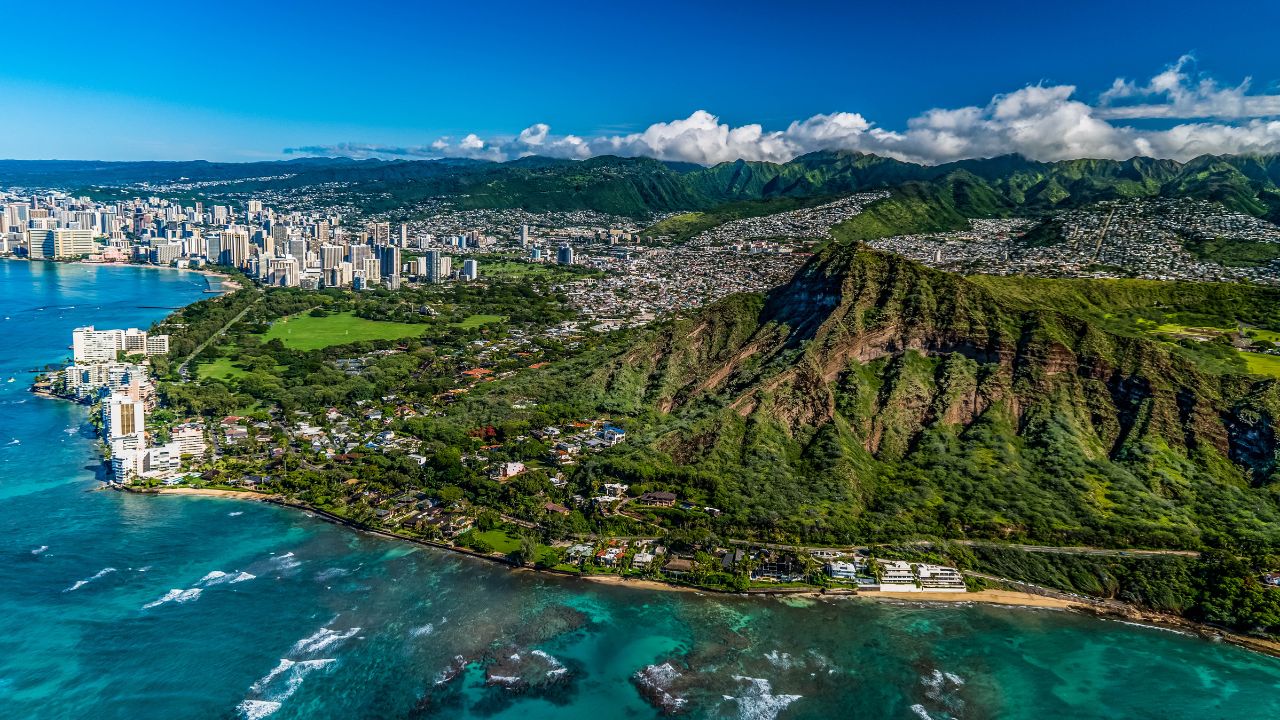
The allure of the Hawaiian Islands – with their pristine beaches, lush landscapes, and vibrant culture – beckons millions of travelers each year. Often described as a paradise on Earth, it’s a dream destination for many seeking sun, surf, and unforgettable experiences. However, a common question arises for those planning a trip from the mainland United States: do you need a passport to go to Hawaii? For many, the answer is a resounding and reassuring no, but understanding the nuances of travel documentation is crucial for a smooth journey.
As an integral part of the United States, Hawaii is considered a domestic travel destination for U.S. citizens and permanent residents. This means that the requirements for entering Hawaii are the same as traveling from one state to another on the mainland. While a passport is always a valid form of identification for air travel, it is not a mandatory requirement for domestic flights, including those to and from the Aloha State. This guide will delve into the specific documentation you’ll need, clarify who might require a passport, and offer essential tips for planning your perfect Hawaiian escape.
The Simple Answer for U.S. Citizens
For citizens of the United States traveling directly from another U.S. state or territory, a passport is not required to enter Hawaii. This applies whether you’re departing from California, New York, Texas, or any other state within the union. Since Hawaii achieved statehood in 1959, travel between it and the rest of the nation has been considered domestic, just like flying from Florida to Alaska.
The primary concern for domestic air travel is identity verification by the Transportation Security Administration (TSA). Their role is to ensure the safety and security of the traveling public, which includes confirming the identity of every passenger. While a passport is an internationally recognized and robust form of identification, the TSA accepts a range of other government-issued IDs for domestic flights.
Acceptable Forms of ID for Domestic Travel
To board a flight to Hawaii, U.S. citizens and permanent residents need to present a valid form of photo identification. The most commonly accepted documents include:
- State-issued Driver’s License or ID Card: As of May 7, 2025, travelers 18 and older will need a REAL ID Act compliant driver’s license or other acceptable forms of identification to fly within the United States. It’s crucial to check if your state-issued ID is REAL ID Act compliant, often indicated by a star at the top of the card.
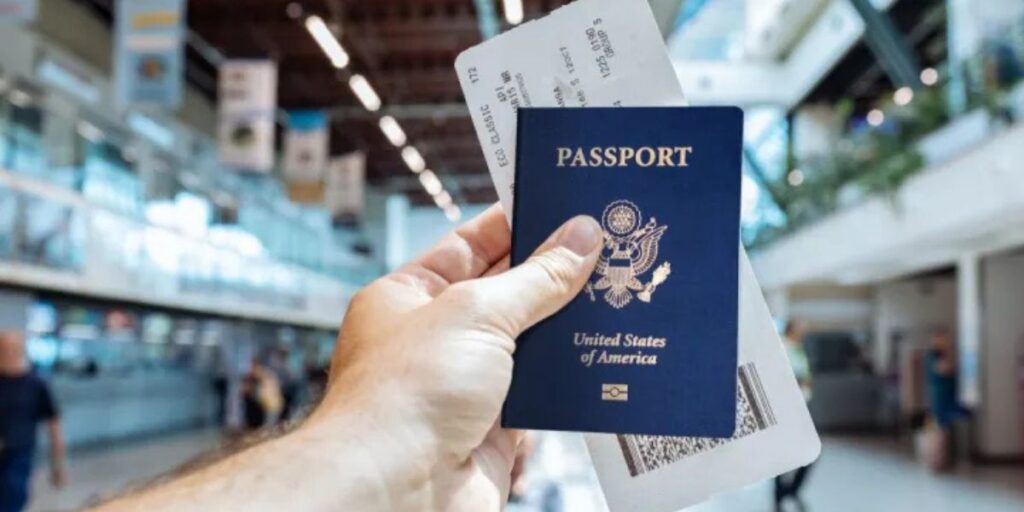
- U.S. Passport or Passport Card: While not required, these are perfectly acceptable and often preferred for their robustness.
- U.S. Military ID: For service members and their families.
- Permanent Resident Card (Green Card): For lawful permanent residents of the United States.
- Other TSA-approved IDs: A comprehensive list is available on the official TSA website, which includes tribal IDs, DHS trusted traveler cards (Global Entry, NEXUS, SENTRI, FAST), and more.
It’s always recommended to double-check the latest TSA guidelines before your trip, especially if you plan to travel close to the REAL ID Act enforcement deadline or have an expiring ID. Ensuring your identification is current and compliant will prevent any last-minute stress at the airport.
Why No Passport is Needed
The reason a passport isn’t necessary for U.S. citizens to travel to Hawaii stems from its status as a U.S. state. The sovereignty of the United States extends fully to Hawaii, making internal travel just that – internal. There are no international borders to cross, no customs or immigration checkpoints between the mainland and the islands. This is in stark contrast to international destinations like Mexico or Canada, even though they might be geographically closer to parts of the United States.
This domestic travel status also applies to other U.S. territories, such as Puerto Rico, Guam, the U.S. Virgin Islands, American Samoa, and the Northern Mariana Islands. For U.S. citizens, travel to these destinations also falls under domestic regulations, negating the need for a passport. This simplifies travel planning significantly, allowing more Americans to explore the diverse beauty of their own nation without the added step of applying for international travel documents.
What About International Travelers or Non-U.S. Citizens?
While U.S. citizens enjoy the convenience of domestic travel to Hawaii without a passport, the situation is different for international travelers or non-U.S. citizens. For these individuals, the journey to Hawaii inherently involves entering the United States first, which always requires a valid passport and, in most cases, a visa or an approved travel authorization like ESTA (Electronic System for Travel Authorization).
Entry Requirements for the United States
Any non-U.S. citizen wishing to visit Hawaii must first meet the general entry requirements for the United States. This typically includes:
- A Valid Passport: Your passport must be valid for at least six months beyond your intended period of stay in the United States.
- A Valid Visa (if required): Depending on your nationality and the purpose of your visit, you may need to obtain a visa from a U.S. embassy or consulate in your home country. Common visa types for tourism include B-2 visas.
- ESTA Authorization (for Visa Waiver Program countries): Citizens of countries participating in the Visa Waiver Program (VWP) can travel to the United States for tourism or business for stays of 90 days or less without a visa, provided they obtain an approved ESTA authorization prior to their departure.
- Proof of Onward or Return Travel: Visitors may be asked to show proof of their intention to leave the United States at the end of their authorized stay.
It’s important to note that even if you initially entered the United States through a mainland airport and then plan a subsequent flight to Hawaii, your international travel documents are still critical. You will always need your passport when traveling internationally, and while your flight from, say, Los Angeles to Honolulu is domestic, your overall immigration status in the U.S. hinges on those documents.
Traveling to Hawaii as a Non-Citizen
Once a non-U.S. citizen has successfully entered the United States and complied with all immigration requirements, their subsequent flight to Hawaii from a U.S. mainland airport follows the same domestic travel rules as for U.S. citizens. This means they will need a TSA-acceptable form of identification. For most international visitors, their foreign passport is the most convenient and universally accepted document for this purpose.
While a foreign passport is the primary document, permanent residents of the United States would use their Permanent Resident Card (Green Card) along with a state-issued ID, just like U.S. citizens. Essentially, the journey to Hawaii for non-citizens is a two-step process: first, gain lawful entry into the United States using appropriate international travel documents, and second, present a TSA-acceptable ID for the domestic flight to the islands. Always keep all your travel documents, including your passport, visa, or ESTA approval, readily accessible, even for domestic legs of your journey, as they are proof of your legal status within the country.
Essential Documents for Your Hawaiian Getaway (Beyond the Passport Question)
While the passport question for U.S. citizens flying to Hawaii is settled, there are other important documents and considerations to keep in mind to ensure your trip is hassle-free. Proper planning and organization of your travel documents will allow you to focus on enjoying the stunning landscapes and vibrant culture that Hawaii has to offer.
Identification for Air Travel
As discussed, your valid driver’s license (preferably REAL ID Act compliant) or state-issued ID card will suffice for boarding your flight. However, having a secondary form of identification, such as a credit card or a work ID, can be beneficial in rare cases where there are issues with your primary ID. For families traveling with minors, children under 18 generally do not need to show ID when traveling with an adult companion within the U.S., but it’s always wise to have birth certificates or other proof of age on hand.
Remember, even if you’re a U.S. citizen, if you possess a valid U.S. passport, it’s an excellent primary form of ID to use for air travel. It’s universally recognized, highly secure, and often makes the screening process a bit smoother due to its clear governmental authorization. Plus, it’s handy to have if you decide to take an impromptu cruise that crosses international waters during your stay, or if you need to prove your identity for other reasons during your trip.

Documents for Car Rentals, Hotel Stays, and Other Activities
Beyond the airport, you’ll need identification for various aspects of your trip.
- Car Rentals: A valid driver’s license from your home state or country is essential. Many rental agencies also require a major credit card in the driver’s name. Check the age requirements as well, as some companies have surcharges for drivers under 25.
- Hotel Check-ins: Most hotels will require a valid photo ID (like your driver’s license or passport) and a credit card for incidentals. Make sure the name on your ID matches your reservation. If you’ve made a booking through a third-party site, having a printout or digital confirmation of your reservation can also expedite the check-in process at resorts like the Hilton Hawaiian Village Waikiki Beach Resort or the luxurious Four Seasons Resort Maui at Wailea.
- Activities and Excursions: For certain activities, such as scuba diving, boat tours, or some adventure sports, you might be asked for ID to verify age or for liability waivers. Having your driver’s license or passport accessible is a good practice.
- Health and Insurance: While not strictly travel documents, it’s wise to carry your health insurance card and any relevant medical information, especially if you have pre-existing conditions. Consider travel insurance, which can protect against unexpected cancellations, medical emergencies, or lost luggage.
Tips for Keeping Your Documents Safe
Protecting your vital documents throughout your Hawaiian vacation is paramount.
- Make Copies: Keep digital copies (on your phone or cloud storage) and physical photocopies of your IDs, passport (if applicable), flight itineraries, and hotel reservations. Store these separately from the originals.
- Secure Storage: Use your hotel’s safe or a secure bag for your passport and other non-essential documents when you’re out exploring. Only carry what you need for the day.
- Be Mindful of Your Wallet/Purse: In crowded areas like Waikiki Beach, always be aware of your belongings.
- Report Lost/Stolen Documents Immediately: If your ID or passport is lost or stolen, report it to local police and, for passports, to the nearest U.S. embassy or consulate (though unlikely to be needed within the U.S. states, knowing the procedure is always good practice).
Planning Your Dream Hawaiian Vacation
With the documentation sorted, your focus can now shift to crafting an unforgettable journey through the islands. Hawaii offers a kaleidoscope of experiences, from thrilling adventures to serene relaxation, catering to all types of travelers, be it families, honeymooners, or solo explorers.
Choosing Your Island Adventure
Hawaii is made up of several main islands, each with its unique charm and attractions.
- Oahu: The Gathering Place – Home to the state capital, Honolulu, and the famous Waikiki Beach, Oahu offers a blend of urban sophistication and natural beauty. Visit historic Pearl Harbor and the USS Arizona Memorial, hike up Diamond Head for panoramic views, or experience Hawaiian culture at the Polynesian Cultural Center.
- Maui: The Valley Isle – Known for its stunning beaches, luxurious resorts in areas like Lahaina and Kaanapali Beach, and the scenic Hana Highway. Witness breathtaking sunrises from Haleakala Crater or go whale watching during winter months.
- Kauai: The Garden Isle – This island is a haven for nature lovers, boasting dramatic cliffs of the Na Pali Coast, the “Grand Canyon of the Pacific” (Waimea Canyon), and lush rainforests. Ideal for hiking, kayaking, and exploring unspoiled landscapes, with charming towns like Princeville and Poipu offering excellent stays at resorts such as Grand Hyatt Kauai Resort & Spa.
- Big Island (also known as Hawaii Island): The Orchid Isle – The largest of the islands, Big Island is home to the active volcanoes within Hawaii Volcanoes National Park, the snow-capped peak of Mauna Kea, and black sand beaches. You can explore the vibrant town of Kona on the drier west side or the lush Hilo region with its beautiful waterfalls like Akaka Falls.
Consider your interests and the length of your trip when deciding which island (or islands) to visit. Inter-island flights are frequent but can add to your budget and travel time.
Accommodation Options in Paradise
Hawaii offers a spectrum of accommodation options to suit every budget and travel style, from luxurious five-star resorts to cozy bed and breakfasts, and vacation rentals.
- Resorts & Hotels: Expect world-class amenities, stunning ocean views, and impeccable service at properties like The Royal Hawaiian in Waikiki or family-friendly options with multiple pools and dining establishments. Many resorts offer cultural activities, spa services, and direct beach access.
- Vacation Rentals: For those seeking more space, privacy, or a local experience, apartments, condos, and villas are popular, especially for longer stays or family trips. This option often includes kitchens, which can help save on dining expenses.
- Boutique Hotels & Guesthouses: These typically offer a more intimate and personalized experience, often reflecting the local charm and character of the island.
- Budget-Friendly Stays: Hostels, smaller hotels away from major tourist hubs, or camping (with permits) can be excellent options for budget-conscious travelers.
Booking in advance is highly recommended, especially during peak seasons (winter, spring break, summer holidays), to secure the best rates and desired locations. Compare options across different platforms and read reviews to find the perfect fit for your Hawaiian dream.
Embracing Hawaiian Culture and Activities
Beyond the beautiful scenery, Hawaii offers a rich tapestry of culture and activities.
- Food: Savor local delicacies like poke, fresh seafood, kalua pig, and shave ice. Explore farmers’ markets and food trucks for authentic flavors.
- Activities: Learn to surf on Waikiki Beach, snorkel in vibrant coral reefs, hike through volcanic landscapes, or simply relax on a pristine beach. Helicopter tours offer unparalleled aerial views of the islands’ dramatic terrain.
- Culture: Attend a traditional luau with hula dancing and Hawaiian music, visit historical sites, or learn a few basic Hawaiian phrases. Engaging with the local culture enriches your travel experience significantly.
- Responsible Tourism: Practice “Leave No Trace” principles, respect sacred sites, and support local businesses to ensure Hawaii’s beauty and culture are preserved for future generations.
In conclusion, for U.S. citizens traveling from the mainland, a passport is not a prerequisite for visiting the stunning islands of Hawaii. A valid, TSA-compliant photo ID is all you need for your flight. However, for international travelers, a passport and appropriate U.S. entry documents are always necessary. Regardless of your citizenship, careful planning of your travel documents and itinerary will set the stage for an unforgettable adventure in this truly unique American paradise.
LifeOutOfTheBox is a participant in the Amazon Services LLC Associates Program, an affiliate advertising program designed to provide a means for sites to earn advertising fees by advertising and linking to Amazon.com. Amazon, the Amazon logo, AmazonSupply, and the AmazonSupply logo are trademarks of Amazon.com, Inc. or its affiliates. As an Amazon Associate we earn affiliate commissions from qualifying purchases.