
The allure of sun-drenched beaches, vibrant volcanic landscapes, and the warm embrace of Aloha spirit makes Hawaii a dream destination for many. Before you start packing your bags and perfecting your hula moves, a fundamental question often arises: do you need a passport to visit this Pacific paradise? The answer, like many travel queries, depends entirely on where you’re starting your journey and your citizenship. For the vast majority of travelers within the United States, the good news is that a passport is generally not required. However, for international visitors, standard international travel rules apply. This comprehensive guide will navigate the necessary documentation, clarify common misconceptions, and offer insightful tips for a smooth and enjoyable trip to the Aloha State.
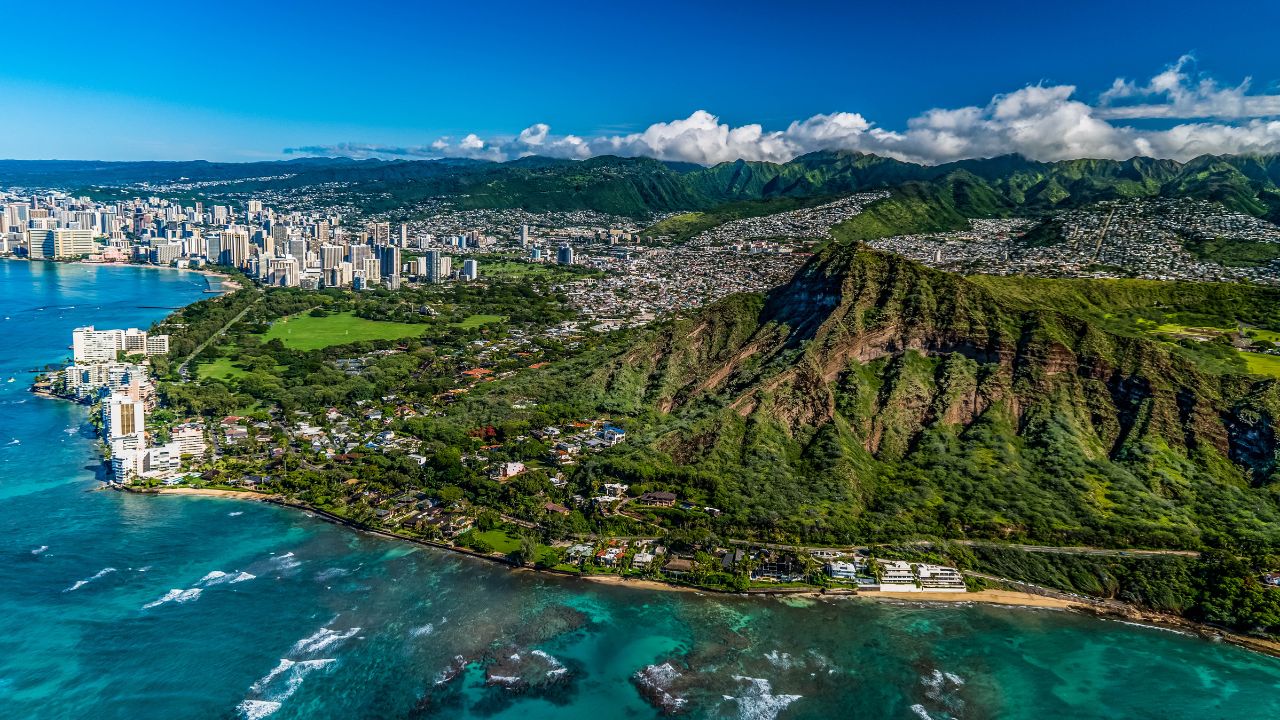
Hawaii: A Domestic Paradise
Understanding Hawaii’s geographical and political status is key to comprehending its travel requirements. Far removed from the continental United States, Hawaii often feels like an exotic, foreign land. Yet, it remains an integral part of the U.S., and this distinction profoundly impacts travel regulations.
Hawaii’s Status as a U.S. State
Hawaii officially became the 50th state of the United States of America on August 21, 1959. This means that travel between any of the other 49 states and Hawaii is considered domestic travel, akin to flying from California to New York or Florida to Texas. As such, U.S. citizens and lawful permanent residents are generally not required to present a passport when traveling to Hawaii directly from another U.S. state or territory. The principles of domestic air travel apply, focusing on identity verification rather than international border crossings.
What Constitutes Domestic Travel in the U.S.?
Domestic travel within the United States typically involves flights that originate and terminate within U.S. sovereign territory, which includes all 50 states, the District of Columbia, and U.S. territories such as Puerto Rico, the U.S. Virgin Islands, Guam, and American Samoa. For these flights, the primary concern for airport security, managed by the Transportation Security Administration (TSA), is to verify the identity of the traveler. This process ensures the safety and security of the aviation system by confirming that the person boarding the aircraft is indeed who they claim to be. There are no customs or immigration checkpoints when traveling from the mainland U.S. to Hawaii, mirroring any other domestic flight experience.
Essential Documents for U.S. Citizens Traveling to Hawaii
While a passport isn’t mandatory for U.S. citizens traveling to Hawaii from the mainland, a valid form of identification is absolutely essential. The TSA has specific requirements for acceptable IDs, primarily driven by the REAL ID Act.
Acceptable Forms of Identification
For air travel within the United States, the TSA accepts a variety of government-issued photo identification documents. These include:
- State-issued Driver’s License or ID Card: As long as it is compliant with the REAL ID Act.
- U.S. Passport or Passport Card: While not required, these are always accepted and can expedite the security process.
- DOD ID Card: For military personnel and their dependents.
- Permanent Resident Card (Green Card): For lawful permanent residents of the U.S..
- Border Crossing Card: For citizens of Mexico and Canada with specific travel privileges to the U.S..
- Tribal Photo ID: For members of federally recognized Native American tribes.
- HSPD-12 PIV Card: For federal employees and contractors.
- TSA PreCheck enrollment card: For members of the TSA PreCheck program.
- Foreign Government-Issued Passport: For non-U.S. citizens who are legally residing in the U.S..
It’s crucial to ensure your chosen ID is current and unexpired. The name on your ID must match the name on your airline ticket exactly.
REAL ID Act Compliance
The REAL ID Act, passed by Congress in 2005, established minimum security standards for state-issued driver’s licenses and identification cards. Since May 7, 2025 (after several extensions), every traveler 18 years of age and older will need a REAL ID compliant driver’s license or identification card, or another acceptable form of ID, to fly within the United States, including to Hawaii.
A REAL ID compliant card is typically marked with a star in the upper right-hand corner. If your state-issued ID is not REAL ID compliant, you will need to present an alternative acceptable form of identification, such as a U.S. passport or military ID. It’s highly recommended to check your state’s Department of Motor Vehicles website well in advance of your trip to confirm your ID’s compliance status and update it if necessary.
Special Considerations for Minors
Children under the age of 18 traveling with an adult within the United States (including to Hawaii) are not required by the TSA to present identification. However, airlines may have their own policies, and it’s always wise to carry proof of age, such as a birth certificate, especially if the child looks older than their actual age.

For minors traveling alone, or with adults who are not their legal guardians, airlines often have stricter requirements. These can include carrying an unaccompanied minor form, a letter of consent from parents or legal guardians, and the contact information for the adult picking them up at the destination. Always check with your specific airline regarding their policies for minors traveling without their parents or guardians.
International Travelers and Visiting Hawaii
For those traveling to Hawaii from outside the United States, the requirements are the same as for entering any other U.S. state or territory. This means a valid passport is absolutely mandatory, and in most cases, a visa or an approved Electronic System for Travel Authorization (ESTA) will also be necessary.
Visa and Passport Requirements for Non-U.S. Citizens
Every non-U.S. citizen entering the United States must possess a valid passport, regardless of their country of origin. Additionally, most foreign nationals will need a visa issued by the U.S. Department of State. The type of visa required depends on the purpose of your travel (e.g., tourism, business, study). It’s crucial to apply for your visa well in advance of your travel dates, as the process can take several weeks or even months.
Travelers from countries not participating in the Visa Waiver Program (VWP) must obtain a visa. Ensure your passport is valid for at least six months beyond your intended period of stay in the United States to avoid any issues upon entry.
ESTA Program and Visa Waivers
The Visa Waiver Program (VWP) allows citizens of certain countries to travel to the United States for tourism or business for stays of 90 days or less without obtaining a visa. However, travelers under the VWP must first obtain an approved ESTA (Electronic System for Travel Authorization) prior to boarding a carrier to the United States.
The ESTA application is submitted online and usually provides an almost immediate decision. It is valid for two years or until your passport expires, whichever comes first, and allows for multiple entries into the U.S. during its validity. It’s recommended to apply for ESTA at least 72 hours before your departure, though immediate approval is common. Travelers from VWP countries still require a valid passport.
Customs and Immigration Procedures
Upon arrival in Hawaii from an international destination, foreign nationals will undergo standard U.S. Customs and Border Protection (CBP) procedures. This involves presenting your passport (and visa or ESTA approval), being interviewed by a CBP officer, and potentially having your luggage inspected. The main international airport in Hawaii is Daniel K. Inouye International Airport (HNL) in Honolulu, Oahu, which serves as the primary port of entry. Other airports like Kahului Airport on Maui also handle international arrivals. It’s crucial to declare all dutiable items and any agricultural products, as Hawaii has strict biosecurity laws to protect its unique ecosystem.
Planning Your Trip to the Aloha State
Once you’ve sorted out your documentation, the real fun of planning your Hawaii adventure begins. Beyond the paperwork, there are several practical considerations to ensure your journey to the Aloha State is as seamless and memorable as possible.
Beyond Documents: Practical Travel Tips
- Book Flights and Accommodation in Advance: Hawaii is a popular destination, especially during peak seasons. Booking your flights and hotels well ahead of time can secure better prices and availability. Consider staying in different islands to experience the diverse landscapes, from the bustling shores of Waikiki on Oahu to the serene beaches of Kauai.
- Rental Car Reservations: Public transportation is limited on most Hawaiian islands, making a rental car almost essential for exploring. Reserve one early, particularly for popular islands like Maui and the Big Island (Island of Hawaii).
- Inter-Island Travel: If you plan to visit multiple islands, you’ll need to book inter-island flights. Hawaiian Airlines and Mokulele Airlines are the primary carriers.
- Pack Appropriately: Think light clothing, swimwear, reef-safe sunscreen, a hat, sunglasses, and comfortable walking shoes. A light jacket for cooler evenings or higher elevations (like Haleakala National Park on Maui or Mauna Kea on the Big Island) is also a good idea.
- Respect Local Culture and Environment: The Hawaiian culture is rich and unique. Embrace the “Aloha spirit” by being respectful of local customs, traditions, and the pristine natural environment. Observe signs, stay on marked trails, and practice responsible tourism.
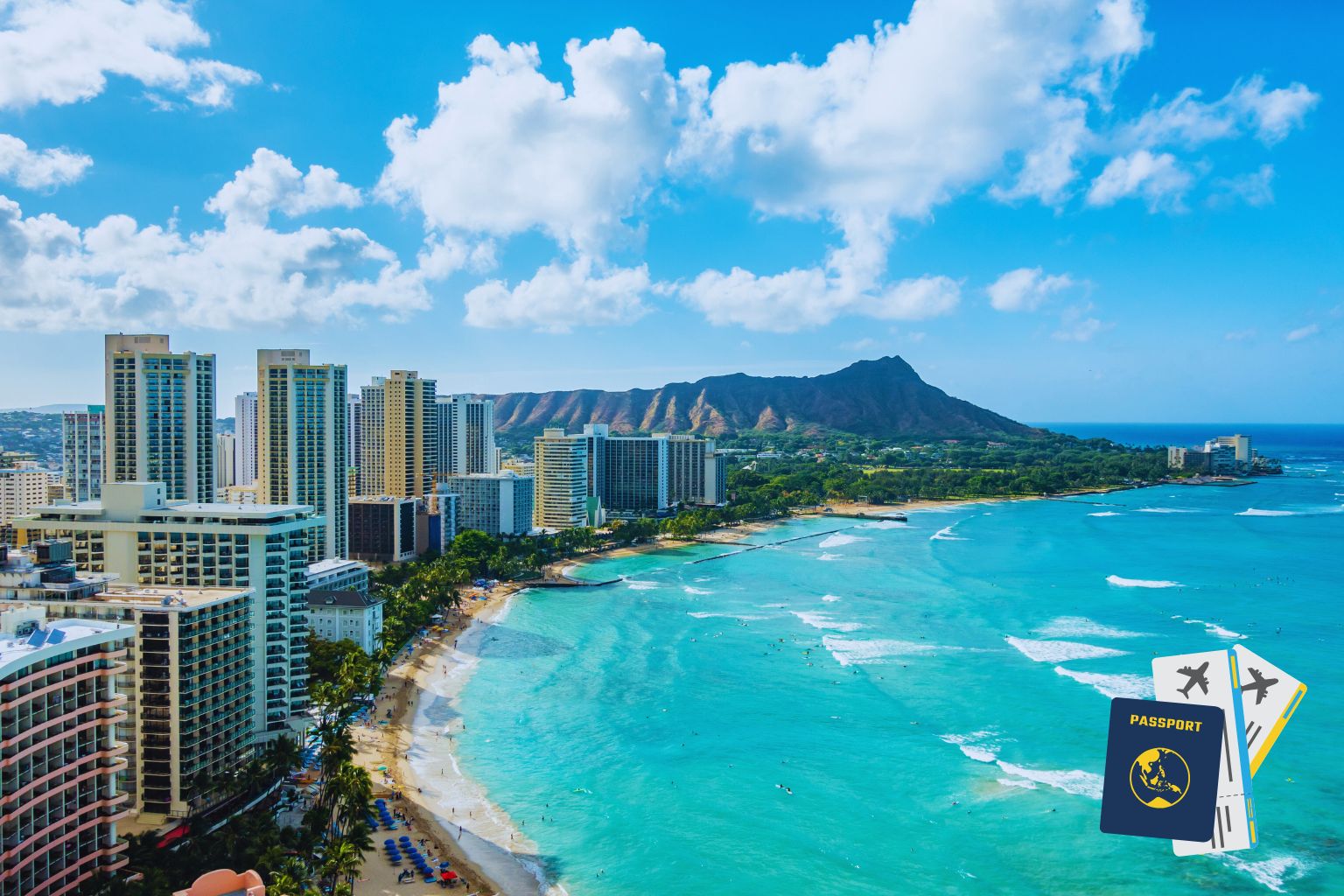
Popular Destinations and Experiences in Hawaii
Each Hawaiian island offers its own distinct charm and a plethora of activities.
- Oahu: Known as “The Gathering Place,” Oahu is home to Honolulu, the iconic Waikiki Beach, historic Pearl Harbor, and the challenging hike up Diamond Head. It blends metropolitan vibrancy with stunning natural beauty and world-class surfing on the North Shore.
- Maui: Often called “The Valley Isle,” Maui offers diverse landscapes. Visitors can witness spectacular sunrises from the summit of Haleakala, drive the scenic Road to Hana, or relax on its numerous pristine beaches, including Ka’anapali and Wailea.
- Kauai: “The Garden Isle” is famous for its lush, emerald valleys, dramatic cliffs of the Na Pali Coast, and the breathtaking Waimea Canyon. It’s a haven for outdoor enthusiasts seeking hiking, kayaking, and helicopter tours. The charming town of Lihue is the main hub.
- Big Island (Island of Hawaii): This island is truly “The Orchid Isle” or “Volcano Isle” due to its incredible geological diversity. It is home to Hawaii Volcanoes National Park, where you might witness active lava flows. You can explore black sand beaches, coffee farms in Kona, and lush rainforests near Hilo.
In conclusion, for U.S. citizens and permanent residents, a passport is not required for travel to Hawaii. A REAL ID compliant driver’s license or another acceptable TSA document will suffice. However, for all international travelers, a valid passport is essential, along with the necessary visa or an approved ESTA. By understanding and preparing the correct documentation, you ensure a smooth and worry-free journey to experience the unforgettable beauty and culture of Hawaii. Safe travels to paradise!
LifeOutOfTheBox is a participant in the Amazon Services LLC Associates Program, an affiliate advertising program designed to provide a means for sites to earn advertising fees by advertising and linking to Amazon.com. Amazon, the Amazon logo, AmazonSupply, and the AmazonSupply logo are trademarks of Amazon.com, Inc. or its affiliates. As an Amazon Associate we earn affiliate commissions from qualifying purchases.