
Navigating the world of travel, especially when it comes to budgeting and etiquette, can often present a labyrinth of unspoken rules and evolving customs. One question that frequently arises for travelers planning a getaway to an all-inclusive resort is the often-debated practice of tipping. While the allure of an all-inclusive package promises a worry-free experience where meals, drinks, and often activities are covered upfront, the question of whether to tip, and how much, remains a persistent point of consideration for many. This exploration delves into the nuances of tipping at all-inclusive resorts, offering guidance to ensure a seamless and respectful experience for both guests and the dedicated staff who contribute to the magic of these destinations.
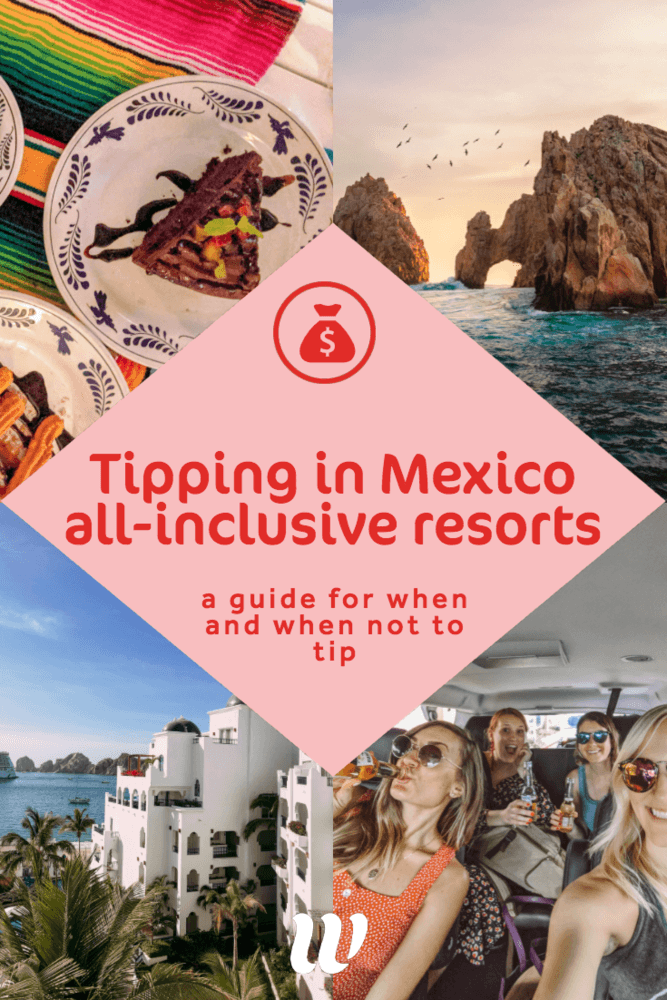
Understanding the All-Inclusive Model and its Impact on Tipping
The fundamental concept of an all-inclusive resort is to bundle the majority of vacation costs into a single upfront price. This model, popular in destinations like the Caribbean and Mexico, aims to provide guests with a predictable budget and a hassle-free experience. However, the interpretation of “all-inclusive” can vary significantly from one resort to another, and this variability directly influences the expectations and norms surrounding gratuities.
What’s Typically Included?
Generally, an all-inclusive package covers:
- Accommodation: Your room or suite.
- Meals: All meals at the resort’s restaurants, from breakfast buffets to à la carte dining.
- Beverages: Alcoholic and non-alcoholic drinks, often including a selection of premium brands.
- Activities and Entertainment: Non-motorized water sports, fitness classes, evening shows, and sometimes kids’ clubs.
This comprehensive offering leads some travelers to believe that all services are covered, negating the need for additional tips. The resort’s pricing structure is designed to incorporate the cost of labor and services into the overall package.
The Hidden Costs and Service Excellence
Despite the inclusive nature, the reality on the ground often tells a different story. Many resort staff members, particularly those in service roles such as bartenders, servers, housekeepers, and porters, rely on tips to supplement their base wages. In some regions, particularly in countries with a strong tipping culture, wages for hospitality workers are set with the expectation of gratuities. While the resort may have factored in a general service charge, this often does not translate into substantial individual earnings for many employees.
Moreover, exceptional service is a cornerstone of memorable travel experiences. The attentive bartender who remembers your favorite cocktail, the server who goes the extra mile to accommodate a dietary request, or the housekeeper who keeps your room immaculate – these individuals contribute significantly to guest satisfaction. Tipping becomes a tangible way to acknowledge and reward this personalized service and dedication, going beyond the standard expectations of the all-inclusive model.
Regional Variations and Resort Policies
The practice of tipping is not monolithic. It’s heavily influenced by the destination country’s customs and the specific policies of the resort chain. A one-size-fits-all approach to tipping can lead to either under-tipping, potentially offending staff, or over-tipping, unnecessarily inflating your vacation costs.
Tipping Culture by Destination
- Caribbean Nations: In many Caribbean islands like Jamaica, the Dominican Republic, and St. Lucia, tipping is a customary and appreciated practice. While some resorts may include a service charge, it’s common and recommended to tip individuals for excellent service.
- Mexico: Similarly, in popular Mexican resort towns such as Cancun, the Riviera Maya, and Puerto Vallarta, tipping is expected for good service. The culture is generally more aligned with U.S. tipping norms.
- Other Destinations: Resorts in other parts of the world, such as parts of Europe or Asia, may have different customs. In some European countries, service charges are often included, and additional tipping is less expected, though still appreciated for outstanding service.
Resort-Specific Policies

It is crucial to check the specific policies of the all-inclusive resort you are visiting. Many resorts will provide information on their website or in their welcome materials regarding tipping. Some resorts operate on a “no-tipping required” policy, genuinely aiming to cover all staff wages adequately. However, even in such cases, discreet tipping for exceptional service is often still well-received. Conversely, some resorts may have a tipping pool system where tips are collected and distributed among staff. Understanding these policies can guide your tipping decisions.
Practical Guidance: Who, When, and How Much to Tip
For those who choose to tip, or find it expected, the practicalities can still be a source of confusion. This section provides actionable advice on navigating the common tipping scenarios at an all-inclusive resort.
Key Staff Members to Consider Tipping
- Porters/Bellhops: Upon arrival, when they assist with your luggage.
- Housekeeping Staff: Daily or at the end of your stay, for maintaining your room.
- Bartenders: Per drink for excellent service, or at the end of a service period (e.g., a few drinks at the pool bar).
- Servers (Buffet and À la Carte): At each meal, or at the end of the meal for exceptional service.
- Concierge/Guest Services: For significant assistance with bookings or problem resolution.
- Spa Staff: After receiving a treatment.
- Tour Operators/Activity Guides: If you book excursions through the resort or participate in organized resort activities.
- Shuttle Drivers: If they provide direct assistance or a particularly pleasant ride.
Recommended Tipping Amounts (General Guidelines)
These are approximate and can be adjusted based on service quality and your budget. It’s often best to tip in the local currency or U.S. dollars, as these are widely accepted in many popular tourist destinations.
- Porters/Bellhops: $1-$2 per bag.
- Housekeeping Staff: $2-$5 per day, left in the room (often with a small note of thanks). Some prefer to tip at the end of their stay.
- Bartenders: $1-$2 per drink, or $10-$20 at the end of a day or evening for consistent good service.
- Servers (Buffet): $2-$5 per meal, especially if they provide personalized service (e.g., bringing drinks to your table).
- Servers (À la Carte): 10-15% of the bill (if not already included in the service charge), or $5-$10 per person for exceptional service at dinner.
- Concierge/Guest Services: $5-$20, depending on the complexity of the request.
- Spa Staff: 15-20% of the treatment cost.
- Tour Operators/Activity Guides: $5-$10 per person for a half-day tour, $10-$20 for a full-day tour.
Tips for Effective Tipping
- Carry Small Bills: Having smaller denominations of local currency or U.S. dollars makes tipping convenient.
- Tip for Excellent Service: While general tipping is appreciated, focus your larger tips on staff who go above and beyond.
- Personalize Your Tips: If you consistently receive great service from a particular staff member, consider a more significant tip for them.
- Read Resort Information: Always check the resort’s specific guidelines. Some may have a pre-paid service charge that covers many staff.
- When in Doubt, Ask: If you are unsure, discreetly ask the concierge or guest services about the tipping policy.
- The Power of a Smile and a “Thank You”: A genuine appreciation, regardless of monetary tips, is always valuable.
Beyond the Monetary: Cultivating a Grateful Travel Experience
While tipping is a practical consideration, it’s also an integral part of the broader experience of showing appreciation for the hard work and dedication of hospitality professionals. The staff at an all-inclusive resort, whether it’s the entertainment team at Xcaret Park or the kitchen crew at Secrets Maroma Beach Riviera Cancun, are often far from home themselves, working to create memorable vacations for guests.
The Impact of Gratitude
A well-placed tip is more than just a transaction; it’s a gesture that acknowledges the human effort behind the service. It can brighten a staff member’s day, provide them with a tangible reward for their hard work, and foster a more positive and reciprocal relationship between guests and the resort team. This, in turn, can lead to an even more enriched and enjoyable vacation for the traveler.

Navigating the Unwritten Rules
Ultimately, the decision of whether and how much to tip at an all-inclusive resort is a personal one, informed by cultural norms, resort policies, and individual service experiences. By understanding the underlying principles of the all-inclusive model, being aware of regional customs, and arming yourself with practical guidance, you can approach tipping with confidence and grace. The goal is not to feel obligated but to feel empowered to express your gratitude for the services that enhance your stay, ensuring that your vacation is not only relaxing and enjoyable for you but also respectful and rewarding for those who make it possible. A little bit of thoughtfulness can go a long way in creating positive interactions and contributing to the overall harmony of your resort experience, transforming a standard getaway into an opportunity for genuine connection and appreciation.
LifeOutOfTheBox is a participant in the Amazon Services LLC Associates Program, an affiliate advertising program designed to provide a means for sites to earn advertising fees by advertising and linking to Amazon.com. Amazon, the Amazon logo, AmazonSupply, and the AmazonSupply logo are trademarks of Amazon.com, Inc. or its affiliates. As an Amazon Associate we earn affiliate commissions from qualifying purchases.