
Navigating the world of resort tipping can often feel like a complex puzzle, particularly when the allure of an all-inclusive package promises a seamless and stress-free vacation. The very concept of “all-inclusive” suggests that gratuities are often built into the package price, freeing guests from the constant mental tally of who to tip and how much. However, the reality on the ground, particularly at many popular all-inclusive resorts in destinations like the Caribbean and Mexico, can be far more nuanced. Understanding the unspoken etiquette and practicalities of tipping at these establishments is key to ensuring both your comfort and the well-being of the dedicated staff who make your stay memorable.
The Philosophy of All-Inclusive Tipping
The fundamental promise of an all-inclusive resort is that your accommodation, meals, drinks, and often entertainment are covered by a single upfront price. This model is designed to simplify budgeting for travelers and to provide a predictable revenue stream for the resort. Within this framework, many resorts have adopted policies that either explicitly state tipping is included or strongly discourage it, aiming to maintain a consistent service experience for all guests, regardless of their tipping habits.
Included Gratuities: A Reality Check
Some all-inclusive resorts, particularly those aiming for a higher-end or fully comprehensive experience, will clearly state that service charges and gratuities are included in the package rate. This is often the case for many European-style all-inclusive resorts or those managed by major international hotel groups that have standardized their policies. In these instances, the resort aims to distribute these funds internally amongst their staff. While this simplifies things immensely for guests, it’s always prudent to check the resort’s specific policies, as the interpretation of “included” can sometimes vary. For example, a resort might state gratuities are included for food and beverage, but not for exceptional personal service from a concierge or a butler.
The Discouraged Tip: Maintaining Service Equity
Another common approach is for resorts to actively discourage tipping, often posting signs in lobbies or including information in guest directories. The rationale behind this is to prevent guests from tipping staff in front of others, which could inadvertently create a system where staff feel pressured to provide preferential service to those who tip. This policy aims to ensure that all guests receive the same high level of service. However, this doesn’t always eliminate the desire or the need to tip, especially for truly outstanding service.
When Tipping Becomes a Personal Choice
Despite the policies in place, there are many situations and resorts where tipping remains an integral part of the guest experience. This is particularly true in regions where tipping is a deeply ingrained cultural practice and where resort staff rely on gratuities to supplement their wages. Even at resorts that state tips are included, a small token of appreciation for exceptional service is often welcomed and can go a long way in fostering positive relationships with the staff.
Recognizing Exceptional Service
The decision to tip beyond the inclusive package often hinges on the quality of service received. Did the bartender at the swim-up bar remember your favorite cocktail without being asked? Did the restaurant server go the extra mile to accommodate a dietary restriction or a special request? Was the housekeeping staff particularly diligent, leaving your room immaculate and perhaps adding a special touch like a towel animal? These are the moments when a personal tip can be a powerful way to acknowledge and reward outstanding effort. It’s about personalizing the experience and showing gratitude for service that goes above and beyond the standard.
Key Staff to Consider Tipping
While the specifics can vary by resort and region, certain staff members are commonly considered worthy of a personal tip, especially if their service is exceptional:
- Housekeeping Staff: These are the individuals who maintain the cleanliness and comfort of your room daily. A small tip left discreetly in the room each day or at the end of your stay is a common practice.
- Bartenders and Waitstaff: Especially those who consistently serve you at specific bars or restaurants. A tip for excellent service, a friendly demeanor, or special attention can be very appreciated.
- Bell Staff/Porters: For assisting with your luggage upon arrival and departure.
- Concierge: If they provided significant assistance with bookings, recommendations, or problem-solving.
- Spa Therapists: For a relaxing and professional massage or treatment.
- Waiters at Specialty Restaurants: If you’re dining at an à la carte restaurant within the resort and receive personalized service.
- Butlers/Personal Assistants: If your room or suite comes with dedicated butler service, tipping is almost always expected for exceptional service.
Tipping Culture in Different Regions
The expectations around tipping can differ significantly depending on the geographical location of the all-inclusive resort.
- The Caribbean: In many Caribbean islands like Jamaica, Dominican Republic, and St. Lucia, tipping is a customary and important part of the local economy for many service industry workers. Even at all-inclusive properties, a personal tip for good service is widely practiced and appreciated.
- Mexico: Similarly, in popular Mexican resort destinations such as Cancun, Playa del Carmen, and Cabo San Lucas, tipping is customary. While some resorts may include a service charge, additional tips for excellent service are the norm.
- Other Destinations: In some regions, particularly in parts of Asia or Europe where all-inclusive resorts might be found, tipping practices can be less pronounced or may be entirely covered by the resort’s pricing. It’s always best to research the specific country’s tipping customs.
Practical Tipping Strategies for All-Inclusive Resorts
When you decide to tip, having a strategy can make the process smoother and more effective. It’s not just about the amount, but also about the timing and the method.
How Much to Tip?
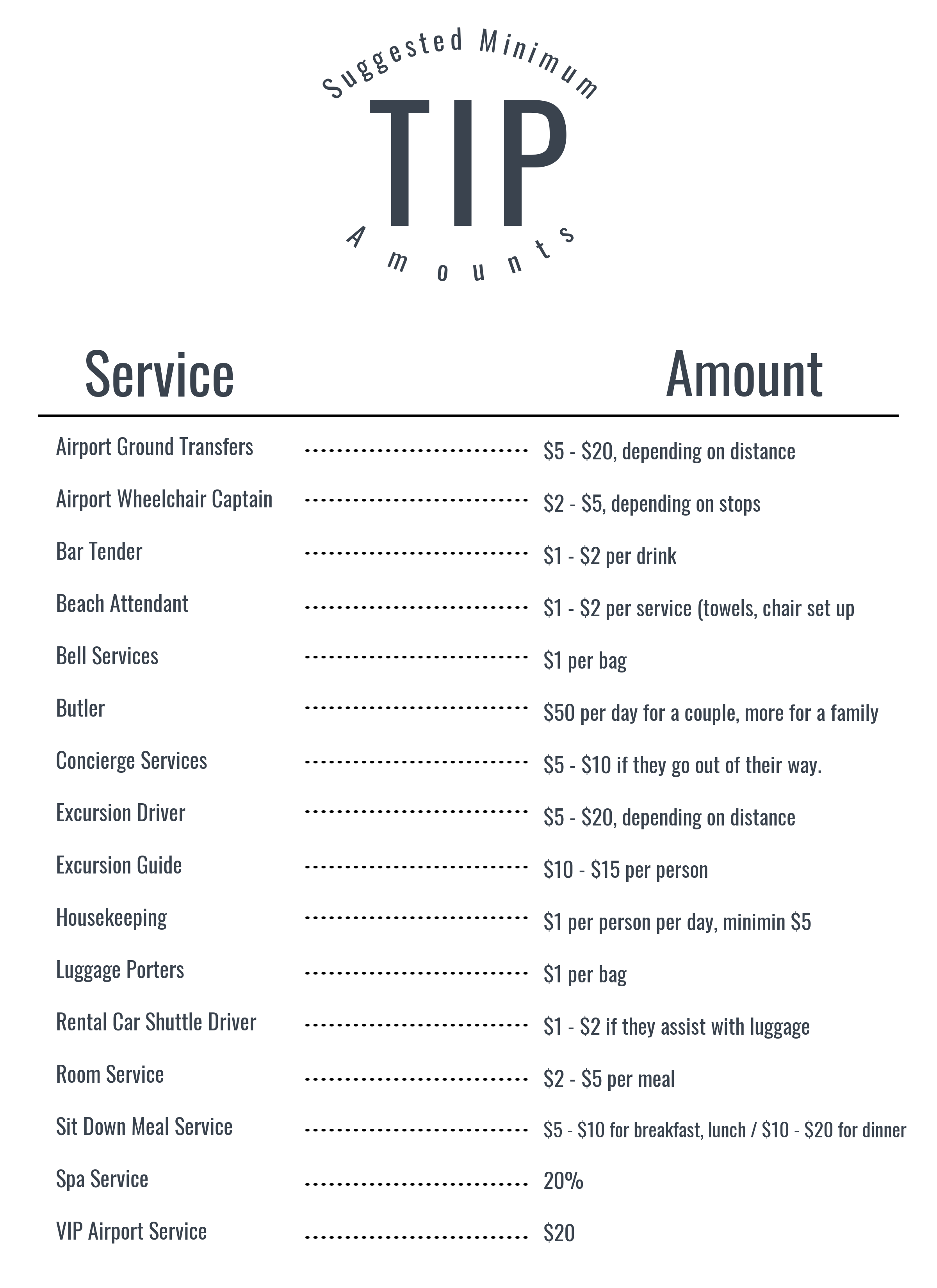
The amounts can vary, but here are some general guidelines, keeping in mind that these are for additional tips beyond any included service charges:
- Housekeeping: $2-$5 USD per day, left in the room.
- Bartenders/Waitstaff (per drink/meal or per day): $1-$2 USD per drink, or $5-$10 USD per day for a server who consistently attends to you.
- Bell Staff/Porters: $1-$2 USD per bag.
- Concierge: $5-$20 USD, depending on the complexity of the request and the service provided.
- Spa Therapist: 10-15% of the treatment cost.
- Waiters at Specialty Restaurants: $5-$10 USD for good service.
- Tours/Excursions: If you book an external tour that visits the resort or use resort-organized transport, tipping the guide and driver is customary ($5-$10 USD per person for guides, $2-$5 USD for drivers is common).
Important Note: While USD are widely accepted and often preferred in many Caribbean and Mexican resorts, using local currency can sometimes be appreciated. If you are unsure, it’s always best to carry a mix of both.
When and How to Tip
- Small Bills: Always have small denominations of cash readily available. Trying to tip with large bills can be awkward.
- Discretion: While tipping is generally accepted, avoid making a show of it, especially if the resort policy discourages it. A quiet, personal thank you with the tip is often best.
- Consistently: If you find a server or bartender who consistently provides excellent service, a small tip each day or every few days can reinforce that positive relationship.
- End of Stay: For housekeeping, many guests prefer to leave a tip on the last day, ensuring they acknowledge the full duration of their stay. However, some prefer daily tips to acknowledge consistent service throughout their visit.
- Service Recovery: If there’s an issue during your stay that is resolved exceptionally well by a staff member, a tip can be a valuable way to express your gratitude for their efforts.
Making the Most of Your All-Inclusive Experience
Ultimately, the decision of whether and how much to tip at an all-inclusive resort is a personal one, influenced by the resort’s policies, the local culture, and the quality of service you receive. By being informed and considerate, you can navigate these practices with confidence.
Research is Key
Before you even pack your bags, take the time to research the specific tipping policies of your chosen resort. Check their website, read recent guest reviews on sites like Tripadvisor (hypothetical link), or contact the resort directly. This will give you a clear understanding of what to expect.
Observe and Adapt
Once you arrive, pay attention to what other guests are doing. While you shouldn’t feel pressured, observing the general tipping culture can provide helpful insights. If you see staff members being discreetly tipped, it might indicate that personal gratuities are welcomed.

Prioritize Genuine Appreciation
Tipping should stem from a place of genuine appreciation for good service. If the service meets your expectations for an all-inclusive package, and there are no policies suggesting otherwise, you may not feel the need to tip beyond what’s included. However, when staff go the extra mile, a tip is a tangible way to say “thank you” and contribute positively to their livelihood. A little cash can make a big difference to the individuals who are working hard to make your vacation a success, from the culinary team at a restaurant in Punta Cana to the groundskeepers at a luxurious resort in St. Barts. It’s about acknowledging the human element behind the all-inclusive promise and ensuring your vacation experience is not only enjoyable but also contributes to the well-being of those who serve you.
LifeOutOfTheBox is a participant in the Amazon Services LLC Associates Program, an affiliate advertising program designed to provide a means for sites to earn advertising fees by advertising and linking to Amazon.com. Amazon, the Amazon logo, AmazonSupply, and the AmazonSupply logo are trademarks of Amazon.com, Inc. or its affiliates. As an Amazon Associate we earn affiliate commissions from qualifying purchases.