
For anyone considering a visit, a relocation, or even a brief work assignment in the Heart of Dixie, one of the fundamental questions that often arises pertains to the financial landscape, particularly the presence of a state income tax. Understanding the tax environment of any destination is crucial, whether you’re planning a budget-friendly vacation, evaluating a long-term stay, or exploring business opportunities. So, to directly answer the question: yes, Alabama does have a state income tax. But the implications of this extend far beyond a simple ‘yes’ or ‘no,’ influencing everything from travel budgeting to lifestyle choices and the broader tourism economy.

Understanding Alabama’s Tax Landscape
Alabama’s approach to taxation is multifaceted, incorporating not only an income tax but also sales tax and property tax, each playing a significant role in the state’s revenue generation and impacting its residents and visitors. When considering the overall financial picture, it’s essential to look at these elements holistically.
The Basics of Income Tax in Alabama
The state income tax in Alabama is structured as a progressive tax, meaning that higher earners pay a larger percentage of their income in taxes, up to a certain point. The rates are relatively modest compared to some other states, ranging from 2% to 5% across various income brackets. For individual filers, the top marginal rate of 5% applies to taxable income over approximately $3,000, after deductions and exemptions. This progressive structure is designed to distribute the tax burden more equitably.
Taxable income generally includes wages, salaries, interest, dividends, business income, and rental income. However, Alabama provides several deductions and exemptions that can reduce an individual’s taxable income, similar to federal tax codes. These can include standard deductions, itemized deductions (such as medical expenses or charitable contributions), and personal exemptions. For instance, contributions to Alabama-qualified retirement plans are often deductible, encouraging long-term financial planning among its residents.
Understanding these rates and deductions is vital for both residents and non-residents who earn income within the state. It allows for more accurate financial planning, whether you’re a permanent resident, a remote worker considering a temporary move, or a business owner looking to expand into the Yellowhammer State.
Who is Subject to Alabama’s Income Tax?
The question of who pays Alabama state income tax isn’t just for full-time residents. It extends to anyone deriving income from sources within the state.
- Full-Time Residents: If you are a resident of Alabama, your worldwide income is generally subject to Alabama income tax, with provisions for credits for taxes paid to other states to prevent double taxation.
- Non-Residents: Individuals who are not residents but earn income from sources within Alabama – for example, from a job, business activities, or rental properties located in the state – are also generally required to file an Alabama income tax return and pay tax on that Alabama-sourced income. This is a common practice across many states to ensure that those benefiting from the state’s economic activity contribute to its services.
- Remote Workers and Digital Nomads: With the rise of remote work, the tax implications for individuals working remotely from or for companies based in Alabama have become increasingly relevant. If an individual establishes residency in Alabama while working for an out-of-state employer, they would typically be subject to Alabama income tax on their earnings. Conversely, if a non-resident works remotely for an Alabama company while physically located elsewhere, the specifics can vary based on tax reciprocity agreements or specific state rules regarding “economic nexus.” This complexity often requires professional tax advice to ensure compliance.
For travelers who might consider a longer stay, perhaps as digital nomads exploring destinations like Huntsville’s tech scene or the coastal charm of Mobile, understanding these residency rules and income sourcing principles is crucial for responsible financial planning.
How Alabama’s Income Tax Impacts Travelers and Tourists
While the primary burden of income tax falls on residents and those earning income within the state, the broader economic effects can subtly influence the experience of travelers and tourists. The revenue generated from state income tax contributes to the funding of public services, infrastructure, and state-sponsored attractions, all of which directly or indirectly benefit the tourism sector.
Budgeting Your Alabama Getaway
When planning a trip to Alabama, the state income tax itself won’t directly impact your travel budget unless you plan to engage in income-generating activities during your visit. However, other taxes like sales tax and lodging tax (which is separate from income tax) are immediate considerations. Alabama has a statewide sales tax, and many cities and counties levy additional local sales taxes, leading to combined rates that can impact the cost of goods and services, from dining at local restaurants in Birmingham to purchasing souvenirs in Montgomery. Similarly, hotel and accommodation taxes are common, adding to the total cost of your stay at resorts, boutique hotels, or vacation rentals.
The state’s overall tax environment, including its income tax, helps shape the economic landscape that, in turn, influences the pricing and availability of various travel-related services. A state with a balanced tax system can invest in maintaining its roads, promoting its natural landmarks like Gulf State Park, and supporting its cultural institutions such as the U.S. Space & Rocket Center in Huntsville, all of which enhance the visitor experience. Therefore, while not a direct charge on tourists, the income tax revenue indirectly supports the attractions and infrastructure that make Alabama an appealing destination.
Considerations for Seasonal Workers and Long-Term Stays
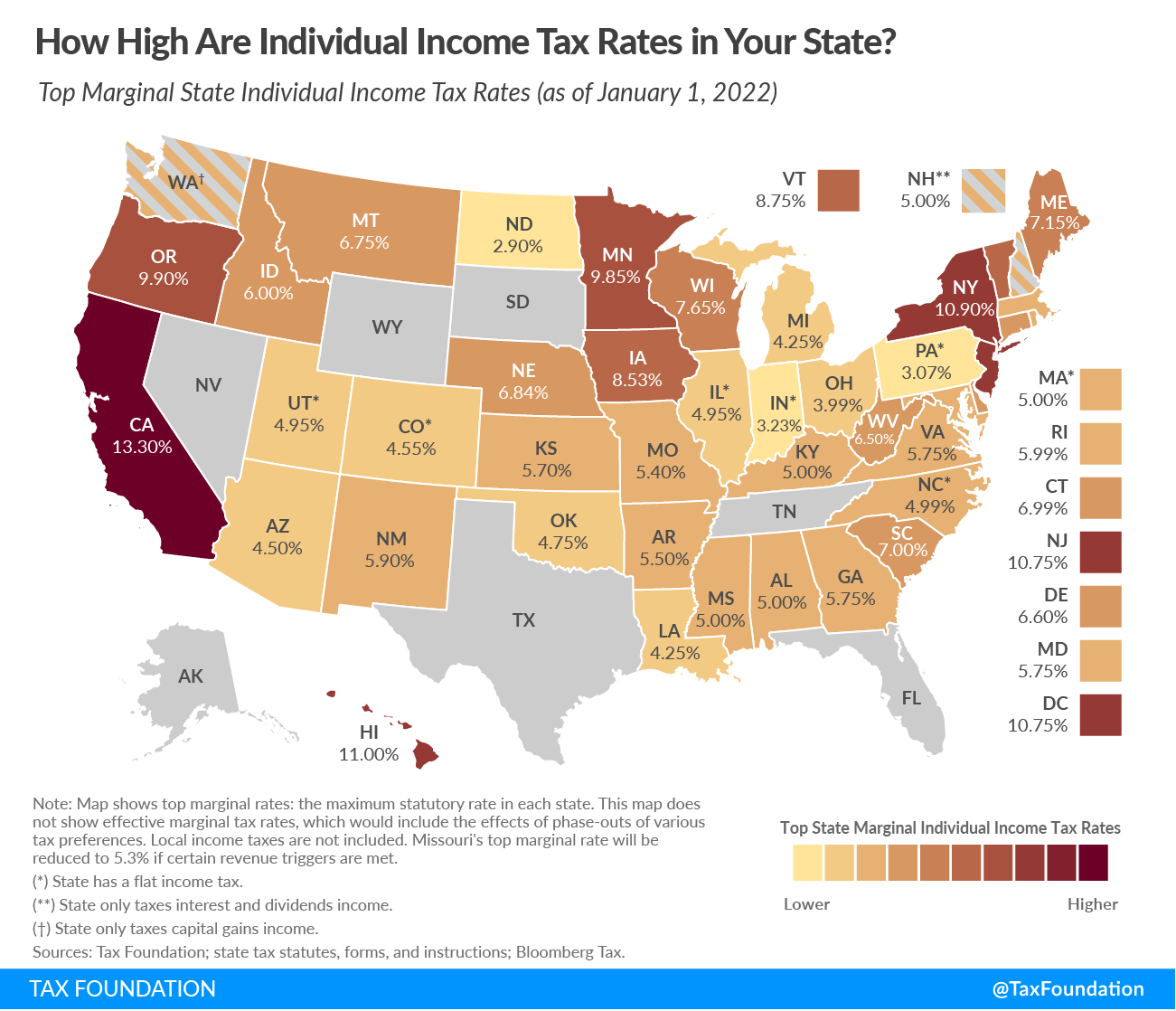
For individuals contemplating seasonal work in Alabama’s vibrant tourism sector, particularly along the Gulf Coast during peak seasons, understanding state income tax obligations is paramount. Whether working at beach resorts, in national parks, or for tour operators, income earned in Alabama will be subject to the state’s income tax, regardless of your permanent residence. Employers are typically required to withhold Alabama income tax from your wages, so it’s not something you’ll likely overlook.
Similarly, those planning long-term stays, perhaps for several months to escape harsh winters or to experience local culture more deeply, need to consider their potential tax residency status. While a short vacation won’t trigger residency, extended periods might. If you establish enough connections to the state (e.g., obtaining an Alabama driver’s license, registering to vote, spending more than half the year there), you could be considered an Alabama resident for tax purposes, making your worldwide income subject to state tax. This is particularly relevant for digital nomads or retirees exploring different locations for extended periods. Understanding these thresholds and implications is key to avoiding unexpected tax liabilities and ensuring a smooth, enjoyable extended visit.
Lifestyle and Economic Appeal: Beyond the Tax Rate
The presence of a state income tax is just one piece of the puzzle when evaluating Alabama as a place to live, work, or visit. Its overall lifestyle offerings, cost of living, and diverse attractions often present a compelling argument that outweighs the tax considerations for many.
Cost of Living and Quality of Life in Alabama
Alabama is widely recognized for its relatively low cost of living compared to the national average, especially regarding housing. Even with a state income tax, the overall financial burden can often be lower than in states with no income tax but significantly higher property values or sales taxes. This affordability translates into a higher quality of life for many, allowing for more disposable income to enjoy the state’s rich offerings.
From charming historic homes in cities like Fairhope to spacious properties in the Tennessee Valley, housing costs are generally approachable. This affordability also extends to consumer goods and services, contributing to a budget-friendly lifestyle. For families, the lower cost of living means more resources can be allocated to education, leisure activities, and travel, making Alabama an attractive option for those seeking a comfortable and sustainable lifestyle without the high price tag of major coastal hubs.
Alabama’s Attractions and Tourism Economy
The income tax revenue, alongside other state taxes, is critical in sustaining and developing Alabama’s burgeoning tourism economy. These funds help maintain and enhance public amenities, promote state tourism initiatives, and preserve historical landmarks that draw millions of visitors annually. For example, the state’s commitment to maintaining its diverse natural landscapes, from the Appalachian foothills to the pristine beaches of Orange Beach, is partly supported by general state revenue.
Tourism in Alabama isn’t just about natural beauty; it’s also deeply rooted in its history and culture. The Civil Rights Institute in Birmingham, the Edmund Pettus Bridge in Selma, and the Battleship USS Alabama in Mobile are powerful attractions that educate and inspire. The state’s culinary scene, with its emphasis on Southern comfort food and fresh seafood, also contributes significantly to its appeal. These attractions, which are often non-profit or state-supported, rely on a stable economic environment and consistent funding, to which state income tax contributes. Thus, while visitors don’t pay income tax directly, they benefit from the services and attractions that this tax helps fund, ensuring a high-quality tourist experience.
Making Informed Decisions About Alabama
Whether you’re planning a vacation, considering a move, or exploring business opportunities, having accurate information about Alabama’s tax structure is empowering. It enables you to make financially sound decisions and fully appreciate the state’s unique appeal.
Resources for Tax Planning and Financial Advice
Navigating any state’s tax system can be complex, and Alabama is no exception. For precise, personalized advice, consulting with a qualified tax professional specializing in Alabama tax law is always recommended. This is particularly true for individuals with complex financial situations, remote workers, or those considering establishing residency. The Alabama Department of Revenue website is also an invaluable resource, providing detailed information on tax laws, rates, forms, and filing requirements. They offer guidance for both individual and business taxpayers, ensuring transparency and access to official information.
For travelers or those considering short-term work, understanding withholding rules and estimated tax payments can prevent surprises. Even for basic budgeting, being aware of how taxes affect the local economy and your personal finances is a mark of a savvy traveler or potential resident.

Is Alabama the Right Destination for You?
Ultimately, the decision of whether Alabama is the right destination for your travel, accommodation, or lifestyle needs extends beyond its state income tax. It involves weighing the tax structure against the state’s myriad advantages: its affordable cost of living, rich history, diverse landscapes, warm Southern hospitality, and growing job markets in cities like Huntsville and Birmingham.
For some, the appeal of a state with no income tax might be strong. However, Alabama’s relatively low income tax rates, coupled with its overall affordability and quality of life, present a compelling package. It’s a state where you can enjoy beautiful natural parks such as Cheaha State Park, delve into significant historical narratives, and experience vibrant cultural scenes, all while potentially maintaining a more favorable financial standing than in many other parts of the country. Whether you’re a luxury traveler seeking exclusive resorts, a budget-conscious adventurer, or a family looking for a new place to call home, Alabama offers a unique blend of experiences. By understanding its financial framework, you can make the most of what this diverse and welcoming state has to offer.
LifeOutOfTheBox is a participant in the Amazon Services LLC Associates Program, an affiliate advertising program designed to provide a means for sites to earn advertising fees by advertising and linking to Amazon.com. Amazon, the Amazon logo, AmazonSupply, and the AmazonSupply logo are trademarks of Amazon.com, Inc. or its affiliates. As an Amazon Associate we earn affiliate commissions from qualifying purchases.