
For many travelers, understanding airline baggage policies is a critical step in planning a trip and managing a budget. The question of whether an airline charges for carry-on luggage is particularly pertinent, as it can significantly impact both cost and convenience. When flying with Alaska Airlines, passengers can generally breathe a sigh of relief regarding standard carry-on bags. Unlike some budget carriers that have made carry-on fees a standard practice, Alaska Airlines maintains a more traditional approach, allowing passengers to bring one standard carry-on bag and one personal item onboard most flights without an additional charge. This policy is a significant advantage, promoting a smoother boarding experience and helping travelers avoid unexpected expenses. However, like all airline policies, there are specific dimensions, weight limits, and occasional nuances that every passenger should be aware of to ensure a hassle-free journey. Navigating these guidelines effectively can save time, money, and stress, making the travel experience more enjoyable from departure to arrival.

Understanding Alaska Airlines’ Standard Carry-On Policy
The cornerstone of Alaska Airlines’ baggage philosophy is to offer a straightforward and inclusive policy for carry-on items. For the vast majority of fares, including Main Cabin tickets, passengers are permitted to bring one carry-on bag and one personal item into the aircraft cabin without incurring extra fees. This generosity stands out in an industry where ancillary fees are increasingly common, particularly for luggage. This policy applies not only to flights operated by Alaska Airlines but generally extends to regional flights operated by partners like Horizon Air and SkyWest Airlines under the Alaska Airlines brand.
The Standard Carry-On Allowance
The standard carry-on bag must fit within the overhead bins. While specific dimensions are crucial, the general rule of thumb is that the bag should be compact enough to be stowed easily. Passengers are encouraged to pack efficiently to ensure their bag complies, avoiding the need to gate-check their item, which can sometimes lead to delays or extra handling. This allowance is designed to accommodate essential travel items and provides passengers with direct access to their belongings throughout the flight. The practicality of having immediate access to medications, entertainment, or comfort items makes the carry-on a preferred option for many. Furthermore, the ability to bypass baggage claim upon arrival is a significant time-saver, particularly for those on tight schedules or connecting flights. This policy reflects a commitment to customer convenience and remains a strong selling point for Alaska Airlines amidst a competitive travel landscape.
Personal Item Allowance
In addition to the standard carry-on, Alaska Airlines allows one personal item per passenger. A personal item is typically a smaller bag that can fit under the seat in front of you. Common examples include a purse, a laptop bag, a small backpack, or a briefcase. The key distinction from a carry-on bag is its size and designated storage location. This allowance is incredibly useful for travelers who need to keep crucial documents, electronics, snacks, or other small essentials within immediate reach during the flight. Understanding this distinction is vital, as attempting to bring two items that exceed the personal item dimensions will result in one being classified as a second carry-on, potentially leading to additional charges or the need to check a bag. The personal item, much like the carry-on, must be compliant with size restrictions to ensure passenger comfort and safety, and to facilitate efficient boarding and deplaning processes.
Dimensions, Weight, and Enforcement
Adhering to the specific dimensions and weight limits for carry-on bags and personal items is paramount to a smooth boarding process and avoiding unexpected issues. While Alaska Airlines does not charge for compliant carry-on bags, non-compliance can lead to gate-checking fees, which can sometimes be higher than standard checked baggage fees.
Carry-On Bag Dimensions and Weight
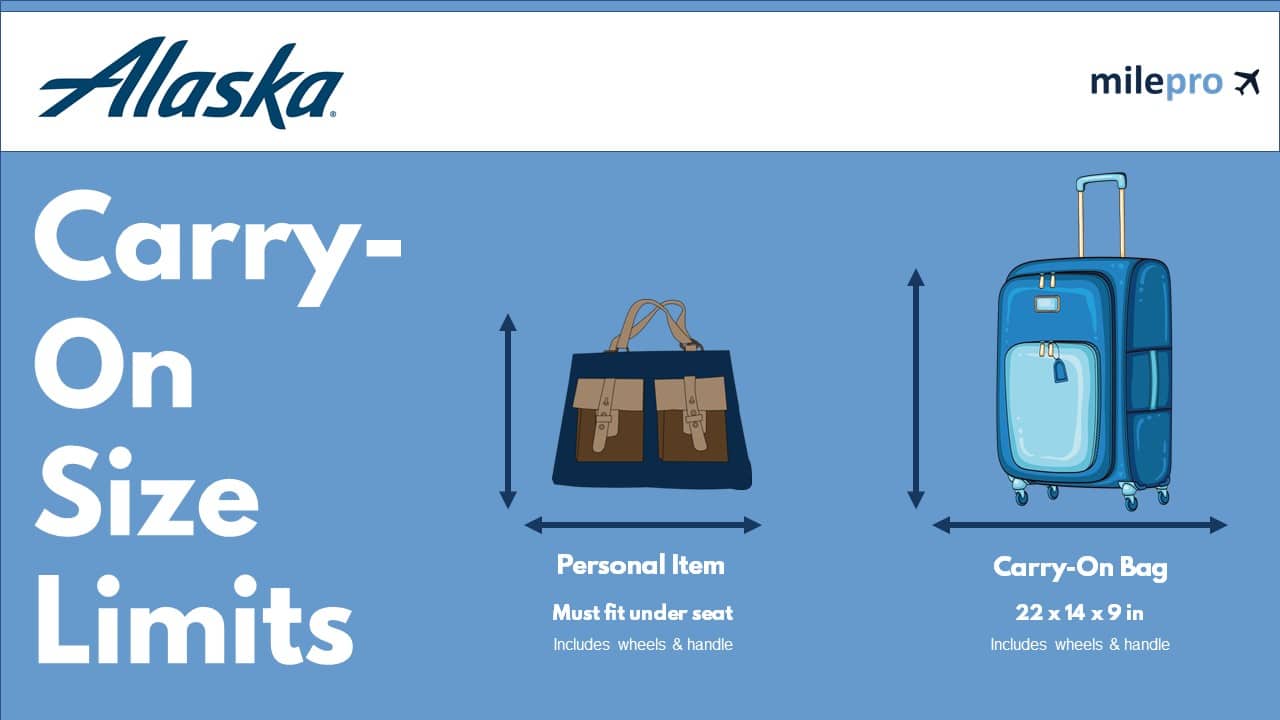
For standard carry-on bags, Alaska Airlines specifies a maximum size of 22 inches long x 14 inches wide x 9 inches high (56 x 36 x 23 cm), including handles and wheels. This size is standard across many major carriers in the U.S. and ensures that bags can fit into the overhead compartments. While a specific weight limit for carry-on bags is generally not strictly enforced by Alaska Airlines for domestic flights, passengers are expected to be able to lift their bag into the overhead bin unaided. For international flights, or flights with codeshare partners, weight restrictions may apply and vary, making it prudent to check the specific rules for your itinerary. Overpacking can not only make your bag difficult to lift but can also cause it to exceed size limits once stuffed, leading to potential gate checks.
Personal Item Dimensions
For personal items, while explicit dimensions are not always as rigidly enforced as for carry-ons, the general guideline is that the item must fit entirely under the seat in front of you. This typically means dimensions around 18 x 14 x 8 inches (46 x 36 x 20 cm) or smaller. Laptop bags, small backpacks, briefcases, or large purses usually fall within this category. The emphasis is on ensuring that the item does not obstruct the aisle or the space designated for other passengers, maintaining safety and comfort throughout the flight. Travelers should select personal items that are genuinely compact and flexible to prevent any last-minute complications during boarding.
Sizing Tools and Enforcement
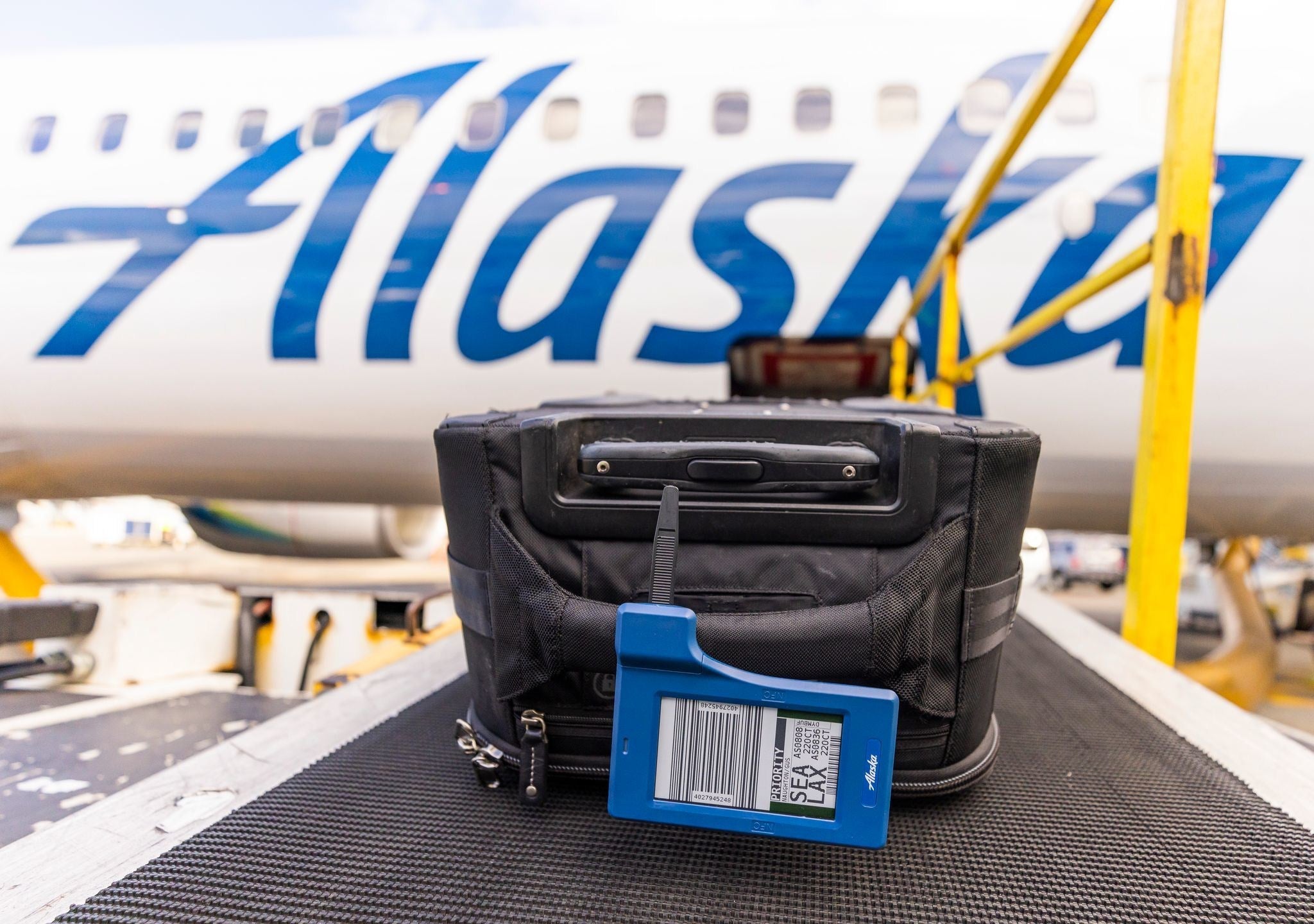
At airport check-in counters and boarding gates, Alaska Airlines provides sizing tools, often metal frames, where passengers can test if their carry-on bag meets the required dimensions. These sizers are the ultimate arbiter of compliance. If a bag does not fit into the sizer without force, it will likely be deemed oversized and must be checked. [Alaska Airlines](https://lifeoutofthebox.com/alaska-airlines] gate agents are trained to enforce these policies, particularly during busy travel periods or on flights with limited overhead space. The decision to gate-check an oversized carry-on often comes with a fee, which can vary depending on the route and the point at which the bag is checked. It is always more cost-effective and less stressful to ensure your bags comply with the rules before you even leave for the airport.
Exceptions and Premium Experiences
While the standard policy is quite generous, there are specific scenarios and passenger types that either receive additional benefits or need to be aware of particular exceptions. These often revolve around elite status, specific fare types, or unique passenger needs.
Mileage Plan Elite Status Holders
For members of Alaska Airlines’ Mileage Plan with elite status (such as MVP Gold, MVP Gold 75K, or MVP Gold 100K), the carry-on policy remains the same: one standard carry-on and one personal item are permitted. However, the benefits of elite status often come into play with checked baggage allowances, where these members typically receive several free checked bags. This can provide a great deal of flexibility, allowing elite travelers to check a larger bag for free if their carry-on proves too cumbersome or if they simply prefer not to deal with overhead bin space. While not directly altering the carry-on fee structure, it offers a valuable alternative for luggage management.
Special Items and Medical Devices
Certain items are generally exempt from standard carry-on or personal item limitations. These typically include assistive devices for passengers with disabilities, such as wheelchairs, crutches, or walkers. Additionally, medical devices like CPAP machines or portable oxygen concentrators are usually allowed in the cabin beyond the standard allowance, provided they meet TSA security guidelines and airline safety requirements. Diaper bags for infants or small bags containing breast pumps and associated accessories are also commonly allowed as an extra item. It’s always advisable to contact Alaska Airlines directly in advance if you plan to travel with specialized medical equipment or unusually sized assistive devices to confirm their specific policies and any necessary pre-approvals. This proactive step ensures that there are no surprises or delays during the boarding process.
Basic Economy Fares (Saver Fares)
As of late, some airlines have introduced “Basic Economy” or “Saver” fares that sometimes restrict carry-on allowances. Alaska Airlines has generally maintained its standard carry-on policy even for its lowest “Saver” fares, allowing one carry-on and one personal item. This is a significant competitive advantage and a relief for budget-conscious travelers. However, “Saver” fares often come with other restrictions, such as no seat selection until check-in and last boarding priority. While your carry-on is still free, early boarding groups typically get first dibs on overhead bin space. Therefore, even with a free carry-on, a “Saver” fare passenger might find overhead bins full and be required to gate-check their bag without charge, simply due to lack of space. This reinforces the importance of arriving early and, if possible, choosing a seat with higher boarding priority if a carry-on is essential.
Strategies for Hassle-Free Carry-On Travel
Mastering the art of carry-on travel with Alaska Airlines involves more than just knowing the rules; it requires strategic packing and an awareness of the operational realities of air travel. By adopting smart practices, travelers can ensure their journey is as smooth and efficient as possible.
Smart Packing Techniques
The core of successful carry-on travel lies in efficient packing. Begin by making a comprehensive list of essentials and prioritize items. Utilize packing cubes to compress clothing and organize your bag, maximizing space and making it easier to find what you need. Rolling clothes tightly can also save space and minimize wrinkles. Consider multi-purpose items and travel-sized toiletries to reduce bulk. Wear your heaviest items, such as jackets and bulky shoes, on the plane rather than packing them. For your personal item, keep essential documents, medications, electronics, and a change of clothes if possible, in case your carry-on is gate-checked. Thinking vertically, rather than horizontally, when arranging items in your bag can also provide surprising amounts of extra space. Furthermore, always check the weather at your destination, whether it’s Seattle, Anchorage, Mexico, or Hawaii, to avoid packing unnecessary clothing.
Utilizing Gate-Checked Options Effectively
Even with the best planning, there are times when overhead bin space becomes scarce, especially on full flights or smaller regional jets. If the gate agent announces that the flight is full and asks for volunteers to gate-check bags, consider it if you don’t need immediate access to your items. Often, these bags are tagged planeside and returned planeside upon arrival, which can sometimes be quicker than waiting at the main baggage claim. If your bag is oversized or the flight is completely full, you may be required to gate-check it. In most cases with Alaska Airlines, if your carry-on bag meets the size requirements but is gate-checked due to lack of space, you will not be charged. However, if it’s oversized, a fee will apply. Being prepared for this possibility by keeping valuables and important documents in your personal item is a wise precaution.
Familiarizing Yourself with Current Regulations
Airline policies, including those for baggage, can evolve. While Alaska Airlines has maintained a traveler-friendly carry-on policy, it’s always best practice to double-check the airline’s official website closer to your departure date. This is particularly important if you are flying internationally to destinations like Canada or the Caribbean, or if your itinerary involves connecting flights with partner airlines, as their policies might differ. A quick review of the most up-to-date baggage information can prevent last-minute surprises and ensure a stress-free start to your travels. By staying informed and packing smart, passengers can fully leverage Alaska Airlines’ generous carry-on policy to enjoy a more efficient and cost-effective travel experience.
LifeOutOfTheBox is a participant in the Amazon Services LLC Associates Program, an affiliate advertising program designed to provide a means for sites to earn advertising fees by advertising and linking to Amazon.com. Amazon, the Amazon logo, AmazonSupply, and the AmazonSupply logo are trademarks of Amazon.com, Inc. or its affiliates. As an Amazon Associate we earn affiliate commissions from qualifying purchases.