
Embarking on an adventure to the Last Frontier means meticulous planning, and one of the most common questions travelers face revolves around luggage: specifically, what can you bring as a carry-on? The answer, while seemingly straightforward, involves a nuanced understanding of airline policies, Transportation Security Administration (TSA) regulations, and the unique challenges presented by Alaskan travel, especially when venturing beyond major hubs. Rest assured, carry-on luggage is generally allowed, but the specifics can vary significantly depending on your chosen airline and the type of aircraft you’ll be flying.
Navigating Standard Carry-On Regulations for Your Alaskan Journey
Before even considering the unique aspects of Alaskan travel, it’s crucial to grasp the foundational rules governing carry-on bags on all domestic flights. These rules are a blend of federal security mandates and individual airline operational policies.
The TSA Framework
The TSA sets the security standards for all air travel within and departing the United States. Their guidelines dictate what items are permissible in carry-on luggage from a safety and security perspective. The most widely known rule is the “3-1-1 Liquid Rule” for liquids, gels, and aerosols: containers must be 3.4 ounces (100 milliliters) or smaller, fit comfortably in one quart-sized bag, and be limited to one bag per passenger. Prohibited items, such as sharp objects exceeding a certain length, firearms, and explosive materials, are universal regardless of your destination. Familiarity with the TSA’s official website is always recommended for the most current information.
Airline-Specific Size and Weight Restrictions
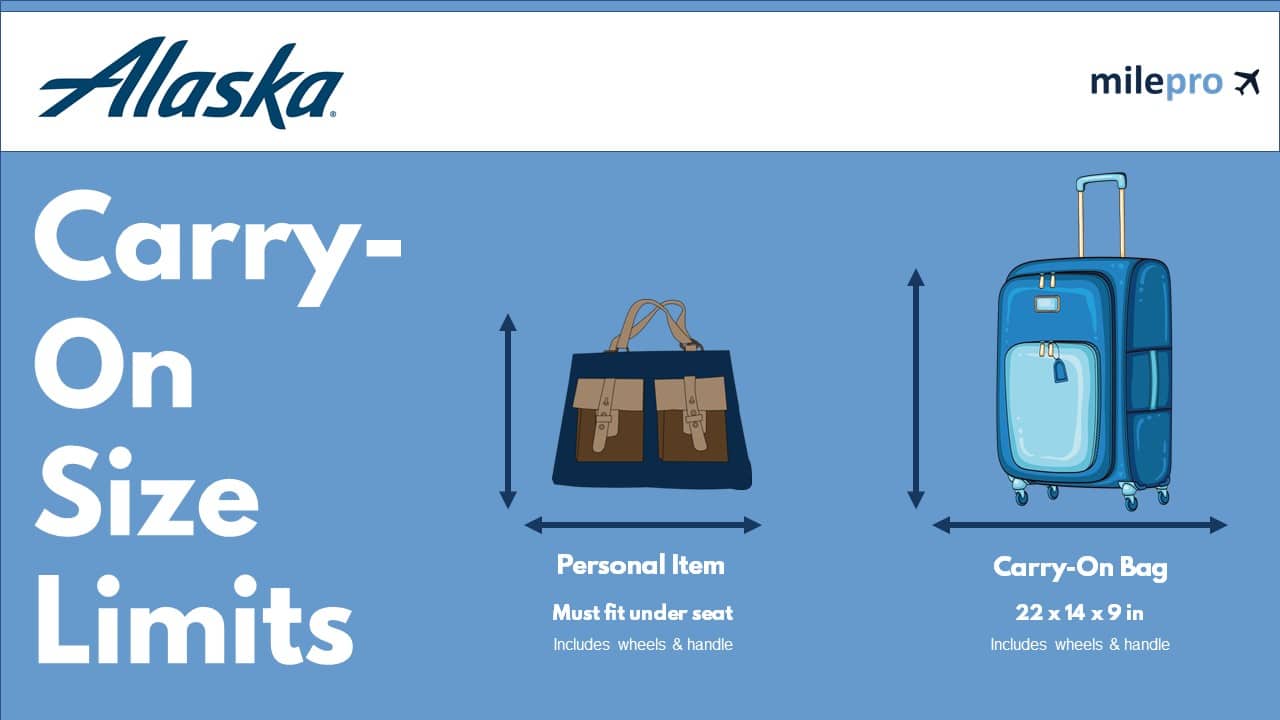
While the TSA focuses on what you can bring, individual airlines determine the size and quantity of your carry-on items. Most major carriers flying to Alaska adhere to a generally accepted standard for carry-on bags, typically around 22 x 14 x 9 inches (56 x 36 x 23 cm), including handles and wheels. However, it’s imperative to check with your specific airline, as even slight variations can lead to your bag being gate-checked, often at an additional cost. Weight restrictions for carry-on bags are less common on domestic flights within the U.S., but they can apply, especially on international legs of a journey or on smaller regional aircraft.
Personal Item vs. Carry-On Bag
Beyond your primary carry-on, most airlines permit one “personal item.” This is usually a smaller bag designed to fit under the seat in front of you, such as a laptop bag, purse, small backpack, or briefcase. While larger than your pockets, it’s considerably smaller than a carry-on. Maximizing your personal item is a smart strategy for any trip, but particularly for Alaska where layers and essentials are key. Always verify the airline’s specific dimensions for personal items to avoid surprises at the gate.
Major Airlines Serving Alaska and Their Carry-On Policies
Your choice of airline will significantly influence your carry-on experience. Several major carriers provide service to Alaska’s main airports, primarily Ted Stevens Anchorage International Airport (ANC) and Fairbanks International Airport (FAI).
Alaska Airlines
As the most prominent carrier serving the state, Alaska Airlines has a comprehensive network. Their standard policy allows one carry-on bag and one personal item per passenger. Carry-on bags must not exceed 24 x 17 x 10 inches (61 x 43 x 25 cm), including wheels and handles. This is slightly more generous than some other airlines, but it’s still advisable to measure your bag. They do not generally impose a weight limit for carry-on items, focusing instead on whether it fits in the overhead bin or under the seat. Their extensive routes across the state make them a crucial operator for both initial arrival and subsequent regional travel.
Delta Air Lines and United Airlines
Both Delta Air Lines and United Airlines are major players in connecting Alaska to the lower 48 states, often via hubs like Seattle-Tacoma International Airport (Seattle), Minneapolis-St. Paul International Airport (Delta), or Denver International Airport (Denver) and Chicago O’Hare International Airport (Chicago) (United). Their carry-on policies are quite similar, permitting one carry-on bag and one personal item. The maximum dimensions for carry-on bags are typically 22 x 14 x 9 inches (56 x 36 x 23 cm). Neither generally specifies a weight limit for carry-ons on domestic routes, but fitting within the sizer at the gate is paramount.
American Airlines and Other Carriers
American Airlines also provides seasonal and year-round service to Alaska, adhering to the common 22 x 14 x 9 inch (56 x 36 x 23 cm) standard for carry-on bags. Other carriers, such as Sun Country Airlines (seasonal) or various charter operations, will have their own specific rules. The consistent advice across all airlines is to consult their official website or customer service before your flight to ensure your carry-on complies. This is especially true if you are flying basic economy, as some airlines restrict carry-on bags to only a personal item for this fare class.
Unique Carry-On Considerations for Alaskan Regional Travel
While arriving in Anchorage or Fairbanks on a major carrier generally follows standard rules, venturing deeper into Alaska’s vast wilderness introduces entirely different carry-on dynamics.
The Bush Plane Experience
For many visitors, the quintessential Alaskan adventure involves a bush plane, reaching remote lodges, fishing camps, or national parks like Denali and Katmai. Companies like Ravn Alaska or smaller air taxis operating iconic aircraft such as Cessnas or de Havilland Beavers have significantly stricter luggage policies. Due to aircraft size and weight limitations, carry-on is often restricted to a very small personal item, and all other luggage is weighed and frequently stored in external cargo pods (known as “belly pods” or “cargo pods”). Soft-sided duffel bags are highly preferred over rigid suitcases, as they are more pliable and easier to load into tight spaces. Weight limits for checked baggage can be as low as 25-50 pounds (11-23 kg) per person, including your small “carry-on.” Always clarify these limits directly with your bush plane operator.
Ferry Travel on the Alaska Marine Highway System
If your Alaskan itinerary includes coastal exploration via the state’s ferry system, known as the Alaska Marine Highway System, carry-on rules are considerably more relaxed. You can typically bring luggage onto the passenger decks and into cabins without strict size or weight restrictions, as long as it’s manageable. However, common sense prevails: avoid oversized bags that would obstruct walkways or unduly inconvenience other passengers. For longer journeys, securing a cabin is advisable for storing your belongings.
Small Commuter Flights
Connecting flights between major Alaskan cities like Anchorage, Juneau, Ketchikan, Sitka, Homer, or Kodiak are often operated by regional jets or turboprops. While these are larger than bush planes, overhead bin space can still be limited compared to mainline aircraft. You might find that your standard carry-on, perfectly acceptable on your flight into Anchorage, is subject to gate-checking on a subsequent flight to Juneau or Kodiak. These are typically returned planeside upon arrival. Being prepared for this possibility by having essentials in your personal item is a good strategy.
Optimizing Your Carry-On for an Alaskan Adventure
Packing smartly for Alaska means being prepared for a wide range of conditions, and your carry-on can be your best friend.
Strategic Packing for Varying Climates
Alaska’s weather is notoriously unpredictable, even in summer. Layering is paramount. Your carry-on should ideally contain critical layers: a warm base layer, a fleece or insulated mid-layer, and a waterproof/windproof outer shell. Sturdy, comfortable footwear (preferably waterproof hiking shoes) is also a must. Rolling clothes tightly or using compression packing cubes can maximize space. Don’t forget essentials like a warm hat, gloves, and sunglasses, as weather can shift dramatically.
Essential Documents and Valuables
Always keep your vital documents (ID, passport, boarding passes, booking confirmations), medications, electronics (camera, phone, power bank), valuable jewelry, and any small, critical items in your carry-on or personal item. This ensures they are safe and accessible, and you won’t be stranded if checked luggage is delayed or lost, a particular concern when traveling to more remote Alaskan destinations.
Preparing for Outdoor Activities
Consider packing a small, lightweight, collapsible daypack. This can serve multiple purposes: as your personal item on the flight, for day hikes, wildlife viewing excursions, or carrying snacks and water. Having quick-drying clothing items in your carry-on is also beneficial for maintaining comfort in Alaska’s often damp environment.
Special Items and Prohibited Goods in Your Alaskan Carry-On
Certain items commonly associated with Alaskan outdoor activities have specific regulations for air travel.
Firearms and Ammunition
Given Alaska’s popularity for hunting and sport shooting, many travelers wish to bring firearms. However, firearms are strictly prohibited in carry-on luggage. They must be unloaded, declared to the airline at check-in, and transported in a locked, hard-sided container as checked baggage. Ammunition also has specific packing requirements for checked bags. Always review TSA and airline policies thoroughly before traveling with firearms.
Bear Spray and Flammable Goods
This is a critical point for any Alaskan wilderness explorer: bear spray (pepper spray) is highly restricted. It cannot be carried on an aircraft in either carry-on or checked baggage. The general advice is to purchase bear spray upon arrival in Alaska (e.g., at sporting goods stores in Anchorage or Fairbanks) and dispose of any unused portion before your departure flight. Similarly, many flammable goods like camp stove fuel, propane, and certain insect repellents containing a high percentage of flammable propellants are prohibited in both carry-on and checked luggage.
Fishing Gear and Outdoor Tools
While fishing is a major draw, certain gear needs careful consideration. Fishing rods can sometimes be carried on if they fit within the overhead bin dimensions, but reels, hooks, and lures are generally best placed in checked luggage to avoid security issues. Knives, multi-tools (with blades over 2.36 inches), axes, and other outdoor cutting tools must always be packed in checked bags. Small utility tools with short blades, like those found on compact multi-tools, might be permitted in carry-on but are subject to TSA discretion, so it’s safer to check them.

Perishables and Souvenirs
If you’re planning to bring back Alaskan seafood or other perishables, ensure they are properly packaged to prevent leaks and meet TSA’s liquid and gel rules if they are to be carried on. Most often, frozen or fresh seafood will need to be packed in a cooler and checked. Large souvenirs like antlers or taxidermy pieces almost always require special arrangements and must be transported as checked cargo or freight, not as carry-on.
In conclusion, Alaska generally allows carry-on luggage, but the definition of “carry-on” can shift dramatically with your travel plans within the state. Always prioritize checking with your specific airline and any small charter operators to ensure a smooth, hassle-free journey to and through the magnificent Alaskan wilderness.
LifeOutOfTheBox is a participant in the Amazon Services LLC Associates Program, an affiliate advertising program designed to provide a means for sites to earn advertising fees by advertising and linking to Amazon.com. Amazon, the Amazon logo, AmazonSupply, and the AmazonSupply logo are trademarks of Amazon.com, Inc. or its affiliates. As an Amazon Associate we earn affiliate commissions from qualifying purchases.