
Yes, Alaska does indeed facilitate international travel, albeit with a nuanced profile distinct from major metropolitan hubs in the lower 48 United States. The Last Frontier’s unique geographical position, acting as a bridge between North America, Asia, and Europe, has long made it a critical strategic point for aviation. While its international passenger connectivity may not be as extensive or year-round as larger global gateways, Alaska plays a significant role in the international air cargo network and offers specific passenger routes that connect it to the wider world. Understanding the scope of international flights from Alaska requires examining its primary airports, their historical context, and the evolving demands of both tourism and commerce.
Anchorage: Alaska’s Primary International Gateway
Ted Stevens Anchorage International Airport (ANC) stands as the undisputed champion of international air traffic in Alaska. Located strategically on the great circle routes that aircraft traverse to minimize flight times between continents, Anchorage serves as a vital nexus, particularly for cargo operations. For passenger travel, ANC is the primary entry and exit point for international journeys, though the scope of direct destinations is more limited than its cargo prominence might suggest. Travelers seeking to venture beyond North America will almost invariably begin their international journey from Anchorage, either directly or via a connecting flight to a larger international hub.
Key International Routes and Airlines
While Anchorage sees an astonishing volume of international air traffic daily, the vast majority of this is freight. However, ANC does offer consistent, albeit often seasonal, direct international passenger flights. The most common and reliable international routes connect Anchorage to Canada. For instance, Air Canada has historically operated seasonal services to Vancouver and Calgary, providing crucial links for tourism and cross-border travel. These flights are particularly popular during Alaska’s bustling summer cruise season and winter sports period. Beyond Canada, direct international passenger routes from Anchorage are scarce and often involve specialized charter flights, perhaps to destinations like Mexico for specific leisure packages, rather than regularly scheduled services. It is crucial for travelers to differentiate between the myriad cargo planes making technical stops for refueling at ANC from actual passenger flights with international destinations, as the former does not facilitate passenger travel.
Strategic Location and Cargo Hub Status
Anchorage’s geographic advantage is unparalleled for aviation. Situated almost equidistant from major economic centers in Asia, Europe, and the lower 48 United States, ANC has blossomed into the world’s third busiest cargo airport by landed weight. Global carriers like FedEx and UPS leverage Anchorage as a primary transfer and refueling point for their trans-Pacific and trans-polar flights. This immense cargo activity injects significant international flavor and operational readiness into the airport, even if direct passenger connections to distant continents remain limited. The infrastructure, air traffic control systems, and customs capabilities developed to handle this vast cargo flow indirectly benefit passenger operations, ensuring ANC remains equipped for any potential expansion of direct international passenger services.
Fairbanks and Juneau: Limited International Connections
While Anchorage serves as Alaska’s dominant international air hub, the state’s other major airports, Fairbanks International Airport (FAI) and Juneau International Airport (JNU), primarily cater to domestic travel. Their roles in international passenger aviation are significantly smaller, though each has its unique historical and occasional relevance. For most international travelers planning a trip directly to or from Fairbanks or Juneau, a connection through Anchorage or a major lower-48 United States gateway airport is almost always necessary.
Fairbanks International Airport’s Role
Fairbanks International Airport, located in Alaska’s interior, operates predominantly as a domestic airport, connecting the region to major cities in the lower 48 United States and other Alaskan communities. Historically, FAI has seen sporadic seasonal international charter flights, often tied to specific tourism segments, particularly those focused on aurora viewing or Arctic adventures. For example, there have been periods where flights from Germany or Japan directly landed in Fairbanks, catering to visitors eager to experience the Northern Lights or other unique Alaskan attractions. However, these are not consistent, year-round scheduled services. The airport also plays a significant role in military logistics and certain specialized operations that may involve international arrivals or departures, but these are generally not accessible to the general public.
Juneau International Airport’s Domestic Focus

Juneau International Airport, serving the state capital of Alaska, is almost exclusively a domestic airport. Given Juneau’s unique geography, being landlocked by mountains and water with no road access to the rest of North America, air and sea travel are the primary modes of transportation for residents and visitors alike. Flights to and from Juneau primarily connect to other Alaskan cities and major hubs like Seattle. There are no regularly scheduled direct international passenger flights to or from Juneau. International travelers destined for Juneau will first clear customs and immigration at an airport in the lower 48 United States or Anchorage before taking a connecting domestic flight. This setup reinforces the hub-and-spoke model that characterizes much of Alaska’s air travel.
Navigating International Travel from Alaska
For most travelers embarking on an international journey from Alaska, the process involves a connection through a larger gateway airport in the contiguous United States. This hub-and-spoke model is standard for regions with lower population densities or those geographically distant from major international flight paths. Planning is crucial to ensure smooth transitions and compliance with all international travel regulations.
The Hub-and-Spoke Model for Global Connectivity
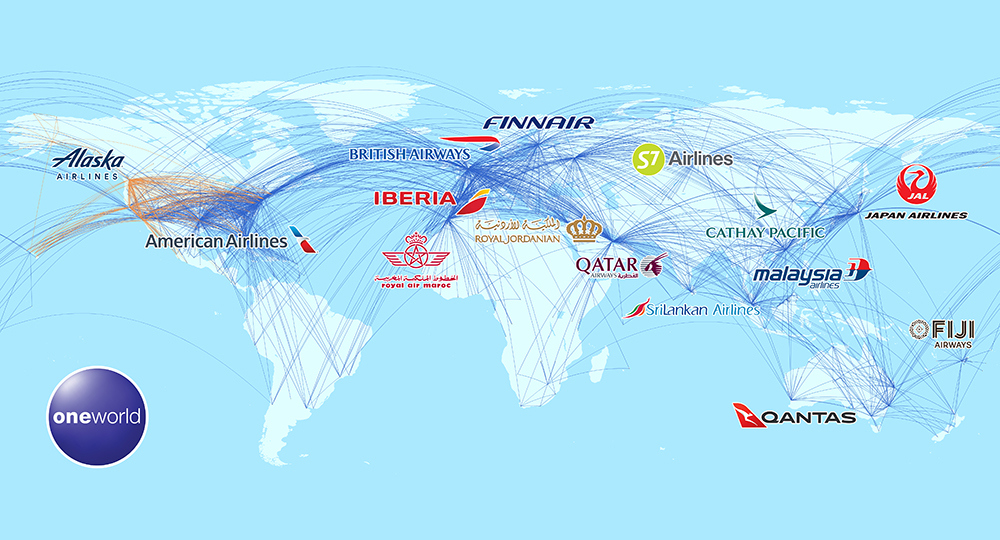
The most common way for Alaskans or visitors to Alaska to reach international destinations beyond Canada is by flying to a major United States hub first. Key airports for such connections include Seattle-Tacoma International Airport (SEA), which is a primary gateway for Alaska Airlines, Delta Air Lines, and others. Other popular connecting hubs include Portland International Airport (PDX), Denver International Airport (DEN), Minneapolis-Saint Paul International Airport (MSP), or even major East Coast or Midwest hubs like Chicago O’Hare International Airport (ORD) depending on the final international destination. Airlines like Alaska Airlines, Delta Air Lines, United Airlines, and American Airlines offer extensive domestic networks that feed into these international gateways, making global travel accessible from Alaska with one or two stops.
Essential Travel Considerations and Customs
Embarking on international travel from Alaska necessitates careful attention to standard international travel protocols. Travelers must ensure their passports are valid for at least six months beyond their intended return date and verify any visa requirements for their destination country. When connecting through a lower-48 United States airport, international travelers will typically clear United States Customs and Border Protection at their first point of entry into the country. It is also wise to consider travel insurance that covers international medical emergencies, trip cancellations, and lost baggage, especially given the multi-leg nature of many journeys from Alaska. Adequate layover times are crucial when planning connecting flights, particularly when changing airlines or terminals, to allow for potential delays and re-checking baggage if necessary.
Future Prospects for Alaskan International Travel
The landscape of international travel from Alaska is dynamic, influenced by global economic trends, tourism demands, and evolving aviation logistics. While Anchorage’s role as a cargo hub is well-established, there is ongoing discussion and potential for expansion in its direct international passenger service, primarily driven by the state’s growing appeal as a unique travel destination.
Growing Tourism and Economic Drivers
Alaska’s allure as a tourist destination continues to grow, attracting visitors interested in its vast wilderness, majestic glaciers, abundant wildlife, and cultural experiences. The booming cruise industry and the increasing popularity of aurora tourism in winter bring a significant influx of international visitors, many of whom express interest in more direct access. As the global tourism market expands, particularly from Asia and Europe, the demand for direct flights to Alaska could strengthen. Furthermore, Alaska’s resource industries, including oil, gas, and mining, also generate a steady flow of business travelers who could benefit from more direct international air links. These economic drivers present compelling arguments for airlines to consider new routes.

Potential New Routes and Market Demand
While challenges such as Alaska’s relatively small resident population and the highly seasonal nature of its tourism industry exist, the strategic location of Anchorage and the unique draw of the state provide a basis for potential new international routes. Airlines are always assessing market demand, and if the consistent flow of international visitors and business travelers reaches a critical mass, new seasonal or even year-round direct flights to key international markets could emerge. Partnerships between Alaska tourism boards, airport authorities, and international airlines could play a crucial role in developing and promoting such routes. While a widespread network of international destinations is unlikely given current market conditions, targeted expansion to high-demand regions remains a realistic prospect, further solidifying Alaska’s place on the global travel map.
LifeOutOfTheBox is a participant in the Amazon Services LLC Associates Program, an affiliate advertising program designed to provide a means for sites to earn advertising fees by advertising and linking to Amazon.com. Amazon, the Amazon logo, AmazonSupply, and the AmazonSupply logo are trademarks of Amazon.com, Inc. or its affiliates. As an Amazon Associate we earn affiliate commissions from qualifying purchases.