
When envisioning a trip to Alaska, images of towering glaciers, vast wilderness, abundant wildlife, and dramatic mountain ranges typically come to mind. Thoughts of extreme cold, long summer days, and endless winter nights often follow. However, one natural phenomenon rarely associated with the Last Frontier is the tornado. For travelers planning an Alaskan adventure, understanding the local climate and its potential hazards is paramount. So, does Alaska, a land synonymous with raw, untamed nature, experience tornadoes? The short answer is yes, but with significant caveats that make it an almost negligible concern for visitors.
The Alaskan Climate: A Land of Extremes, But Not Typically Twisters
Alaska’s sheer size and diverse geography lead to a wide range of climatic conditions across the state. From the maritime climate of its southern coast to the arctic conditions of the far north, weather patterns are complex and often extreme. Yet, the specific meteorological ingredients required for significant tornado formation are conspicuously absent for most of the year in most regions.

Understanding Alaska’s Unique Geography and Meteorology
Tornadoes typically form from severe thunderstorms that develop when warm, moist air meets cool, dry air, creating atmospheric instability, wind shear (changes in wind speed and direction with height), and a strong updraft. This combination is common in the central United States, earning it the moniker “Tornado Alley“.
Alaska’s geography, however, largely prevents these conditions from converging effectively. The dominant weather patterns are influenced by the cold waters of the Pacific Ocean and the Arctic Ocean, vast mountain ranges like the Alaska Range and the Brooks Range, and the overall high latitude. Even during the warmer summer months, the air masses tend to be cooler and less humid than those found in the lower 48 states, reducing the fuel for the intense, rotating thunderstorms that spawn tornadoes.
Furthermore, the persistent cool temperatures and stable atmospheric conditions over much of Alaska generally inhibit the development of the strong convection necessary for tornadic activity. The relatively shallow layer of warm air that does occur in summer is usually not enough to support the deep, persistent updrafts required.
Why Tornadoes Are Rare in the Arctic and Sub-Arctic
The rarity of tornadoes in Alaska stems from a combination of factors:
- Lack of Sufficient Warm, Moist Air: The primary ingredient for tornado formation—warm, humid air—is scarce in Alaska, even in summer. Temperatures rarely reach the levels needed for widespread instability, and the air moisture content is often low.
- Reduced Wind Shear: While Alaska certainly experiences strong winds, the specific type of wind shear (changes in wind direction and speed at different altitudes) needed to induce rotation in thunderstorms is less common.
- Stable Atmosphere: Much of Alaska’s atmosphere is stable, characterized by temperature inversions (where temperature increases with altitude), which suppress vertical air movement and the development of severe thunderstorms.
- Rough Topography: While not a definitive deterrent, mountainous terrain can disrupt the large-scale wind patterns and storm structures necessary for tornado genesis. Storms are often forced to ride over or around terrain features rather than developing into organized supercells.
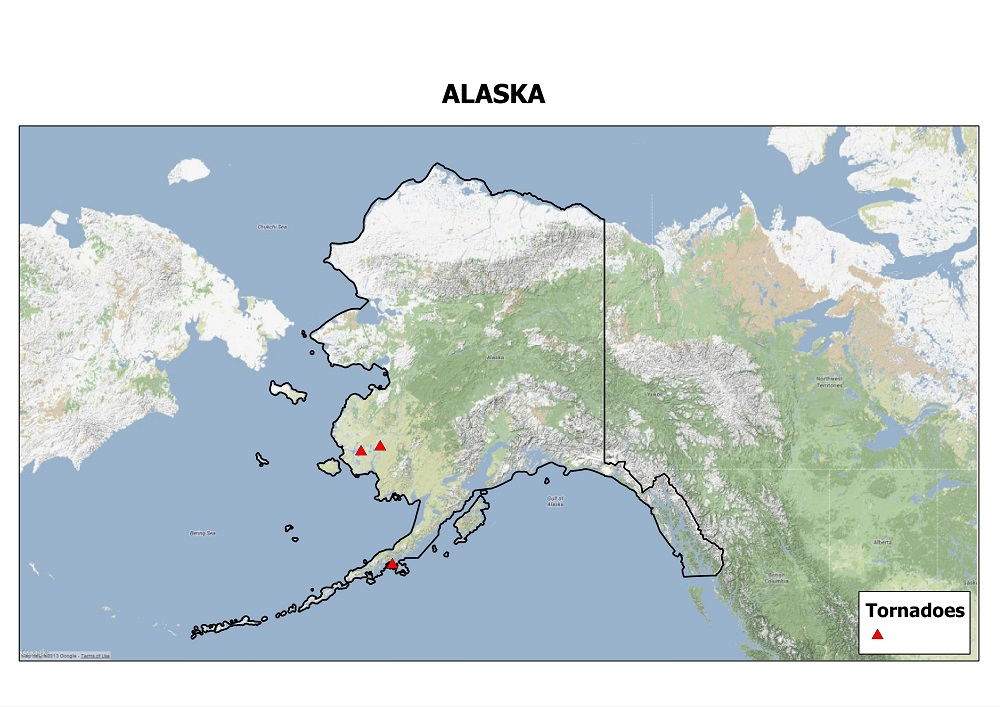
Despite these factors, Alaska is not entirely immune. Small, weak, and short-lived tornadoes, often called landspouts or waterspouts (when over water), can occasionally occur. These are typically not associated with supercell thunderstorms and are less powerful and destructive than their counterparts in the midwestern United States.
Documented Tornado Events in Alaska
Given the meteorological challenges, it’s not surprising that tornadoes are exceptionally rare in Alaska. However, to say they never happen would be inaccurate. Historical records, though sparse, do indicate a handful of occurrences.
Rare Occurrences: A Look at the Historical Record
The National Weather Service (NWS) and NOAA maintain databases of tornado events. These records confirm that Alaska experiences perhaps one tornado every few years, if that. When they do occur, they are almost universally classified as F0 or EF0 on the Fujita/Enhanced Fujita scale, meaning they are the weakest category of tornado, with wind speeds typically below 73 mph (117 km/h). Such tornadoes usually cause minimal damage, primarily affecting trees or light structures.
One notable instance occurred in 2005 near Talkeetna, where an F0 tornado was reported. Another was documented in 1999 near Palmer. These events are so infrequent and minor that they rarely pose a threat to populated areas or travel routes. Most reported “tornadoes” in Alaska are short-lived, localized wind events, often in remote, uninhabited areas, making verification difficult. The chances of a traveler encountering a tornado in Alaska are astronomically low—far less likely than seeing a bear or experiencing a powerful earthquake.
Distinguishing Tornadoes from Other Alaskan Wind Events

It’s crucial for travelers to understand that while tornadoes are rare, strong winds are not. Alaska is accustomed to powerful windstorms, especially along its coasts and in mountainous passes. These can be associated with intense low-pressure systems, blizzards, or even localized downbursts from thunderstorms. These straight-line winds, while potentially destructive to property and a hazard for transportation, are fundamentally different from the rotating winds of a tornado.
Coastal communities along the Gulf of Alaska and the Aleutian Islands frequently experience hurricane-force winds. Inland areas, particularly around large glacial valleys or mountain ranges like Mount Denali, can also channel and amplify winds. While these strong winds require vigilance and respect from travelers, they are a predictable part of Alaska’s weather, unlike the unpredictable nature of tornadoes in “Tornado Alley.”
The Impact on Travel and Adventure in Alaska
For the vast majority of visitors, the prospect of encountering a tornado in Alaska should not be a concern. The risks associated with other natural phenomena are far more significant and deserve greater attention during trip planning.
Planning Your Alaskan Journey: What to Expect from the Weather
When planning your Alaskan journey, focus on preparing for the more common and impactful weather elements:
- Rain and Mist: Especially in coastal and southeastern Alaska (the Inside Passage), rain is frequent, even in summer. Pack waterproof and quick-drying gear.
- Temperature Swings: Days can be mild, but evenings can turn chilly, even in summer. Layers are essential.
- Strong Winds: Be prepared for windy conditions, especially if hiking in exposed areas or taking ferry trips.
- Sudden Changes: Alaskan weather is notoriously changeable. A sunny morning can quickly give way to rain, fog, or snow, particularly in higher elevations. Always check local forecasts and be prepared for various conditions on any given day.
- Extended Daylight/Darkness: Depending on the season, you’ll experience extreme variations in daylight hours. This isn’t a weather phenomenon, but it dramatically impacts travel and outdoor activities.
The focus should be on robust outdoor gear, flexible itineraries, and a healthy respect for the immense scale and power of Alaskan nature, rather than on tornado preparedness.
Safety Considerations Beyond Tornadoes for Alaskan Visitors
While tornadoes can largely be dismissed from your Alaskan safety checklist, other natural hazards warrant serious consideration:
- Wildlife Encounters: Bears (grizzly and black), moose, and other large animals are common. Know how to store food, make noise on trails, and react appropriately if an encounter occurs.
- Hypothermia: Even in summer, prolonged exposure to cold, wet conditions can lead to hypothermia. Always carry appropriate clothing and know the signs.
- Navigation Challenges: Vast, untracked wilderness and rapidly changing weather can make navigation difficult. Carry maps, a compass, and a GPS device, and know how to use them. Inform others of your plans.
- Earthquakes and Tsunamis: Alaska is one of the most seismically active regions in the world. While major earthquakes are infrequent, minor tremors are common. If you are in a coastal area and feel a strong earthquake, head immediately to higher ground as a tsunami could follow.
These are the real natural risks that travelers to Alaska should educate themselves about and prepare for, far outweighing any concern about tornadoes.
Exploring Alaska’s True Natural Wonders (and Risks)
Alaska’s allure lies in its majestic and powerful natural environment. Understanding its true natural phenomena, both beautiful and potentially hazardous, is part of appreciating this unique destination.
Beyond Wind: Volcanic Activity, Earthquakes, and Tsunamis
Unlike tornadoes, which are almost foreign to Alaska’s meteorological profile, other intense geological forces are an integral part of the state’s identity. Alaska sits on the “Pacific Ring of Fire,” making it home to numerous active volcanoes, particularly along the Aleutian Islands and the Alaska Peninsula. While eruptions are usually localized, they can impact air travel across the state and beyond, as volcanic ash plumes pose a significant hazard to aircraft.
As mentioned, earthquakes are a regular occurrence, ranging from imperceptible tremors to powerful, destructive events. The 1964 Good Friday Earthquake, centered near Anchorage, was the second-largest ever recorded globally and generated devastating tsunamis. For travelers in coastal areas, being aware of tsunami evacuation routes and procedures is a far more practical safety measure than worrying about tornadoes.
Alaska’s Allure: Embrace the Wilderness Responsibly
Ultimately, the answer to “Does Alaska get tornadoes?” is a qualified “yes,” but the likelihood of encountering one is so remote it’s not a practical concern for travelers. The true beauty and challenge of Alaska lie in its vast, often unforgiving, yet breathtakingly beautiful wilderness.
Planning a trip to Alaska means preparing for its genuine natural character: embracing unpredictable weather, respecting wildlife, and understanding the profound geological forces that shape its landscapes. Rather than fearing the extremely rare tornado, travelers should focus on responsible outdoor practices, proper gear, and an appreciation for the magnificent, untamed spirit of Alaska. This preparation will ensure a safe, memorable, and truly immersive experience in one of the world’s last great wild places.
LifeOutOfTheBox is a participant in the Amazon Services LLC Associates Program, an affiliate advertising program designed to provide a means for sites to earn advertising fees by advertising and linking to Amazon.com. Amazon, the Amazon logo, AmazonSupply, and the AmazonSupply logo are trademarks of Amazon.com, Inc. or its affiliates. As an Amazon Associate we earn affiliate commissions from qualifying purchases.