
Alaska, often hailed as the Last Frontier, beckons adventurers with its breathtaking landscapes, unparalleled wildlife, and unique cultural experiences. From the majestic peaks of Mount Denali to the vibrant waters teeming with marine life, it’s a destination that promises unforgettable experiences. As you plan your dream travel to this incredible state, one practical question often arises: “Does Alaska have sales tax?” The answer holds a pleasant surprise for many travelers and can significantly impact your overall budget travel strategy or even enhance your luxury travel lifestyle.
Unlike most other states in the United States, Alaska stands out for its unique approach to taxation. This guide will delve into Alaska’s sales tax policy, explain how it impacts visitors, and offer comprehensive tips on budgeting for various aspects of your trip, including accommodation, food, activities, and shopping. Understanding these nuances will help you make the most of your Alaskan adventure, ensuring a smooth and financially savvy journey.
Unpacking Alaska’s Sales Tax Policy
When planning a trip to a new destination, understanding the local tax structure is a key component of effective budgeting. For those considering Alaska, the sales tax landscape presents a distinct advantage compared to many other popular travel spots.
The Statewide Absence of Sales Tax
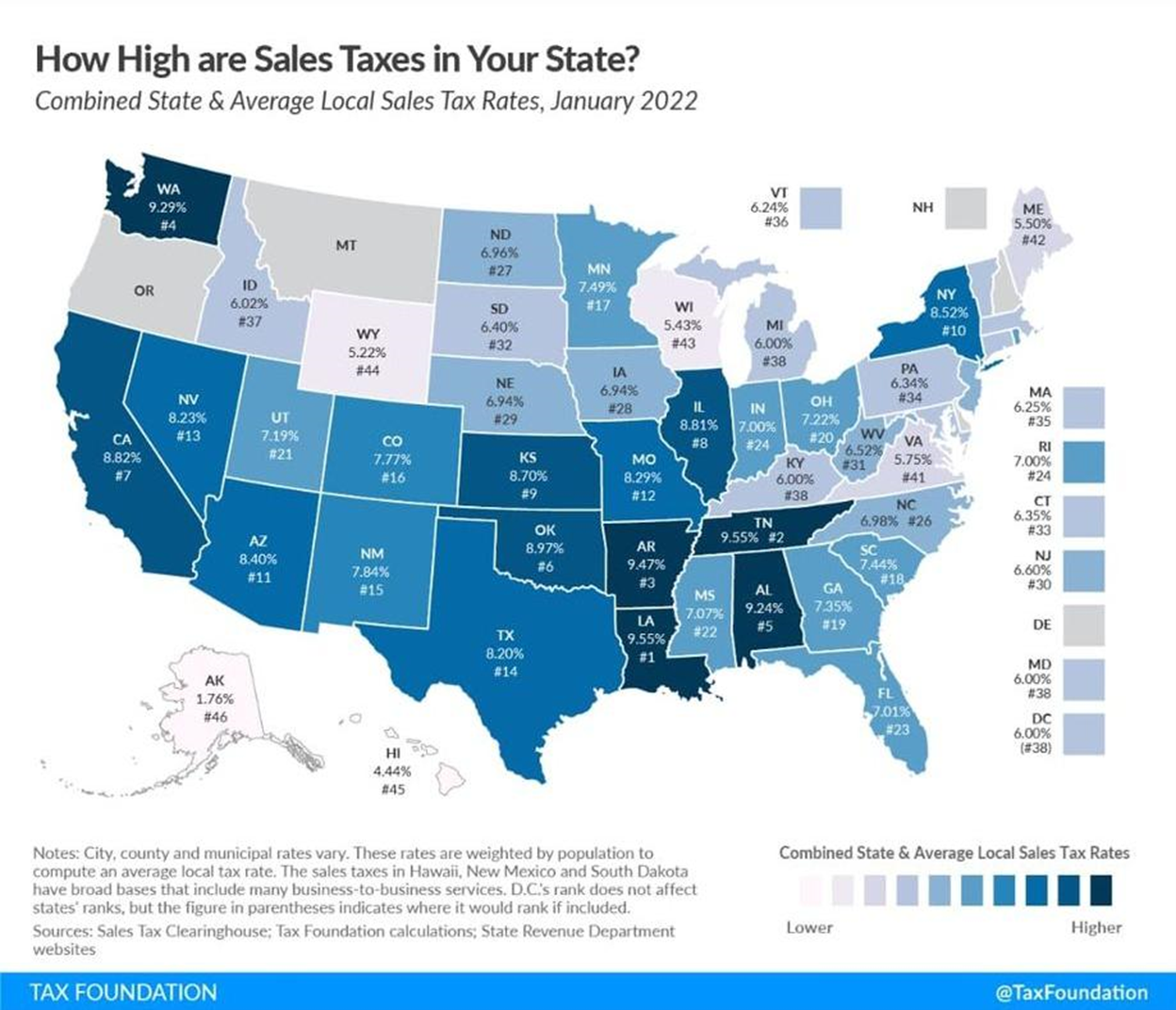
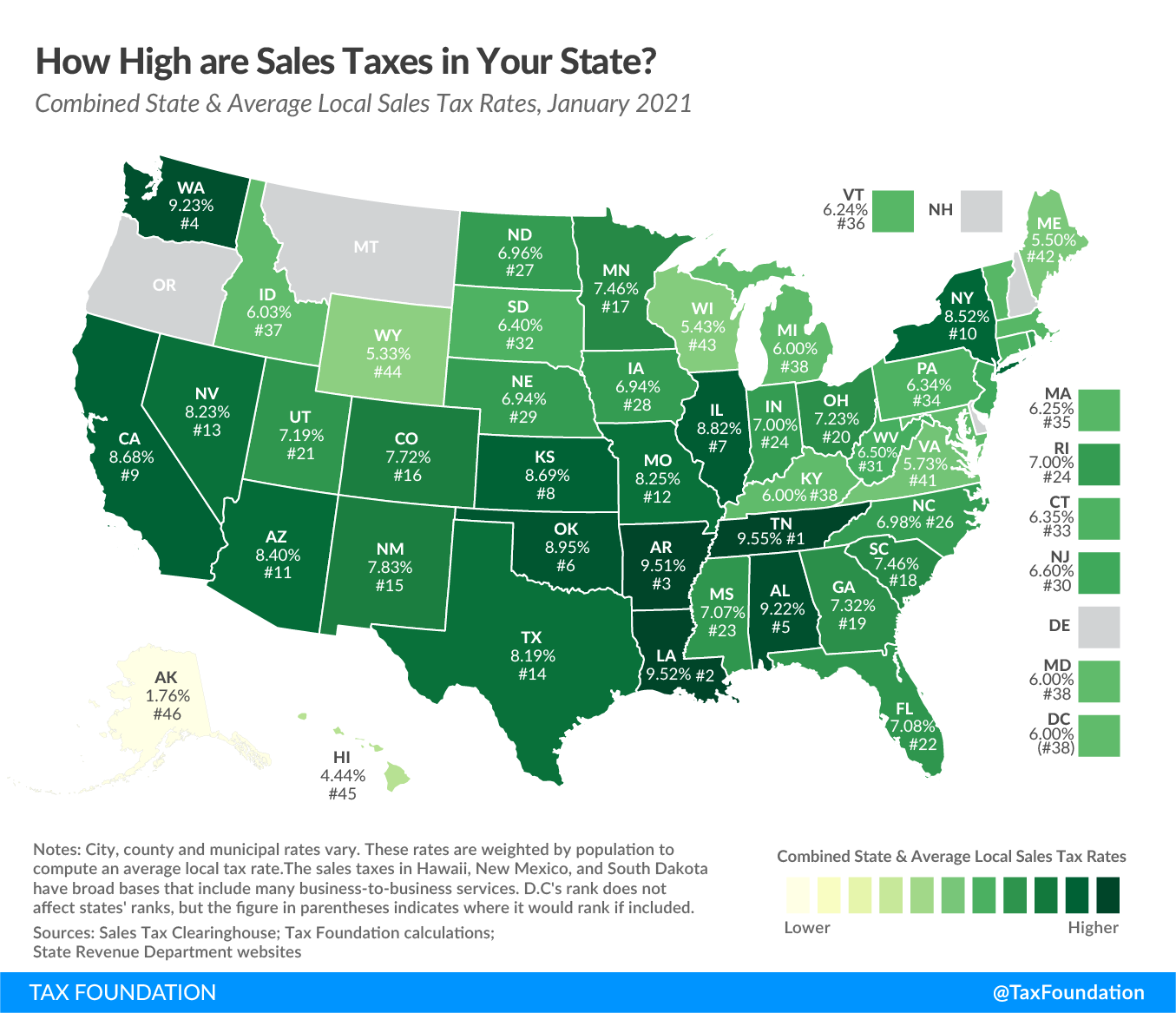
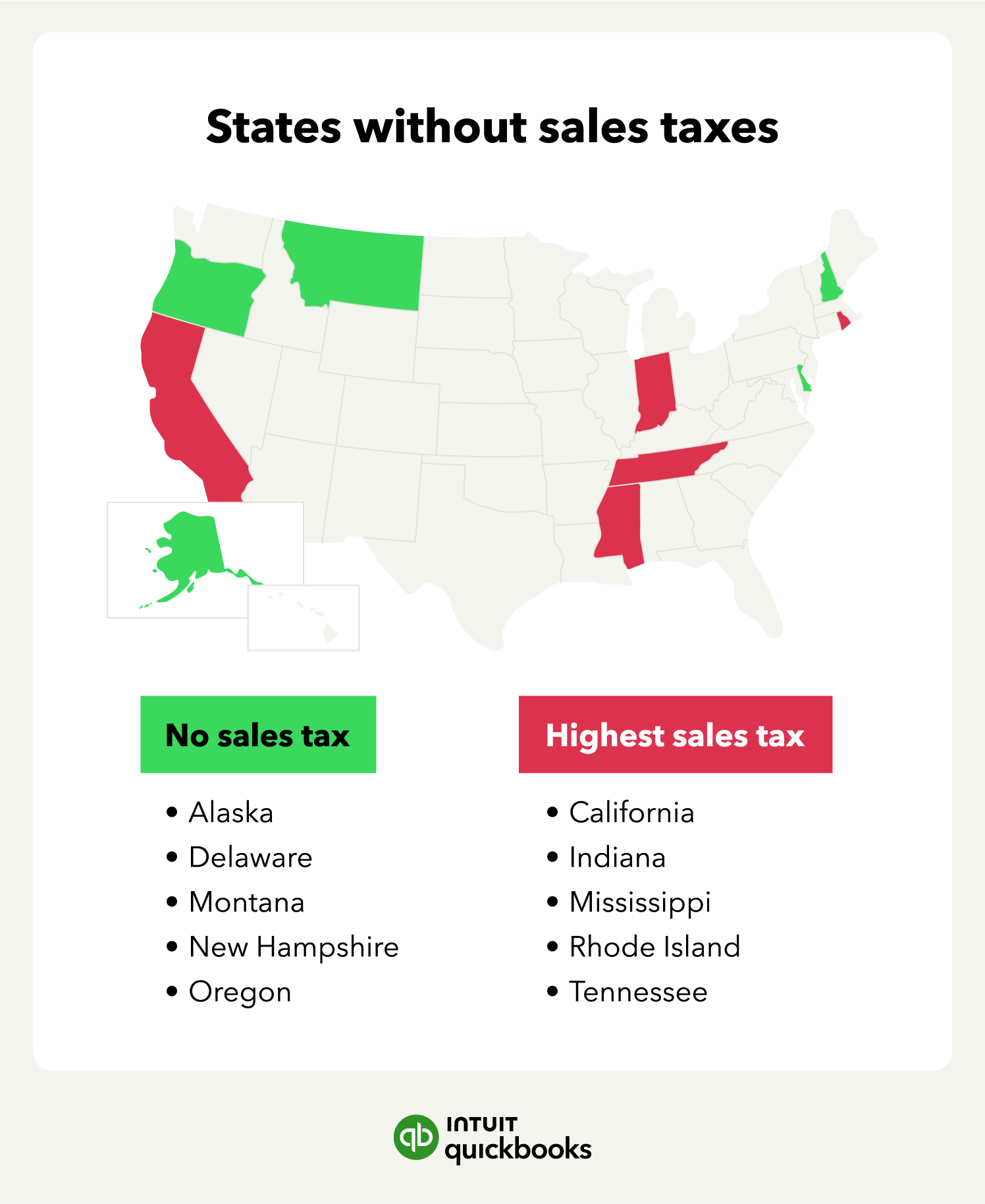
The primary and most significant fact regarding sales tax in Alaska is straightforward: the state of Alaska itself does not levy a statewide sales tax. This means that, at the state level, you won’t pay extra percentages on goods and services you purchase, from a gallon of milk to a new outdoor jacket. This policy is a considerable draw for visitors, as it directly translates to lower overall costs for many purchases. For travelers coming from states with high sales taxes, this can represent substantial savings over the course of a trip, especially when considering bigger purchases or simply the cumulative effect of daily spending. The absence of a state sales tax is largely due to Alaska’s significant revenue generated from oil resources, which allows the state to fund public services without relying on a broad-based sales tax. This unique economic model directly benefits both residents and the millions of tourism-driven visitors who flock to the state each year.
Local Sales Taxes: A Regional Nuance
While the absence of a statewide sales tax is a major plus, it’s crucial to understand that local municipalities in Alaska do have the authority to impose their own sales taxes. This means that while you might not encounter sales tax in some areas, other towns and boroughs will have specific rates that apply to various transactions. These local sales taxes are typically used to fund local services, infrastructure, and community projects, providing essential resources that enhance the quality of life for residents and the experiences of visitors.
For instance, popular cities like Juneau, Ketchikan, and Sitka—all significant cruise ship ports and tourist hubs—do levy local sales taxes, with rates that can vary from 3% to 7%. Smaller communities might also have their own rates. These local taxes apply to a wide range of goods and services, including retail purchases, restaurant meals, and often certain activities or excursions.
It’s highly advisable for travelers to research the specific sales tax rates of the towns and boroughs they plan to visit. This information is usually readily available on the respective municipal government websites or through local tourism boards. Knowing these local variations in advance allows for more accurate budgeting and prevents any unexpected costs, particularly when moving between different regions of the state. Cities like Anchorage and Fairbanks, two of Alaska’s largest urban centers, notably do not have a local sales tax, providing further savings for visitors in these areas. This regional variance underscores the importance of a well-planned itinerary and a little pre-trip research to fully leverage Alaska’s unique tax environment.
Maximizing Your Alaskan Adventure: Budgeting Beyond Sales Tax
Beyond the specific intricacies of sales tax, optimizing your budget for an Alaskan adventure involves considering all aspects of your trip. The savings you might gain from the lack of a statewide sales tax can be strategically reallocated to enhance other elements of your travel, from more comfortable accommodation to thrilling experiences.
Accommodation and Lodging: Understanding Your Options
One of the largest components of any travel budget is accommodation. In Alaska, while you won’t typically pay state sales tax on your hotel room, it’s almost certain that you will encounter local lodging or bed taxes. These taxes, which are distinct from sales tax, are common across many destinations worldwide and are specifically applied to overnight stays in hotels, resorts, suites, apartments, cabins, and other forms of lodging. The revenue generated from these taxes often directly supports local tourism marketing, visitor services, and infrastructure improvements that benefit both travelers and residents.
Alaska offers a vast array of accommodation options to suit every lifestyle and budget. In major cities like Anchorage and Fairbanks, you’ll find a range of chain hotels offering various amenities, from standard rooms to spacious suites and apartments suitable for family trips or long-term stays. Coastal towns like Seward or Homer often feature charming boutique hotels, rustic lodges, and quaint bed and breakfasts, many boasting stunning views of the surrounding wilderness. For those seeking more adventurous or secluded options, wilderness lodges and remote cabins provide immersive experiences deep within Alaska’s vast interior or along its rugged coastline.
When booking your stay, it’s crucial to read the fine print and clarify whether local lodging taxes are included in the advertised price or added separately. Utilizing comparison websites and reading reviews can help you find the best value. Booking well in advance, especially for peak season (June to August), is highly recommended to secure preferred locations and rates, particularly for popular resorts like Alyeska Resort near Girdwood. Whether you opt for a luxurious wilderness villa or a cozy apartment in a bustling town, understanding these lodging taxes will ensure a transparent and stress-free accommodation experience.
Activities and Experiences: Tax-Free or Not?
The heart of any Alaskan adventure lies in its incredible range of activities and experiences. From exhilarating glacier cruises to serene wildlife viewing tours, there’s an endless array of ways to immerse yourself in the Last Frontier. The application of sales tax to these attractions and activities follows the same principle as other purchases: no statewide sales tax, but potential local sales taxes depending on the municipality where the activity originates or is purchased.
Consider a multi-day hike through Denali National Park or a breathtaking boat tour in Glacier Bay National Park. If these experiences are booked in a city with a local sales tax, that tax will likely apply. However, if you’re booking an excursion from Anchorage, where there’s no local sales tax, you’ll generally avoid that extra charge. This distinction can be particularly relevant for larger travel groups or those undertaking multiple costly activities, such as flightseeing tours over Mount Denali or extended kayaking trips in Kenai Fjords National Park.
Popular activities and attractions across Alaska include:
- Wildlife Viewing: Bear viewing tours, whale watching cruises, birdwatching guides.
- Outdoor Adventures: Hiking, glacier trekking, fishing charters, kayaking, rafting, dog sledding.
- Scenic Tours: Flightseeing, helicopter tours, Alaska Railroad journeys along scenic routes.
- Cultural Immersion: Visits to Native Alaska heritage centers, local museums, and cultural performances.
When researching activities, always check the total price and inquire about any applicable local taxes. Many tour operators clearly state whether taxes are included in their advertised prices. The savings from the lack of a statewide sales tax can be significant, allowing you to invest more in truly unique and memorable Alaskan experiences.
Dining and Shopping: Local Flavors and Unique Souvenirs
Exploring the local culture through its food and unique souvenirs is an integral part of any travel experience. Alaska’s culinary scene, particularly its fresh seafood, is a major draw. From king crab legs to wild salmon, dining out is an essential experience. Similarly, bringing home a piece of Alaska in the form of local art, handcrafted jewelry, or unique gifts is a cherished tradition.
When it comes to food, you won’t encounter a state sales tax on groceries or restaurant meals. However, as with other goods and services, local sales taxes may apply to restaurant bills and prepared food items in municipalities that levy such taxes. This means a meal in Juneau will likely have a local sales tax added, while a similar meal in Anchorage will not. For budget-conscious travelers or those on family trips, purchasing groceries to prepare some meals can be a great way to save money, especially since grocery purchases are generally free from statewide sales tax.
Shopping for souvenirs also benefits from Alaska’s tax structure. Imagine purchasing an intricate carving from a Native Alaskan artist, a piece of local jewelry, or a warm fleece jacket for your adventures. In areas without local sales tax, these items will be sold at their sticker price, providing a direct saving compared to shopping in states with a general sales tax. This can make shopping for higher-value items like art or specialized outdoor gear particularly appealing in non-taxed areas. Cities like Anchorage and Fairbanks offer excellent shopping opportunities without the added burden of sales tax, making them ideal places to find those perfect keepsakes. This unique tax landscape encourages visitors to explore local culture and craftsmanship, making their purchases feel even more special.
Lifestyle Choices: From Luxury to Budget Travel in Alaska
Alaska’s sales tax policy has implications for all types of travelers, regardless of their preferred lifestyle or budget. The absence of a statewide sales tax offers tangible benefits that can enhance a trip, whether it’s a no-expense-spared luxury escape or a meticulously planned budget adventure.
Luxury Travel in the Last Frontier
For those indulging in luxury travel, the lack of a statewide sales tax in Alaska adds an unexpected layer of value. High-end resorts, exclusive guided tours, private charter flights, gourmet dining experiences, and premium accommodations all represent significant expenditures. Without the addition of a state sales tax, these costs are inherently lower than they would be in many other luxury destinations.
Imagine booking a stay at a world-class resort like Alyeska Resort in Girdwood, complete with spa amenities and fine dining. Or perhaps an exclusive wildlife viewing experience deep within a national park. The thousands of dollars spent on such lavish experiences would typically incur substantial sales tax in many other states, potentially adding hundreds or even thousands more to the final bill. In Alaska, these savings can be quite considerable, allowing luxury travelers to either reduce their overall spending or reallocate those funds to even more opulent upgrades or extended stays. This tax advantage positions Alaska as an even more attractive option for discerning travelers seeking unparalleled grandeur without unnecessary additional costs.
Budget-Friendly Alaskan Adventures
Conversely, for budget travel enthusiasts and families planning family trips, the absence of a statewide sales tax is an even more pronounced benefit. Every dollar saved counts, and avoiding sales tax on everyday purchases like groceries, souvenirs, and gas can accumulate into significant savings over the course of a trip. These savings can then be utilized to fund additional activities, extend the duration of the trip, or simply ease the financial burden of travel.
Practical tips for budget-friendly travel in Alaska that leverage its tax policy include:
- Self-Catering: Purchase groceries in cities without local sales tax (like Anchorage or Fairbanks) and prepare meals at your accommodation if it has kitchen amenities (e.g., apartments or cabins). This saves on both restaurant markups and potential local sales tax on dining out.
- Free Attractions: Focus on Alaska’s incredible natural landmarks and attractions that are free to access, such as hiking trails in state parks, scenic viewpoints along the Alaska Highway, or observing wildlife from designated areas.
- Camping: Opt for camping in national forests or state parks, which often have lower fees than hotels and allow for self-catering, further reducing costs.
- Strategic Shopping: If you plan on purchasing larger items or numerous souvenirs, aim to do so in cities without local sales tax to maximize your savings.
By being mindful of where and what you purchase, budget travelers can significantly stretch their dollars in Alaska, allowing for a more extensive and fulfilling adventure without compromising on the quality of their experiences.
Essential Travel Tips for Your Alaskan Journey
A successful Alaskan journey requires careful planning, not just financially, but logistically. Beyond understanding the tax implications, a few essential travel tips can significantly enhance your trip, ensuring a memorable and smooth experience.
Planning Your Itinerary and Understanding Costs
Effective itinerary planning is paramount for a trip to Alaska, especially given its vastness and the varying local tax rates. Start by outlining the main destinations and attractions you wish to visit. Are you dreaming of the northern lights in Fairbanks, glacier viewing from Seward, or the vibrant local culture of Juneau? Each location may present different lodging tax and potential local sales tax considerations.
- Research Local Taxes: Before booking anything, verify the local sales tax and lodging tax rates for each town or borough on your itinerary. This information is typically found on municipal websites or by contacting local tourism boards.
- Factor in All Costs: Remember that while sales tax might be minimal or absent, other costs like transportation (car rentals, flights, ferry services), fuel (which can be expensive in remote areas), and entry fees for some parks or private attractions will still apply. Guides and tour packages should clearly state what is included.
- Cruise Ship Passengers: If you’re visiting Alaska via a cruise, be aware that most port cities (like Juneau, Ketchikan, and Sitka) do have local sales taxes. Your purchases and shore excursions in these towns will likely be subject to these rates.
- Best Time to Visit: Consider the time of year for your visit. Summer (June-August) offers the warmest weather and longest daylight hours, making it ideal for outdoor activities and wildlife viewing, but it’s also peak season, meaning higher prices for accommodation and tours. For aurora viewing, late August through April is generally best.
Embracing Alaska’s Unique Charm
Beyond the practicalities of taxation and budgeting, the true magic of Alaska lies in its unparalleled natural beauty and the spirit of adventure it embodies. Don’t let financial considerations overshadow the wonder of your trip. The primary reason to visit Alaska is to immerse yourself in its vast wilderness, witness its incredible wildlife, and connect with its rich history and local culture.
- Be Flexible: While planning is essential, be open to spontaneous experiences. Sometimes the best moments in Alaska happen when you least expect them – a sudden wildlife sighting or an unexpected detour.
- Dress in Layers: Alaska’s weather can be unpredictable, even in summer. Dressing in layers is crucial for comfort and safety.
- Respect the Environment: Alaska’s pristine nature is its greatest treasure. Practice Leave No Trace principles to preserve its beauty for future generations.
- Engage with Locals: Alaskans are often friendly and full of valuable insights. Don’t hesitate to ask for tips on the best local spots or hidden attractions.
From its majestic landmarks to its vibrant tourism industry, Alaska promises an unforgettable journey. By understanding its unique tax structure and embracing these travel tips, you’re well on your way to a truly remarkable adventure in the Last Frontier.
In conclusion, Alaska offers a unique advantage for travelers: no statewide sales tax. This policy can lead to significant savings on goods and services, enhancing both luxury travel and budget travel lifestyles. However, it’s vital to remember that individual municipalities may impose their own local sales taxes and lodging taxes, so a bit of research for your specific destinations is always recommended. By being aware of these nuances, you can skillfully plan your accommodation, activities, food, and shopping to maximize your Alaskan adventure. So, as you dream of glaciers, wildlife, and the vast wilderness, rest assured that your journey to the Last Frontier offers not just incredible experiences but also potential financial benefits. Start planning your extraordinary trip to Alaska today, with the knowledge that a well-informed traveler is a happy traveler.
LifeOutOfTheBox is a participant in the Amazon Services LLC Associates Program, an affiliate advertising program designed to provide a means for sites to earn advertising fees by advertising and linking to Amazon.com. Amazon, the Amazon logo, AmazonSupply, and the AmazonSupply logo are trademarks of Amazon.com, Inc. or its affiliates. As an Amazon Associate we earn affiliate commissions from qualifying purchases.