
For many considering a trip to the vast and majestic landscapes of Alaska, or even contemplating a more permanent move to the Last Frontier, one question often emerges amidst the excitement of planning: What about taxes? Understanding the financial landscape of any destination is crucial, whether you’re budgeting for a short vacation, planning an extended stay, or simply curious about how a state operates its economy. When it comes to state income tax, Alaska stands out significantly from most other states in the United States, offering a unique financial environment that influences everything from local commerce to the cost of living and the overall experience for visitors and residents alike.
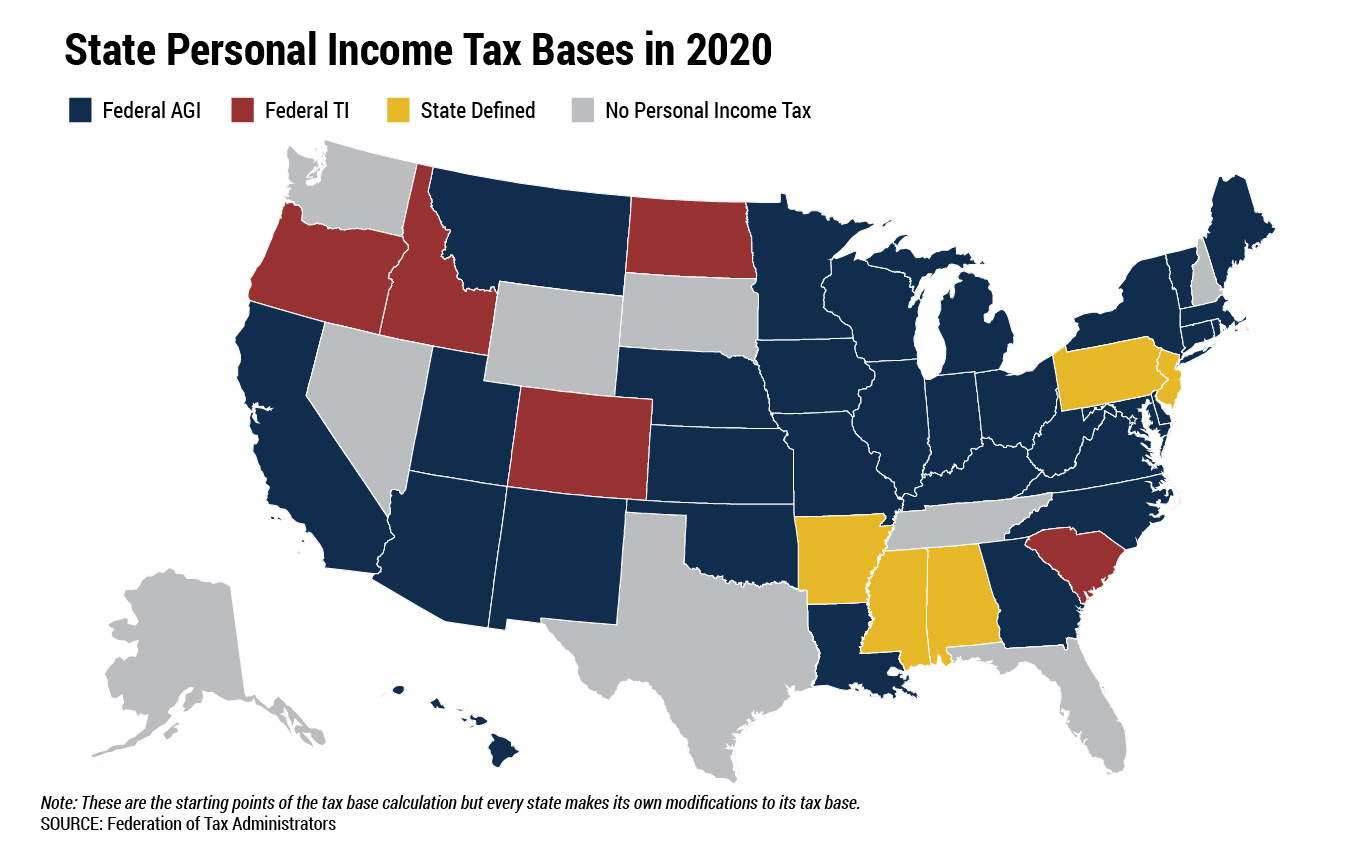
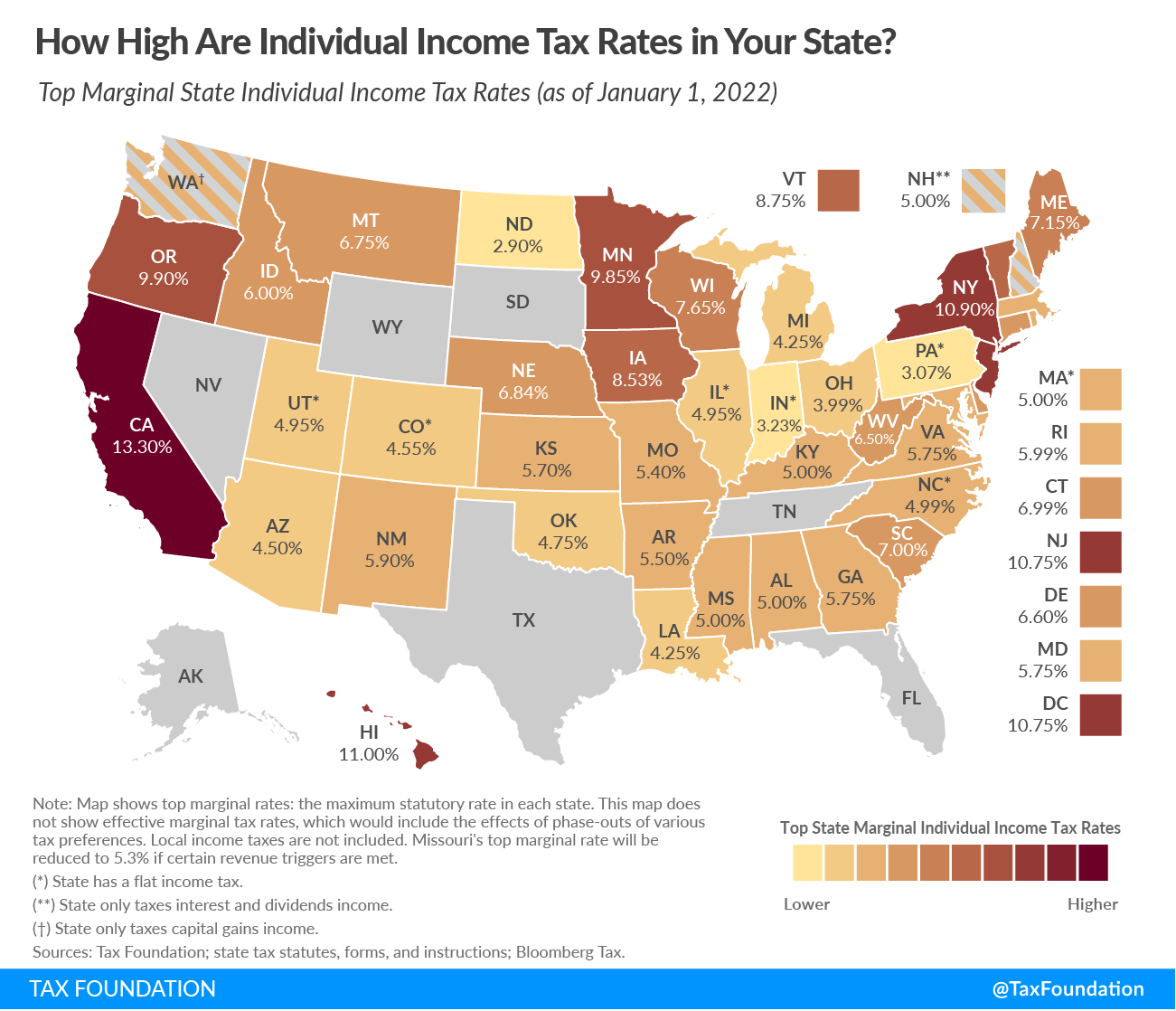
The direct answer to the question, “Does Alaska have state income tax?” is a resounding no. Alaska is one of a handful of states that does not levy a state income tax on its residents. This fundamental aspect of Alaska’s fiscal policy is deeply intertwined with its rich natural resources, particularly oil, which has historically fueled much of the state’s budget through severance taxes and royalties. This unique economic model has profound implications not just for those who call Alaska home, but also for travelers exploring its unparalleled wilderness, bustling cities like Anchorage, or the charming coastal towns along the Inside Passage. From the pricing of accommodation to the overall cost of a luxury travel experience or a budget-friendly family trip, the absence of state income tax subtly shapes the financial dynamics visitors encounter.

The Alaskan Tax Landscape: What You Need to Know
Understanding Alaska’s tax structure goes beyond simply knowing there’s no state income tax. It’s a complex system that relies heavily on its natural resource wealth, allowing it to forgo many of the taxes common in other states. This creates a distinct economic environment worth exploring for anyone interested in travel, tourism, or long-term accommodation within the state.
No State Income Tax, No State Sales Tax: A Unique Economic Model
One of the most striking features of Alaska’s financial model is not just the absence of a state income tax, but also the absence of a statewide sales tax. This means that when you purchase goods or services across much of the state, you won’t encounter an additional sales tax added to the price at the register. This can be a pleasant surprise for travelers accustomed to varying sales tax rates in other destinations.
However, it’s crucial to note that while there is no statewide sales tax, individual municipalities and boroughs in Alaska do have the option to levy their own local sales taxes. For example, towns like Ketchikan, Sitka, and Juneau, particularly those popular with cruise ship passengers, often have local sales taxes ranging from 2% to 7.5%. These local taxes help fund municipal services and infrastructure, which in turn support the local tourism industry and the overall lifestyle of residents. Similarly, some cities might have specific bed taxes or tourism taxes on hotel stays, which directly impact accommodation costs. Always check the local regulations for the specific Alaskan destinations you plan to visit, such as Fairbanks, Seward, or Homer.
Understanding Property Taxes and Local Levies
While the absence of state income and sales taxes might sound like a dream for residents, Alaska does rely on other forms of taxation to fund public services. Property taxes are a significant component of local revenue for many Alaskan communities. The rates and assessment methods vary widely depending on the borough or municipality. For individuals considering long-term accommodation, perhaps purchasing a vacation home or relocating, understanding these local property tax rates is essential for budgeting.
Beyond property taxes, there can be other local levies and fees. For instance, a city might impose a specific tax on tourism-related businesses, or a borough might have special assessment districts. These local revenues contribute to maintaining the infrastructure that supports tourism, such as roads, parks, and public safety services, enhancing the overall experience for visitors exploring landmarks like Denali National Park or Glacier Bay National Park.
The Alaska Permanent Fund Dividend: A Resident’s Benefit
A truly unique aspect of Alaska’s financial structure is the Alaska Permanent Fund Dividend (PFD). Established in 1976, the Permanent Fund is a constitutionally protected savings account funded by at least 25% of the state’s oil revenues. Each year, a portion of the fund’s earnings is distributed to eligible Alaskan residents through the PFD. While this is a direct benefit for residents, not visitors, it speaks volumes about the state’s distinct economic philosophy and how its natural resources directly contribute to the welfare of its citizens. This annual dividend can significantly impact the lifestyle and disposable income of residents, subtly influencing the local economy and spending habits in places like Girdwood or Palmer.
Impact on Travel and Tourism in Alaska
The absence of state income and sales taxes creates a unique economic backdrop that undeniably influences the travel and tourism industry in Alaska. While visitors might not directly benefit from the PFD, the overall cost structure and business environment are shaped by these policies.
Budgeting Your Alaskan Adventure: Direct vs. Indirect Costs
When planning an Alaskan adventure, understanding how the tax structure affects your budget is key. On one hand, the lack of statewide sales tax means that prices for retail goods, souvenirs, and many services might seem lower than in states with high sales taxes. This can make shopping for local crafts or stocking up on essentials for your trip feel more economical.
However, it’s important to differentiate between direct tax savings and the overall cost of living and travel in Alaska. Due to its remote location, vast distances, reliance on imports, and the seasonal nature of much of its economy, prices for goods and services can often be higher than in the lower 48 states. Shipping costs, limited competition, and the logistical challenges of operating in a rugged environment contribute to elevated prices for everything from groceries to gasoline and even some tourist activities. So, while you might save on sales tax, the base price for many items and experiences might already reflect these underlying operational costs. This is particularly true for specialized tours, remote lodge stays, or transportation to less accessible areas.
The Business of Hospitality: How Taxes Influence Pricing
For hotels, resorts, and various accommodation providers in Alaska, the lack of state income tax means they don’t face that specific overhead. However, they are subject to property taxes and potentially local sales or bed taxes, which are factored into their pricing. The competitive landscape, the high demand during peak tourist seasons, and the significant operational costs associated with maintaining properties in a challenging climate (heating, maintenance, seasonal staffing) often dictate room rates more than the absence of state-level taxes.
Many hotels and lodges, especially those offering unique experiences or located in prime tourist areas like near Denali or along the Inside Passage, offer premium pricing to reflect the exclusivity and high-quality service. From luxury resorts with spa amenities to quaint bed and breakfasts, accommodation options are varied. Tourists looking for budget travel options might find cheaper motels or campgrounds, but high-end travelers can expect to pay for luxury suites and villas, which are priced to reflect their offerings, not necessarily a tax break. These businesses still need to generate sufficient revenue to cover their costs and provide a return, even without state income tax obligations. Thus, while taxes play a role, they are one of many factors determining the final price of your stay.
Lifestyle and Accommodation: Considering a Longer Stay in the Last Frontier
For those enchanted by Alaska’s allure and contemplating an extended visit, remote work, or even relocation, the unique tax structure takes on a much more personal significance. The financial considerations shift from short-term travel budgeting to long-term lifestyle planning.
Relocating to Alaska: Financial Considerations
The absence of state income tax is a major draw for many who consider moving to Alaska. For individuals earning a substantial income, this can translate into significant annual savings compared to living in states with high income tax rates. This benefit, combined with the annual Alaska Permanent Fund Dividend for eligible residents, creates a financially attractive proposition for some.
However, as with travel, the overall cost of living in Alaska needs to be weighed against these tax advantages. Housing costs can vary dramatically; while Anchorage and Juneau often have higher home prices, more rural areas might offer more affordable options. Groceries, utilities (especially heating in colder regions), and transportation can be considerably more expensive due to logistical challenges. Healthcare costs can also be high. Therefore, while the tax burden might be lower in certain aspects, the higher cost of goods and services means careful budgeting and financial planning are essential for anyone considering a move to the state. The quality of life, access to unparalleled outdoor recreation, and a unique sense of community often outweigh these financial considerations for many residents.
Finding Your Home Away From Home: Accommodation Choices
For those seeking longer-term stays – be it for a season of remote work, a sabbatical, or simply an extended exploration – Alaska offers a variety of accommodation options beyond typical hotels. From apartments and furnished cabins for rent to long-term stay hotels or even villas, the choices cater to different needs and budgets. Platforms for booking and reviews are readily available, helping travelers compare options.
When searching for long-term accommodation, the absence of statewide sales tax might offer a marginal saving on rent in some areas, but local bed taxes or transient occupancy taxes can still apply. Property taxes levied on landlords will also implicitly factor into rental prices. For those looking to immerse themselves in local culture, consider accommodations in towns like Talkeetna or Valdez, where you can experience community life. These options provide a more authentic sense of Alaskan lifestyle and are often favored by individuals seeking a deeper connection with their destination beyond typical tourist experiences. Understanding the full cost, including utilities and any local taxes, is vital for a comfortable extended stay.
Exploring Alaska: Destinations Where Your Dollars Go Further
While the direct financial impact of Alaska’s tax structure on tourists might seem subtle, the underlying economic model supports the state in ways that indirectly benefit visitors. It helps fund state services and infrastructure without relying on broad-based taxes on residents, allowing the state to invest in its natural treasures and public access points.
Anchorage and Beyond: Urban Adventures
Anchorage, as Alaska’s largest city, serves as a primary hub for many travelers. Here, you’ll find a wide range of hotels, from budget-friendly options to luxurious resorts, and an array of cultural attractions and restaurants. While Anchorage does not have a local sales tax, it does have a bed tax on hotel stays. This contributes to city services that enhance the urban experience, such as maintaining parks, museums, and transportation networks. Exploring landmarks like the Anchorage Museum or hiking trails in Chugach State Park offers a blend of city life and natural beauty, where your spending on experiences supports the local economy.
Beyond Anchorage, cities like Fairbanks in the interior offer a gateway to the Arctic and opportunities to witness the Northern Lights. Coastal towns such as Seward, famous for its access to Kenai Fjords National Park, and Homer, known as the “Halibut Fishing Capital of the World,” provide distinct travel experiences. In these areas, the absence of state sales tax means that your purchases at local shops, galleries, and eateries might be slightly less expensive on the face of it, allowing you to allocate more of your budget towards unforgettable activities like glacier cruises, fishing charters, or wildlife viewing tours.
Wilderness Wonders: Experiencing Alaska’s Natural Beauty
Alaska’s unparalleled natural beauty is its greatest attraction, drawing visitors to iconic destinations like Denali National Park, Glacier Bay National Park, and the vast wilderness of the Arctic National Wildlife Refuge. The state’s ability to maintain public lands and invest in conservation efforts, partly through its unique revenue model, ensures these breathtaking landscapes remain accessible and protected for future generations of travelers.
When planning your adventures to these remote and pristine areas, the financial considerations focus more on the specialized services required – guided tours, bush plane flights, wilderness lodge stays, and specialized gear rentals. While these services carry premium prices due to their unique nature and logistical complexity, the absence of a statewide sales tax on your purchases can offer a small financial relief on supplies and souvenirs. Ultimately, the value of experiencing Alaska’s natural landmarks is priceless, and the state’s distinct financial structure helps support the infrastructure and conservation efforts that make these experiences possible. From witnessing grizzly bears in Katmai National Park to kayaking among icebergs in Prince William Sound, every dollar spent supports local businesses and communities that thrive amidst Alaska’s grandeur.
In conclusion, while Alaska famously has no state income tax and no statewide sales tax, the economic reality for travelers and potential residents is nuanced. These tax advantages are balanced by often higher costs for goods and services due to the state’s unique geography and logistics. However, this distinct financial model underpins an economy that supports a vibrant tourism industry and a unique lifestyle for residents, making Alaska a truly unforgettable destination for all who venture to its majestic shores. Whether you’re planning a luxury retreat, a budget adventure, or contemplating a long-term stay, understanding Alaska’s fiscal peculiarities adds another layer of appreciation to its incredible allure.
LifeOutOfTheBox is a participant in the Amazon Services LLC Associates Program, an affiliate advertising program designed to provide a means for sites to earn advertising fees by advertising and linking to Amazon.com. Amazon, the Amazon logo, AmazonSupply, and the AmazonSupply logo are trademarks of Amazon.com, Inc. or its affiliates. As an Amazon Associate we earn affiliate commissions from qualifying purchases.